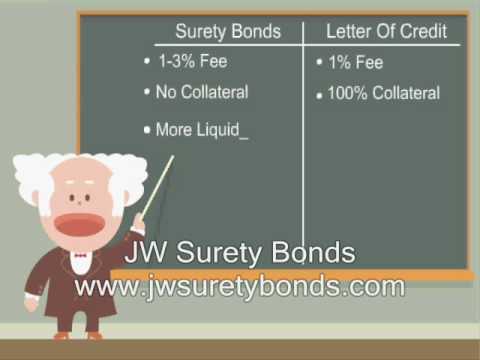
Surety bonds are three-party contracts that guarantee a principal's performance or compliance, protecting the obligee from financial loss.
A surety bond is a three-party agreement that legally binds a principal, an obligee, and a surety. It guarantees that the principal will fulfill an obligation, such as performing a contract or meeting legal requirements. If the principal fails, the surety company steps in to provide financial compensation or arrange for the obligation to be completed.
This system protects the obligee—often a project owner or government entity—from financial loss. It also provides a mechanism for recourse that is more efficient than traditional litigation. For the principal, securing a bond is a demonstration of their reliability and financial credibility to potential clients.
The license is not the bottleneck your bond is
Most contractors focus on passing the trade exam, but the real delay is the surety bond underwriting. The state requires the bond, but the surety company requires a deep review of your personal credit, business financials, and project history. A low credit score or thin business file can trigger requests for additional collateral or personal indemnity, stalling the entire license application. What usually slows this down is applicants submitting incomplete financial statements or underestimating how their personal credit impacts the premium.
- Order your bond before your exam to lock in your rate and avoid last-minute underwriting surprises.
- Prepare two years of business and personal tax returns upfront—missing documents are the most common cause for delay.
- A credit score below 650 will likely require a financial statement and may increase your bond premium by 25-50%.
How do surety bonds work?
The process begins when an obligee requires a principal to obtain a bond. The principal then applies to a surety company, which rigorously evaluates the principal’s creditworthiness, financial statements, and industry experience before underwriting the bond. Upon approval, the surety issues the bond to the obligee, guaranteeing the principal’s performance.
If the principal defaults, the obligee can file a claim against the bond. The surety will investigate the claim’s validity. If it is substantiated, the surety will pay compensation up to the bond’s penal sum. Critically, the principal is always legally obligated to reimburse the surety for any losses or payouts incurred, which is a fundamental distinction from traditional insurance.
Types of surety bonds
Surety bonds fall into two primary categories: contract bonds and commercial bonds. Contract bonds guarantee the performance of a contractor according to the terms of a construction or service contract. Commercial bonds, also known as license and permit bonds, are often required by government agencies to ensure businesses comply with laws and regulations.
Common examples include bid bonds, performance bonds, and payment bonds for contractors. On the commercial side, common types are license bonds for motor vehicle dealers or notaries public. The specific requirements are typically mandated by state or federal law to protect public interests.
Why are surety bonds important?
Surety bonds play a critical role in managing risk and fostering trust in commercial and public sectors. They provide a vital safety net for project owners and taxpayers by ensuring that contracted work is completed and that businesses operate ethically. For more detailed information on federal bonding requirements, you can refer to the U.S. Small Business Administration website.
They enable smaller contractors to compete for larger projects by vouching for their capability. The rigorous underwriting process acts as a pre-qualification, signaling to obligees that the bonded principal is a trustworthy and viable entity. This system helps maintain standards and accountability across many industries.
When selecting a surety bond provider, consider the following key factors to ensure you receive reliable service and appropriate coverage:
- Financial Strength: Choose a surety with high ratings from agencies like A.M. Best, indicating stability and the capacity to pay claims.
- Industry Expertise: Look for a provider with deep experience in your specific sector, whether it’s construction, transportation, or licensing.
- Claims Process: Understand the surety’s claims handling procedure—efficient and fair resolution is crucial if a dispute arises.
- Customer Support: Ensure they offer accessible and knowledgeable support to guide you through the bonding process and answer questions.