bookmark_borderHow Much Does a Surety Bond Cost?

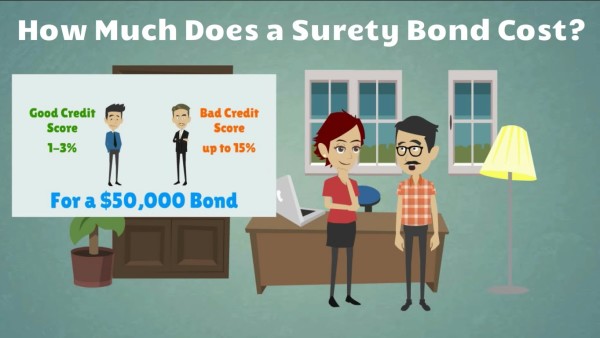
If you need a surety bond for your business, one of your first questions is likely, “How much will it cost?” The answer isn’t a single number, as bond premiums are calculated as a percentage of the total bond amount. This percentage, known as the premium rate, is determined by the surety company based on an assessment of risk.

What Factors Influence Surety Bond Costs?

Several key factors directly impact the premium rate you will be offered. Understanding these can help you prepare your application and potentially secure a more favorable rate.

  • Personal Credit Score: For many commercial bonds, especially those not mandated by law, your personal credit history is a primary factor. Applicants with strong credit typically receive the standard market rate, while those with lower scores may face higher premiums due to the perceived increase in risk.
  • Financial Statements: The surety will examine your company’s financial health, including balance sheets and income statements, to gauge stability and the ability to fulfill obligations.
  • Industry Experience: Your track record and years in business demonstrate reliability and can positively influence the underwriter’s decision.
  • Bond Type and Amount: The required bond amount set by the obligee (often a government agency) is the base for the premium calculation. Higher-risk bond types naturally command higher premium rates.

It’s a common misconception that surety bonds function like traditional insurance. While an insurance policy protects the policyholder against loss, a surety bond is a three-party agreement that guarantees the obligee (the project owner or government entity) that the principal (you or your business) will perform according to the terms of a contract or law. The surety company provides a financial guarantee of this performance.

Typical Surety Bond Cost Ranges

Premiums can vary widely, but most standard commercial surety bonds cost between 1% and 5% of the total bond amount for qualified applicants. For example, a $50,000 bond with a 2% premium rate would cost $1,000. High-risk applicants or specific bond types may see rates from 5% to 15% or more. It is crucial to get a personalized quote from a reputable surety bond provider or agency for an accurate price.

To navigate this process effectively, consider working with an experienced surety bond agency. These specialists act as intermediaries between your business and the surety markets. A knowledgeable agent can advocate on your behalf, help you present the strongest possible application, and shop your submission to multiple surety companies to find you the most competitive rate available.

For official information on bonding requirements for federal contracts, you can refer to the U.S. Small Business Administration website.
bookmark_borderWhat Does It Mean When A Bond Is Exonerated?

What Is a Bond?

In the legal system, a bond is a financial guarantee, often posted by a bail bond agent, to secure a defendant’s release from custody while awaiting trial. The court holds this bond as a pledge that the defendant will appear for all required court dates. If the defendant fails to appear, the court can order the bond to be forfeited, meaning the money is lost.

What Does “Exonerated” Mean in Legal Terms?

In everyday language, “exonerated” often means to be cleared of blame. However, in the specific context of bail bonds, exoneration has a distinct and precise meaning. It refers to the formal court order that releases the surety (the bail bond company) and any indemnitors from their financial obligations under the bond agreement. This legal release occurs when the court’s conditions for the bond have been fully satisfied.

When Is a Bond Exonerated?

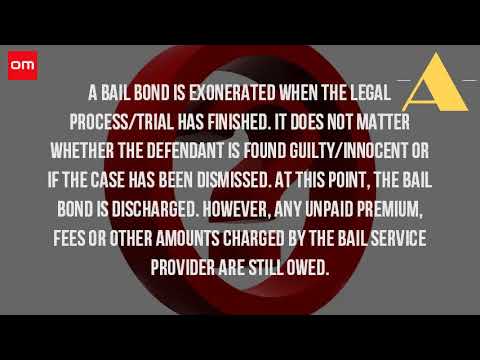
A bond is exonerated when the legal matter it secures is concluded. The most common scenario is when the defendant has appeared for all court hearings and the case has reached its final disposition, whether through dismissal, acquittal, or sentencing. At this point, the bond’s purpose—ensuring the defendant’s presence in court—is fulfilled, and the court discharges the financial guarantee. For more detailed information on court procedures, you can refer to the official U.S. Courts website.

It is a critical step that formally ends the liability for all parties involved in posting the bond. The exoneration process is not automatic; it requires a judge’s official order. Once exonerated, any collateral pledged is returned to the indemnitor, and the surety’s obligation is permanently dissolved.

Exoneration vs. Forfeiture

Exoneration and forfeiture are two opposing outcomes for a bail bond.

  • Exoneration: The defendant complies with all court orders, the bond is released, and all financial responsibilities are terminated.
  • Forfeiture: The defendant fails to appear in court (skips bail), leading the court to “forfeit” the bond. The surety must then pay the full bond amount to the court.

Forfeiture does not necessarily mean the money is immediately lost. The court may allow a reinstatement period where the defendant can be returned to custody, potentially leading to a vacating of the forfeiture and possible exoneration.

Why Understanding Exoneration Matters

For anyone who has co-signed a bond or put up collateral, the exoneration of the bond is the key event that releases you from your promise to the court and the bail bond company. Until the bond is officially exonerated by a judge, you remain financially liable. It is advisable to obtain documentation from the court or your bail bond agent confirming the exoneration for your records.

To ensure a smooth exoneration process, consider the following steps:

  • Maintain clear communication with your bail bond agent throughout the case.
  • Keep all court date notices and confirm the defendant’s attendance at every hearing.
  • Promptly provide any required documentation to your agent once the case concludes.
  • Request and retain a copy of the official court order of exoneration.

bookmark_borderMaximize Bonding Capacity for Construction Companies

What Is Bonding Capacity?

Bonding capacity refers to the maximum amount of surety credit a surety company is willing to extend to a construction firm. It determines the scale and number of projects a contractor can bid on and secure simultaneously. This financial benchmark is a critical indicator of a company’s fiscal health and operational scale in the eyes of project owners and developers.

Why Bonding Capacity Matters

A strong bonding capacity is essential for growth. It allows you to compete for larger, more lucrative public and private contracts that require bid, performance, and payment bonds. Without adequate bonding, your company will be limited to smaller projects, potentially stalling expansion and reducing overall market competitiveness.

Key Factors That Influence Your Capacity

Sureties conduct a thorough evaluation of your company’s financial and operational history before determining your limit. Key factors include your company’s credit history, financial statements, work-in-progress reports, and the experience of your key management personnel. A consistent track record of completing projects on time and within budget is also heavily weighted in this assessment.

To proactively manage these factors, consider the following best practices:

  • Maintain detailed and accurate financial records, including balance sheets and profit & loss statements, updated quarterly.
  • Develop a strategic business plan that outlines growth targets and risk management strategies to present to sureties.
  • Build strong relationships with multiple surety brokers to explore different markets and capacity options.
  • Ensure all past projects are fully closed out with all liens and obligations released to demonstrate clean completion.

How to Increase Your Bonding Capacity

Improving your bonding capacity is a strategic process. Start by strengthening your balance sheet: increase working capital, manage debt-to-equity ratios wisely, and ensure consistent profitability. Providing detailed, audited financial statements prepared by a reputable CPA firm builds immediate credibility and transparency with underwriters.

Furthermore, you can demonstrate stability by retaining experienced leadership and project managers. Sureties look favorably upon a management team with a proven history of navigating complex projects and economic cycles. For official guidance on surety bonds, particularly for federal construction projects, you can refer to resources from the U.S. Small Business Administration.

Common Mistakes to Avoid

Many contractors inadvertently limit their growth by making avoidable errors. One major mistake is failing to communicate proactively with your surety broker about upcoming bids and your long-term business strategy. Another is submitting sloppy or incomplete financial documentation, which can delay the underwriting process and erode confidence. Finally, taking on projects that are too large or outside your core expertise can lead to performance issues that negatively impact your bonding capacity for years.

bookmark_borderBond Market : Can I Get a Surety Bond With Bad Credit?

Understanding Surety Bonds and Credit

Many business owners wonder if they can secure a surety bond with a low credit score. The short answer is yes, but the process is more complex and the options may be more limited. A surety bond is a three-party agreement that guarantees the performance of a principal (the business or individual obtaining the bond). The surety company provides a financial guarantee to the obligee (often a government agency or project owner) that the principal will fulfill their contractual or legal obligations.

Your credit history is a primary factor that surety companies evaluate because it serves as a key indicator of financial responsibility and risk. A poor credit score suggests a higher likelihood of claims, which makes the surety company’s risk assessment more stringent.

How Underwriters View Bad Credit

When you have bad credit, underwriters don’t just see a number. They conduct a thorough review of your entire financial profile to understand the context behind your credit score. They will look for explanations, such as isolated medical debt or a one-time financial hardship, rather than a pattern of chronic mismanagement.

To mitigate the perceived risk, you may need to provide additional collateral or agree to a higher bond premium. Being transparent and providing a clear explanation for your credit issues can significantly improve your chances of approval.

Steps to Improve Your Chances of Approval

If you have bad credit and need a surety bond, taking proactive steps is essential. First, obtain a copy of your credit report from all three major bureaus and dispute any inaccuracies. Even small corrections can improve your score.

Second, be prepared to explain your credit history in writing. A well-drafted letter of explanation that outlines the circumstances and demonstrates your current financial stability can be very persuasive to an underwriter.

  • Work with a Specialized Bond Agency: Seek out agencies that have established relationships with surety companies known for working with higher-risk clients. Their expertise and market access are invaluable.
  • Offer Collateral: Providing cash or other assets as collateral can directly offset the surety’s risk, making them more likely to approve your application.
  • Start with a Smaller Bond: If possible, apply for a lower bond amount to build a positive track record with the surety company, which can help you qualify for larger bonds in the future.

Alternative Options if You Are Denied

If traditional surety companies deny your application, don’t give up. You can explore subprime surety markets, which specialize in higher-risk bonds but typically charge substantially higher premiums. Another option is to seek a co-signer with strong credit, who agrees to share the liability, thereby strengthening the application.

For certain types of bonds, you might also investigate state-sponsored programs or Small Business Administration (SBA) guarantees, which can help facilitate bonding for qualified small businesses. Persistence and exploring all available avenues are key when navigating this challenge.

Conclusion

While bad credit makes obtaining a surety bond more difficult, it is far from impossible. By understanding the underwriting process, preparing your application meticulously, and working with the right professionals, you can secure the bond you need to operate or grow your business. The key is to approach the situation strategically and with full transparency.

bookmark_borderThe Cost And Process Of Obtaining A Surety Bond

What Is a Surety Bond?

A surety bond is a three-party agreement that guarantees a principal will fulfill an obligation to an obligee. It is a crucial risk management tool used in many industries to ensure compliance with laws and contracts. If the principal fails to meet their obligations, the surety company will provide financial compensation to the obligee.

How Much Does a Surety Bond Cost?

The cost of a surety bond, known as the premium, is typically a small percentage of the total bond amount. This rate is not fixed and is primarily determined by the applicant’s personal credit score. Applicants with strong credit histories generally receive the most favorable rates, while those with lower scores may pay higher premiums due to the perceived increase in risk. For more detailed information on how these financial guarantees function, you can refer to the U.S. Small Business Administration website.

To secure an accurate quote, you will need to provide specific information to the surety bond company. Key factors influencing your final premium include:

  • Bond Type and Required Amount: Mandated by the obligee (often a government agency).
  • Personal Credit History: The most significant factor for most standard bonds.
  • Financial Statements: Business revenue, profitability, and assets.
  • Industry Experience and Professional History: Demonstrates your ability to perform the bonded work.

The Application Process

Obtaining a surety bond involves a structured application and underwriting process. You must first identify the specific bond type and amount required by the obligee, which is often a state or federal regulation. Next, you complete a formal application with a licensed surety bond provider or agency, submitting detailed personal, financial, and business information for review.

The surety company’s underwriters will then assess your application to evaluate risk. They examine your creditworthiness, financial stability, industry experience, and the specifics of the obligation. This underwriting process determines both your eligibility for the bond and the final premium rate you will be offered.

Why Your Credit Score Matters

Your personal credit score is a critical component in the underwriting process for most surety bonds. It serves as a key indicator of financial responsibility and risk. Surety companies extensively analyze credit reports to predict the likelihood of future claims, making a strong credit history one of the most effective ways to secure a lower bond premium.

Conclusion

Understanding the cost and process of obtaining a surety bond is essential for any business or professional required to secure one. By preparing your financial documentation and knowing what factors influence your premium, you can navigate the process more efficiently and secure the necessary bonding at the best possible rate.

bookmark_borderSurety Bonds

What is a Surety Bond?

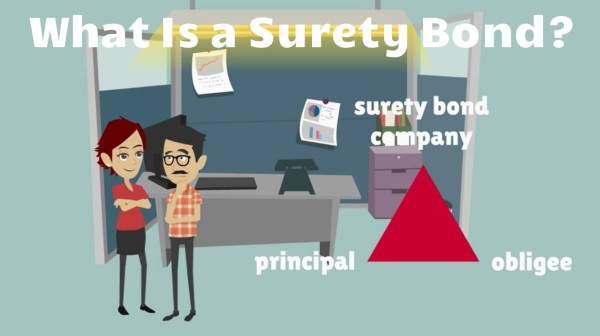
A surety bond is a three-party agreement that guarantees the performance of a specific obligation. It involves a principal (who needs the bond), an obligee (who requires the bond), and a surety (the company that backs the bond). This financial instrument ensures that contracts, laws, or regulations will be adhered to, providing a layer of security and trust in business transactions.

How Do Surety Bonds Work?

When a principal fails to meet their obligations, the obligee can make a claim against the bond to recover losses. The surety company will investigate the claim and, if it is valid, provide compensation to the obligee. The principal is then legally obligated to reimburse the surety company for the full amount paid out, plus any associated fees. This system ensures that projects are completed and responsibilities are met, even if the original party defaults.

Common Types of Surety Bonds

There are many types of surety bonds, but they generally fall into three main categories: contract bonds, commercial bonds, and court bonds. Contract bonds are common in the construction industry and guarantee that a contractor will fulfill the terms of a contract. Commercial bonds are often required by government agencies to ensure compliance with laws and regulations. Court bonds are used in judicial proceedings to protect against potential losses.

For businesses, understanding the specific bond requirements for your industry and location is crucial. Many states mandate particular bonds for licensing in professions like auto dealerships, mortgage brokers, and notaries public. You can review federal bonding requirements for contractors on the U.S. Small Business Administration website.

Why Are Surety Bonds Important?

Surety bonds play a critical role in managing risk and fostering ethical business practices. They protect public funds, ensure project completion, and provide recourse for clients if a bonded professional fails to perform. By requiring a bond, obligees can engage in business with greater confidence, knowing there is a financial backstop in place. This mechanism helps maintain integrity and reliability across various sectors of the economy.

Getting a Surety Bond

The process to obtain a surety bond typically involves an application and an underwriting review of the principal’s financial strength and credit history. Strong financials can lead to better premium rates. It is advisable to work with a knowledgeable surety bond agent or broker who can guide you through the process and help you secure the appropriate bond for your needs.

  • Assess Your Requirement: Determine the exact type and amount of bond required by the obligee (e.g., a client, government agency, or court).
  • Gather Documentation: Prepare necessary financial statements, business history, and personal credit information for the underwriting process.
  • Submit Your Application: Complete the surety’s application forms with accurate details about the obligation you need bonded.
  • Underwriting & Approval: The surety company evaluates your application to assess risk and determine your premium rate.
  • Receive Your Bond: Upon approval and payment, you will receive the official bond document to provide to the obligee.

bookmark_borderWhat Is A Surety Bond For A Notary Public?

For a notary public, a surety bond is a legally required financial guarantee that protects the public from potential errors or misconduct. It is a three-party contract between the notary (the principal), the state (the obligee), and the surety company (the guarantor). If a notary makes a mistake or commits a wrongful act that causes financial harm, the bond provides a source of funds to compensate the injured party.

This bond is distinct from errors and omissions (E&O) insurance, which is optional coverage that protects the notary themselves from liability. The surety bond is mandatory for licensure in most states and is designed for public protection, not for the notary’s personal financial security. If a claim is paid out on the bond, the notary is legally obligated to reimburse the surety company for the full amount.

Understanding the specific bond requirements is crucial, as the necessary amount varies by state. For instance, California requires a $15,000 bond, while Florida mandates a $7,500 bond. You must check with your state’s commissioning authority for the exact figure and any stipulations.

To secure a notary bond, you typically apply through a licensed surety bond agency or insurance provider. The process involves a simple application, and premiums are usually paid annually. The cost is relatively low, often ranging from $50 to $150 per year, depending on your state’s bond amount and your personal credit history.

It is vital to maintain your bond for the entire duration of your notary commission. A lapsed bond can result in the immediate suspension of your notary powers and legal penalties. Always ensure your bond is active and that you have the official documentation on file as required by your state.

When preparing to become a notary, you should budget for all associated costs, which include more than just the bond premium. Common expenses to anticipate are:

  • The state application or filing fee.
  • The cost of your official notary seal and journal.
  • Optional but recommended Errors and Omissions (E&O) insurance.
  • Any mandatory state-administered education courses.

Ultimately, the notary surety bond is a fundamental component of your commission. It upholds the integrity of the notarial office and fosters public trust in the documents you notarize. By fulfilling this requirement, you demonstrate your commitment to performing your duties ethically and in accordance with the law.

bookmark_borderHow Much Does It Cost To Get A 10000 Surety Bond?

If you need a $10,000 surety bond, you’re likely wondering about the cost. Unlike insurance, which you pay in full, a surety bond requires only a small percentage of the total bond amount as a premium. This premium is determined by the surety company based on an assessment of your financial strength and credit history. Applicants with excellent credit typically receive the most favorable rates, often between 1% and 3% of the bond’s face value.

For a $10,000 bond, this translates to an approximate cost of $100 to $300 for well-qualified applicants. However, if your credit score is lower or your financial history presents more risk, your premium rate could be higher, potentially ranging from 5% to 10% or more. In such cases, the cost for the same $10,000 bond could be between $500 and $1,000. The final premium is always quoted by the surety after a thorough underwriting review of your application.

Several key factors directly influence the premium you will pay for your surety bond. Your personal credit score is the most significant factor, as it serves as a primary indicator of risk for the underwriter. The type of bond and its associated industry risk also play a major role; for instance, a contractor license bond may be priced differently than a court or fiduciary bond. Your business financials, including years in operation and revenue stability, along with any prior claims history, are also critically reviewed during the underwriting process.

To secure the best possible rate for your $10,000 surety bond, it is essential to shop around and compare quotes from multiple reputable surety providers. Be prepared to provide complete and accurate documentation, including a detailed application, personal and business financial statements, and any relevant licenses. Proactively addressing any issues on your credit report before applying can also lead to significant savings. Working with an experienced surety bond agent who has access to multiple markets can streamline the process and help you find the most competitive offer.

Understanding the purpose and mechanics of a surety bond is crucial. A surety bond is a three-party agreement that guarantees compliance with laws, regulations, or contractual terms. The three parties involved are the principal (you, the bond purchaser), the obligee (the entity requiring the bond, often a government agency), and the surety (the company that underwrites and issues the bond). If a valid claim is filed against the bond, the principal is always financially responsible for repaying the surety for any losses paid out. For more detailed information on how these instruments function, you can review resources from the U.S. Small Business Administration.

  • Gather Documentation: Collect recent tax returns, bank statements, business financials, and a completed application.
  • Submit for Underwriting: Provide your documentation to a surety company or broker for a formal risk assessment and quote.
  • Review and Accept Quote: Carefully evaluate the premium rate and terms offered before signing the indemnity agreement.
  • Make Payment: Pay the premium to activate the bond, which will then be issued to you and the obligee.

While the initial cost is a primary concern, it’s also vital to consider the long-term relationship with your surety provider. A reliable surety company offers stability and support, which is especially important if you need to renew your bond annually or secure additional bonds as your business grows. Choosing a provider with a strong reputation for customer service and fair claims handling can provide invaluable peace of mind throughout the life of your bond.

bookmark_borderWhat is a Surety Bond?

A surety bond is a legally binding contract that ensures an obligation will be fulfilled. It involves three parties: the principal (who needs the bond), the obligee (who requires the bond), and the surety (the company that backs the bond). If the principal fails to meet the terms, the surety provides financial compensation to the obligee.

These bonds are commonly required in industries like construction, finance, and by government agencies to protect against financial loss and ensure compliance with laws and regulations. They are a key risk management tool, not an insurance policy for the principal.

For example, a contractor might need a performance bond to guarantee they will complete a project according to the contract specifications. This protects the project owner from losses if the contractor defaults.

There are two main categories: contract bonds and commercial bonds. Contract bonds are for construction projects, while commercial bonds cover licenses, permits, and other legal requirements.

When you purchase a bond, the surety company will evaluate your creditworthiness, financial strength, and industry experience. This underwriting process determines your premium rate and bond eligibility. The premium is a small percentage of the total bond amount, typically between 1% and 15%.

If a claim is made against your bond, the surety will investigate. You, as the principal, are ultimately responsible for reimbursing the surety for any valid claims paid out. This is a fundamental difference from traditional insurance.

To apply for a surety bond, you’ll need to provide business details, financial statements, and information about the specific bond requirement. Working with a knowledgeable bond agent can streamline the process and help you secure the best terms.

Understanding the specific bond required for your situation is crucial. Common bond types include:

  • License and Permit Bonds: Required by government agencies to obtain a business license or permit.
  • Court Bonds: Used in judicial proceedings, such as appeal bonds or fiduciary bonds.
  • Public Official Bonds: Guarantee the faithful performance of a public official.
  • Subdivision Bonds: Ensure a developer will build required public infrastructure like roads and sewers.

Surety bonds play a vital role in the economy by fostering trust, ensuring project completion, and protecting public funds. For more detailed information on the legal framework and public policy surrounding surety bonds, you can refer to the U.S. Small Business Administration website.

bookmark_borderWhat Is The Security Bond?

A security bond is a financial guarantee, often required by landlords or government agencies, to protect against potential losses or damages. It is a sum of money held as insurance for the fulfillment of contractual obligations. If all terms are met, the bond is refunded to the person who provided it.

Unlike a security deposit, which is typically held by the landlord, a security bond is often provided by a third-party guarantor, such as a bank or insurance company. This arrangement can free up capital for tenants or contractors, as the funds are not directly tied up for the duration of the agreement. The specific regulations governing security bonds can vary significantly by jurisdiction and the type of contract involved.

For businesses, security bonds are common in construction, import/export, and service industries to ensure project completion or compliance with laws. They provide a layer of financial security and help establish trust between parties who may not have an established working relationship.

Understanding the key requirements for obtaining a security bond can streamline the process:

  • A strong credit history and financial standing are typically evaluated.
  • The bond amount is usually a percentage of the total contract value.
  • Applicants must often demonstrate relevant experience and capability to fulfill the contract terms.
  • The underwriting process assesses the risk associated with the specific project or obligation.

Failure to meet the bonded obligations can result in a claim against the bond. The guarantor will pay the claimant up to the bond’s full value and then seek reimbursement from the party that obtained the bond. This process underscores the bond’s role as a serious financial commitment to performance. For more detailed information on bonds used in federal contracting, you can refer to the U.S. Small Business Administration’s bonding guide.

In summary, a security bond is a crucial risk management tool that facilitates commercial and contractual relationships by providing a guaranteed financial remedy. It allows projects and agreements to proceed with greater confidence for all involved parties.

bookmark_borderHow to Get the Lowest Construction Bond Rates

Understanding Construction Bond Rates

Construction bond rates are not one-size-fits-all; they are determined by a surety’s detailed assessment of your company’s financial health, project history, and overall risk profile. A lower perceived risk directly translates to more favorable premium costs for your business.

Improve Your Financial Statements

Strong, well-organized financial statements are the cornerstone of securing a low bond rate. Sureties meticulously analyze your balance sheet, income statement, and cash flow statements to evaluate liquidity, leverage, and profitability. Presenting clear, audited financial documents that demonstrate stability and growth potential is essential for negotiating the best terms.

Build a Solid Track Record

Your company’s past performance is a powerful predictor of future reliability. Successfully completing projects on time and within budget builds a reputation for competence that sureties reward with lower rates. Conversely, a history of claims or litigation can significantly increase your bonding costs.

Choose the Right Surety Partner

Not all surety companies are the same. Some specialize in specific contract sizes or types of construction work. Partnering with a surety that understands your niche and has a history of working with similar contractors can lead to more competitive rates and a smoother underwriting process. For authoritative information on how surety bonds function in public works, you can refer to the U.S. Small Business Administration’s guide.

Maintain a Strong Credit Profile

Both your personal and business credit scores are critical factors in bond underwriting. A high credit score signals financial responsibility and reduces the surety’s risk, which is a primary driver for securing lower premiums. Proactively managing your credit by paying bills on time and reducing outstanding debt is a long-term strategy that pays dividends.

  • Organize Financial Documentation: Have audited statements, bank references, and detailed work-in-progress reports ready.
  • Prepare a Company Resume: Highlight key personnel experience, safety records, and major completed projects.
  • Discuss Projects Early: Engage your surety agent during the bidding phase for preliminary feedback.
  • Review Your Bonding Capacity: Understand your current single-job and aggregate limits before pursuing new contracts.

Work with an Experienced Bond Agent

A knowledgeable bond agent acts as your advocate and guide. They can present your company in the best light to underwriters, help you navigate the application complexities, and leverage their market relationships to shop for the most advantageous rates on your behalf.

Plan Ahead and Be Proactive

Last-minute bond applications often result in higher costs. By starting the bonding process early, you allow time for thorough underwriting and provide an opportunity to address any potential issues that could negatively impact your rate.

bookmark_borderClaiming Under A Surety Contract Performance Bond

What is a Performance Bond?

A performance bond is a three-party contract between a principal (the contractor), an obligee (the project owner), and a surety (the bond provider). It guarantees the obligee that the principal will fulfill the terms of the underlying contract. If the contractor defaults or fails to perform, the surety is obligated to step in and provide a remedy, which can include financial compensation or arranging for another contractor to complete the work. This instrument is a cornerstone of risk management in construction and large-scale projects, protecting the project owner from financial loss and delays.

When Can You Claim Under a Performance Bond?

You can make a claim on a performance bond when the principal has demonstrably failed to meet their contractual obligations. This failure is typically defined as a material breach of the contract. Common triggers for a claim include the contractor abandoning the project, failing to complete the work by the agreed-upon deadline, or delivering work that is substantially non-compliant with the project specifications and quality standards. It is crucial to formally declare the contractor in default according to the contract terms before proceeding with a bond claim.

The Claim Process: Step-by-Step

The process for claiming under a performance bond is formal and must be followed precisely to ensure the surety honors its obligations.

  1. Formal Notice of Default: The obligee must provide written notice to both the contractor and the surety company, formally declaring the contractor in default and citing the specific contractual failures.
  2. Submit a Formal Claim: A detailed, written claim is submitted to the surety, including all supporting documentation such as the bond itself, the underlying contract, evidence of default, and records of any attempts to resolve the issue.
  3. Surety Investigation: Upon receipt, the surety will conduct a thorough investigation to validate the claim. This process is governed by strict timelines and regulations, such as those outlined by the U.S. Small Business Administration for federal projects, and may involve interviews and site visits.
  4. Surety’s Options: After investigation, the surety has several options: it can finance the existing contractor to complete the work, hire a new contractor, pay the penal sum of the bond, or deny the claim if it’s found invalid.
  5. Resolution: The surety will work with the obligee to implement the chosen remedy and bring the project to completion, thereby fulfilling the bond’s guarantee.

Common Challenges and How to Avoid Them

Claimants often face challenges such as delayed responses from the surety or disputes over whether a default has actually occurred. To avoid these issues, maintain meticulous project records from day one. Document all communications, change orders, and performance issues. Ensure every step of the claim process is followed exactly as stipulated in the bond form and the underlying contract. Proactive and detailed documentation is your strongest asset in facilitating a smooth and successful claim process.

Conclusion

Understanding how to properly claim under a performance bond is essential for protecting your financial interests on a project. By knowing the triggers, following the formal process meticulously, and maintaining comprehensive documentation, you can navigate a claim effectively. Always consult with legal counsel experienced in construction law to ensure your rights are fully protected throughout the proceedings.

bookmark_borderHow to Get Bond Insurance

Bond insurance, also known as a surety bond, is a three-party agreement that guarantees the performance of a principal’s obligation to an obligee. It is a critical risk management tool for contractors, businesses, and professionals undertaking projects or fulfilling contractual duties. Obtaining this insurance involves a detailed process where a surety company assesses your financial health and business practices before backing your commitments.

To secure bond insurance, you must first identify the specific type and amount of bond required by your project or licensing authority. This is a non-negotiable first step, as requirements vary significantly across industries and jurisdictions.

Next, you will need to compile a comprehensive application package. This typically includes detailed financial statements, business history, project specifics, and professional references. The surety uses this information to perform a rigorous underwriting assessment, evaluating your company’s creditworthiness, operational capacity, and track record. A strong financial position and proven experience in your field are paramount for a favorable outcome.

Once you submit your application, an underwriter will analyze your materials. They are looking for stability and a low risk of default. This evaluation determines not only your eligibility but also the premium rate you will be offered. It is a thorough vetting process designed to protect all parties involved.

After approval, you will review and sign the surety bond agreement and pay the premium. The premium is typically a small percentage of the total bond amount. The surety company then issues the official bond document, which you must file with the obligee—usually a government agency or project owner—to demonstrate your guaranteed compliance.

Maintaining bond coverage requires ongoing financial responsibility. Surety companies may monitor your business health, and any significant negative change could affect your ability to secure future bonds. It is essential to manage your finances prudently and communicate proactively with your surety provider.

For a deeper understanding of the legal framework and common types of surety bonds used in public projects, you can refer to the U.S. Department of Transportation’s overview.

To improve your chances of approval and secure the best terms, consider the following best practices:

  • Prepare Accurate Financials: Ensure your balance sheets, income statements, and cash flow projections are up-to-date, organized, and prepared according to standard accounting principles.
  • Build a Strong Track Record: Document past project completions on time and within budget, and gather positive client testimonials.
  • Establish Banking Relationships: Maintain a strong line of credit and a positive history with your financial institutions.
  • Work with a Specialized Agent/Broker: An experienced surety bond professional can guide you through the process, present your case effectively to underwriters, and help you navigate complex requirements.

Common challenges include weak credit history, insufficient working capital, or lack of relevant experience. Addressing these areas proactively before applying can significantly strengthen your submission. If initially denied, work with your broker to understand the underwriter’s concerns and develop a plan to remediate them.

In conclusion, securing bond insurance is a structured process that hinges on demonstrating financial stability and professional reliability. By understanding the requirements, preparing diligently, and seeking expert guidance, you can successfully obtain the necessary bonding to grow your business and bid on new opportunities.

bookmark_borderWhat is a License and Permit Surety Bonds ?

License and permit surety bonds are a specific type of financial guarantee required by government agencies for individuals or businesses to obtain certain professional licenses or operational permits. They function as a three-party contract that ensures the bonded party will comply with all applicable laws and regulations governing their licensed activity. If the principal fails to adhere to these rules, a claim can be made against the bond to provide financial compensation for any resulting damages or losses incurred by the public or the government.

Unlike traditional insurance, which protects the policyholder, a surety bond is designed to protect the public and the government entity that required the bond. The three parties involved are: the principal (the business or individual required to get the bond), the obligee (the government agency requiring the bond), and the surety (the company that underwrites and issues the bond).

For example, a contractor might need a license bond to legally operate in a state, or a business might need a permit bond to secure a permit for street construction or to serve alcohol. The bond provides a mechanism for recourse if the work is performed improperly or if laws are violated.

Understanding the specific requirements for your license or permit bond is crucial. Key factors that influence the bond include the type of license, the state or municipality’s regulations, and the financial strength of the applicant. The surety company will assess the principal’s creditworthiness and business history during the underwriting process to determine the bond premium, which is typically a small percentage of the total bond amount.

  • Research Your Exact Requirement: Contact your state’s licensing board or the specific municipal agency to confirm the exact bond amount and form needed.
  • Gather Financial Documentation: Be prepared to provide business financials, personal credit information, and relevant professional history.
  • Compare Surety Quotes: Obtain quotes from several reputable surety bond providers to ensure you receive a competitive premium rate.
  • Understand the Claims Process: Familiarize yourself with the conditions that could lead to a claim and your obligations to avoid them.

Failure to maintain an active and valid bond can result in severe penalties, including the suspension or revocation of the essential license or permit, fines, and an inability to legally conduct business. Therefore, it is critical to work with a knowledgeable surety provider and stay informed about renewal dates and any changes in bonding requirements. For a comprehensive overview of surety bonds, you can refer to the U.S. Small Business Administration website.

In essence, license and permit bonds are not a mere bureaucratic formality but a vital consumer protection tool. They help ensure that businesses operate ethically and within the legal framework, thereby safeguarding the community’s interests and upholding industry standards.

bookmark_borderWhat Is A Fidelity Bond?

What Is a Fidelity Bond?

A fidelity bond is a form of insurance that protects a business from financial losses caused by fraudulent acts committed by its employees. This type of coverage is essential for companies that want to safeguard their assets and ensure operational integrity. It is particularly important for businesses that handle significant amounts of money, sensitive data, or valuable assets.

How Does a Fidelity Bond Work?

When an employee commits a dishonest act, such as theft or embezzlement, the business can file a claim against the fidelity bond. The insurance provider will then investigate the claim and, if validated, provide financial compensation to the business for the covered loss. This process helps the company recover from the incident without suffering a devastating financial impact. It is a critical risk management tool for maintaining financial stability.

Types of Fidelity Bonds

There are several common types of fidelity bonds, each designed for specific situations. Business Services Bonds protect clients of a business from theft by the business’s employees. Standard Employee Dishonesty Bonds cover losses from fraudulent acts by employees. ERISA bonds are specifically required by the U.S. Department of Labor for those who handle retirement plan funds, as outlined in the Employee Retirement Income Security Act (ERISA).

Choosing the right type of bond depends on your company’s specific risks and exposures. A thorough risk assessment with an insurance professional is the best way to determine the appropriate coverage.

Who Needs a Fidelity Bond?

While any business with employees can benefit from a fidelity bond, they are especially crucial for certain industries. Financial institutions, such as banks and credit unions, are almost always required to have them. Companies with employees who handle cash, client property, or sensitive financial information are also prime candidates. Furthermore, businesses that must comply with specific client contracts or regulatory standards often find a bond is mandatory.

  • Financial Advisors & Brokerages: To protect client assets under management.
  • Government Contractors: Often required to bid on and fulfill public sector contracts.
  • Non-Profit Organizations: To safeguard donor funds and ensure trustee accountability.
  • Technology Companies: Especially those managing client data or intellectual property.

Key Benefits of a Fidelity Bond

The primary benefit is direct financial protection against employee dishonesty. This security allows business owners to focus on growth rather than worrying about internal threats. Additionally, having a fidelity bond can enhance a company’s reputation, demonstrating to clients and partners that it takes risk management seriously. It can also be a requirement for securing certain contracts or professional licenses.

Conclusion

In today’s business environment, internal risks are as significant as external ones. A fidelity bond provides a vital safety net, offering financial recourse and peace of mind. By understanding what a fidelity bond is and how it functions, business leaders can make informed decisions to better protect their enterprises from potentially crippling losses due to employee fraud.

bookmark_borderwhat is a payment bond | Payment bonds and performance bonds

What is a Payment Bond?

A payment bond is a type of surety bond that guarantees a contractor will pay their subcontractors, laborers, and material suppliers for work completed on a project. This bond provides crucial financial protection for those down the supply chain, ensuring they receive compensation even if the contractor defaults. It is often required alongside a performance bond on public construction projects to create a secure financial environment for all parties involved.

How Payment Bonds Work

The payment bond is a three-party agreement between the surety (the bond provider), the principal (the contractor), and the obligee (the project owner). If the contractor fails to pay its suppliers or subcontractors, those unpaid parties can file a claim against the bond. The surety company will then investigate the claim and, if valid, provide compensation up to the bond’s penal sum, which is the maximum amount covered.

This process helps maintain project stability by preventing liens from being placed on the property due to non-payment. For a deeper understanding of the legal framework, the Federal Acquisition Regulation (FAR) Part 28 outlines bonding requirements for federal contracts.

Payment Bonds vs. Performance Bonds

While both are essential for construction projects, payment bonds and performance bonds serve distinct purposes. A performance bond guarantees that the contractor will complete the project according to the terms of the contract. If the contractor fails to perform, the surety may step in to arrange for the project’s completion or provide financial compensation.

In contrast, a payment bond specifically guarantees payment to the parties who furnished labor and materials. Together, they form a comprehensive risk management package: the performance bond protects the project owner, and the payment bond protects the subcontractors and suppliers.

Why Are Payment Bonds Important?

Payment bonds are vital for several reasons. They protect subcontractors and suppliers from financial loss, which encourages broader participation in public projects by reducing the risk of non-payment. For project owners, they prevent mechanics’ liens from clouding the property title, which can cause significant legal and financial complications. This system fosters trust and ensures that all contributors to a project are paid fairly and on time.

To successfully secure a payment bond, contractors must typically demonstrate strong financial health, a solid business track record, and relevant industry experience. Sureties assess these factors to determine the contractor’s likelihood of fulfilling their payment obligations.

  • Provide detailed financial statements for the past few years.
  • Showcase a portfolio of successfully completed projects, especially those of similar scope and size.
  • Maintain a good business credit score and be prepared for a thorough credit check.
  • Have the necessary licenses and insurance in good standing.

Conclusion

Understanding payment bonds is crucial for anyone involved in construction, particularly on public projects. They are a key instrument for ensuring financial responsibility and project integrity. By guaranteeing payment to all parties, they help create a more stable and reliable construction industry.

bookmark_bordernature of surety’s Liability

In the world of contracts and guarantees, a surety’s liability is a critical concept. It refers to the legal obligation undertaken by a surety to answer for the debt, default, or miscarriage of another party, known as the principal debtor. This liability is not primary but is secondary and co-extensive with that of the principal debtor, unless stated otherwise in the surety agreement.

This means the surety’s obligation to perform only arises upon the failure of the principal debtor to fulfill their own contractual duties. The creditor must first seek recourse from the principal debtor before approaching the surety, establishing the conditional nature of this guarantee. However, this right to demand payment from the surety is explicitly triggered the moment the principal debtor defaults.

The extent of the surety’s liability is strictly governed by the terms of the surety bond or contract. It can be limited to a specific amount, cover a particular transaction, or be continuous for a series of obligations. A crucial protection for the surety is that their liability is not fixed; it is discharged proportionally if the principal debtor makes a partial payment or if the creditor releases any security held for the debt.

Key Characteristics of Suretyship Liability

  • Accessory Nature: The surety’s obligation is dependent on the existence of a valid primary obligation of the principal debtor.
  • Secondary Responsibility: The surety is liable only if the principal debtor fails to perform.
  • Co-extensiveness: Generally, the surety is liable for everything the principal debtor is liable for, unless the contract specifies limits.
  • Conditional Enforcement: The creditor typically must exhaust remedies against the principal before claiming from the surety, a principle often called “exhaustion of the principal remedy.”

Understanding the nature of a surety’s liability is essential for all parties involved in a contract of guarantee. For the creditor, it defines the pathway to recovery; for the surety, it outlines the precise scope and triggers of their financial risk; and for the principal debtor, it clarifies the backup support in place for their promise. This framework ensures that the surety is not a mere volunteer but a party with a defined and enforceable legal commitment.

It is also vital to note that the liability of a surety can be enforced in a court of law just like any other contractual obligation. The legal principles governing these agreements are well-established in common law and are detailed in resources such as the Legal Information Institute’s overview on suretyship.

bookmark_borderHow Much Does a Surety Bond Cost?

If you’re in the market for a surety bond, your first question is likely about cost. The price of a surety bond, known as the premium, is not a fixed number. It is determined by a combination of key factors that underwriters evaluate to assess risk. Understanding these variables is the first step to getting an accurate quote for your specific situation.

What Factors Influence Surety Bond Costs?

Several core elements directly impact your bond premium. The single most important factor is the applicant’s personal credit score. Individuals with strong credit histories represent a lower risk to the surety company and will qualify for the lowest premium rates, typically between 1% and 3% of the bond amount. Conversely, applicants with lower credit scores may see premiums ranging from 3% to 10% or higher, as the perceived financial risk increases.

The bond amount itself, also called the penal sum, is the next major determinant. This is the maximum financial guarantee the bond provides. Since the premium is a percentage of this amount, a higher bond limit directly results in a higher premium cost. For example, a $50,000 bond at a 2% rate costs $1,000, while a $100,000 bond at the same rate costs $2,000.

Industry risk and bond type also play a significant role. Certain professions, like construction contractors or those handling client funds, are viewed as higher risk. A performance bond for a large project will be underwritten more rigorously—and often cost more—than a simple license bond for a low-risk business.

Finally, the required bond term influences the total price. Most bonds are issued for one-year terms and must be renewed annually, with premiums paid each term. Some bonds may be written for multiple years, which can affect the total cost calculation.

How to Get the Best Surety Bond Rate

To secure the most favorable rate, preparation is key. Start by obtaining a copy of your personal and business credit reports to understand your financial standing. Disclose all relevant information accurately on your application, as transparency builds trust with underwriters. It is also highly advisable to work with an experienced surety bond agency. A knowledgeable agent can advocate on your behalf, present your financials in the best light, and leverage their relationships with multiple surety companies to find you the most competitive offer.

When comparing quotes, look beyond just the premium percentage. Consider the surety company’s financial strength, its reputation for handling claims, and the agency’s level of customer service. The cheapest bond is not always the best value if the provider is difficult to work with or financially unstable.

Common Surety Bond Types and Typical Costs

While costs vary, here are general premium ranges for common bond types, assuming standard credit:

  • License & Permit Bonds: Often required by government agencies for businesses like contractors, motor vehicle dealers, and notaries. Premiums are typically 1% to 3% of the bond amount.
  • Court Bonds: These include fiduciary (e.g., estate executor) and appeal bonds. They are highly case-specific but generally range from 1% to 5%.
  • Contract Bonds: Required for construction projects (bid, performance, and payment bonds). These are heavily underwritten and typically cost 1% to 3% of the contract value.
  • Commercial Bonds: This broad category includes bonds like those for freight brokers or Medicare providers. Premiums can vary widely, from 1% to 10%, based on risk.

Next Steps for Your Surety Bond

Getting a surety bond doesn’t have to be a complex process. By understanding the cost factors and preparing your financial information, you can approach the market with confidence. The best course of action is to request quotes from a few reputable surety bond providers to compare rates and terms specific to your bonding requirement.

bookmark_borderWhat is a Notary Surety Bond ?

In the world of notary publics, a surety bond is a fundamental requirement for licensure in most states. It acts as a crucial financial guarantee that protects the public from potential errors or misconduct by the notary. If a notary makes a mistake or commits a wrongful act that causes financial loss, the bond provides a source of funds to compensate the injured party. The notary is then legally obligated to reimburse the surety company for any claims paid out.

Think of it as a three-party agreement. The notary (the principal) purchases the bond from a surety company (the obligor) to guarantee their performance to the state (the obligee). This system ensures accountability and upholds the integrity of notarial acts, which are essential for the proper execution of legal documents.

It is critical to understand that a notary bond is not insurance for the notary. It does not cover the notary’s own losses or legal defense costs. Its sole purpose is to protect the public. For personal protection against lawsuits, a notary should consider obtaining separate errors and omissions (E&O) insurance.

The bond amount, often set by state statute, is the maximum limit the surety will pay for claims against that notary. Common bond amounts range from $5,000 to $25,000, but requirements vary significantly. You must check with your state’s notary regulating authority for exact specifications.

How Does a Notary Bond Claim Work?

If a member of the public suffers a financial loss due to a notary’s error or misconduct, they can file a claim against the bond. The surety company will investigate the claim’s validity. If the claim is approved, the surety will pay compensation up to the bond’s penal sum. Importantly, the notary is then personally liable to repay the surety company in full for the claim amount, plus any associated fees.

Key Differences: Bond vs. Insurance

Confusion between bonds and insurance is common. To clarify:

  • Notary Bond: Protects the public. Provides a financial guarantee for the notary’s performance. The notary must repay any claims.
  • Notary E&O Insurance: Protects the notary. Covers the notary’s legal defense fees and damages if they are sued for a professional mistake.

Most states mandate the bond, while E&O insurance is typically optional but highly recommended for comprehensive risk management.

Obtaining Your Notary Surety Bond

The process usually begins when you apply for your notary commission through your state’s appointed office, often the Secretary of State. They will provide the specific bond requirement. You then purchase the bond from a licensed surety bond company or agency. After purchase, you file the bond with the appropriate state office as part of your official application package.

When selecting a surety provider, consider their reputation, customer service, and experience with notary bonds in your state. The cost, known as the premium, is a small percentage of the total bond amount and is typically paid annually.

Maintaining an active bond is a continuous requirement for your commission. If your bond lapses or is exhausted by claims, your commissioning authority will likely suspend your notary privileges until a new bond is in place. Proactive management of this requirement is essential for a sustainable notary practice.

bookmark_borderGregory E. Marco – Surety Bonds: An Obscure but Important Cog in the World of Finance

Surety bonds are a critical, yet often misunderstood, financial instrument that guarantees performance or compliance. They act as a three-party contract between the principal (who needs the bond), the obligee (who requires it), and the surety (who provides the guarantee).

Unlike traditional insurance, which protects the policyholder against unforeseen losses, a surety bond protects the project owner or government entity by ensuring the principal fulfills their contractual or legal obligations. This fundamental distinction is crucial for businesses to understand when navigating bonded contracts.

For contractors, surety bonds are frequently mandatory for public construction projects, serving as a prerequisite to bid on and secure work. They provide a vital layer of financial protection for taxpayers and public agencies by ensuring a project will be completed even if the contractor defaults.

Common types of surety bonds include bid bonds, performance bonds, and payment bonds. Each serves a specific purpose in the lifecycle of a project, from the initial proposal through to final completion and payment of all subcontractors and suppliers.

  • Bid Bond: Guarantees that the contractor will enter into the contract at their bid price.
  • Performance Bond: Protects the project owner from financial loss if the contractor fails to perform according to the contract terms.
  • Payment Bond: Ensures that subcontractors, laborers, and material suppliers are paid, preventing liens against the project property.

The underwriting process for a surety bond is rigorous and focuses heavily on the principal’s creditworthiness, financial strength, and industry experience. Surety companies, often referred to as U.S. Small Business Administration preferred lenders, conduct thorough evaluations because they assume significant risk by backing the principal’s promise.

In essence, surety bonds are a cornerstone of trust in commercial and public sector transactions. They enable projects to move forward by mitigating risk and providing a secure financial guarantee that obligations will be met, thereby facilitating economic activity and protecting public interests.

bookmark_borderBond and Oath information for all states

Navigating the requirements for notary bonds and oaths can be a complex process, as regulations vary significantly from one state to another. A notary bond is a type of surety bond that provides financial protection to the public against potential errors or misconduct by the notary public. This bond is a mandatory requirement in most states before a notary commission can be issued. The purpose of the bond is to ensure that the notary carries out their duties with integrity and in accordance with the law.

In contrast, the notary oath is a solemn promise made by the notary to perform their duties ethically and faithfully. This oath is typically administered by an authorized official, such as a county clerk or a judge, and is a separate legal requirement from the bond. Submitting the oath is a critical final step to activate your commission. While the bond protects the public, the oath holds the notary personally accountable to the state for their professional conduct.

It is crucial to understand that a notary bond is not an insurance policy for the notary themselves; it protects the public. For personal liability coverage, notaries must purchase a separate errors and omissions (E&O) insurance policy.

To ensure you complete all steps correctly, follow this general sequence:

  • Apply for your state notary commission.
  • Purchase the required surety bond from a licensed provider.
  • File your bond and any other required paperwork with the appropriate state or county office.
  • Take your official oath of office before an authorized official.
  • Submit your oath form to the commissioning authority to finalize your appointment.

State-Specific Bond Amounts

Bond amounts are not uniform across the country. For instance, California requires a $15,000 bond, while Texas mandates a $10,000 bond. You must verify the exact amount with your state’s commissioning agency, as these figures are subject to change by state legislatures.

Where to File Your Documents

The filing location for your bond and oath depends entirely on your state’s statutes. Commonly, documents are filed with the Secretary of State’s office, the Governor’s office, or the county clerk in your county of residence. Always confirm the correct filing office to avoid delays in your commissioning process.

Penalties for Non-Compliance

Failing to maintain a valid bond or to properly file your oath can result in the suspension or revocation of your notary commission. Additionally, you could be held personally liable for damages that exceed the bond’s penal sum if a claim is made against you.

Renewal Procedures

Notary commissions are valid for a set term, after which you must renew. The renewal process often requires purchasing a new bond and retaking the oath. Do not assume your previous bond automatically renews; you must secure a new one for each commission term. For authoritative information on state-level requirements, you can consult resources like the National Association of Secretaries of State (NASS).

bookmark_borderEpisode 98: Introduction to Financial Securities: How Bonds Work

In this episode, we break down the fundamentals of bonds, a cornerstone of the fixed-income market. We’ll explain how they function as debt instruments and why they are a critical component of both corporate finance and diversified investment portfolios.

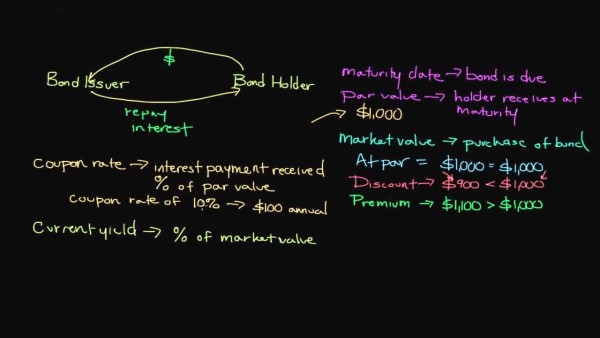
When you purchase a bond, you are essentially lending money to the issuer, which could be a corporation, a municipality, or a national government. In return for this loan, the issuer promises to pay you periodic interest payments, known as coupons, and to return the principal amount, or face value, on a specified maturity date. This contractual obligation makes bonds a more predictable investment compared to equities.

Understanding the relationship between bond prices and interest rates is crucial for any investor. When prevailing market interest rates rise, the fixed coupon payments of existing bonds become less attractive, causing their market prices to fall. Conversely, when market rates fall, existing bonds with higher fixed coupons become more valuable, and their prices tend to increase. This inverse relationship is a fundamental principle of bond investing.

Several key factors influence a bond’s risk and return profile:

  • Credit Risk: The financial health of the issuer and its ability to make timely interest and principal payments. This is often reflected in credit ratings from agencies like Moody’s or Standard & Poor’s.
  • Interest Rate Risk: The risk that rising market interest rates will cause the bond’s market value to decline, as explained above.
  • Inflation Risk: The danger that inflation will erode the purchasing power of the bond’s future fixed interest payments and principal repayment.
  • Term to Maturity: Generally, bonds with longer maturity dates are more sensitive to interest rate changes and may offer higher yields to compensate for this increased risk.

Bonds are not just simple loans; they are tradable securities with valuations that fluctuate daily in the secondary market. This liquidity allows investors to buy and sell bonds before they mature, providing flexibility that a standard bank loan does not offer. The U.S. Securities and Exchange Commission provides educational resources for investors looking to understand these public securities markets in greater depth.

For a deeper dive into specific bond types, such as municipal bonds which often offer tax-exempt income, you can refer to resources like the Investor.gov guide on bonds. We’ll explore different categories, including Treasuries, corporates, and municipals, in future episodes to help you build a robust fixed-income strategy.

bookmark_borderSurety Solutions Summer Giveaway

Surety Solutions is excited to announce our Summer Giveaway, designed to show our appreciation for the contractors and business owners who are the backbone of the construction industry. This is our way of giving back to the community that supports us throughout the year.

Participating is straightforward. To enter the giveaway, simply visit our official entry page and complete the submission form with your details. We’ve made the process quick and easy because we value your time.

One lucky winner will receive an exceptional prize package designed to enhance both productivity and leisure. The grand prize includes top-of-the-line tools, premium safety gear, and a generous gift card to a home improvement retailer.

Beyond the grand prize, we will also be awarding several secondary prizes to additional entrants. These prizes are curated to provide practical value and support for your daily operations.

To ensure you have the best chance of winning, consider the following strategies:

  • Submit your entry early, as some promotions may feature early-bird bonus draws.
  • Follow our social media channels for potential bonus entry opportunities and the latest updates.
  • Ensure all your contact information is entered accurately to prevent any issues with notification.

The construction industry operates on principles of trust and bonded agreements, which are fundamental to project completion and risk management. You can learn more about the importance of these financial instruments from the U.S. Small Business Administration.

All entries must be submitted by the specified deadline, which will be clearly posted on the entry form. The winner will be selected at random from all eligible entries and notified directly using the contact information provided during entry.

We extend our best wishes to every participant. Thank you for being a vital part of the Surety Solutions community and for all the incredible work you do.

bookmark_borderGuide to: Freight Broker License Bonds

What is a Freight Broker Bond?

A freight broker bond, officially known as a BMC-84 bond, is a type of surety bond required by the Federal Motor Carrier Safety Administration (FMCSA). This financial guarantee ensures that freight brokers operate ethically and can cover financial claims made by carriers or shippers if the broker fails to meet its legal obligations. It is a critical component of maintaining trust and financial accountability in the logistics industry.

Why Do You Need a Broker Bond?

The primary purpose is consumer protection. The bond provides a recourse for motor carriers and shippers if a broker engages in fraudulent activities or fails to pay for services rendered. Without this bond, a broker cannot legally arrange for the transportation of goods. It acts as a safeguard, ensuring all parties in the supply chain are protected from potential financial losses due to broker misconduct.

How Much Does a Freight Broker Bond Cost?

The required bond amount is $75,000. However, you do not pay this full amount. Instead, you pay an annual premium, which is a small percentage of the $75,000, based on your personal and business financial strength. For applicants with good credit, premiums typically range from 1% to 5% of the bond amount. This means your annual cost could be as low as $750 or as high as $3,750, depending on the surety company’s assessment of your risk.

To secure the best possible rate, it is advisable to prepare your financial documentation in advance. This includes having clear business financial statements, a strong personal credit history, and a solid business plan ready for review by potential surety providers.

The Application Process

Obtaining a bond involves several key steps. First, you must complete the FMCSA’s OP-1 application form to get your MC Number. Concurrently, you apply for the bond through a licensed surety bond company. The surety will evaluate your application, focusing on your personal credit score, business financials, and industry experience. Once approved and you pay the premium, the surety will issue the bond, which you then file with the FMCSA to complete your licensing requirement.

Maintaining Your Bond

After securing your bond, you must maintain it in good standing for the entire time you operate as a broker. This involves renewing your bond annually and paying the premium on time. It is also crucial to operate your business in compliance with all FMCSA regulations to avoid claims against your bond. A claim can lead to financial liability and make it significantly more difficult and expensive to secure bonding in the future.

Common Misconceptions

Many new brokers confuse the bond with insurance. A bond is not insurance for your business; it is a guarantee of your financial responsibility to others. Furthermore, while the bond protects the public, it does not absolve you from debt—if a claim is paid out by the surety, you are legally obligated to reimburse the surety company for the full amount.

Next Steps

If you’re ready to begin the process, your next step is to contact a reputable surety bond agency that specializes in transportation bonds. They can guide you through the application, help you understand the exact costs, and ensure your paperwork is filed correctly with the FMCSA.

bookmark_borderSC Jayachandra Taken into CBI Custody as No One Signs Surety Bond

In a significant development in the ongoing investigation, former minister SC Jayachandra has been remanded to CBI custody after no individual or entity came forward to sign the requisite surety bond for his release. The court’s decision underscores the serious nature of the allegations and the investigative agency’s need for uninterrupted questioning.

The Central Bureau of Investigation (CBI) had argued that custodial interrogation was essential to uncover further evidence and trace the flow of funds in the corruption case. The defense’s request for bail was denied, highlighting the court’s view on the potential risks of evidence tampering or witness influence.

This turn of events marks a pivotal moment in the legal proceedings, shifting the focus to the CBI’s ability to gather conclusive evidence while the accused remains in custody. Legal experts suggest the inability to secure a surety often reflects the complexities and perceived liabilities associated with high-profile cases.

For those unfamiliar with the process, a surety bond is a court-ordered agreement where a third party guarantees the defendant’s future court appearances. The refusal or inability to obtain such a bond can significantly alter the course of a legal proceeding, as seen here.

  • A surety bond involves a contractual promise to pay the court a specified sum if the defendant fails to appear.
  • Potential sureties often undergo financial and background checks by the court.
  • The decision to act as a surety carries considerable financial risk and legal responsibility.
  • In high-stakes cases, finding a willing and qualified surety can be a major challenge for the defense.

The case continues to draw considerable public attention, with many viewing the custody as a test of accountability for public officials. Further updates are expected as the CBI’s custody period proceeds and new findings are presented to the court.

For more detailed information on the legal procedures involved in such investigations, you can refer to the official resources provided by the Central Bureau of Investigation.

bookmark_borderFinance & Investment Tips : What Is a Dishonesty Bond?

In the world of finance and investment, protecting assets is paramount. One tool used for this purpose is a dishonesty bond. Also known as a fidelity bond, this is a form of insurance that protects a business from losses caused by fraudulent acts committed by its employees. These acts can include theft, embezzlement, or forgery.

Unlike a standard insurance policy that covers physical damage or liability, a dishonesty bond specifically addresses the risk of internal financial crime. It is a crucial risk management tool for companies that handle significant cash flows, sensitive financial data, or valuable assets. For instance, banks, investment firms, and companies with large treasury operations often require these bonds.

The process of obtaining a dishonesty bond typically involves an application where the business outlines its internal controls and employee screening procedures. The cost, or premium, is influenced by the company’s size, the number of employees covered, the specific roles of those employees, and the overall strength of its financial safeguards. A robust system of internal checks can lead to more favorable premium rates.

It’s important to understand that a dishonesty bond is a form of third-party guarantee. The bonding company provides financial compensation to the employer (the obligee) if a covered employee (the principal) causes a loss through a dishonest act. This creates a direct financial backstop for the business.

Who Needs a Dishonesty Bond?

While financial institutions are common candidates, any business where employees have access to money or valuable property should consider a fidelity bond. This includes retail stores, non-profits handling donations, and technology firms managing intellectual property. In some cases, client contracts or regulatory frameworks may mandate that a company carry this type of bond.

Key Considerations Before Purchasing

Before securing a bond, businesses must evaluate their specific exposure. Key factors to assess include:

  • The total value of assets accessible to employees.
  • The specific roles and level of financial authority granted to staff.
  • The existing internal control environment and audit procedures.
  • Any industry-specific regulations that dictate bonding requirements.

Furthermore, a dishonesty bond does not replace the need for sound internal policies. It should be integrated into a broader risk management strategy that includes thorough background checks, segregation of financial duties, and regular audits. Proactive measures are the first line of defense against fraud.

For authoritative information on related commercial insurance and bonding concepts, you can refer to resources like the Insurance Information Institute.

Conclusion

In summary, a dishonesty bond is a specialized financial safeguard. It provides essential protection against a specific and potentially devastating risk: employee dishonesty. By transferring this risk to a surety, businesses can operate with greater confidence and financial security. Consulting with a knowledgeable insurance broker or risk advisor is the best step to determine if this coverage is necessary for your organization.

bookmark_borderHow to open a Bail Bonds Company, start a Bail Bonds Business

Understanding the Bail Bonds Industry

The bail bonds industry is a specialized financial service within the criminal justice system. When a defendant cannot afford the full bail amount set by the court, a bail bonds company posts a bond, guaranteeing the defendant’s appearance at all required court dates. In return, the defendant or their family pays the bondsman a non-refundable premium, typically 10% of the total bail amount. This system allows defendants to await trial outside of jail while ensuring the court that they will return.

Legal and Licensing Requirements

Starting a bail bonds business is heavily regulated, and requirements vary significantly by state. You will need to obtain a specific bail bond license, which usually involves completing pre-licensing education, passing a state exam, and undergoing a thorough background check. Many states also require you to secure a surety bond from an insurance company, which acts as a financial guarantee for your business operations. It is critical to consult with your state’s Department of Insurance or a similar regulatory body to understand the precise legal framework. For a comprehensive overview of the U.S. bail system, you can refer to the U.S. Department of Justice.

Creating a Business Plan

A solid business plan is your roadmap to success. It should detail your market analysis, startup budget, funding sources, marketing strategy, and financial projections. This document is essential not only for guiding your decisions but also for securing financing from banks or investors who need to see a viable path to profitability.

Securing Financing and Insurance

Startup costs for a bail bonds company can be substantial. You’ll need capital to cover licensing fees, office space, marketing, and, most importantly, the reserve funds required to post bonds. Since you are acting as a guarantor for potentially large sums, establishing a line of credit or securing investment is often necessary. Furthermore, in addition to the mandatory surety bond, you should consider general liability and professional liability insurance to protect your business from other potential risks.

Choosing the right business structure is a foundational decision with significant legal and financial implications. The most common structures for bail bonds agencies include:

  • Sole Proprietorship: Simple to establish but offers no personal liability protection.
  • Limited Liability Company (LLC): Provides a shield for your personal assets from business debts and lawsuits, which is highly advisable in this industry.
  • Partnership: Suitable if starting the business with one or more licensed agents, outlining roles and profit-sharing in a formal agreement is crucial.
  • Corporation (S-Corp or C-Corp): Offers the strongest liability protection but involves more complex regulations and tax requirements.

Marketing Your Bail Bonds Business

Effective marketing is crucial for attracting clients in a competitive and localized industry. Your strategy should focus on building trust within the community. This can involve creating a professional website optimized for local search terms like “bail bonds near me,” maintaining active listings on Google My Business and other directories, and building relationships with local attorneys and law firms. Traditional methods, such as print advertising in legal journals and community outreach, also remain valuable.

Daily Operations and Risk Management

Running a bail bonds company involves more than just posting bond. Day-to-day operations include client screening, diligent paperwork processing, and, critically, monitoring clients to ensure they comply with all court mandates. Effective risk assessment is paramount to minimize the financial exposure associated with a defendant failing to appear in court, an event known as a forfeiture, which can result in significant financial loss for your agency.

bookmark_borderGetting a Bond On a Fresh Lvl 3 F2P in 1 Day

Earning a bond on a fresh level 3 F2P account in just one day is an ambitious but achievable goal in Old School RuneScape. It requires a focused strategy and efficient use of your initial time. This guide will walk you through the most effective methods to generate the necessary gold, primarily through free-to-play activities.

Initial Setup and Early Gameplay

Your first hour is critical. Complete the tutorial and head to Lumbridge. You should immediately start the Stronghold of Security for the 10,000 gold coin reward. This capital is essential for funding your first money-making activities. After that, consider completing a few easy quests like “Cook’s Assistant” and “Sheep Shearer” for the early experience.

Primary Money-Making Methods

With your starting capital, you have several viable options. Crafting and selling gold rings is a classic and reliable method. You will need to mine gold ore in the Crafting Guild or Al Kharid mine, smelt it into bars, and then craft them. Another strong option is killing cows in the Lumbridge cow pen, tanning the cowhides, and then selling the leather. For players with slightly higher combat, killing Hill Giants in the Edgeville Dungeon for big bones and limpwurt roots can be profitable.

To maximize your efficiency, it is crucial to understand the Grand Exchange. This centralized marketplace allows you to buy supplies and sell your gathered resources quickly. By checking prices before you begin grinding, you can ensure you are pursuing the most lucrative activity at that moment and avoid wasting time on items with low demand.

Essential Tips for Efficiency

Time management is your most important resource. Avoid distractions and stick to your chosen method once you start. Use the OSRS Wiki to look up exact details for training spots, item locations, and optimal quest guides. Every minute counts when you are on a one-day timeline.

  • Leverage the Grand Exchange: Always buy materials in bulk and sell your finished products in batches to save time.
  • Minimize Travel: Use the free-to-play teleport spells (like Varrock Teleport) and know the closest bank to your activity.
  • Focus on One Goal: Do not split your efforts between multiple money-makers; choose one and execute it efficiently.

Reaching Your Goal

As you approach the bond price, stay vigilant on the Grand Exchange prices. Bonds fluctuate in price based on market demand, so it is wise to check the current rate on the official RuneScape website. Once you have enough gold, purchase the bond from the Grand Exchange and redeem it for membership. Congratulations, you have successfully funded your membership through in-game effort!

bookmark_borderHow to Get the Correct Insurance and Bonding for Your Business

Securing the right insurance and bonding is a critical step in establishing a trustworthy and resilient business. These financial safeguards protect your company from unforeseen liabilities and provide your clients with essential peace of mind. Navigating the requirements can seem complex, but a methodical approach will ensure you obtain the correct coverage.

Understanding the Difference: Insurance vs. Bonding

While both are risk management tools, insurance and bonding serve distinct purposes. Business insurance primarily protects your company from losses due to events like accidents, lawsuits, or property damage. A bond, however, is a three-party agreement that guarantees your business will fulfill its contractual obligations, providing financial recourse to your client if it fails to do so. For a detailed overview of common business insurance types, you can refer to the U.S. Small Business Administration’s guide.

Assessing Your Business Risks

Before contacting providers, conduct a thorough risk assessment. Identify the specific liabilities inherent to your industry, the value of your assets, and the requirements of your clients or local regulations. This foundational analysis is crucial for determining the types and levels of coverage you need, rather than making arbitrary or insufficient choices.

Researching and Selecting Providers

Look for insurers and surety companies with strong financial ratings and expertise in your specific industry. Obtain multiple quotes to compare coverage terms and premiums. It is highly advisable to consult with a licensed commercial insurance broker who can interpret policy language and help you navigate the nuances of different offers.

The Application and Underwriting Process

Be prepared to provide detailed information about your business operations, financial history, and safety protocols. The underwriting process for bonds, in particular, will scrutinize your company’s creditworthiness and professional track record. Maintaining organized financial records and a clean business history will significantly streamline this phase.

To ensure a smooth application process, gather these key documents in advance:

  • Business financial statements (last 2-3 years)
  • Business license and relevant professional licenses
  • Details of past projects and client contracts
  • A resume outlining key personnel experience
  • Any existing safety manuals or operational procedures

Maintaining Your Coverage

Once secured, proactively manage your policies and bonds. Review your coverage annually or whenever your business undergoes a significant change, such as expansion, new services, or increased revenue. Promptly renew your bonds to avoid lapses that could breach client contracts and damage your professional reputation.

bookmark_borderArizona Contractor License Bond

An Arizona contractor license bond is a type of surety bond required by the Arizona Registrar of Contractors (ROC) for most contractors seeking licensure in the state. This bond serves as a financial guarantee that the contractor will adhere to state laws and regulations governing the construction industry. It protects the public by providing a source of funds for restitution if the contractor fails to comply with the terms of their license, such as by performing substandard work or violating contract terms.

When you purchase this bond, you are entering into a three-party agreement. The contractor (the principal) is obligated to follow the law, the client or project owner (the obligee) is protected by the bond’s terms, and the surety company (the surety) guarantees the contractor’s compliance. If a valid claim is filed and proven, the surety will pay compensation up to the bond’s penal sum, though the contractor is ultimately responsible for repaying the surety for any claims paid out.

The required bond amount varies depending on the specific license classification and the scope of work the contractor is licensed to perform. It is not an insurance policy for the contractor but rather a safeguard for their clients and the public. The bond remains in effect as long as the contractor’s license is active and must be renewed accordingly.

To secure an Arizona contractor license bond, contractors typically undergo a review of their personal and business financial health, including credit history. This underwriting process helps the surety assess the risk of issuing the bond. Maintaining a strong financial profile can lead to more favorable bonding terms and premiums, which are a percentage of the total bond amount.

Common reasons for claims against a contractor license bond include abandonment of a project, use of defective materials, negligence, and failure to pay subcontractors or suppliers. Such claims can lead to financial losses for the surety and legal complications for the contractor, potentially jeopardizing their license. Therefore, understanding and adhering to the Arizona Registrar of Contractors statutes and rules is essential for risk management.

If you need to obtain a bond, it is advisable to work with a surety bond agency experienced with Arizona contractor licensing. They can guide you through the application process and help you find the most competitive rates. Be sure to compare quotes from multiple providers and understand all the terms before committing.

Steps to Maintain Your Bond in Good Standing

  • Renew Promptly: Submit your bond renewal well before the expiration date to avoid a lapse in coverage, which can result in license suspension.
  • Understand Obligations: Thoroughly review the Arizona Administrative Code relevant to your license class to ensure all work complies with state standards.
  • Manage Claims Proactively: Address any customer complaints or disputes immediately to prevent them from escalating into formal bond claims.
  • Keep Records: Maintain detailed project records, contracts, and communication to defend against unfounded claims.
  • Notify Your Surety: Inform your bonding company of any major changes to your business structure or contact information.

Failing to maintain your bond can have serious consequences, including license revocation and difficulty securing bonding in the future. It is a core component of your professional credibility and legal ability to operate. Always ensure your bond coverage is active and sufficient for your contracting business.

bookmark_borderPractical Advice for Contractors Seeking to Increase Their Bonding Capacity – Part 1

For contractors, bonding capacity is a critical financial metric that directly influences the scale and type of projects you can pursue. It represents the maximum amount of surety credit a surety company is willing to extend to your business. Increasing this capacity is essential for growth, allowing you to bid on larger, more complex, and more profitable contracts.

This two-part series provides actionable strategies to strengthen your financial profile and build a more compelling case for your surety. In this first part, we focus on the foundational financial and operational practices that underwriters scrutinize most closely.

Understanding What Sureties Evaluate

Surety bond underwriters conduct a thorough risk assessment, analyzing your company’s financial health, operational history, and management expertise. Their primary goal is to evaluate your firm’s ability to successfully complete projects and fulfill contractual obligations. A strong track record of completed projects and sound financial management are paramount to a favorable evaluation.

They look for stability, consistent profitability, and a management team with a proven history in the industry. Underwriters will meticulously review your work-in-progress (WIP) schedules, balance sheets, and cash flow statements to assess liquidity and overall financial stability.

Strengthen Your Financial Statements

Your corporate financial statements are the cornerstone of your bonding application. They must be accurate, timely, and prepared according to Generally Accepted Accounting Principles (GAAP) by a qualified accountant. Audited or reviewed statements carry significantly more weight with sureties than compiled statements, as they provide a higher level of assurance regarding their accuracy.

To present the strongest possible financial picture, focus on maintaining healthy liquidity ratios and a strong balance sheet. This means managing debt levels prudently and ensuring you have sufficient working capital to cover project needs and unforeseen costs. A consistent pattern of profitability over several years demonstrates financial resilience and effective management.

Key Financial Ratios Underwriters Analyze

Sureties rely on specific financial ratios to benchmark your company’s performance against industry standards. Key metrics include the current ratio (current assets divided by current liabilities), the debt-to-equity ratio, and the working capital turnover. Proactively monitoring and improving these ratios signals strong financial stewardship to potential sureties.

  • Current Ratio: Measures short-term liquidity and ability to pay obligations coming due. A ratio above 1.0 is essential, but sureties often look for a higher threshold.
  • Debt-to-Working Capital Ratio: Evaluates leverage by comparing total debt to the company’s available operating liquidity. A lower ratio is generally preferred.
  • Backlog-to-Working Capital Ratio: Assesses whether your current working capital is sufficient to support your existing project commitments.

Build a Solid Track Record

Your company’s past performance is a powerful predictor of future success in the eyes of a surety. A history of completing projects on time, within budget, and with minimal claims is invaluable. Document this success meticulously with project references, completion certificates, and letters of recommendation from past clients or general contractors.

Start by bidding on and successfully completing projects within your current bonding capacity. This demonstrates prudent management and builds a credible performance history. As you establish reliability, you can gradually pursue larger projects, using each success as a stepping stone to justify increased bonding limits.

For authoritative information on the surety bond process and contractor requirements, you can refer to resources from the U.S. Small Business Administration.

Communicate Proactively with Your Surety

Developing a transparent, ongoing relationship with your surety provider and agent is crucial. Don’t communicate only when it’s time to renew a bond or seek an increase. Schedule regular meetings to discuss your company’s performance, upcoming projects, and long-term growth strategy. This proactive communication builds trust and ensures the surety has a clear, current understanding of your business health.

Be upfront about any challenges or setbacks, such as a project experiencing delays or cost overruns. Explaining the situation and your mitigation plan is far better than allowing the surety to discover problems independently. This forthright approach demonstrates responsible management and can foster a stronger, more supportive partnership.

bookmark_borderSurety Bonds – Contractor Business Tip #182

For many contractors, surety bonds are a necessary part of doing business. They are often required for public projects and large private contracts. A bond is a three-party agreement that guarantees project completion. It protects the project owner from financial loss if you fail to meet the contract terms.

There are several common types of bonds you might encounter. A bid bond ensures your bid is submitted in good faith. A performance bond guarantees you will complete the project as specified in the contract. A payment bond assures that you will pay your subcontractors and suppliers. Knowing which type you need is crucial.

Maintaining bond eligibility requires strong financials. Sureties look at your company’s credit history, work experience, and financial stability. They want to see that you have the capacity to complete the job. A history of successful, profitable projects is your best asset.

To improve your chances of approval, organize your financial documents. This includes balance sheets, profit and loss statements, and cash flow projections. Be prepared to explain your business plan and the specifics of the project you’re bidding on. Transparency builds trust with the surety.

Before applying for a bond, it’s wise to review your company’s financial health. Address any outstanding debts or liens. Ensure your business licenses and registrations are current. A clean operational record demonstrates reliability to the surety company.

Building a relationship with a surety bond agent or broker can be highly beneficial. They can guide you through the process and help you present your business in the best light. A good agent will explain the underwriting criteria and help you find the right bond for your specific needs.

  • Gather and organize two to three years of business and personal tax returns.
  • Prepare detailed job cost histories for your recent major projects.
  • Update your business plan to include current market positioning and future goals.
  • Obtain a current business credit report to identify and address any discrepancies.

Remember, a surety bond is not insurance. It is a guarantee of your performance and financial responsibility. The surety company is taking a risk on your ability to fulfill the contract. If a claim is made against your bond, you are ultimately responsible for reimbursing the surety for any losses paid.

For more detailed information on the legal framework and public policy behind surety bonds, you can refer to the U.S. Small Business Administration website.

bookmark_borderBond Market : How Much Does a Surety Bond Cost?

Understanding the cost of a surety bond is a critical first step for contractors, business owners, and professionals navigating licensing and project requirements. The price isn’t a one-size-fits-all figure but is determined by a careful assessment of risk by the surety company.

What Is a Surety Bond?

A surety bond is a three-party agreement that guarantees compliance with laws, regulations, or contract terms. The three parties are the principal (who needs the bond), the obligee (who requires the bond, often a government entity), and the surety (the company that issues the bond and guarantees the principal’s performance). If the principal fails to meet their obligations, a claim can be filed against the bond for financial compensation.

How Is the Cost of a Surety Bond Determined?

The premium you pay is primarily based on your credit score and financial strength. This is because the surety is taking a risk on your ability to fulfill your bonded obligations. Other factors include your industry experience, the bond amount, and the specific bond type’s inherent risk level.

For many standard commercial bonds, applicants with strong credit may pay a premium between 1% and 3% of the total bond amount. For example, a $50,000 bond might cost between $500 and $1,500 annually. However, for higher-risk contract bonds or applicants with credit challenges, rates can be significantly higher, ranging from 5% to 15% or more.

Key Factors Influencing Your Bond Premium

Several key elements directly impact the rate you are offered:

  • Personal Credit History: This is often the most significant factor. A higher credit score typically secures a lower premium rate.
  • Financial Statements: Sureties will review business and personal financials, including liquidity and debt-to-equity ratios, to assess stability.
  • Industry and Bond Type: Some professions, like construction contracting, are viewed as higher risk than others, such as notary publics.
  • Bond Amount and Term: The required coverage amount and the length of the bond obligation directly influence the cost.

To navigate this process effectively, it is essential to prepare the necessary documentation in advance. This typically includes a completed bond application, personal and business financial statements, and relevant details about the project or license requiring the bond. Having these documents organized can expedite underwriting.

How to Get the Best Surety Bond Rate

To secure the most favorable rate, it is advisable to work with an experienced surety bond agency that has access to multiple markets. They can shop your application to various sureties to find the best fit for your specific profile. Furthermore, improving your credit score and maintaining strong, organized financial records are the most effective long-term strategies for reducing your bond costs.

For a formal definition and further details on the legal framework, you can refer to the U.S. Small Business Administration’s guide on bonding for small businesses.

Conclusion

The cost of a surety bond is a variable investment in your business’s credibility and compliance. By understanding the key rating factors and preparing your financial profile, you can approach the bonding process with confidence and secure the necessary coverage at a competitive rate.

bookmark_borderBrian Linnekens – Types of Surety Bonds – GI20.wmv

Surety bonds are a critical financial instrument used to guarantee performance, payment, or compliance with laws and regulations. They involve three parties: the principal (who needs the bond), the obligee (who requires the bond), and the surety (the company that backs the bond). This three-party agreement distinguishes them from insurance, which is a two-party contract between the insurer and the insured.

There are two primary categories of surety bonds: contract bonds and commercial bonds. Contract bonds are specifically tied to construction projects or large contracts, ensuring the principal fulfills the terms of the agreement. Commercial bonds, on the other hand, are required by government agencies to ensure compliance with various laws and regulations across many industries.

Understanding the specific bond required for your situation is essential. The application process involves a thorough review of the principal’s financial statements, work history, and creditworthiness by the surety company. This underwriting process determines the bond’s premium and the likelihood of approval.

For businesses, securing the right surety bond is not just about meeting a legal requirement; it’s a strategic step that builds trust with clients and government entities, demonstrating financial reliability and a commitment to fulfilling obligations. A strong bonding capacity can be a significant competitive advantage when bidding on projects.

When selecting a surety provider, consider their expertise in your specific industry, their financial strength, and their reputation for customer service. A knowledgeable surety agent can guide you through the complexities of different bond types and help you navigate the underwriting requirements efficiently.

Common Types of Surety Bonds

Within the main categories, there are numerous specific bond types. A bid bond guarantees that a contractor will enter into a contract if awarded the project and will provide the required performance and payment bonds. A performance bond protects the project owner from financial loss if the contractor fails to perform according to the contract terms. A payment bond ensures that subcontractors and suppliers are paid for their labor and materials.

Other prevalent commercial bonds include license and permit bonds, which are often mandated by local or state governments for businesses to operate legally, and court bonds, which may be required for various legal proceedings such as appeals or the appointment of an estate executor.

For more detailed information on the legal framework and public procurement rules surrounding surety bonds, you can refer to resources from the U.S. Small Business Administration.

  • Bid Bonds: Ensure a contractor will honor their bid and proceed with the contract.
  • Performance Bonds: Guarantee the project will be completed as specified in the contract.
  • Payment Bonds: Protect subcontractors and suppliers from non-payment.
  • License & Permit Bonds: Required by municipalities for businesses to obtain necessary licenses.
  • Court Bonds: Used to guarantee compliance with court orders or fiduciary responsibilities.

In conclusion, surety bonds play a fundamental role in managing risk and fostering trust in commercial and contractual relationships. By ensuring that obligations are met, they provide security for all parties involved and help projects and businesses proceed with greater confidence.

bookmark_borderWhat Is a Surety Bond?

A surety bond is a three-party agreement that legally binds a principal, an obligee, and a surety. It guarantees that the principal will fulfill an obligation, such as performing a task or complying with regulations, to the obligee. If the principal fails, the surety is financially responsible to the obligee for the losses incurred, up to the bond’s penal sum.

This financial instrument is not insurance for the principal but rather a guarantee of performance or compliance provided to a third party. The principal remains ultimately liable for the obligation and must reimburse the surety for any claims paid out.

How Does a Surety Bond Work?

The process involves three distinct entities. The principal is the party who needs the bond and is responsible for performing the obligated task. The obligee is the party requiring the bond, typically a government agency or project owner, who is protected by its terms. The surety is the company, often a specialized insurer, that underwrites the bond and guarantees the principal’s performance to the obligee.

If the principal defaults, the obligee can file a claim against the bond to recover financial losses. The surety will investigate the claim and, if valid, compensate the obligee. The surety then has the right to seek full reimbursement from the principal for the claim amount plus any associated fees, as outlined in the indemnity agreement signed when the bond was issued.

Common Types of Surety Bonds

Surety bonds are broadly categorized by their purpose. Contract bonds guarantee the performance of contractors on construction projects, ensuring they adhere to the terms of their bid and complete the work. Commercial bonds are often required by government agencies to ensure businesses comply with laws and regulations, such as licensing or permit requirements. Court bonds, also known as judicial bonds, are used to guarantee compliance with court orders, often in probate or fiduciary cases.

For a comprehensive overview of the different categories and their uses, the U.S. Small Business Administration provides valuable resources on bonding requirements for contractors.

Why Are Surety Bonds Important?

They provide critical financial security and risk management in business and legal contexts. For obligees, bonds offer a layer of protection against financial loss due to non-performance, fraud, or non-compliance. This assurance allows projects to proceed and regulations to be enforced with greater confidence.

For principals, obtaining a bond is often a mandatory step to operate legally, bid on projects, or obtain licenses. The underwriting process also serves as a vetting mechanism, as sureties assess the principal’s financial health and track record before issuing a bond, which can enhance the principal’s credibility in the marketplace.

  • License and Permit Bonds: Required by state or local governments for businesses to obtain a professional or operational license.
  • Bid Bonds: Guarantee that a contractor will honor their bid price and enter into the contract if awarded the project.
  • Performance Bonds: Protect the project owner from financial loss if the contractor fails to perform according to the contract terms.
  • Payment Bonds: Ensure that subcontractors and suppliers on a project will be paid, preventing mechanic’s liens.

Getting a Surety Bond

The application involves a detailed review of the principal’s financial statements, credit history, industry experience, and the specific project or obligation. Strong financials and a solid track record typically result in better rates and terms. The cost, known as the premium, is usually a small percentage of the total bond amount and is based on the assessed risk.

bookmark_border2013 – Fiduciary Liability, Cyber Liability, and Fidelity Bond: A Policy Coverage Update

In the evolving landscape of corporate risk, understanding the nuances of your insurance portfolio is more critical than ever. This update focuses on three key areas of coverage that demand renewed attention from business leaders and risk managers: fiduciary liability, cyber liability, and fidelity bonds.

Fiduciary Liability Insurance: Protecting Plan Sponsors

Fiduciary Liability Insurance is designed to protect the individuals and entities responsible for managing employee benefit plans. If you serve as a plan sponsor, trustee, or committee member, you can be held personally liable for alleged errors in the administration of these plans. This coverage is distinct from a standard Directors and Officers (D&O) policy and is essential for anyone with fiduciary duties under ERISA. Claims can arise from a variety of issues, including investment selection, plan fees, and disclosure failures.

Cyber Liability Insurance: Beyond Data Breach

While many businesses now recognize the need for some form of cyber protection, policies vary widely in scope. A robust Cyber Liability policy should address both first-party and third-party exposures. This means it covers your direct costs, such as forensic investigation, data restoration, and business interruption, as well as your liabilities to others, including legal defense, regulatory fines, and customer notification expenses. It is a critical tool for managing the financial impact of a cyber incident, which can be devastating even for smaller organizations.

Fidelity Bonds: A Specific Safeguard

A Fidelity Bond, often called a crime policy, protects a business from financial losses caused by fraudulent acts committed by employees. This can include theft, embezzlement, or forgery. It is a specific form of coverage that is frequently required for businesses that handle client funds or have employees in positions of financial trust. Unlike broad commercial crime policies, a fidelity bond specifically indemnifies the employer for losses resulting from employee dishonesty.

When reviewing your fidelity bond, ensure you understand the key terms that define its protection:

  • Discovery Period: The timeframe after a policy ends during which you can report a loss that occurred while the policy was active.
  • Single Loss vs. Aggregate Limits: Whether the limit applies per incident or is a total cap for the policy period.
  • Insured Persons: Clarifies which employees (e.g., all, only those handling money) are covered under the bond.

Integrating Your Coverage

The most effective risk management strategy views these policies not in isolation, but as interconnected components of your financial defense. Gaps can easily occur where one policy ends and another begins. For instance, a data theft by an employee might trigger questions of coverage under both a Cyber Liability policy and a Fidelity Bond. A thorough review with your insurance advisor is necessary to identify potential overlaps and ensure there are no dangerous coverage silos. Proactive alignment of these coverages strengthens your organization’s overall resilience.

bookmark_borderSurebond Sealer Application Video

This video provides a step-by-step visual guide to applying Surebond joint sealant, ensuring a proper and durable seal for your paving project. Following the demonstrated techniques is crucial for achieving a professional finish that resists water ingress and weed growth.

For comprehensive technical specifications and safety data, professionals can refer to the product’s official documentation. Understanding these details ensures the sealant is used within its optimal parameters for climate and substrate type.

Before you begin, ensure you have all necessary tools and materials ready. A well-prepared workspace significantly improves application efficiency and final results.

  • A clean, dry joint free of debris, vegetation, and moisture.
  • The appropriate Surebond sealant cartridge for your project scale.
  • A standard caulking gun.
  • A joint tool or smoothing tool for finishing.
  • Personal protective equipment, including gloves and safety glasses.

Pay close attention to the application temperature and moisture conditions shown in the video, as these environmental factors directly impact curing time and adhesive performance. Proper surface preparation, as thoroughly illustrated, is the most critical step for long-term bond integrity.

bookmark_borderMaintenance Bonds

A maintenance bond, also known as a warranty bond, is a specific type of surety bond that guarantees a contractor’s work will remain free from defects for a specified period after project completion. This bond protects the project owner from the financial burden of repairing or replacing faulty workmanship or materials. It is a crucial risk management tool in construction and other industries where long-term performance is essential.

Unlike a performance bond, which ensures the project is completed, a maintenance bond specifically covers the warranty period. This period is typically defined within the contract and can last for one year or longer, depending on the project’s scope and requirements. The bond provides a financial guarantee that the contractor will honor their warranty obligations.

If defects arise during the warranty period and the contractor fails to address them, the project owner can file a claim against the maintenance bond. The surety company that issued the bond will then investigate the claim. If the claim is valid, the surety will provide compensation to the project owner to cover the cost of repairs, up to the bond’s full amount.

For a claim to be successful, the project owner must demonstrate that the issues are a direct result of the contractor’s work and fall within the bond’s specified terms and coverage period. This process underscores the importance of clear contract language defining the warranty’s scope and duration.

Obtaining a maintenance bond involves the contractor applying through a surety company, which will assess the contractor’s financial stability, work history, and expertise. Strong credentials and a solid track record are essential for securing favorable bond terms. The cost, known as the premium, is typically a small percentage of the bond amount and is influenced by the contractor’s creditworthiness and the perceived risk of the project.

  • They provide project owners with financial recourse for post-completion defects.
  • They incentivize contractors to perform high-quality, durable work to avoid claims.
  • They enhance a contractor’s credibility and competitiveness when bidding on projects.
  • They help ensure compliance with contractual warranty obligations.

Maintenance bonds are commonly required on public infrastructure projects, such as roads, bridges, and public buildings, where long-term structural integrity is paramount. They are also frequently used in private construction for large commercial developments. Understanding the role of a maintenance bond is vital for both contractors and project owners to ensure a project’s lasting success and to mitigate post-construction risk.

For more detailed information on surety bonds in federal contracting, you can refer to the U.S. Small Business Administration website.

bookmark_borderCONTRACTOR INSURANCE QUOTES, QUOTE , CONTRACTORS

Securing the right insurance is a fundamental step for any contracting business, serving as a critical safeguard against unforeseen liabilities and financial losses. Obtaining contractor insurance quotes is the essential first move in this protective process. It allows you to compare coverage options and premiums from various providers to find a policy that aligns with your specific trade, project scope, and risk profile.

Never underestimate the importance of being properly insured. A single jobsite accident or client lawsuit could lead to devastating costs that threaten your company’s survival. The right insurance policy acts as a financial shield, covering legal fees, medical expenses, and repair costs so your business can continue operating smoothly.

When requesting quotes, be prepared to provide detailed information. Insurers will typically ask for your business history, number of employees, annual revenue, types of projects you undertake, and the value of your tools and equipment. Providing accurate and comprehensive details ensures the quotes you receive are realistic and applicable to your operations.

  • General Liability Insurance: Covers third-party bodily injury and property damage claims.
  • Workers’ Compensation: Provides benefits to employees injured on the job, as required by state law.
  • Commercial Auto Insurance: Covers vehicles used for business purposes.
  • Tools and Equipment Coverage: Protects your valuable tools from theft, loss, or damage, whether on-site or in transit.
  • Professional Liability (Errors & Omissions): Protects against claims of negligence, mistakes, or inadequate work in your professional services.

It’s also wise to review the specific requirements for contractors in your state, as regulations can vary significantly. For authoritative information on state-specific workers’ compensation programs and regulations, you can refer to the U.S. Department of Labor’s Office of Workers’ Compensation Programs.

Remember, the cheapest quote is not always the best value. Scrutinize the coverage limits, deductibles, and exclusions in each proposal. A policy with slightly higher premiums might offer substantially broader protection, which could prove invaluable in the event of a major claim. Investing time in this evaluation is an investment in your business’s long-term stability and reputation.

bookmark_borderContractors Insurance | California Contractor Bonds | Contractors Bonding and Insurance Company

Operating a contracting business in California requires navigating a complex landscape of financial and legal protections. Two of the most critical components for your operation are contractors insurance and California contractor bonds. While they are often discussed together, they serve fundamentally different purposes for your business.

What is the Difference Between a Bond and Insurance?

Understanding the distinction between a bond and insurance is crucial for compliance and risk management. A contractor bond is a three-party guarantee that protects the project owner or public entity by ensuring you fulfill the terms of a contract or license. If you fail to meet your obligations, a claim can be made against the bond, and the surety company will seek reimbursement from you for any damages paid. In contrast, contractors insurance is a two-party policy that protects your business assets from covered losses like property damage, bodily injury, or lawsuits. It is a direct shield for your company’s financial health.

Why Do California Contractors Need a Bond?

The Contractors State License Board (CSLB) mandates that most licensed contractors obtain and maintain a contractor license bond. This requirement is not merely a formality; it is a foundational element of consumer protection and industry standards in the state. The bond provides a financial recourse for clients if a contractor violates licensing law, such as by committing fraud or failing to complete a project as agreed. Without a valid bond, a contractor cannot legally operate in California, making it non-negotiable for business legitimacy.

Essential Insurance Policies for Contractors

While a bond is legally required, a robust insurance portfolio is a hallmark of a prudent and professional contracting business. General Liability Insurance is the cornerstone, covering third-party bodily injury and property damage. Other vital coverages include:

  • Commercial Auto Insurance: For vehicles used for business purposes.
  • Tools and Equipment Coverage (Inland Marine): Protects your valuable tools and machinery, whether on your premises, in transit, or at a job site.
  • Workers’ Compensation: Legally required if you have employees, providing benefits for work-related injuries or illnesses.
  • Builder’s Risk Insurance: Covers buildings and materials during construction against risks like fire, theft, or vandalism.

Choosing the right policies depends on your trade, project size, and specific risk exposures.

How to Get Bonded and Insured in California

The process involves working with a specialized surety and insurance agency like Contractors Bonding and Insurance Company. We streamline the application process for both bonds and insurance. For bonds, we assess your personal credit, business financials, and experience. For insurance, we evaluate your operations to tailor a policy that fits your specific trade and risk profile. Our expertise allows us to secure the best possible terms and premiums for your contracting business, ensuring you are fully protected and compliant.

Choosing the Right Partner for Your Coverage

Selecting a provider with deep expertise in the construction industry is paramount. A partner who understands the unique challenges California contractors face can offer more than just a policy—they provide risk management guidance and claims support. Look for a company with a proven track record of reliability and service in the contractor community. This ensures your business is built on a solid foundation of protection.

bookmark_borderSurety Bonds vs Insurance Policies

Understanding the Core Concepts

Surety bonds and insurance policies are both risk management tools, but they function on fundamentally different principles. An insurance policy is a two-party contract between the insurer and the insured, designed to protect the insured from unforeseen losses and transfer that risk to the insurance company. In contrast, a surety bond is a three-party agreement that guarantees the performance or obligation of the principal (the party required to have the bond) to the obligee (the party protected by the bond), with the surety company providing a financial guarantee of that performance.

Key Differences in Purpose and Function

The primary purpose of insurance is to indemnify and protect the policyholder against future accidental losses, spreading risk across a large pool of similar policyholders. Conversely, a surety bond is a form of credit extended by the surety to guarantee the principal’s reliability and ability to fulfill a specific contractual or legal obligation, such as completing a construction project or complying with licensing regulations. The surety company will seek reimbursement from the principal for any claims paid out, a concept known as indemnification, which is not a standard feature in insurance contracts.

For a more detailed overview of surety bonds, including their history and legal framework, you can refer to the U.S. Small Business Administration website.
Who is Protected?

This is a critical distinction. With an insurance policy, the protected party is the policyholder who pays the premium. The insurance company’s duty is to its customer. With a surety bond, the protected party is the obligee (e.g., a project owner or government entity), not the principal who purchases the bond. The bond serves as a safeguard for the party requiring the guarantee.

Common Types and Use Cases

Insurance policies are ubiquitous, covering areas like health, auto, property, and liability for businesses and individuals. Surety bonds are often mandatory for specific industries and activities. Common bond types include:

  • Contract Bonds: Required for construction projects (bid bonds, performance bonds, payment bonds).
  • Commercial Bonds: Needed for licenses, permits, and compliance (license & permit bonds, court bonds).
  • Fidelity Bonds: Protect businesses from employee dishonesty or theft.

The Claims Process

When an insurance claim is filed, the insurer investigates and, if valid, compensates the insured. The relationship is adversarial only in the sense of validating the claim. In a surety bond scenario, a claim by the obligee triggers an investigation by the surety. If the claim is valid, the surety will pay the obligee up to the bond’s penal sum but will then seek full reimbursement from the principal, as the principal remains ultimately liable for their own failure.

Choosing the Right Tool

Choosing between a surety bond and insurance is not a matter of preference but of requirement and function. You typically purchase insurance to protect your own assets and manage your own risk exposure. You obtain a surety bond because a third party (a client, government agency, or court) requires a guarantee of your performance, financial responsibility, or compliance. Often, businesses will need both instruments to operate fully and securely.

bookmark_borderHow to Get Bonded?

What is a Bond?

A surety bond is a three-party agreement that guarantees compliance with laws, regulations, or contractual terms. It involves the principal (the party required to have the bond), the obligee (the entity requiring the bond, often a government agency), and the surety (the company that underwrites and issues the bond). If the principal fails to meet their obligations, a claim can be filed against the bond for financial compensation.

Why Get Bonded?

Being bonded is often a legal requirement for obtaining a business license or operating in a regulated industry, such as construction or auto dealerships. Beyond compliance, it provides a powerful signal of trustworthiness to clients and partners, demonstrating that your business is financially accountable for its work. This can be a decisive competitive advantage when bidding on projects.

Types of Surety Bonds

There are two primary categories of surety bonds: contract bonds and commercial bonds. Contract bonds are tied to specific construction or service projects, ensuring the job is completed as agreed. Commercial bonds, often called license and permit bonds, are required by government agencies to ensure businesses adhere to industry regulations and laws. Understanding which type you need is the first critical step in the application process.

The Bonding Process

To get bonded, you must apply through a licensed surety bond company or an authorized agent. The surety will evaluate your application, which typically involves a review of your personal and business financial health, including credit history, assets, and experience in your field. This underwriting process determines your risk level and the premium you will pay, which is usually a small percentage of the total bond amount.

To prepare for a smooth application, gather these key documents in advance:

  • A completed bond application form.
  • Business and personal financial statements.
  • Details about the project or license requiring the bond.
  • Relevant business licenses and resumes showcasing industry experience.

Costs and Premiums

The cost of a surety bond is not its face value but a premium, typically ranging from 1% to 15% of the total bond amount. For applicants with strong credit and financials, premiums are generally on the lower end of this scale. It’s important to note that the premium is an annual cost for as long as the bond is required. For more detailed information on bonding requirements and regulations, you can refer to the U.S. Small Business Administration website.

Maintaining Your Bond

Once you secure a bond, you must maintain it in good standing for the duration of its term. This means paying premiums on time and, more importantly, adhering to all the obligations the bond guarantees. Any valid claim filed and paid out by the surety must be reimbursed by you, the principal. Failure to do so can lead to legal action and make it extremely difficult and expensive to obtain bonding in the future.

bookmark_borderHow to get a Surety Bond in 5 Minutes!

Securing a surety bond quickly is a priority for many contractors and business owners. The process can be streamlined significantly by preparing the necessary documentation in advance. This includes financial statements, business licenses, and details about the specific contract or obligation requiring the bond. Having these items ready is the most effective way to accelerate the underwriting process.

To ensure a smooth and rapid application, follow these key steps:

  • Gather all required financial and business documentation.
  • Complete the application form with accurate, detailed information.
  • Submit your application to a reputable, A-rated surety provider.
  • Be prepared to discuss your application with an underwriter if needed.

It’s important to understand that a surety bond is a three-party agreement. The principal (you) is obligated to perform, the obligee (the project owner or government entity) requires the bond, and the surety (the bonding company) guarantees the principal’s performance. For more detailed information on the legal framework, you can refer to resources from the U.S. Small Business Administration.

While “5 minutes” is an ideal, the actual time can vary based on your preparedness and the bond type. A simple bond with a strong application can be approved in minutes, while more complex bonds may require additional review. The key is to work with an efficient provider and have your information organized.

bookmark_borderBROKERS — Fastest & Easiest Surety Bond Issuance Web Service (FREE!)

Our proprietary technology platform is designed to streamline the entire surety bond process for brokers, delivering unparalleled speed and efficiency. By leveraging advanced automation and a vast network of A-rated carriers, we eliminate traditional bottlenecks, allowing you to secure quotes and bind coverage in minutes, not days. This service is completely free for brokers, with no hidden fees or subscription costs, ensuring you can offer your clients the best surety solutions without increasing your operational overhead.

We understand that time is your most valuable asset. That’s why our system provides instant preliminary indications and firm quotes directly through our secure online portal. You can manage all your bond submissions, quotes, and documents in one centralized dashboard, dramatically reducing administrative tasks and follow-up calls.

To get started, simply register for your free account. The registration process is quick and straightforward, requiring only basic information to verify your brokerage credentials. Once approved, you gain immediate access to our full suite of bonding services.

Here are the key advantages of using our platform:

  • Instant Quotes: Receive real-time, bindable quotes for a wide range of bond types.
  • Centralized Dashboard: Track all submissions, quotes, and executed bonds in one secure location.
  • Direct Carrier Access: Our platform connects you directly to top-rated surety markets, ensuring competitive rates and reliable capacity.
  • Dedicated Support: Access expert underwriting support to navigate complex or large-bond requests.

Surety bonds are a critical tool for managing risk and ensuring contractual compliance across numerous industries, from construction to licensing. For a comprehensive overview of how surety bonds function and their importance, you can refer to the U.S. Small Business Administration’s surety bond program page.

Our commitment is to empower brokers with the tools needed to grow their surety business effortlessly. Join the hundreds of brokers who have transformed their bonding operations with our service. Experience the future of surety bond issuance today.

bookmark_borderSurety bond Meaning

A surety bond is a legally binding contract that ensures specific obligations are met, providing a financial guarantee to a project owner, known as the obligee, that a contractor, the principal, will fulfill the terms of a contract. It is a crucial risk management tool in construction and other industries, protecting against financial loss if the principal fails to perform. The surety company, which issues the bond, assumes the liability and guarantees the obligee will be compensated if the principal defaults.

There are three primary parties involved in every surety bond agreement. The principal is the party required to obtain the bond and perform the contractual obligation. The obligee is the party receiving the bond’s protection, typically a project owner or government entity. The surety is the company that underwrites and issues the bond, guaranteeing the principal’s performance or financial commitment to the obligee.

Surety bonds are not insurance; they are a form of credit. While insurance protects the policyholder from unforeseen events and spreads risk, a surety bond guarantees the performance or behavior of the principal. The principal remains fully liable for any claims and must reimburse the surety for any losses paid out. This fundamental distinction underscores that bonds are a pre-qualification tool, ensuring a contractor is capable and credible before work begins.

For contractors, securing a surety bond involves a rigorous underwriting process similar to applying for a line of credit. Sureties evaluate the company’s financial statements, work history, industry experience, and creditworthiness. Maintaining a strong financial position and a solid track record of completing projects is essential for bond approval and favorable rates.

Common types of surety bonds include bid bonds, performance bonds, and payment bonds. A bid bond guarantees that a contractor will enter into a contract if awarded the project and will provide the required performance and payment bonds. A performance bond ensures the contractor will complete the project according to the contract terms. A payment bond guarantees that the contractor will pay subcontractors, laborers, and material suppliers.

  • License and Permit Bonds: Required by government agencies to obtain a business license, ensuring compliance with laws and regulations.
  • Court Bonds: Used in judicial proceedings, including appeal bonds or fiduciary bonds, to guarantee compliance with court orders.
  • Commercial Bonds: A broad category covering various obligations, such as ensuring payment of taxes or compliance with specific regulations.

The benefits of surety bonds are significant for all parties. For obligees, they provide a secure financial guarantee and a mechanism for project completion without additional cost. For principals, being bondable enhances credibility, allowing them to compete for and win larger contracts. The surety’s pre-qualification process helps ensure only qualified contractors are awarded work, which raises industry standards and reduces overall project risk.

If a claim is made on a bond, the surety will investigate to determine its validity. Valid claims will be paid, up to the bond’s penal sum, to fulfill the principal’s obligation to the obligee. However, because the bond is a guarantee of the principal’s debt, the principal is legally obligated to reimburse the surety for any claim payments, plus associated fees and interest. This recourse is a key feature distinguishing bonds from insurance.

Understanding surety bonds is essential for anyone involved in contracting, project management, or regulated commerce. They are a foundational component of trust and financial security in business transactions, ensuring projects are completed and obligations are met. For more detailed information on the legal framework and public policy behind surety bonds, you can refer to resources like the U.S. Small Business Administration website.

bookmark_borderWhat is a Surety Bond in Houston

Understanding the Basics

A surety bond is a three-party agreement that guarantees the performance of a specific obligation. In Houston, these bonds are often required for contractors, businesses, and professionals to ensure they adhere to laws and contractual duties. The three parties involved are the principal (who needs the bond), the obligee (who requires the bond), and the surety (the company that backs the bond). If the principal fails to meet their obligations, the surety provides financial compensation to the obligee.

Common Types of Surety Bonds in Houston

Houston businesses encounter several key bond types. License and permit bonds are mandated by the city or state to legally operate in certain industries. Contract bonds, including bid, performance, and payment bonds, are essential for public and private construction projects to protect project owners and subcontractors. Court bonds may be required for various legal proceedings, such as appealing a judgment or acting as a fiduciary.

For a comprehensive overview of how these instruments function in a regulatory context, you can refer to the U.S. Small Business Administration’s guide.

Why They Are Required

Surety bonds serve as a critical risk management tool for the Houston economy. They protect public funds on municipal projects and ensure consumers are not financially harmed by unethical business practices. For contractors, securing a bond is a mark of credibility, demonstrating to clients and agencies that they are financially stable and trustworthy. This system helps maintain high standards of professionalism and compliance across numerous industries.

How to Obtain a Surety Bond

The process begins by identifying the specific bond type and amount required by the Houston obligee, which is often a city department or project owner. Next, you must apply with a licensed surety company or agency, which will evaluate your personal and business financial health, including credit history and industry experience. Strong financials typically lead to lower premium rates. Upon approval and payment, the surety issues the bond, which you then file with the requiring authority to become compliant.

To streamline your application, ensure you have the following documentation readily available:

  • A completed and signed surety bond application form.
  • Business and personal financial statements (last 2-3 years).
  • Details of the project or contract requiring the bond.
  • Any relevant business licenses and resumes of key personnel.

Costs and Factors

The cost of a surety bond in Houston is primarily determined by the required bond amount and the perceived risk of the principal. This premium is a small percentage of the total bond amount, often ranging from 1% to 15%. Key risk factors assessed by the surety include the applicant’s personal credit score, business financial strength, industry experience, and any previous claims history. Maintaining a strong credit profile is one of the most effective ways to secure favorable bond rates.

bookmark_borderHiranandani kidney racket: Five doctors granted bail on personal bond

The five doctors arrested in connection with the alleged kidney transplant racket at Mumbai’s Hiranandani Hospital have been granted bail by a sessions court. The bail was granted on a personal bond of Rs 50,000 each. The court noted that the police had already filed a chargesheet and that the accused were medical professionals with deep roots in the community, making them unlikely to flee.

The investigation, led by the Mumbai Police Crime Branch, alleges a sophisticated organ trafficking network that exploited financially vulnerable individuals. The accused doctors are charged with criminal conspiracy, cheating, and violations of the Transplantation of Human Organs and Tissues Act. This legislation establishes the legal framework for organ donation in India, aiming to prevent commercial dealings and ensure ethical practices. For detailed information on the Act’s provisions, you can refer to the Ministry of Health and Family Welfare website.

The prosecution argued that the accused were central to the racket’s operations, which involved fraudulent approvals and the fabrication of donor-recipient relationships. However, the defense successfully contended that their clients’ continued custody was unnecessary for the ongoing probe.

This case has intensified scrutiny on the oversight mechanisms within private healthcare institutions. It raises critical questions about the enforcement of existing laws designed to protect donors and maintain the integrity of transplant procedures.

To understand the ethical and legal requirements for a legitimate transplant, consider the following key criteria that must be verified:

  • Documented proof of a genetic or emotional relationship between donor and recipient, as defined by law.
  • Approval from an authorized hospital committee, which must interview both parties separately.
  • Comprehensive medical and psychological evaluations of the donor to ensure fitness and informed, voluntary consent.
  • Official certification from a magistrate confirming the donor’s consent is given freely and without coercion.

The next hearing in the case is scheduled for next month. Hospital administration has stated it is cooperating fully with authorities and has initiated its own internal review of protocols.

bookmark_borderWhat is a Tax Preparer Surety Bond ?

A tax preparer surety bond is a type of license bond required by many states for individuals and firms that prepare tax returns for a fee. It serves as a three-party agreement between the tax preparer (the principal), the state government (the obligee), and the surety company that issues the bond. This bond provides a financial guarantee that the tax preparer will comply with all applicable state laws and regulations governing their profession.

The primary purpose of the bond is to protect consumers from potential financial harm caused by fraudulent, negligent, or unethical actions by a tax preparer. For example, if a preparer commits fraud, engages in willful misconduct, or makes significant errors that cost a client money, the client can file a claim against the bond to seek compensation. This mechanism offers a layer of financial recourse for clients beyond the preparer’s own assets.

It is crucial to understand that a surety bond is not an insurance policy for the tax preparer. Instead, it functions more like a line of credit. If a valid claim is paid out by the surety company, the tax preparer is legally obligated to reimburse the surety for the full claim amount, plus any associated fees or interest. This indemnification agreement is a fundamental condition of the bond.

States that mandate these bonds set specific bond amounts, which can range from $5,000 to $100,000 or more. The required amount is not a premium but the maximum penalty the surety will cover. The tax preparer pays an annual premium, typically a small percentage of the total bond amount, which is determined by the surety based on the applicant’s personal credit history and financial strength.

To successfully obtain a tax preparer surety bond, applicants must undergo an underwriting process. This process involves a review of the applicant’s personal credit score, business financials (if applicable), and professional history. A strong application demonstrates financial stability and a clean professional record, which can lead to a lower premium rate. Conversely, issues like poor credit may result in a higher premium or the need to work with a specialty surety provider.

Beyond state requirements, holding a surety bond can significantly enhance a tax preparer’s professional credibility. It signals to potential clients that the preparer is licensed, bonded, and operates with a commitment to ethical standards. This can be a powerful differentiator in a competitive market, building trust before a client even shares their sensitive financial information.

Common Reasons for Bond Claims

Understanding what can trigger a claim is vital for risk management. Typical scenarios include:

  • Fraud or Misrepresentation: Knowingly filing false information on a client’s return.
  • Negligence: Making substantial errors due to carelessness or lack of due diligence.

  • Failure to Remit Payments: Misusing client funds intended for tax payments to the IRS or state.

  • Violation of State Regulations: Operating without a proper license or violating specific state tax preparation laws.

Maintaining an active and valid surety bond is a non-negotiable aspect of legal compliance for regulated tax preparers. Failure to secure or renew the bond can result in severe penalties, including the suspension or revocation of the preparer’s license to operate. This would effectively shut down their business. Therefore, proactive bond management is as essential as any other business operation.

For authoritative information on federal tax preparer guidelines, you can refer to resources from the Internal Revenue Service (IRS). In conclusion, a tax preparer surety bond is a critical tool for consumer protection and professional integrity. It ensures accountability, fosters trust, and provides a structured path for redress in the event of malpractice, thereby upholding standards across the tax preparation industry.

bookmark_borderHope House Construction – Low Cost Feature (Rat Trap Bond Walls)

Hope House Construction is a sustainable building project focused on creating affordable, durable homes. A key feature of this project is the use of Rat Trap Bond (RTB) wall construction, a low-cost and resource-efficient masonry technique.

What is Rat Trap Bond Construction?

Rat Trap Bond is a brick masonry method where bricks are placed on their edges, creating a hollow cavity within the wall. This technique forms a series of vertical and horizontal cavities, resembling a “rat trap,” which provides inherent thermal insulation. The method significantly reduces the number of bricks required compared to traditional solid walls, lowering material costs and the overall structural weight.

Benefits of Rat Trap Bond Walls

This construction method offers several compelling advantages for affordable housing projects:

  • Cost Reduction: Uses approximately 25-30% fewer bricks than conventional solid brick walls, directly decreasing material expenses.
  • Thermal Insulation: The internal air cavities act as a barrier, keeping interiors cooler in summer and warmer in winter, which enhances occupant comfort and reduces energy costs.
  • Material Efficiency: Lower brick consumption also means less mortar is needed, and the reduced weight can allow for lighter, less expensive foundations.
  • Structural Strength: When built correctly, RTB walls maintain excellent load-bearing capacity for low-rise structures.

For a detailed technical overview and historical context of this technique, you can refer to the Rat-trap bond page on Wikipedia.

Implementation in Hope House

In the Hope House project, Rat Trap Bond is a cornerstone of the design philosophy, which prioritizes affordability without sacrificing quality or comfort. The walls are meticulously laid by skilled masons to ensure structural integrity and optimal performance. This approach allows us to allocate resources to other critical aspects of the home, such as improved roofing, flooring, and sanitation facilities.

Challenges and Considerations

While highly beneficial, Rat Trap Bond construction requires careful planning and execution. Precise brickwork is essential to maintain wall strength and prevent mortar from falling into the cavities. Furthermore, proper detailing around openings for doors and windows is crucial to ensure stability and weatherproofing. It is less suitable for walls that require extensive embedded plumbing or electrical conduits without additional planning.

To ensure a successful build, consider these key steps during the planning phase:

  • Source high-quality, uniformly sized bricks.
  • Engage masons experienced with the Rat Trap Bond technique.
  • Plan all electrical and plumbing routes in advance to avoid compromising the wall structure.
  • Incorporate a robust damp-proof course to protect the wall from moisture.

Conclusion

The adoption of Rat Trap Bond wall construction in the Hope House project demonstrates a commitment to innovative, cost-effective, and sustainable building practices. By leveraging this smart masonry technique, we can build more homes with the same resources, making a tangible difference in providing affordable housing. This method proves that thoughtful design and traditional knowledge can combine to create modern, efficient, and comfortable living spaces.

bookmark_borderPerformance and Payment Bonds

Performance and payment bonds are a critical component of risk management in the construction industry, providing a financial guarantee that a contractor will fulfill their contractual obligations. These bonds protect project owners from financial loss if a contractor fails to complete the project or pay subcontractors and suppliers.

What is a Performance Bond?

A performance bond is a guarantee issued by a surety company to the project owner. It ensures the contractor will complete the project according to the terms and conditions of the contract. If the contractor defaults, the surety will step in to arrange for the completion of the project or provide financial compensation. This bond is essential for securing the project owner’s investment and mitigating the risk of contractor failure.

What is a Payment Bond?

A payment bond guarantees that the contractor will pay all subcontractors, laborers, and material suppliers involved in the project. This protects the project owner from liens and financial claims if the contractor fails to make these payments. It ensures that all parties contributing to the project are compensated fairly, promoting a stable and ethical project environment.

Key Benefits of Performance and Payment Bonds

These bonds offer significant advantages for all parties involved in a construction project. For project owners, they provide a powerful layer of financial security and help ensure project completion. For contractors, securing these bonds can enhance their credibility and help them win more substantial contracts. Subcontractors and suppliers benefit from the assurance that they will be paid for their work and materials.

  • Project Owner Security: Protects against contractor default and financial loss.
  • Contractor Credibility: Demonstrates financial reliability and professionalism to win bids.
  • Subcontractor & Supplier Protection: Guarantees payment, preventing liens and fostering trust.
  • Project Continuity: Ensures funds and resources are available to complete the project even if issues arise.

When Are These Bonds Required?

Performance and payment bonds are commonly required on public construction projects, as mandated by laws like the Miller Act for federal projects over a specific value. They are also increasingly used in large private projects where the financial risk is significant. Owners include them in contract specifications to transfer key project risks to a third-party surety.

How to Obtain a Bond

Contractors obtain these bonds through a surety company or bond producer. The surety will evaluate the contractor’s financial strength, work history, and reputation before issuing the bond. This process is similar to applying for a line of credit. Maintaining strong financial records and a solid track record is crucial for securing bonding capacity.

bookmark_borderWhat Are Contract Surety Bonds?

What Are Contract Surety Bonds?

Contract surety bonds are three-party agreements that guarantee a construction project will be completed according to the terms laid out in the contract. They are a critical form of risk management in the construction industry, protecting the project owner (the obligee) from financial loss if the contractor (the principal) fails to perform. The surety company provides a financial guarantee of the contractor’s performance and adherence to payment of subcontractors and suppliers.

How Do Contract Surety Bonds Work?

The process involves three key parties: the principal (the contractor who needs the bond), the obligee (the project owner requiring the bond), and the surety (the company that underwrites and issues the bond). If the contractor defaults on the contract, the project owner can make a claim against the bond. The surety company will then investigate and, if the claim is valid, ensure the project is completed, often by arranging for a new contractor or providing financial compensation.

This system is designed to ensure project completion and protect public funds, which is why these bonds are frequently mandated for public construction projects. For contractors, obtaining these bonds requires a rigorous pre-qualification process that assesses their financial strength, work history, and operational capacity.

Common types of contract surety bonds include bid bonds, performance bonds, and payment bonds. Each serves a distinct purpose at different stages of a construction project:

  • Bid Bond: Guarantees that the contractor will enter into the contract at the bid price and provide the required performance and payment bonds if awarded the project.
  • Performance Bond: Protects the project owner from financial loss if the contractor fails to perform the contract according to its terms and specifications.
  • Payment Bond: Ensures that subcontractors, laborers, and material suppliers will be paid for the work and materials they provide, preventing mechanics’ liens on the project property.

Why Are They Required?

Contract surety bonds are primarily required on public projects at the federal, state, and municipal levels. Laws like the federal Miller Act mandate bonds for public works contracts over a certain value, ensuring taxpayer money is protected. They provide a secure mechanism to guarantee completion and proper payment without the project owner resorting to lengthy and costly litigation as a first step. Private project owners also increasingly use them to mitigate risk on large, complex developments.

Key Takeaways

In essence, contract surety bonds are not insurance for the contractor but a guarantee of performance and payment for the project owner. They are a vital tool for maintaining stability, trust, and financial security in the construction sector, enabling projects of all sizes to proceed with confidence.