bookmark_borderWhat is a bond – contract surety bond

What is a Contract Surety Bond?

A contract surety bond is a three-party agreement that guarantees a construction project will be completed according to the terms laid out in the contract. It protects the project owner (the obligee) from financial loss if the contractor (the principal) fails to perform. The surety company (the guarantor) provides a financial guarantee that the contractor will fulfill their obligations.

How Does a Contract Surety Bond Work?

Unlike insurance, which protects the policyholder from unforeseen events, a surety bond protects the project owner by ensuring contractor performance. The bond provides a source of funds and a mechanism to find a replacement contractor if the original one defaults. This system is crucial for public infrastructure projects to ensure taxpayer money is protected and projects are finished.

For the contractor, obtaining a bond is a rigorous process that involves a thorough prequalification of their financial health, work history, and operational capacity. This vetting provides a competitive advantage, signaling to project owners that they are a reliable and qualified business.

The Three Main Types of Contract Bonds

Bid Bond: This guarantees that a contractor will honor their bid price and enter into the contract if awarded the project.

Performance Bond: This ensures the contractor will complete the project according to the contract terms, specifications, and price.

Payment Bond: This guarantees that the contractor will pay their subcontractors, laborers, and suppliers for work and materials.

These three bonds are often required together on public works projects exceeding $100,000, as mandated by the federal Miller Act, and by similar state-level “Little Miller Acts.”

Why Are Contract Surety Bonds Important?

They mitigate risk for project owners, especially in government contracts where public funds are at stake. For contractors, being bondable is often a prerequisite to bidding on lucrative projects. The process promotes a more stable and reliable construction marketplace by prequalifying contractors based on their credit, track record, and financial strength.

To successfully secure bonding, contractors should focus on maintaining strong financial statements, a history of successful project completion, and a solid reputation. Proactive communication with a surety specialist is also key to navigating the underwriting process efficiently.

  • Organize Financial Records: Keep detailed, up-to-date balance sheets, income statements, and cash flow projections.
  • Build a Strong Track Record: Document past project completions on time and within budget, with positive client references.
  • Understand Your Needs: Work with your surety agent to determine the appropriate bond capacity for your business growth goals.
  • Plan for Renewals: The bonding process is recurring; start the renewal application well before your current bonds expire.

bookmark_borderPerformance Bond

A performance bond is a crucial financial instrument in the construction and contracting industries, serving as a guarantee that a contractor will fulfill their obligations as outlined in a contract. It is a three-party agreement involving the principal (contractor), the obligee (project owner), and the surety (bonding company). If the contractor fails to perform the work according to the contract terms, the surety company is obligated to provide compensation or arrange for the contract’s completion.

This type of bond protects the project owner from financial loss and project delays. It ensures that the project can still be completed even if the original contractor defaults. For contractors, securing a bond is often a prerequisite for bidding on and winning major projects, as it demonstrates their financial reliability and commitment to professional standards.

The process of obtaining a performance bond involves a rigorous underwriting assessment by the surety. The surety will evaluate the contractor’s financial health, work history, industry experience, and management capabilities. This thorough vetting process helps maintain high standards within the industry.

Performance bonds are typically required for public projects and are also common in large private developments. They are distinct from bid bonds, which guarantee a contractor will enter a contract if awarded the bid, and payment bonds, which ensure subcontractors and suppliers are paid.

Understanding the specific requirements and obligations of a performance bond is essential for both project owners and contractors. Key considerations include the bond’s penal sum (the maximum amount covered), the scope of the guarantee, and the procedures for making a claim. Failure to comply with the bond’s conditions can result in significant legal and financial repercussions for all parties involved.

  • Review Contract Documents Thoroughly: Ensure the bond’s obligations align perfectly with the underlying contract’s scope and specifications.
  • Maintain Clear Communication: Proactively inform the surety of any potential project delays, scope changes, or financial issues.
  • Document Everything: Keep meticulous records of all project communications, change orders, and completion milestones.
  • Understand Claim Procedures: Familiarize yourself with the specific steps and timelines required to file a claim under the bond agreement.

In conclusion, a performance bond is more than just a contractual formality; it is a foundational component of risk management for complex projects. By providing a safety net, it fosters trust, enables large-scale development, and contributes to the overall stability and integrity of the construction sector. For more detailed information on surety bonds in federal contracting, you can refer to the Federal Procurement Data System.

bookmark_borderPerformance Bond – Cisco Kid

In the world of construction and large-scale projects, a performance bond is a critical risk management tool. It acts as a financial guarantee from a surety company to a project owner that a contractor will fulfill their obligations as outlined in the contract. This provides essential protection for the project owner against financial loss should the contractor fail to perform, default, or breach the contract terms. The bond ensures project completion or provides funds to hire a replacement contractor, safeguarding the owner’s investment and project timeline.

For contractors, securing a performance bond is often a prerequisite for bidding on and winning substantial contracts, particularly in the public sector. The underwriting process involves a rigorous assessment of the contractor’s financial health, work history, and operational capabilities. A strong track record of completing projects on time and within budget significantly enhances a contractor’s ability to obtain bonding and secure favorable terms, which is a key marker of credibility and financial stability in the industry.

Understanding the specific requirements and obligations outlined in a performance bond is crucial for all parties involved. The bond amount, typically a percentage of the total contract value, defines the maximum financial coverage. It’s important to distinguish a performance bond from a labor and material payment bond; the latter specifically guarantees payment to subcontractors and suppliers, while the former focuses on contractual performance.

When considering a performance bond, project owners should verify the surety company’s rating and reputation, as this indicates their financial strength and reliability to fulfill the guarantee. Contractors must maintain transparent communication with their surety, providing regular updates on project progress and financials. Proactive management of the relationship with the surety can facilitate support if challenges arise during the project lifecycle.

To successfully navigate the bonding process, contractors should be prepared to provide comprehensive documentation. Key items typically required by surety companies include:

  • Detailed financial statements (balance sheets, income statements) for the past 2-3 years.
  • A history of completed projects, including references from past clients.
  • Resumes of key management and field personnel.
  • A clear outline of the current project’s scope, timeline, and budget.

The cost of a performance bond, known as the premium, is influenced by factors such as the contractor’s creditworthiness, the project’s complexity and duration, and the perceived risk. Generally, premiums range from 1% to 3% of the bond amount. For more information on federal contracting requirements, you can refer to the Federal Acquisition Regulation (FAR) website.

In conclusion, a performance bond is more than just a contractual formality; it is a foundational component of trust and security in project delivery. It aligns the interests of the owner, contractor, and surety toward the successful completion of the project. By mitigating the risk of contractor default, it enables more ambitious projects to move forward with confidence, fostering a more stable and reliable construction and project finance ecosystem.

bookmark_borderPerformance Bond

A performance bond is a crucial financial instrument in the construction and contracting industries. It is a guarantee provided by a surety company to a project owner that a contractor will fulfill their obligations as outlined in the contract. This type of bond protects the owner from financial loss if the contractor fails to complete the project or does not meet the specified terms and conditions.

Performance bonds are often required for public projects and are a standard part of many large-scale private contracts. They provide a layer of security and trust, ensuring that projects are completed even if unforeseen circumstances affect the contractor. For contractors, having the ability to obtain a performance bond is often a prerequisite for bidding on major projects, as it demonstrates their financial reliability and professional credibility to potential clients.

How Performance Bonds Work

The process involves three primary parties: the principal (the contractor), the obligee (the project owner), and the surety (the company issuing the bond). The contractor purchases the bond from the surety company as a guarantee of their performance. If the contractor defaults, the project owner can make a claim against the bond to recover financial losses incurred to complete the project. The surety company will then seek reimbursement from the contractor for any funds paid out.

This system ensures that project owners are not left bearing the full cost of contractor failure. It also incentivizes contractors to perform their work diligently and according to the contract specifications. The rigorous underwriting process for obtaining a bond further helps to pre-quality competent contractors for significant projects.

Key Benefits of Performance Bonds

For project owners, the primary benefit is risk mitigation. The bond acts as a safeguard, ensuring that funds are available to hire a replacement contractor and complete the work without devastating budget overruns. This protection is vital for maintaining project timelines and overall financial health.

For contractors, while obtaining a bond represents a cost, it provides a competitive advantage. It signals to project owners that a third-party surety has vetted their financial health and operational capabilities. This endorsement can be the deciding factor in winning a bid against non-bonded competitors.

To successfully secure a performance bond, contractors should be prepared to demonstrate:

  • Strong Financial Statements: Several years of audited financials showing stability and profitability.
  • Proven Experience: A solid track record of successfully completing similar projects.
  • Quality References: Positive testimonials from past clients and suppliers.
  • Detailed Project Plan: A clear and viable approach for the specific contract being bid on.

Performance Bond vs. Payment Bond

It is common for project owners to require both a performance bond and a payment bond, often bundled together in a “bid bond” or “contract bond” package. While a performance bond guarantees the completion of the project, a payment bond guarantees that the contractor will pay their subcontractors, laborers, and material suppliers. This dual protection is a standard requirement for federal construction projects under regulations like the Miller Act.

Understanding the distinction and interplay between these bonds is essential for both owners and contractors. The combined requirement ensures the project is finished and that all parties involved in the construction process are compensated, thereby preventing mechanic’s liens against the property.

Conclusion

In essence, a performance bond is more than just a contractual formality; it is a foundational component of risk management in project finance. It aligns the interests of all parties, fosters accountability, and provides a clear recourse in the event of default. For any significant project, ensuring the proper bonding is in place is a critical step toward successful and secure completion.

bookmark_borderPerformance Bonds

What is a Performance Bond?

A performance bond is a type of surety bond issued by a bank or an insurance company to guarantee satisfactory completion of a project by a contractor. It provides a financial guarantee to the project owner that the contractor will fulfill their obligations as outlined in the contract. If the contractor fails to perform according to the agreed terms, the bond ensures the project owner is compensated for any financial loss incurred.

How Does a Performance Bond Work?

The three parties involved in a performance bond are the principal (the contractor), the obligee (the project owner), and the surety (the bond issuer). The surety company assesses the contractor’s financial strength, track record, and capability before issuing the bond. This rigorous vetting process provides the project owner with assurance that the contractor is qualified and reliable.

If the contractor defaults, the project owner can make a claim against the bond. The surety will then investigate the claim. If it is valid, the surety may pay for a new contractor to complete the work, compensate the owner for losses, or explore other remedies to ensure the project’s completion, as defined by the bond’s terms and conditions.

Performance Bond vs. Bid Bond

It is important to distinguish a performance bond from a bid bond. A bid bond guarantees that a contractor will enter into a contract if their bid is accepted and will provide the required performance bonds. Essentially, the bid bond is a precursor that ensures the contractor is serious and financially capable of proceeding to the next stage, while the performance bond specifically secures the actual execution of the work.

Benefits of Performance Bonds

Performance bonds offer significant protection and advantages for project owners. They mitigate the risk of contractor default, which can lead to costly delays and legal disputes. By requiring a bond, owners can be more confident in the contractor selection process, knowing that the surety has pre-qualified the contractor’s financial health and professional competence.

For contractors, having the ability to obtain performance bonds is often a prerequisite for bidding on large public and private projects. It serves as a mark of credibility and financial stability, demonstrating to potential clients that they are a trustworthy and established business capable of handling significant contracts.

When Are Performance Bonds Required?

Performance bonds are commonly mandated in public construction projects due to legal requirements, such as the federal Miller Act for projects over $100,000. Federal Acquisition Regulation (FAR) Part 28 provides detailed guidelines on bonds and insurance for federal contracts. They are also frequently used in large private construction projects, major supply contracts, and other significant agreements where the project owner requires a strong financial guarantee against non-performance.

Key industries and project types that typically require performance bonds include:

  • Public infrastructure (roads, bridges, public buildings)
  • Large-scale commercial construction
  • Government service contracts
  • Major equipment manufacturing and installation

Cost of a Performance Bond

The cost of a performance bond, known as the premium, is typically a small percentage of the total contract amount. This percentage is influenced by the contractor’s creditworthiness, financial statements, industry experience, and the perceived risk of the project. Contractors with strong financials and a proven track record generally receive more favorable premium rates from surety companies.

How to Get a Performance Bond

Contractors must apply for a performance bond through a surety company or a licensed bond agent. The application process involves submitting detailed financial documentation, business history, and project specifics. The surety conducts a thorough underwriting review to evaluate the contractor’s ability to successfully complete the project. Maintaining strong financial records and a history of successful project completion is crucial for securing bonds at competitive rates.

bookmark_borderWhat is a bond?

When you purchase a bond, you are essentially lending money to the issuer, which can be a corporation, municipality, or the federal government. In return for the loan, the issuer promises to pay you a specified rate of interest during the life of the bond and to repay the face value of the bond when it matures. This makes bonds a cornerstone of fixed-income investing, providing predictable returns and capital preservation for portfolios.

Bonds are a key component of a diversified investment portfolio. They are often considered less risky than stocks because bondholders have a higher claim on the issuer’s assets in the event of bankruptcy. However, it is crucial to understand that all bonds carry some degree of risk, primarily credit risk and interest rate risk.

Credit risk refers to the possibility that the bond issuer will fail to make timely interest payments or repay the principal at maturity. Interest rate risk is the risk that rising market interest rates will cause the value of existing bonds to fall.

Before investing, it’s wise to assess the creditworthiness of the bond issuer. Credit rating agencies like Moody’s and Standard & Poor’s provide independent evaluations, which are a useful starting point for your research. For a deeper understanding of government-issued securities, you can review information from the U.S. Department of the Treasury.

There are several major types of bonds available to investors:

  • Corporate Bonds: Issued by companies to fund operations or expansion.
  • Municipal Bonds: Issued by states, cities, or other local government entities, often offering tax-exempt interest.
  • Treasury Bonds: Issued by the U.S. federal government and considered to have minimal credit risk.
  • Agency Bonds: Issued by government-sponsored enterprises like Fannie Mae or Freddie Mac.

Understanding these different categories can help you select bonds that align with your financial goals and risk tolerance. The bond market is vast and offers options for nearly every investment strategy.

bookmark_borderHow to obtain a performance bond of $250,000 or less

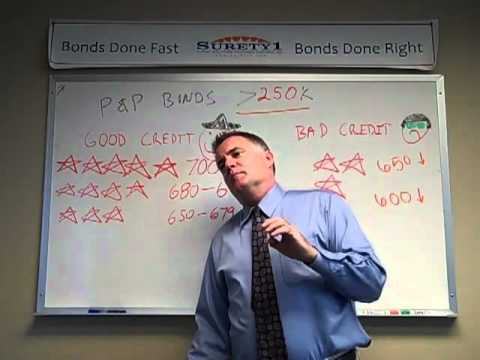
Performance bonds are a critical tool for contractors, ensuring project owners that the work will be completed as specified in the contract. For many small to medium-sized projects, a bond amount of $250,000 or less is standard. Obtaining one involves a clear process focused on your company’s financial health and track record.

Understanding the Requirements

Surety companies assess several key factors before issuing a bond. Your personal and business credit scores are heavily weighted, as they indicate financial responsibility. The company will also conduct a thorough review of your work history and professional references to evaluate past performance. Strong financial statements, including balance sheets and cash flow reports, are essential to demonstrate your firm’s stability and ability to manage the project’s scope.

The Step-by-Step Application Process

Start by gathering all necessary documentation, which typically includes business financials, personal financial statements, and details on the project requiring the bond. Next, you will complete a formal application provided by the surety or a broker. This application requests comprehensive details about your business operations and the specific contract. After submission, the surety’s underwriters will analyze your application; this underwriting process determines your premium rate and bond approval.

To streamline your application, consider these key preparatory steps:

  • Organize at least two years of business and personal tax returns.
  • Prepare year-to-date financial statements, preferably prepared or reviewed by an accountant.
  • Compile a detailed list of current work-in-progress and completed projects with contact information for references.
  • Obtain a copy of the contract requiring the bond to provide precise details to the underwriter.

Choosing the Right Surety Provider

Not all surety companies are the same. It is vital to work with a provider that specializes in bonds for contractors in your field and size range. A knowledgeable surety agent or broker can be an invaluable advocate, helping you present your business in the best light to underwriters. They understand the nuanced criteria different sureties use and can match you with the most appropriate market, which can significantly impact your premium costs and bonding capacity. For authoritative information on surety bonds, you can refer to the U.S. Small Business Administration website.

Costs and Timelines

The cost of a performance bond, known as the premium, is usually a small percentage of the total bond amount. For bonds of $250,000 or less, rates are generally competitive but depend directly on your financial strength and experience. The entire process, from application to approval, can often be completed within a few weeks if your documentation is complete and accurate. Planning ahead is crucial to meet contract deadlines without last-minute complications.

bookmark_borderThe Elements of a Performance Bond

A performance bond is a crucial financial instrument in the construction and contracting industries, designed to protect project owners from the risk of contractor default. It is a three-party agreement involving the principal (the contractor), the obligee (the project owner), and the surety (the bond issuer). This guarantee ensures that the obligee will be compensated if the principal fails to fulfill the contractual obligations outlined in the project agreement.

The primary purpose of a performance bond is to provide financial security and peace of mind to the project owner. It acts as a safeguard, ensuring that the project can be completed even if the original contractor cannot finish the work. This reduces financial risk and helps maintain project timelines, which is vital for the overall success and budget of any major undertaking.

Key Parties Involved

Understanding the roles of the three key parties is essential to grasping how a performance bond functions.

  • Principal: This is the contractor or company that is required to obtain the bond and is responsible for performing the contractual work.
  • Obligee: This is the project owner or entity that requires the bond for protection against potential losses due to non-performance.
  • Surety: This is the insurance company or financial institution that issues the bond and guarantees the principal’s performance to the obligee.

How Performance Bonds Work

The process begins when a project owner mandates a performance bond as part of the contract bidding requirements. Contractors then apply for the bond through a surety company, which conducts a rigorous evaluation of the contractor’s financial health, work history, and capacity to complete the project. This underwriting process is critical for the surety to assess risk. If the contractor defaults, the project owner can make a claim against the bond. The surety will then investigate the claim and, if valid, may finance the completion of the project by hiring a new contractor or provide financial compensation to the obligee.

For contractors, securing a bond often requires demonstrating a strong track record and solid financials. The surety’s prequalification process serves as a mark of credibility, signaling to project owners that the contractor is reliable and capable. This can provide a competitive advantage in the bidding process for substantial projects, particularly in the public sector where such bonds are frequently mandatory.

When considering a performance bond, it’s important to understand the specific obligations and potential liabilities. The bond amount is typically a percentage of the total contract value. The exact terms, including the scope of coverage and procedures for filing a claim, are detailed in the bond agreement itself. It is not an insurance policy for the contractor but a guarantee for the project owner.

To navigate the complexities of surety bonds, including performance and payment bonds, contractors and project owners can refer to resources from the U.S. Small Business Administration, which provides guidance on bonding requirements for federal contracts.

Benefits of Performance Bonds

Performance bonds offer significant advantages for all parties involved in a project. For project owners, the most direct benefit is risk mitigation. The bond provides a financial backstop, ensuring that funds are available to complete the project without significant additional cost to the owner in the event of contractor failure. This protection is invaluable for maintaining budget integrity and project schedules.

For contractors, while obtaining a bond is an obligation, it also serves as a powerful tool for business development. Being bondable enhances a contractor’s reputation and demonstrates financial stability and operational competence. It opens doors to larger, more lucrative projects, especially with governmental agencies or large corporations that require this form of security as a matter of policy.

Conclusion

In essence, a performance bond is more than just a contractual formality; it is a foundational component of risk management in project-based industries. By guaranteeing completion, it fosters trust between project owners and contractors, facilitates the financing of large-scale projects, and contributes to overall industry stability. Whether you are an owner seeking to protect your investment or a contractor aiming to grow your business, a thorough understanding of performance bonds is indispensable.

bookmark_borderGeneral Contractor Performance Bond Information

When you hire a general contractor for a major construction project, you need assurance they will fulfill their contractual obligations. A performance bond is a crucial financial guarantee that protects the project owner from losses if the contractor fails to complete the job or fails to meet the specifications outlined in the contract. It is essentially a three-party agreement between the project owner (obligee), the contractor (principal), and the surety company that issues the bond.

Unlike insurance, which protects the contractor, a performance bond specifically safeguards the client’s investment. If the contractor defaults, the surety company steps in to remedy the situation. This can involve financing the completion of the project with a new contractor, compensating the owner for financial losses, or both.

For many public projects, performance bonds are legally required. The federal Miller Act mandates bonds for public works contracts over a specific value, and many state-level “Little Miller Acts” have similar requirements for state and municipal projects. This ensures taxpayer funds are protected and projects are completed.

Obtaining a bond is not automatic. Surety companies rigorously evaluate a contractor’s financial health, work history, and management capabilities before underwriting a bond. This vetting process provides an additional layer of confidence for the project owner, as it means a third-party has validated the contractor’s stability and reliability.

Before finalizing any major construction contract, you should verify the bond’s validity. Confirm the details directly with the surety company, including the bond amount, project name, and effective dates. Do not rely solely on a certificate provided by the contractor.

  • Review the Bond Form: Ensure it’s the standard American Institute of Architects (AIA) or other accepted form, not a non-standard document that may limit coverage.
  • Check the Surety’s Rating: Verify the surety company’s financial strength rating from agencies like A.M. Best to ensure they can fulfill potential claims.
  • Understand the Claim Process: Know the specific procedures and timelines for filing a claim in the event of contractor default, as outlined in the bond document.

The cost of a performance bond, typically a percentage of the contract price, is usually borne by the contractor and factored into their bid. While it represents an added expense, the security it provides is invaluable for managing project risk and ensuring successful completion.

bookmark_borderProcare – Performance Bond Explained

What is a Performance Bond?

A performance bond is a type of surety bond that guarantees the completion of a project according to the terms of a contract. It is a crucial risk management tool for project owners, ensuring that a contractor will fulfill their obligations. If the contractor fails to perform, the surety company that issued the bond will step in to provide financial compensation or arrange for the project’s completion.

Why Are Performance Bonds Important?

Performance bonds protect the project owner from financial loss and project delays. They provide a layer of security and trust, which is essential in large-scale construction and development projects. By requiring a bond, owners can be more confident in selecting a contractor, knowing there is a backup plan. This assurance helps maintain project timelines and budgets, safeguarding the owner’s investment.

For contractors, having the ability to obtain a performance bond is often a prerequisite for bidding on major projects. It serves as a testament to their financial stability and professional credibility, demonstrating to clients that they are a reliable and qualified partner. This can be a significant competitive advantage in the bidding process.

How Does a Performance Bond Work?

The process involves three primary parties: the principal (contractor), the obligee (project owner), and the surety (the company issuing the bond). The contractor purchases the bond from the surety as a guarantee of their performance. If the contractor defaults, the project owner can make a claim against the bond. The surety will then investigate the claim and, if valid, provide financial recourse or arrange for another contractor to complete the work.

It is important to understand that a performance bond is not an insurance policy for the contractor. It is a guarantee to the project owner. The contractor remains ultimately liable for the costs associated with a claim, and the surety will typically seek reimbursement from them.

  • Pre-qualification: The surety conducts a thorough assessment of the contractor’s financial health, work history, and operational capacity.
  • Bond Issuance: Upon approval, the surety issues the bond, which becomes part of the project’s contractual documents.
  • Project Execution: The contractor proceeds with the work as outlined in the bonded contract.
  • Claim Handling: In the event of default, the obligee files a claim, triggering the surety’s obligation under the bond terms.

Performance Bonds vs. Other Bonds

While performance bonds are central to construction, they are often required alongside other surety instruments. A bid bond guarantees that a contractor will enter into a contract if their bid is accepted. A payment bond ensures that subcontractors and suppliers are paid for their labor and materials, which helps prevent mechanics liens on the property. Together, these bonds form a comprehensive protection package for complex projects. For more detailed definitions, you can refer to the U.S. Small Business Administration’s guide on surety bonds.

Getting a Performance Bond with Procare

Procare simplifies the process of obtaining a performance bond. Our experts work with a network of A-rated surety companies to secure the right bond for your project’s scope and value. We assist with the application and underwriting process, helping you present your business in the strongest possible light to achieve approval. Contact our team today to ensure your next project is fully protected and compliant with all contractual requirements.

bookmark_borderAssess a payment bond claim

When a contractor fails to pay subcontractors or suppliers, a payment bond can provide a crucial financial safety net. These bonds are a standard requirement on public construction projects under regulations like the Miller Act for federal contracts, ensuring that those who furnish labor or materials are protected. Understanding how to properly assess and file a claim against this bond is essential for securing the payment you are owed.

The first step in assessing a payment bond claim is to meticulously gather all project documentation. This includes the original contract, all change orders, daily reports, invoices, and proof of delivery for materials. Comprehensive documentation establishes the validity and scope of your claim, demonstrating the work performed or materials supplied.

Next, you must verify the bond’s details and confirm you are eligible to make a claim. Obtain a copy of the bond itself to identify the surety company, the bond number, and the principal (the contractor who obtained the bond). It is critical to act within the legally defined claim period, which is strictly enforced. For federal projects, the Miller Act stipulates that a claimant must provide written notice to the contractor within 90 days of last furnishing labor or materials, and any lawsuit must be filed within one year.

Once your documentation is in order and eligibility is confirmed, you should prepare and submit a formal, detailed claim to the surety company. This claim package should clearly outline the amount due, the basis for the claim, and include all supporting evidence. A well-prepared claim significantly increases the likelihood of a prompt and favorable resolution.

Successfully navigating a payment bond claim requires attention to several key procedural elements:

  • Timely Notice: Strictly adhere to all statutory deadlines for providing preliminary notice and filing the formal claim.
  • Detailed Records: Maintain organized records of all communications, contracts, invoices, and delivery tickets.
  • Professional Presentation: Submit a clear, concise, and professionally assembled claim package to the surety.
  • Legal Consultation: Consider consulting with an attorney specializing in construction law to ensure compliance with all complex statutory requirements.

Finally, if the surety denies your claim or fails to respond, be prepared to pursue legal action to enforce your rights. The bond is a legal instrument, and litigation may be necessary to recover your funds. An experienced construction attorney can guide you through this process, which may involve filing a lawsuit against the surety under the relevant bond statute. For more information on federal project requirements, you can refer to the Federal Acquisition Regulation (FAR).

bookmark_borderContractor bonds in Oregon

If you are a contractor in Oregon, you are likely familiar with the requirement to obtain a contractor bond. This financial guarantee is a key part of maintaining your license and operating legally within the state. It protects your clients by providing a recourse if you fail to adhere to contracting laws and regulations.

In Oregon, the specific bond amount is mandated by the Construction Contractors Board (CCB). This bond is a legal requirement for licensure, not an optional form of insurance. It serves as a safeguard for the public, ensuring that contractors fulfill their contractual obligations and adhere to state building codes.

When a valid claim is filed against your bond, the surety company will investigate and, if the claim is substantiated, provide financial compensation to the claimant. As the bonded contractor, you are then legally obligated to reimburse the surety company for the full amount paid out, plus any associated fees. This system underscores the bond’s role as a credit instrument rather than traditional insurance.

Maintaining an active and valid bond is absolutely critical for your business continuity. Allowing your bond to lapse or having excessive claims filed against it can result in severe penalties from the CCB, including license suspension or revocation. Proactive bond management is a fundamental aspect of professional risk management for contractors.

To ensure you remain in good standing, consider the following best practices for managing your contractor bond:

  • Set a calendar reminder for your bond renewal date well in advance of its expiration.
  • Review any claim notices immediately and communicate promptly with your surety provider.
  • Keep detailed records of all project contracts, communications, and completion certificates.
  • Understand the specific terms and conditions of your bond agreement thoroughly.

The process of obtaining a bond typically involves a surety company evaluating your personal and business financial health, including credit history and professional experience. For more detailed information on Oregon’s licensing and bonding regulations, you can refer to the official Oregon Construction Contractors Board website.

While the upfront cost is a factor, a contractor bond is a vital investment in your company’s credibility and legal compliance. It signals to potential clients that you are a serious professional committed to ethical business practices. Ultimately, it is a foundational component for building a reputable and sustainable contracting business in Oregon.

bookmark_borderSurety Bond – become a general contractor

Becoming a general contractor is a significant step in your construction career. It allows you to manage larger projects, hire subcontractors, and take on greater responsibility. However, with this opportunity comes the requirement to secure a surety bond, a critical component for licensing and business credibility.

A surety bond is a three-party agreement that guarantees your performance and adherence to state laws and building codes. It protects the project owner (obligee) from financial loss if you, the contractor (principal), fail to fulfill the contract terms. The surety company provides a financial guarantee to the obligee, creating a vital layer of trust and risk management in construction projects.

Most states mandate a surety bond for general contractor licensing. The bond amount varies by state and sometimes by the projected contract value. It’s not insurance for you; it’s a guarantee for your clients. If a claim is made and validated, you are legally obligated to reimburse the surety company for any losses paid out.

To secure a bond, you’ll apply through a surety company or agency. They will assess your personal and business financial health, including credit score, assets, and industry experience. A strong financial standing typically results in a lower premium, which is a small percentage of the total bond amount.

Maintaining your bond in good standing is essential for ongoing operations. This involves complying with all contract terms, paying subcontractors and suppliers promptly, and adhering to all relevant regulations. A single valid claim can jeopardize your bond status and your ability to secure future bonds, directly impacting your business viability.

Understanding the specific requirements in your state is the first practical step. For authoritative information on state-specific contractor licensing and bonding, you can consult the U.S. Small Business Administration’s guide.

Common reasons for bond claims include failure to complete a project, substandard work, or non-payment to subcontractors. These claims can lead to costly legal disputes and damage your professional reputation. Proactive contract management and clear communication are your best defenses against such issues.

Choosing the right surety provider is as important as getting bonded. Look for a company with expertise in construction bonds and a reputation for working with contractors to resolve issues before they become claims. A good surety partner acts as a valuable advisor, not just a financial guarantor.

  • Review State Regulations: Confirm the exact bond amount and licensing rules with your state’s contractor licensing board.
  • Organize Financial Documents: Prepare business financial statements, tax returns, and a personal credit report for the application.
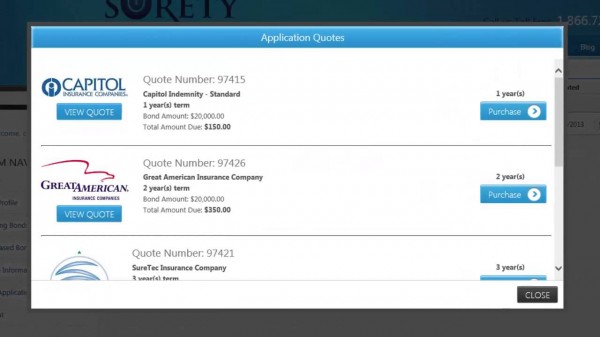
  • Compare Surety Quotes: Obtain proposals from multiple reputable surety companies to compare premiums and service terms.
  • Understand the Indemnity Agreement: Carefully review the contract where you agree to repay the surety for any claims paid.
  • Plan for Renewal: Note your bond expiration date and start the renewal process well in advance to avoid a lapse in coverage.

In conclusion, a surety bond is more than a regulatory hurdle—it’s a foundational element of a reputable contracting business. It demonstrates your financial reliability and commitment to ethical practices, enabling you to bid on larger projects and build trust with clients and partners.

bookmark_borderCalifornia contractor’s bond portal

Navigating the requirements for contractor licensing and bonding in California can be a complex process. The state mandates that most contractors secure a surety bond as a fundamental condition for obtaining and maintaining their license. This bond serves as a financial guarantee to protect the public and project owners from potential losses due to a contractor’s failure to adhere to laws and contractual obligations.

To streamline this essential procedure, the state provides a dedicated online resource. The California contractor’s bond portal is an official system designed for managing these surety bond filings efficiently.

Using the portal offers significant advantages over traditional paper-based methods. It allows for faster processing and submission of bond documents directly to the Contractors State License Board (CSLB). This digital approach reduces errors, provides immediate confirmation of receipt, and enhances overall compliance management for your business.

To get started, you will need your contractor license number and the specific details of your surety bond. The portal’s interface guides users through each step, ensuring all necessary information is captured accurately.

Before initiating the process, ensure you have the following information and documents readily available:

  • Your active CSLB-issued license number.
  • The exact legal name of the business entity as it appears on the license.
  • The bond number, issue date, and the name of the surety company providing the bond.
  • A digital copy of the executed bond form for reference during data entry.

It is crucial to understand that the bond itself is a three-party agreement between the contractor, the surety company, and the state. The portal acts as the critical submission channel, but the financial instrument must be secured from a licensed surety provider. Maintaining an active and adequate bond is not optional; it is a continuous legal requirement for licensed contractors to operate within the state.

Failing to maintain a valid bond can result in severe consequences, including the immediate suspension of your contractor’s license. This action can halt ongoing projects, lead to financial penalties, and damage your professional reputation.

For further assistance, the CSLB website offers detailed guides and a dedicated support line for licensing and bond inquiries. Proactively managing your bond through the official portal is a best practice for safeguarding your license and ensuring the long-term viability of your contracting business.

bookmark_borderHow to get a contractor bond in Oregon

What is a Contractor Bond?

A contractor bond is a type of surety bond that guarantees a contractor will comply with state laws and regulations governing their work. It acts as a three-party agreement between the contractor, the project owner or state (the obligee), and the surety company providing the bond. This financial guarantee protects clients and the public from potential financial loss due to incomplete work, code violations, or other breaches of contract.

Why Do You Need a Bond in Oregon?

In Oregon, contractor bonds are a mandatory requirement for obtaining and maintaining an active contractor’s license with the Oregon Construction Contractors Board (CCB). The state mandates this to ensure accountability within the construction industry. Without a valid bond, you cannot legally operate as a contractor on most projects within the state. The bond serves as a safeguard, providing a recourse for consumers if a licensed contractor fails to adhere to building codes, violates contract terms, or causes property damage.

Steps to Get Your Oregon Contractor Bond

The process involves several key steps. First, you must determine the exact bond amount required for your specific license classification. Next, you need to apply with a licensed surety bond provider. The surety will evaluate your application, focusing primarily on your personal credit score and financial stability to assess risk. Once approved, you pay the premium, which is a percentage of the total bond amount. Finally, the surety issues the bond, and you must file the original document with the CCB to complete your licensing requirement.

To streamline your application, ensure you have the following information and documents ready:

  • Your Oregon CCB license number or application details.
  • Your Social Security Number for a credit check.
  • Business financial statements or proof of assets (if applicable).
  • A completed surety bond application form.

How Much Does a Contractor Bond Cost?

The cost is not the full bond amount. Instead, you pay an annual premium, typically between 1% and 5% of the total bond value. For example, if your required $20,000 bond carries a 3% premium, your cost would be $600 per year. Premium rates are determined by the surety based on the perceived risk of the applicant. Applicants with strong personal credit and solid financials generally qualify for the lowest premium rates, while those with credit challenges may pay a higher percentage.

Maintaining Your Bond Compliance

After obtaining your bond, you must maintain it in good standing for the entire duration of your license. It is crucial to renew your bond before its expiration date to avoid a lapse in coverage, which could result in license suspension. Any claims filed against your bond must be addressed promptly. If a valid claim is paid by the surety, you are legally obligated to reimburse the surety company for the full amount, as the bond is a form of credit extended on your behalf.

bookmark_borderOR Contractor license bond – in minutes

If you’re a contractor in Oregon, you know that a license bond is a non-negotiable requirement for operating legally. This financial guarantee protects your clients by ensuring you adhere to state regulations and contractual obligations. At Surety Bond Authority, we specialize in providing these essential bonds quickly and efficiently, often in just minutes.

What is an Oregon Contractor License Bond?

An Oregon contractor license bond is a type of surety bond required by the Oregon Construction Contractors Board (CCB). It acts as a three-party agreement between you (the contractor/principal), the state (the obligee), and our surety company. The bond guarantees your compliance with Oregon’s contractor laws, including building codes and business practices. If you fail to meet these standards, a claim can be filed against the bond for financial compensation.

Why You Need This Bond

Securing this bond is mandatory for licensure, demonstrating your professionalism and financial responsibility to both the state and your potential clients. It provides a layer of security for your customers, assuring them that they have recourse if the agreed-upon work is not completed properly or according to code. Without a valid bond, you cannot obtain or renew your contractor license in Oregon, which halts your ability to work legally on projects.

How to Get Your Bond in Minutes

Our streamlined process is designed for speed and simplicity. We’ve eliminated unnecessary paperwork and lengthy approvals that are common with traditional providers.

  • Complete our online application: Provide basic business and personal details—it only takes a few minutes.
  • Receive your quote instantly: Our system reviews your information and generates a competitive rate in real time.
  • Review and purchase: Accept your quote, make a secure payment online, and receive your bond documents immediately.

We leverage advanced underwriting to assess risk efficiently, allowing us to approve most applicants instantly. This modern approach means you can fulfill your state requirement and get back to running your business without delay.

Cost of an Oregon Contractor License Bond

The premium you pay is a small percentage of the total bond amount, which is set by the state. This cost is primarily determined by a soft credit check, which does not impact your credit score. Applicants with strong credit typically receive the most favorable rates. Our transparent pricing model ensures there are no hidden fees, so the quote you see is exactly what you pay.

Frequently Asked Questions

What if a claim is filed against my bond? You, as the bonded contractor, are ultimately responsible for any valid claims. This means you would need to reimburse the surety company for any damages paid out to a claimant. Maintaining ethical business practices is the best way to avoid claims.

Is this the same as insurance? No, a surety bond is not insurance. Insurance protects you against losses, while a bond is a guarantee that protects your clients and the public by ensuring you follow licensing laws and contract terms.

How long does the bond last? Your contractor license bond must remain active and in good standing for the entire duration of your CCB license. You will need to renew it concurrently with your license to maintain compliance.

bookmark_borderWhat is a performance and payment bond?

Understanding the Two-Part Guarantee

A performance and payment bond is a two-part guarantee often required on public construction projects. It protects the project owner from financial loss if the contractor fails to complete the job or doesn’t pay subcontractors and suppliers. This type of bond is a critical risk management tool in the construction industry.

Performance Bond: The Completion Guarantee

The performance bond part ensures the project will be finished according to the contract terms. If the contractor defaults, the surety company steps in to arrange for the project’s completion. This might involve hiring a new contractor or providing financial compensation to the owner.

Payment Bond: The Subcontractor & Supplier Protection

The payment bond part guarantees that the contractor will pay for all labor, materials, and subcontractors used on the project. This protects lower-tier participants from non-payment. If the contractor doesn’t pay, those parties can make a claim against the bond.

Why These Bonds Are Required

Public projects, like those for state or federal governments, almost always require these bonds by law. This requirement, established by acts like the Miller Act for federal projects, safeguards taxpayer dollars. Private project owners may also require them to mitigate financial risk.

For contractors, securing these bonds involves an underwriting process where the surety assesses the company’s financial health, work history, and project management capabilities. This vetting provides an additional layer of assurance to the project owner about the contractor’s reliability.

Key Differences From Other Bonds

It’s important not to confuse performance and payment bonds with a simple license bond. A license bond is a smaller, generic bond often needed to get a business license. A performance and payment bond is a specific, project-specific guarantee of contract fulfillment and payment.

Who Are the Key Parties Involved?

Three main parties are involved in every performance and payment bond:

  • The Principal: The contractor who purchases the bond and is obligated to perform the work and make payments.
  • The Obligee: The project owner (e.g., a government entity) who requires the bond and is protected by its guarantee.
  • The Surety: The bonding company that issues the bond and financially backs the promise, stepping in if the principal defaults.

The Bottom Line

In essence, a performance and payment bond is a crucial safety net. It ensures a construction project is completed and everyone involved gets paid, providing security for the public or private owner and promoting fairness within the construction supply chain.

bookmark_borderWhat effect does the Detroit Bankruptcy have on contractors and surety bond rates, part 1

The 2013 bankruptcy of the City of Detroit was the largest municipal bankruptcy in U.S. history at the time, creating a complex financial landscape that continues to influence the local construction and contracting sector. For contractors, the bankruptcy’s legacy means navigating a public works environment shaped by stringent fiscal oversight and altered procurement processes. This new reality directly impacts project availability, payment security, and the cost of essential surety bonds.

One of the most significant and lasting effects has been on the municipal bonding process. The city’s financial collapse severely damaged its creditworthiness, making it a higher-risk entity in the eyes of surety companies. As a result, surety bond providers now scrutinize Detroit public works contracts with greater caution. This increased risk assessment often translates to higher premium rates for contractors bidding on city projects, as sureties seek to mitigate their potential exposure. Furthermore, sureties may impose stricter qualification requirements, such as demanding stronger financial statements or more extensive project experience, before issuing a bond.

For contractors, this environment necessitates a more strategic approach to bidding. It is no longer just about having the lowest bid; it’s about demonstrating financial stability and a proven track record to both the city and the surety provider. Contractors must be prepared to present robust documentation and may need to allocate more capital to cover increased bonding costs. Proactively building relationships with surety brokers who understand the post-bankruptcy climate is a critical step for securing work.

  • Review Project Payment Structures: Scrutinize the payment terms and funding sources for any city project, as some may be tied to specific post-bankruptcy financing mechanisms.
  • Enhance Financial Documentation: Prepare detailed, up-to-date financial statements and work-in-progress reports to satisfy heightened surety due diligence.
  • Factor in Bonding Costs Early: Include potential increases in surety bond premiums during the initial bid preparation phase to maintain profitability.
  • Seek Specialized Advice: Consult with a surety broker or attorney experienced in Michigan municipal contracts to navigate the unique clauses and requirements.

Beyond bonding, the bankruptcy reshaped how projects are funded and administered. Many initiatives now rely on grants, state funds, or public-private partnerships rather than the city’s general fund. This shift can affect project timelines and payment schedules, adding another layer of complexity for contractors. Understanding the specific funding source for a contract is essential for assessing its stability and risk profile. For an in-depth look at the legal and financial dimensions of the case, you can review the official documentation on the State of Michigan’s website.

In conclusion, the Detroit bankruptcy created a more cautious and financially rigorous environment for public works contracting. While opportunities exist, they come with higher costs and stricter requirements, particularly in the surety bond market. Contractors who adapt by strengthening their financial position and deepening their understanding of the new rules will be best positioned to succeed. In Part 2, we will examine specific case studies of projects awarded since the bankruptcy and analyze trends in bond rate fluctuations.

bookmark_borderWhat effect does the Detroit Bankruptcy have on contractors and surety bond rates, part 2

In the wake of the largest municipal bankruptcy in U.S. history, contractors operating in and around Detroit faced a uniquely challenging financial landscape. The city’s fiscal restructuring created significant uncertainty for public works projects, directly impacting the surety bond market that guarantees their completion.

One of the most immediate effects was a heightened perception of risk among surety bond underwriters. Underwriters became exceedingly cautious, scrutinizing a contractor’s financial health, work history, and liquidity with unprecedented rigor before issuing bonds for Detroit-related public contracts. This increased due diligence often translated into higher bond premiums for contractors, as sureties sought to mitigate their exposure to a municipality emerging from Chapter 9. The U.S. Courts provide detailed resources on bankruptcy proceedings, including Chapter 9 for municipalities.

Furthermore, the bankruptcy disrupted the normal flow of payments on existing projects. Contractors experienced delays in receivables as the city managed its cash flow under court supervision. This strain on working capital made it even more difficult for contractors to meet the stringent financial ratios required by surety companies, creating a difficult cycle where payment delays weakened the very financial metrics needed to secure future bonding.

To navigate this environment successfully, contractors had to adopt more proactive and transparent financial practices. Proving stability became paramount.

  • Enhanced Financial Documentation: Maintaining meticulous, up-to-date financial statements and clear cash flow projections was essential to demonstrate reliability to underwriters.
  • Early and Detailed Communication with Sureties: Proactively discussing project pipelines, potential risks, and mitigation strategies with bond agents helped build trust and manage expectations.
  • Diversification of Project Portfolio: Seeking a balance of public and private work, or projects outside the immediate Detroit area, helped reduce overexposure to the municipal market’s volatility.

Looking beyond the immediate crisis, the Detroit bankruptcy served as a stark case study for contractors nationwide. It underscored the critical importance of understanding the financial health of the project owner, not just the project itself. A municipality’s creditworthiness became a key factor in a contractor’s own risk assessment and bonding capacity. While the Detroit market has stabilized, the lessons learned about financial preparedness, surety relationships, and market diversification remain vital for contractors facing any form of economic uncertainty in the public sector.

bookmark_borderEffect of Bankruptcy on surety bond rates

When a contractor or business principal files for bankruptcy, it sends a significant signal to the surety market. This financial event is a major red flag for surety bond underwriters, who are in the business of assessing and pricing risk. The core concern is the increased likelihood of a future bond claim, as bankruptcy is a strong indicator of financial distress and potential instability in fulfilling contractual obligations.

Consequently, surety bond rates for a company or individual with a bankruptcy on record will typically be higher. The exact increase can vary dramatically based on the type of bankruptcy filed (Chapter 7, 11, or 13), the time elapsed since discharge, and the overall financial rehabilitation demonstrated since the event. Underwriters will scrutinize the circumstances surrounding the bankruptcy and the steps taken to rebuild credit and operational stability.

For more detailed information on the different types of bankruptcy and their legal implications, you can refer to the United States Courts website.

It is not just the rates that are affected. The very availability of bonding can become a challenge. Some sureties may have internal policies that outright decline applications from principals with a recent bankruptcy, regardless of the rate offered. Others may require additional collateral or personal indemnity agreements to offset the perceived risk.

To improve your chances of securing a bond after bankruptcy, be prepared to provide a comprehensive explanation and evidence of recovery. Key steps in this process often include:

  • Obtaining a formal discharge document from the bankruptcy court.
  • Developing a detailed narrative explaining the cause of the bankruptcy and the measures taken to ensure it won’t recur.
  • Compiling several years of strong, post-bankruptcy financial statements and tax returns.
  • Securing positive references from clients, suppliers, and financial institutions.
  • Demonstrating a consistent track record of successfully completed projects since the financial restructuring.

Ultimately, transparency and demonstrable financial recovery are paramount. While a bankruptcy will impact your surety bond costs and options, it does not permanently disqualify you from obtaining the necessary bonds to operate and grow your business. Working with a knowledgeable surety bond agent who has experience with challenging cases is often the most effective strategy for navigating this complex situation.

bookmark_borderMy contractor never provided proof of a termite bond

Discovering that your contractor never provided proof of a termite bond can be a significant and costly oversight. This document is a transferable warranty that protects your property from future termite damage, and its absence leaves you financially exposed. Without this bond, you are solely responsible for the cost of any future termite treatments and repairs to structural damage caused by these pests.

Your first step should be to formally request the bond documentation from your contractor in writing, creating a clear paper trail. If they are unable or unwilling to provide it, you may need to explore legal avenues. Consulting with a real estate attorney can help you understand your rights and the feasibility of pursuing a breach of contract claim.

To prevent this situation, always verify a contractor’s credentials and insist on receiving proof of all warranties and bonds before final payment is released. A reputable professional will readily provide these documents as a standard part of their service.

It is also highly advisable to commission your own termite inspection by a licensed pest control company before closing on a new home or major renovation. This independent assessment can identify any current activity and ensure the property is properly protected, giving you peace of mind and a solid baseline for your own bond.

What to Do If the Bond is Missing

If the bond cannot be obtained from the original contractor, you must take proactive measures to secure your investment.

  • Contact reputable pest control companies to obtain quotes for a new termite bond on your property. Be prepared to pay for a full inspection first.
  • Research your state’s contractor licensing board to file a formal complaint, which can prompt action and alert other homeowners.
  • Check if your homeowner’s insurance offers any coverage or guidance for termite damage, as most standard policies exclude it, underscoring the bond’s critical importance.

Ultimately, the financial burden of termite damage can be staggering, often running into tens of thousands of dollars for structural repairs. Proactive verification is not just a recommendation—it is an essential step in responsible homeownership. For more information on termite prevention and control, you can refer to resources from the U.S. Environmental Protection Agency.

bookmark_borderPayment bond claims – Part 1

Payment bonds are a critical financial instrument in the construction industry, designed to protect subcontractors and suppliers from non-payment. They are typically required on public projects under laws like the federal Miller Act, which mandates bonds for contracts exceeding $100,000. For private projects, similar protection is often provided by state “Little Miller Acts” or other statutory frameworks. Understanding the specific bond requirements for your project type is the essential first step in securing your right to payment.

When a general contractor or property owner fails to pay, the payment bond serves as a guaranteed source of funds. To access this guarantee, a claimant must follow a strict legal process, which includes providing detailed, timely notice to the correct parties. The requirements for this notice—including its content, delivery method, and deadline—are dictated by the bond’s terms and the governing statute, making precision and compliance non-negotiable.

Common pitfalls in the claims process include missing critical deadlines, failing to properly serve the surety, or submitting incomplete documentation. Each of these errors can jeopardize an otherwise valid claim. It is highly advisable to consult with an attorney who specializes in construction law to navigate this complex procedural landscape and protect your financial interests.

To ensure your claim is prepared correctly, gather the following essential items:

  • A complete copy of the payment bond form.
  • Detailed records of all labor, materials, or equipment furnished.
  • Copies of all invoices and proof of delivery.
  • Documentation of any previous communications and formal notices sent.

For more detailed information on the federal regulations governing payment bonds on public works projects, you can refer to the Federal Acquisition Regulation (FAR) Part 52, which outlines standard bonding clauses. Successfully navigating a payment bond claim requires meticulous attention to both the facts of your case and the legal procedures that govern recovery.

bookmark_borderWhat effect does the Detroit Bankruptcy have on contractors and surety bond rates, part 1

In 2013, the city of Detroit filed for Chapter 9 bankruptcy, marking the largest municipal bankruptcy filing in U.S. history at the time. This event sent shockwaves through the municipal bond market and had a profound impact on the local and regional construction industry. For contractors and developers working on public projects, the bankruptcy created a climate of significant financial uncertainty and risk.

The immediate effect was a freeze on many city-funded projects. Payments to contractors were delayed, and new projects were put on indefinite hold. This sudden stop in the municipal project pipeline forced many construction firms to seek work in the private sector or other municipalities, creating increased competition and tighter margins. The bankruptcy proceedings, which involved complex negotiations with creditors, cast a long shadow over the city’s ability to fulfill its financial obligations, including those to contractors.

This environment of heightened risk directly influences surety bond underwriting. Surety companies assess the financial stability of the obligor—in this case, the City of Detroit—when evaluating bond applications for its projects. A bankrupt municipality is viewed as a much higher risk. To mitigate this exposure, sureties often adjust their requirements and pricing for contractors bidding on work for the city, even after it emerges from bankruptcy.

Contractors may face several specific challenges when securing bonds for projects in a post-bankruptcy environment like Detroit’s:

  • Increased Scrutiny: Sureties will conduct more rigorous evaluations of a contractor’s financial health, work history, and liquidity.
  • Higher Bond Premiums: The perceived risk of non-payment by the city can lead to significantly higher bond costs.
  • Reduced Bonding Capacity: A surety might limit the total amount of work they will bond for a contractor in that municipality, affecting the scale of projects they can pursue.
  • Stringent Collateral Requirements: Requests for personal or corporate collateral to secure the bond become more common.

Understanding the legal framework of municipal bankruptcy is key. Chapter 9 of the U.S. Bankruptcy Code is specifically designed for municipalities and differs significantly from Chapter 11 reorganizations for businesses. This process allows cities to restructure their debts, which can include renegotiating or rejecting contracts, a fact that directly concerns bonded contractors. For a detailed overview of the process, you can refer to the U.S. Courts’ explanation of Chapter 9.

The legacy of the bankruptcy continues to affect contractor decision-making. While the city has officially exited bankruptcy, the memory of payment delays and project cancellations persists. Many contractors now factor in a “risk premium” when bidding on Detroit public works projects, accounting for potential bond cost increases and the historical financial instability. This can make bids less competitive or lead some firms to avoid city projects altogether, impacting the pool of available contractors and potentially project costs for the city.

In part two of this series, we will explore the long-term implications for the regional surety market and strategies contractors can employ to strengthen their position when bonding for projects in financially distressed municipalities.

bookmark_borderBonds – Jeffrey Gundlach – bonds and mathematics

Jeffrey Gundlach, the founder of DoubleLine Capital, is a prominent figure in the fixed-income world. His analysis often emphasizes the mathematical principles that underpin bond valuation and market behavior. Understanding these core mathematical relationships is essential for any investor navigating the bond markets.

Gundlach frequently discusses concepts like yield, duration, and convexity. These are not just abstract terms but are critical for assessing a bond’s price sensitivity to changes in interest rates. A firm grasp of this quantitative framework allows investors to better manage risk and identify relative value across different fixed-income securities.

For those looking to deepen their understanding of these foundational concepts, the U.S. Securities and Exchange Commission’s investor education site offers valuable resources on bond basics and investment mathematics.

When analyzing bonds, several key mathematical factors must be considered simultaneously:

  • Yield to Maturity (YTM): The total annual return anticipated if the bond is held until it matures, accounting for its current market price, par value, coupon interest, and time to maturity.
  • Duration: A measure of the bond’s sensitivity to interest rate changes, expressed in years. It estimates how much the price of a bond will change given a 1% shift in interest rates.
  • Convexity: A measure that refines the price change estimate provided by duration, accounting for the fact that the relationship between bond prices and yields is curved, not linear.

His commentary often extends to macroeconomic trends and their mathematical implications for interest rates. Gundlach’s approach demonstrates how quantitative analysis is applied to forecast market movements and construct resilient portfolios. This mathematical rigor provides a disciplined framework for interpreting complex market signals and making informed investment decisions.

bookmark_borderSurety Bond – What is a bond?

Surety bonds are a critical financial instrument used to guarantee performance, compliance, or payment in a wide range of business and legal contexts. Unlike insurance, which protects the policyholder, a surety bond protects the party requiring the bond (the obligee) by ensuring the bonded party (the principal) fulfills their obligations.

If the principal fails to meet the terms, the obligee can file a claim against the bond to recover financial losses. The surety company that issued the bond will investigate the claim and, if valid, provide compensation to the obligee. The principal is then legally obligated to repay the surety company for the claim amount, plus any fees.

How Does a Surety Bond Work?

The surety bond process involves three key parties, creating a unique three-party agreement. This structure is fundamental to how risk is managed and obligations are enforced.

  • The Principal: The individual or business required to obtain the bond and who is obligated to perform the specific task or comply with the law.
  • The Obligee: The entity (often a government agency or project owner) that requires the bond and is protected by its guarantee.
  • The Surety: The insurance company or bonding agency that underwrites and issues the bond, guaranteeing the principal’s performance to the obligee.

This three-party system ensures that projects and contracts proceed with a verified guarantee of completion and compliance, which is why bonds are mandated for many licensed professions and public projects. For a formal definition and broader context, you can refer to the U.S. Department of the Treasury’s surety bond page.

Common Types of Surety Bonds

Surety bonds fall into several main categories, each serving a distinct purpose in commerce and regulation. Contract bonds guarantee the performance of contractors on construction projects, ensuring they adhere to bid specifications and complete the work. Commercial bonds are often required by government agencies to ensure businesses comply with laws and regulations, protecting the public from financial harm. Court bonds are used in judicial proceedings to secure potential losses from legal actions, such as appealing a court decision.

Understanding the specific bond required for your situation is essential. The underwriting process evaluates the principal’s creditworthiness, financial strength, and industry experience. Strong credentials typically result in a lower premium cost, which is a percentage of the total bond amount.

When selecting a surety provider, it is crucial to partner with a reputable and experienced company. A reliable surety offers not just a bond, but also expert guidance through the application process and support in the event of a claim, ensuring your business can meet its obligations efficiently.