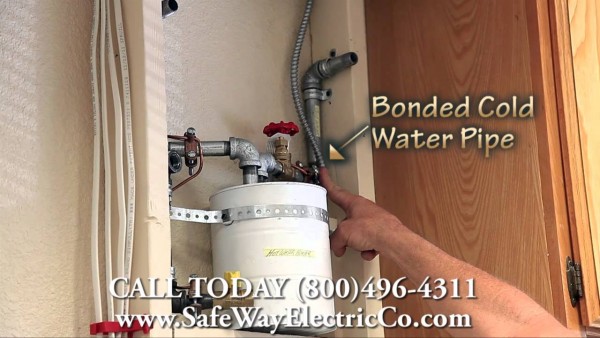
Grounding and bonding are safety measures that protect electrical systems by providing a safe path for stray current to travel, preventing shocks and fires.
Understanding the grounding and bonding of your electrical system is a critical aspect of property safety and functionality. These two distinct but interconnected concepts work together to protect people and equipment from electrical faults and potential fire hazards.
The license is not the bottleneck your bond is
Most contractors focus on passing the trade exam, but the real delay is the surety bond underwriting. The state requires the bond, but the surety company requires a deep review of your personal credit, business financials, and project history. A low credit score or thin business file can trigger requests for additional collateral or personal indemnity, stalling the entire license application. What usually slows this down is applicants submitting incomplete financial statements or underestimating how their personal credit impacts the premium.
- Order your bond before your exam to lock in your rate and avoid last-minute underwriting surprises.
- Prepare two years of business and personal tax returns upfront—missing documents are the most common cause for delay.
- A credit score below 650 will likely require a financial statement and may increase your bond premium by 25-50%.
The Purpose of Grounding
Grounding provides a safe, intentional path for stray electrical current to follow directly into the earth. This is typically achieved by connecting the electrical system to a grounding electrode, such as a metal rod driven into the soil. In the event of a fault, like a loose wire touching a metal appliance casing, grounding directs the dangerous current away from you and safely into the ground, which can prevent severe electric shock. This established path allows circuit protection devices to operate quickly and interrupt the flow of electricity, thereby minimizing the duration of exposure to hazardous voltage.
The Purpose of Bonding
Bonding ensures all metal components and conductive surfaces in a structure are electrically connected. This includes water pipes, gas lines, metal ductwork, and appliance enclosures. By bonding these elements together with a conductor like bare copper wire, you eliminate dangerous voltage differences between them. This crucial step prevents a shock hazard that could occur if you were to touch two objects at different electrical potentials simultaneously. In practice, bonding also plays a vital role in ensuring that overcurrent protection devices, such as circuit breakers, operate correctly; without a low-impedance bond between conductive parts, a fault may not draw enough current to trip the breaker, leaving a dangerous condition undetected.
For authoritative guidance on safe electrical installations, professionals often refer to the National Electrical Code (NEC), which sets the benchmark for grounding and bonding practices. You can review the code’s scope and purpose through resources like the National Fire Protection Association.
Key Differences Between Grounding and Bonding
While both are essential for safety, their primary functions differ:
- Grounding is about creating a path to the earth to dissipate fault current.
- Bonding is about connecting metal parts to ensure they are at the same electrical potential.
Think of grounding as the emergency exit for electricity, while bonding ensures the entire building is on the same “team,” so no single part becomes a lethal, energized island during a fault. A common mistake in older installations is assuming that a grounded outlet implies proper bonding; however, if metal conduit or piping is used as the sole grounding path, corrosion or loose fittings can silently compromise the connection. Periodic verification of continuity across bonded components is a prudent step that many property owners overlook.
Why It Matters for Your Home or Office
A properly grounded and bonded system is not just a technical requirement; it is a fundamental safeguard. It protects individuals from electrocution, shields sensitive electronic equipment from damage caused by power surges, and significantly reduces the risk of electrical fires. Without these protective measures, a simple wiring fault could energize metal surfaces you touch daily, such as a faucet or a computer case, leading to a dangerous or even fatal shock.
Ensuring Your System is Safe
Grounding and bonding should always be installed and verified by a qualified, licensed electrician. They have the expertise and tools to ensure your system complies with the National Electrical Code and local regulations. If you live in an older building or are experiencing signs of electrical problems—such as frequent breaker trips, tingling sensations from appliances, or burning smells—you should schedule a professional inspection immediately to assess the integrity of your grounding and bonding.
Regular maintenance and awareness of your electrical system’s condition are vital. Consider having a professional evaluation if you are planning a major renovation, adding significant new loads like an EV charger, or if your system has never been inspected. During such evaluations, electricians typically use a ground fault impedance tester to measure the resistance of the grounding path; readings above 25 ohms may indicate a degraded electrode or poor soil contact, which warrants corrective action to maintain reliable fault clearing performance.