Tulsa requires contractors, utility companies, and developers to secure a temporary street use indemnity bond before digging up or occupying public rights-of-way, ensuring the city isn't left with repair costs. This financial guarantee holds crews accountable for restoring streets, sidewalks, and alleys to their original condition, protecting taxpayers from dangerous potholes and costly fixes.
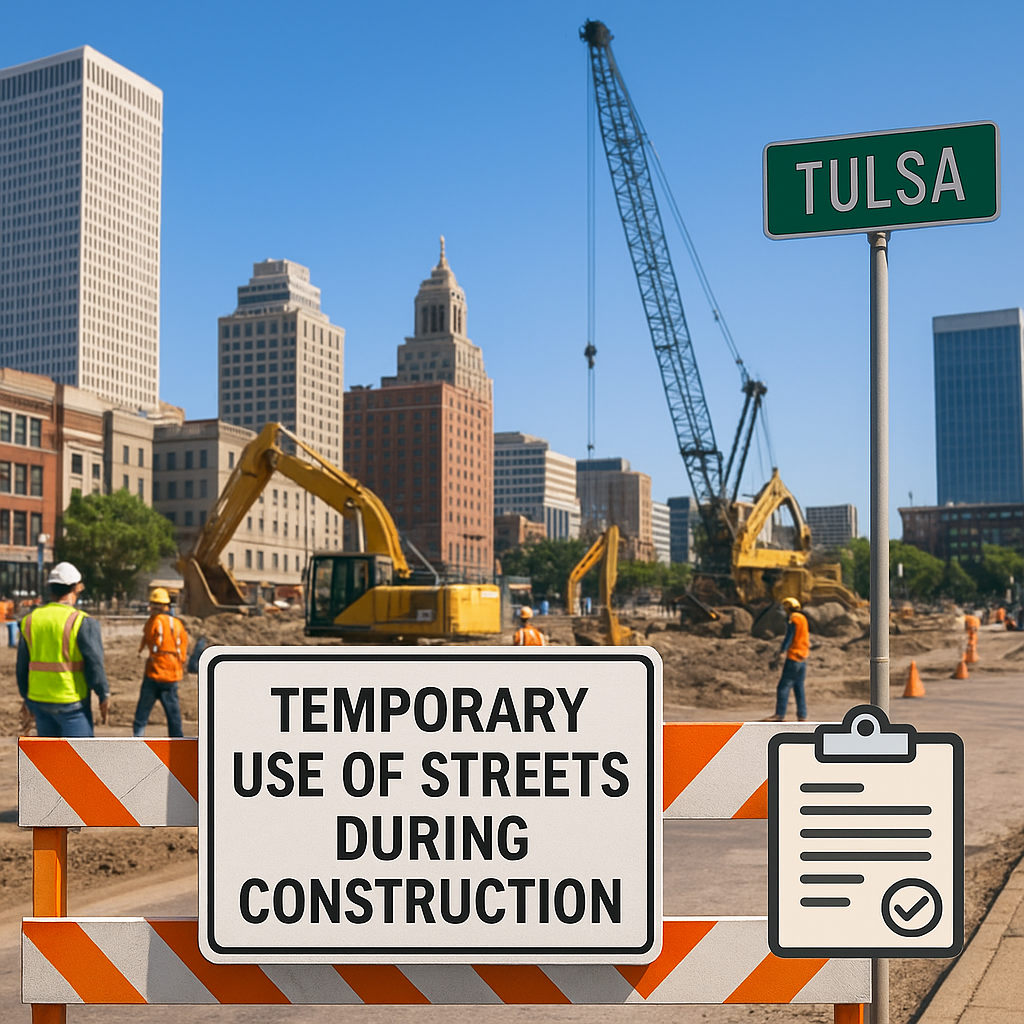
Have you ever driven past a construction site and wondered what it takes for a crew to tear up a public street right in front of your neighborhood? If you’re a contractor, a utility company, or a developer in Tulsa, Oklahoma, there’s a good chance you’ll need to secure a Tulsa temporary use of streets during construction indemnity bond before you break ground. This isn’t just another piece of paperwork. It’s a promise that the community’s roads will be put back together safely and correctly.
But what exactly is this bond, and why does the City of Tulsa require it? Let’s walk through everything you need to know in plain, easy-to-understand language. Whether you’re a seasoned contractor or a homeowner curious about the work happening on your street, this guide will help you see the big picture.
Assuming your bond cost is just a simple percentage
The most costly mistake is thinking your Oregon contractor license bond premium is a fixed rate like 1% or 2% of the bond amount. In practice, your final cost is determined by an underwriter reviewing your personal credit score, financial statements, and business history. Applicants with lower credit often pay 3-5% or more. What slows this down is not having your financials ready. The part most applicants underestimate is how much a strong credit profile can reduce your annual premium.
- Your personal credit score is the primary factor in your final rate.
- Have 2 years of business and personal financial statements prepared for review.
- A higher bond amount doesn't mean a proportionally higher cost; underwriting is key.
What Is a Temporary Use of Streets Indemnity Bond?
Think of this bond as a safety net, or better yet, a serious pinky promise backed by money. When a project needs to dig up, block, or otherwise occupy a public right-of-way—like a street, sidewalk, or alley—the City of Tulsa wants to make sure taxpayers won’t get stuck with the repair bill if something goes wrong.
An indemnity bond is a legal agreement between three parties: the contractor (you), the City of Tulsa, and a surety company. You promise to follow all the rules, complete the work, and restore the street to its original condition. If you don’t, the surety steps in to cover the city’s costs, and then you pay the surety back. It’s not insurance for the contractor; it’s protection for the city and everyone who uses that public space.
Why Does the City of Tulsa Require This Bond?
Imagine a world without this requirement. A crew cuts open a busy road to repair a water main, patches it up in a hurry, and a few months later the asphalt sinks, creating a dangerous pothole. The city now has to spend public money to fix a mess it didn’t create. That’s exactly the scenario Tulsa is trying to avoid.
The bond requirement helps keep things fair and safe. It acts as a financial guarantee that the people doing the work are accountable for their impact on public property. It’s similar to a landlord collecting a security deposit before you move into an apartment. If you leave the place spotless, you get your deposit back. If you damage the walls, the landlord uses the deposit to cover the repairs. Here, if you restore the street properly, the bond is eventually released. If you don’t, the city can make a claim.
Who Needs a Temporary Street Use Bond in Tulsa?
This bond isn’t just for massive highway expansions. Many different types of projects trigger the requirement whenever they encroach on a public right-of-way. You’ll likely need one if you fall into any of these categories:
- Utility contractors installing or repairing sewer lines, water pipes, gas mains, or fiber optic cables.
- General contractors whose jobsites require a construction entrance that crosses a sidewalk or closes a lane of traffic.
- Excavation and site development crews that need to store materials or equipment on the street temporarily.
- Telecommunication companies setting up new infrastructure beneath the pavement.
- Private homeowners? Rarely, but if a large-scale residential project requires blocking a street for an extended period, the city may ask for a bond through the hired contractor.
Essentially, if your work disturbs the normal flow of pedestrians or vehicles on public property, you’ll want to check with the City of Tulsa’s permit office to see if an indemnity bond is part of the deal.
How the Permit and Bond Process Works
Navigating city regulations can feel like learning a new language. Fortunately, the steps are pretty straightforward once you break them down. Here’s a simple walkthrough of what happens from start to finish:
1. Apply for the Right-of-Way Permit
Before you ever touch the street, you need a right-of-way permit from the City of Tulsa. You’ll submit plans that show exactly where you’ll be working, how long you’ll occupy the space, and what traffic control measures you’ll use. The city reviews your application to make sure everything meets their engineering standards.
2. Determine the Required Bond Amount
The city will tell you the penal sum of the bond, which is the maximum amount the surety might have to pay out. This figure often depends on the scale of the excavation, the type of street (a quiet residential lane vs. a major arterial road), and the estimated cost to restore it. It could be a few thousand dollars for a small cable trench, or much higher for a large utility crossing.
3. Secure the Bond from a Surety Agency
Once you know the exact bond amount, you’ll contact a licensed surety bond provider. You’ll fill out an application, and the surety will check your credit and business history. Don’t let the word “check” scare you. Many bonds are available at a flat rate for well-qualified applicants. The cost you pay is a small percentage of the total bond amount, often called the premium. You don’t need to pay the full, say, ten-thousand-dollar bond upfront.
4. File the Bond with the City
Your surety agency will give you the official bond form. You’ll sign it as the principal, and then you’ll submit the original document to the City of Tulsa along with your permit fee and any other required paperwork. The city won’t finalize your permit until they have that active bond on file.
5. Complete the Work and the Inspection
You do the job, you fix the street, and you clean up. Once your work is done, a city inspector visits the site to verify that the restoration meets Tulsa’s standards. They’ll check the pavement thickness, smoothness, and whether temporary patches are holding up.
6. Release and Exoneration
After the inspector gives a thumbs-up, and sometimes after a short maintenance period to make sure the repair settles well, the city will formally release the bond. This means your obligation is complete, and the surety closes the file. No more paperwork hanging over your head.
Key Details You Should Know Before You Sign
A few finer points often trip people up. Here’s a quick cheat sheet for the City of Tulsa temporary use of streets indemnity bond:
- It’s indemnity, not performance. This bond specifically protects the city against financial loss from damage to the right-of-way. It does not guarantee you’ll finish the private construction job for the property owner. That would be a separate performance bond.
- The city is the sole beneficiary. The bond names the City of Tulsa, Oklahoma, as the obligee. If a citizen’s car hits a pothole from your failed patch, the citizen claims against the city, and the city may then claim against your bond. The citizen can’t directly file a claim on your surety bond.
- Duration matters. The bond generally stays in effect until the city issues a written release. If your project drags on longer than expected, you may need to renew the bond or extend the permit, which could involve an additional premium.
- Electronic bonds are often accepted. In today’s digital world, many sureties can issue bonds electronically, and the Tulsa permitting office can accept them. No need to mail paper every time.
What Happens if There’s a Problem or a Claim?
Let’s paint a picture. You finish your waterline repair, but a few heavy rains wash out the unstable backfill. A sinkhole forms. The City of Tulsa sends you a notice to fix it immediately. If you respond quickly and restore the street at your own expense, the bond remains untouched. That’s the ideal outcome.
If you refuse to fix it, or if you’ve already left town, the city will file a claim with your surety. The surety investigates, and if the claim is valid, they pay the city up to the bond’s full amount. Then, you are legally responsible to reimburse the surety for every penny they paid out, plus possibly attorney fees. It works just like co-signing on a loan. The bond gets the city its money fast, and you keep the ultimate burden of paying for substandard work.
The Hidden Benefits of Getting Bonded
You might look at this requirement and see only an extra administrative step and a premium to pay. But there are real advantages, both for your business and for the community you serve.
For Contractors and Utility Companies
- Builds trust with the city. Being bonded signals you’re a legitimate, responsible business. It can make future permit applications smoother.
- Forces solid planning. Knowing a bond is on the line encourages better workmanship and careful restoration, which reduces callbacks.
- Protects your cash flow. Without a bond, the city might demand a large cash deposit to cover potential damage. A bond lets you keep your working capital in your pocket.
For Tulsa Residents and Visitors
- Safer streets. The assurance of a proper restoration means fewer tripping hazards on sidewalks and fewer axle-breaking potholes.
- Preserves infrastructure value. Taxpayer-funded roads are maintained correctly, extending their life and delaying expensive repaving projects.
- Aesthetic appeal. No one wants to see a patchwork of ugly, mismatched asphalt. Bonds encourage clean, professional finishes.
How to Get Your Tulsa Street Use Bond Quickly
Waiting on a bond shouldn’t hold up your groundbreaking. The process is often faster than you think—sometimes you can get bonded on the same day you apply.
Here’s all you need to do:
- Confirm the bond requirements with the City of Tulsa. Get the exact bond form name and the required dollar amount from the permitting department.
- Reach out to a reliable surety bond agency. Choose one that specializes in construction and permit bonds. They’ll understand the specific Tulsa ordinance.
- Submit a short application. You’ll provide basic business info and permission for a soft credit check. For most small to medium-sized bonds, underwriting is straightforward.
- Pay the premium and get your bond. Once approved, the agency issues the bond instantly via email. You can forward it to the city or have the agency file it for you electronically.
Wondering about the cost? Premiums for these license and permit bonds are typically very affordable. If you have decent credit, you might pay as little as 1-3% of the total bond amount annually. So a $5,000 bond could cost you just $100. That’s a small price for a lot of peace of mind.
Common Questions Answered
Does this bond replace my general liability insurance?
Not at all. Liability insurance covers bodily injury or property damage to third parties like a car falling into a trench. The indemnity bond specifically covers the City of Tulsa for restoration of the right-of-way itself. You need both.
Can I use a blanket bond for multiple projects?
Sometimes. The City of Tulsa may accept a single, larger bond that covers all your current street use permits for a year. This is a huge time-saver for crews that constantly work on utility lines. Ask the permit office about a “blanket right-of-way bond” option.
What if my project gets canceled?
If you haven’t started work, you can return the unused permit to the city and request cancellation of the bond. Since no obligation was created, the city typically releases it without issue.
Is the bond refundable after the project is done?
The premium you paid to buy the bond is not refundable—it’s the fee for the surety taking on the risk. However, the bond itself is released, so you won’t owe any ongoing premiums.
Keeping Tulsa Roads Smooth, One Bond at a Time
Construction is messy. That’s no secret. But the City of Tulsa’s temporary use of streets during construction indemnity bond is a thoughtful tool that keeps the chaos in check. It wraps the whole process in a layer of accountability that benefits the hardworking contractors and the families who drive these streets every day.
Next time you see barricades pop up and a crew disappear beneath the asphalt, you’ll know there’s a whole system working behind the scenes. A bond is there, quietly guaranteeing that the road will be whole again, that your tax dollars won’t vanish into a sinkhole, and that the people doing the vital underground work stand behind every shovel of dirt they move. If you’re getting ready to launch a project, securing this bond is your first step toward a job well done and a community that stays strong.