Electricians in Natchez, Mississippi must secure a contractor’s license bond to legally pull permits and perform electrical work. This three-party financial guarantee protects the city and its residents by ensuring compliance with local building codes and providing recourse for damages from code violations.
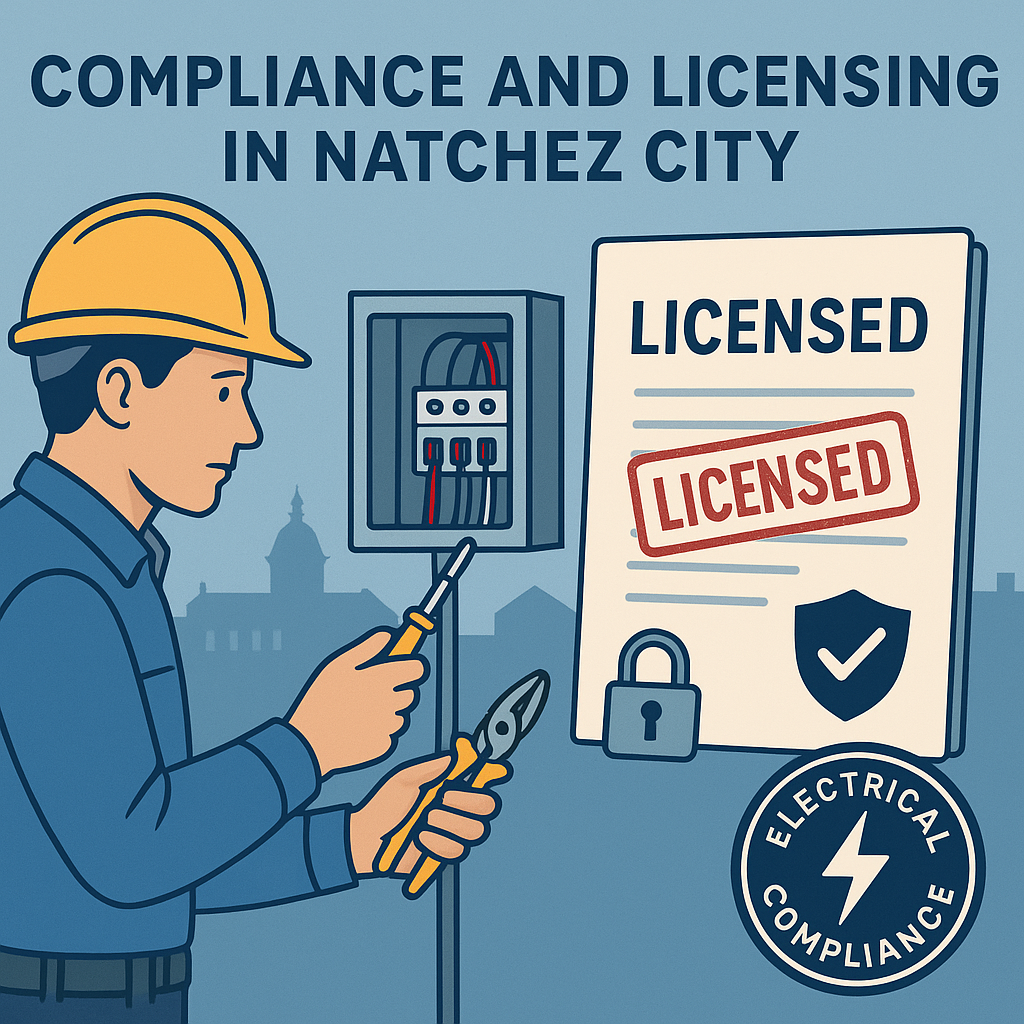
If you’re an electrician looking to pull permits or work on projects in the historic and growing city of Natchez, Mississippi, you’ve probably heard something about a required license bond. It might sound like just another hoop to jump through, but understanding this requirement can actually protect your business and give your customers peace of mind. Let’s break down what the City of Natchez MS Contractor’s License Bond for electricians really means, who needs it, and how you can get it without the headache.
Your personal credit score is the primary driver of your bond cost
Most freight broker applicants focus on the ,000 bond amount, but the part most applicants underestimate is how heavily their personal credit score impacts the premium. In practice, this often comes down to the underwriter's review of your FICO score. A score above 700 can secure a rate as low as 1-3% of the bond amount. A score below 650 can push rates to 10-15% or require a co-signer. What usually slows this down is applicants not knowing their exact score before applying, which leads to unexpected quotes and delays.
- Know your exact FICO score before you apply for an accurate quote
- Rates are tiered: Excellent credit (700+) pays 1-3%, while lower scores pay 10-15% or more
- If your score is below 650, prepare financials or consider a co-signer to improve approval odds
What Exactly Is a Contractor’s License Bond?
Think of a contractor’s license bond as a three-way promise. You, the electrician, promise to follow all the local building codes and business rules. The City of Natchez requires that promise to be backed up by a financial guarantee. An insurance company (the surety) steps in and says, “If this electrician doesn’t stick to the rules, we’ll pay up to a certain amount to make things right.”
It’s not insurance for you, though. It’s a safety net for the public and the city. If a project goes sideways because a code was intentionally ignored, a claim can be filed against your bond. You’ll still be responsible for repaying the surety company for any payouts. So it’s more like a powerful form of cosigned trust.
Why Does Natchez Require This Bond for Electricians?
Natchez is known for its beautiful antebellum homes, bustling downtown, and a strong sense of community. The city wants to keep its buildings safe, its residents protected, and its local businesses accountable. Electrical work is serious stuff. A small mistake can lead to fires, injuries, or expensive damage. By requiring a license bond, the city adds an extra layer of financial responsibility on top of your professional license.
It’s a local law designed to:
- Ensure you’ll play by the city’s electrical codes and ordinances.
- Give homeowners a way to seek compensation if a violation causes harm.
- Keep the playing field fair for all licensed electricians.
Bottom line? The bond exists because your customers deserve to know that the work behind their walls is safe and up to standard.
Who Needs This Specific Electrician Bond?
In Natchez, not every electrician automatically has to post a bond. The requirement is tied to your contractor’s license classification. If you hold what’s often called a “Compliance Only” license or a standard electrical contractor’s license with the city, you’ll likely need this bond before you can legally pull a permit or start a job.
A “Compliance Only” electrician license is common for professionals who focus strictly on installations and repairs that must adhere to the adopted electrical codes. The bond backs up that promise of strict compliance. Whether you’re wiring a new porch addition, upgrading a service panel, or adding circuits for a kitchen remodel inside the city limits, the bond needs to be active.
How Does a Contractor’s License Bond Actually Work?
Let’s paint a simple picture. Imagine you hire an electrician to rewire part of your home in downtown Natchez. The job gets done, but a few weeks later, you discover they used materials that don’t meet the city’s minimum safety code. The inspector flags it, and now you have to pay extra to bring everything up to snuff. If the electrician refuses to fix it, you can file a claim on their license bond.
The surety company investigates. If the claim is valid, they’ll cover your losses up to the bond limit. Then, the surety turns to the electrician and says, “You owe us that money.” That’s a key point. The bond protects the customer and the city, but the electrician always ends up paying the bill if a legitimate claim is paid. So, staying compliant is in everyone’s best interest.
What Does “Compliance Only” Mean for Your Bond?
The phrase “Compliance Only” can cause some confusion. Does it mean the bond only covers paperwork mistakes? Not quite. It means the bond is focused on your obligation to comply with specific laws, codes, and licensing rules set by the City of Natchez. It doesn’t guarantee you’ll be happy with the color of the outlet covers or that the electrician cleaned up perfectly. It’s about meeting legally mandated standards.
Think of it as a targeted guarantee. The bond says, “This electrician’s work will follow the municipal electrical code.” If a violation directly harms the client or the public, the bond can respond. This keeps the scope reasonable and clearly defined for everyone involved.
How Much Does a Natchez Electrician Bond Cost?
Here’s some good news: You don’t need to pay the full bond amount upfront. The City of Natchez sets the required bond amount, which is often around $10,000, but you’ll want to verify the exact figure with the city’s licensing office. You purchase the bond by paying a small annual premium, usually a percentage of that total amount.
For most electricians with solid credit, that premium might range from $100 to $300 per year. It’s surprisingly affordable. The price hinges on a few factors:
- Your personal credit score.
- Your business financial history.
- Any past claims on bonds you’ve held.
Even if your credit isn’t perfect, special programs exist to help you get bonded. Treat it like paying a small subscription fee that unlocks your ability to work legally in the city.
Simple Steps to Get Your Electrician Bond in Natchez
The process isn’t complicated. You can often take care of it in a single afternoon. Here’s a straightforward path:
- Confirm the exact bond amount and form. Call or visit the City of Natchez building department or licensing division. They’ll tell you the required bond limit and any specific wording that must appear on the form.
- Reach out to a surety bond provider. You can work with an agency that specializes in contractor bonds. Provide your business and personal details for a quick quote.
- Pay the premium. Once approved, pay the annual fee. The agency then issues your official bond document.
- File the bond with the city. Submit the original bond paperwork to the Natchez licensing office. Keep a copy for your own records.
Could it really be that easy? Yes. Most agencies can email you the bond within 24 hours. Once the city has it on file, you’re clear to pull permits and get to work.
Keeping Your Bond and License Active
Your bond isn’t a one-and-done thing. It has an expiration date, usually tied to your license renewal cycle. Letting it lapse means your license could be suspended. Set a reminder on your phone a month ahead of time.
Also, protect yourself from claims. The best way? Overcommunicate with your clients, document your work, and never cut corners on code requirements. A minor violation can turn into a major headache if a claim is filed. While a single small claim might not ruin your career, it can make future bonds more expensive. Treat your bond as a reflection of your reputation.
Common Questions Electricians Ask About the Natchez Bond
Is the license bond the same as general liability insurance?
No, and this is an important distinction. General liability insurance pays for bodily injury, property damage, and other accidents that happen during work. The license bond specifically backs your promise to follow city codes. You’ll need both for full protection. The bond is for the city; insurance is for your business and your clients.
Can I use a bond from another Mississippi city?
Usually not. Local requirements vary. A bond that satisfies Jackson or Gulfport rules may not match what Natchez demands. Always get a bond that names the City of Natchez as the obligee. Don’t assume one size fits all.
What happens if a customer files a false claim?
False claims do happen, though they’re relatively rare. If someone files a claim without merit, the surety company will investigate and reject it. However, you’ll need to cooperate fully and provide evidence that you followed the code. This is why keeping detailed project records is so valuable.
A Little Investment for a World of Trust
Obtaining the City of Natchez MS Contractor’s License Bond for electricians might feel like just another administrative task, but it’s much more than that. It’s a signal. It tells the city, your customers, and your competitors that you stand behind the quality and legality of your work. For a relatively small annual fee, you gain the ability to operate freely, build a trustworthy brand, and contribute safely to the community that makes Natchez so special.
So, next time you’re gearing up for that next residential or commercial project, take a moment to check your bond status. Are you covered? Is the bond up to date? A few minutes of paperwork now can save you from dozens of hours of headaches later. And with that peace of mind squared away, you can get back to what you do best—wiring up the beautiful spaces that keep Natchez shining bright.