Mississippi has strengthened its No Call Program by requiring telemarketers and professional solicitors to secure a surety bond, ensuring they follow regulations and providing funds to cover fines or consumer compensation if violations occur.
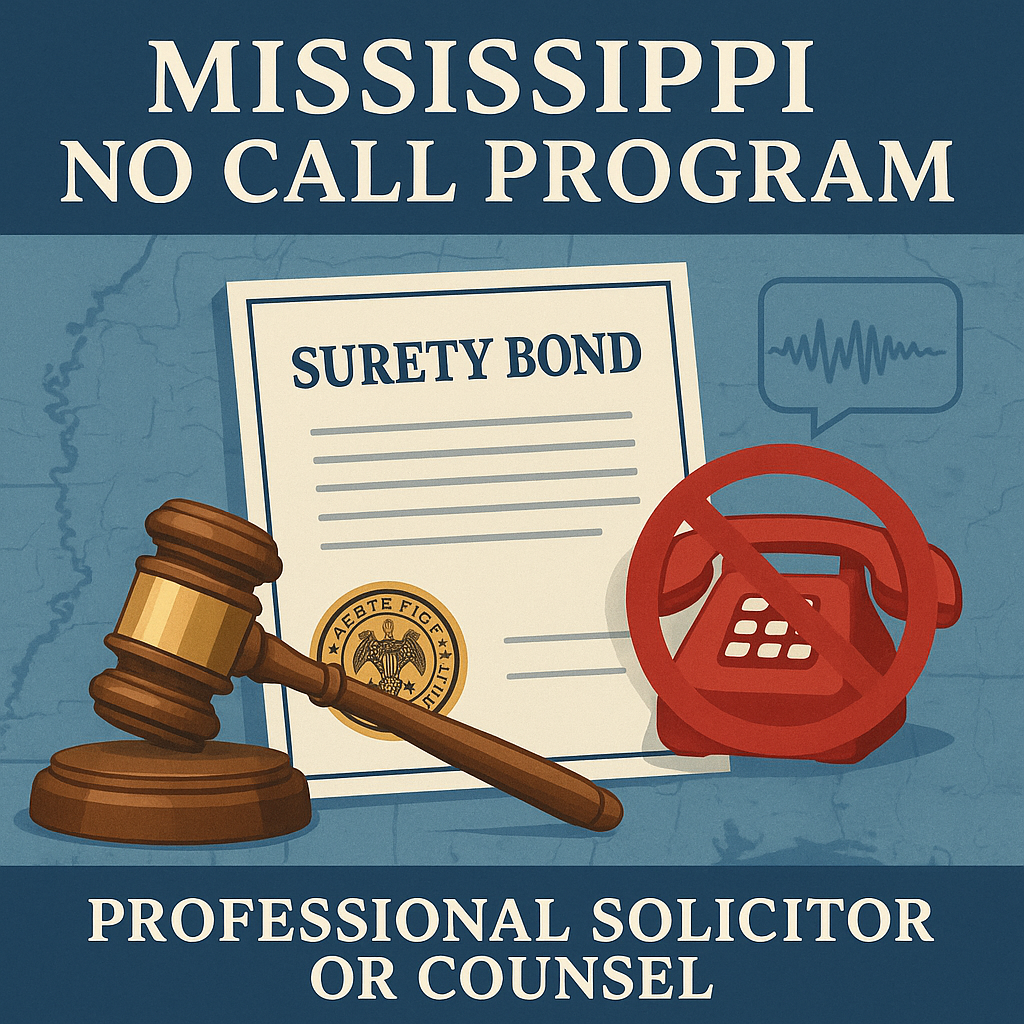
Have you ever sat down for dinner only to be interrupted by a phone call from a stranger trying to sell you something? It’s frustrating, isn’t it? If you live in Mississippi, there’s good news on the horizon. The state has just added a new layer of protection to its popular No Call Program. A surety bond requirement is now in place for certain telemarketers and professional solicitors. This move is designed to make it even harder for shady operators to bother you at home. But what does this all mean, and how does a little piece of paper called a bond actually shield you from unwanted calls? Let’s break it all down in simple, everyday language.
Your personal credit score is the primary driver of your bond cost
Most freight broker applicants focus on the ,000 bond amount, but the part most applicants underestimate is how heavily their personal credit score impacts the premium. In practice, this often comes down to the underwriter's review of your FICO score. A score above 700 can secure a rate as low as 1-3% of the bond amount. A score below 650 can push rates to 10-15% or require a co-signer. What usually slows this down is applicants not knowing their exact score before applying, which leads to unexpected quotes and delays.
- Know your exact FICO score before you apply for an accurate quote
- Rates are tiered: Excellent credit (700+) pays 1-3%, while lower scores pay 10-15% or more
- If your score is below 650, prepare financials or consider a co-signer to improve approval odds
What Is the Mississippi No Call Program?
Think of the Mississippi No Call Program as your personal shield against telemarketing noise. It’s a free service run by the state that lets you register your phone number on a do-not-call list. Once you’re on the list, most telemarketers are legally prohibited from calling you. If they do, they can face serious fines. It’s been a hugely popular way to bring peace and quiet back to Mississippians’ homes. But over time, regulators noticed a problem. Some companies would break the rules, collect fines, and then simply vanish without ever paying up. That’s where the new surety bond steps in.
The New Surety Bond Requirement: A Big Step Forward
Mississippi recently updated its rules to require a Mississippi No Call Program surety bond for professional solicitors and certain telemarketing businesses. This isn’t just a paperwork formality. It’s a financial guarantee that these companies will play by the rules. If they don’t, the bond provides a pool of money to pay for fines or to compensate people who were harmed. The goal is simple: keep the bad actors out and make sure there’s always a way to hold them accountable.
Who Exactly Needs This Bond?
The requirement primarily targets professional solicitors and paid telephone solicitors who operate in Mississippi. A professional solicitor is someone hired by a charity or a business to raise funds or sell products over the phone. They’re the middlemen. If your phone rings and someone is asking for donations to a cause, chances are a professional solicitor is on the other end. The bond requirement also extends to other telemarketing firms that contact Mississippi residents, even if the company is based in another state. If you’re making calls to numbers with a 601, 662, or 228 area code, you need to know these rules.
How Does a Surety Bond Actually Work?
A surety bond might sound complicated, but it’s really just a three-party promise. Imagine you’re renting an apartment. The landlord asks for a security deposit. If you damage the place, the landlord uses that deposit to fix it. A surety bond is similar, but with a third party involved.
Here’s how the Mississippi No Call Program surety bond breaks down:
- The Principal: This is the telemarketing company or professional solicitor that must buy the bond.
- The Obligee: This is the State of Mississippi (and its residents), the party that’s being protected.
- The Surety: This is the insurance company that issues the bond and guarantees that the principal will follow the law.
If the telemarketer breaks the No Call rules, a claim can be made against the bond. The surety will pay up to the bond’s full amount—but don’t mistake this for insurance. The surety will then turn around and demand every penny back from the telemarketer. That financial pressure is a powerful motivator to behave.
Why This Matters for Everyday Mississippians
You might be wondering, “That’s nice for the government, but does it really help me?” Absolutely. Before this bond requirement, it was often a dead end when you reported an illegal call. A company could rack up thousands in fines, declare bankruptcy, and start fresh under a new name. Now, that’s much harder to do. The bond creates a financial cushion. If a telemarketer ignores the do-not-call list and receives a penalty, the state can pull money from the bond. It’s like making every solicitor put down a security deposit before they’re allowed to dial your number. They have skin in the game.
It also encourages better behavior from the start. A company that knows its professional solicitor surety bond is on the line will think twice before running a scam or ignoring consumer complaints. The bond acts as a silent watchdog, promoting honesty in an industry that sometimes lacks it.
Getting a Mississippi No Call Program Surety Bond
If you run a telemarketing business or work as a professional solicitor, you’re probably curious about the process. The good news is that obtaining this bond is straightforward, much like buying car insurance, but with a few extra checks.
Step-by-Step: How to Secure Your Bond
- Determine the Required Amount: Mississippi regulators typically set the bond amount. For professional solicitors, it’s often a specific dollar figure, maybe $25,000 or $50,000, though you should verify the exact amount with current state guidelines.
- Apply with a Surety Bond Agency: You’ll fill out a short application. The surety company will look at your credit score and financial history. This helps them figure out how risky you are to bond.
- Receive a Quote and Pay the Premium: You don’t pay the full bond amount upfront. Instead, you pay a small percentage—often 1% to 5% of the total bond value. A $25,000 bond might only cost you $250 to $1,250 a year, depending on your credit.
- Sign the Agreement and File the Bond: Once you pay, the surety sends you the official bond document. You then submit this to the Mississippi Public Service Commission or the appropriate state agency along with your registration.
What Affects the Cost?
Several factors influence your premium. A strong personal credit score usually means you’ll pay less. Businesses with stable finances also get better rates. If your credit is bumpy, don’t panic. You can still get bonded, but the premium might be a bit higher. There are programs that can help almost anyone get approved. The key is to work with a bond specialist who understands the Mississippi requirements.
What Happens If You Don’t Get the Bond?
Operating without the required surety bond is a serious misstep. The state can deny your registration, issue cease-and-desist orders, and impose hefty fines. Your company won’t legally be able to make a single outbound call to a Mississippi resident. For a business whose model relies on phone outreach, that’s a non-starter. Beyond the legal trouble, being bondless damages your reputation. Partners and charities will hesitate to work with you. The bond signals that you’re legitimate and trustworthy. Skipping it is not worth the risk.
Frequently Asked Questions About the Mississippi No Call Bond
Does a small local charity need this bond if they call for donations themselves?
Great question. Usually, the bond requirement kicks in when a paid third-party solicitor is hired. If a charity’s own volunteers or employees make calls, they may not need the bond. But rules can be nuanced. The safest bet is to check with the Mississippi Public Service Commission to confirm whether your specific activities fall under the requirement. When in doubt, ask.
Is the bond the same as insurance for my business?
No, and this is a common mix-up. Insurance protects your business from accidents like a fire or a lawsuit. A surety bond protects the public and the state. You’re fully responsible for repaying any claims paid out. Think of it as a line of credit extended to you for the benefit of consumers, not a policy that absorbs your losses.
How long does the bond remain valid?
Most Mississippi No Call Program surety bonds are continuous until canceled. You’ll typically need to renew the premium each year. As long as you keep paying the annual premium and following the law, the bond stays active. If you stop paying or cancel the bond, the state will be notified, which could lead to your registration being revoked.
Can a consumer file a claim directly against the bond?
Usually, claims are initiated by the state after an investigation. If you’ve been harmed by a telemarketer’s illegal actions, you’d report it to the enforcing agency. They’ll look into it and, if violations are found, can make a claim against the bond to cover fines or ordered restitution. It’s not quite a direct hotline, but it provides a clear path to some form of recovery.
Embracing a Quieter, More Accountable Future
The addition of a surety bond to Mississippi’s No Call Program is a quiet but powerful evolution. It doesn’t make flashy headlines, but it changes the game. Telemarketers and professional solicitors now carry a tangible, financial reason to honor your request for peace. For residents, it means the list you sign up for has sharper teeth. For honest businesses, it’s a badge of credibility that separates them from fly-by-night operators.
Next time your phone rings during dinner, you can take comfort knowing that Mississippi’s No Call protections are stronger than ever. And if you’re a professional solicitor, getting bonded isn’t just a legal box to check—it’s your ticket to doing business the right way, gaining trust one honest conversation at a time. Stay informed, register your number if you haven’t already, and always report violators. A little bit of bonding goes a long way toward keeping our phones silent when they should be.