Waverly, Tennessee requires beer storage bonds from businesses handling untaxed beer, guaranteeing payment of local wholesale beer taxes and protecting the city from financial loss. These bonds serve as financial security, with bond amounts tied to estimated tax liability, ensuring compliance and steady revenue for municipal services.
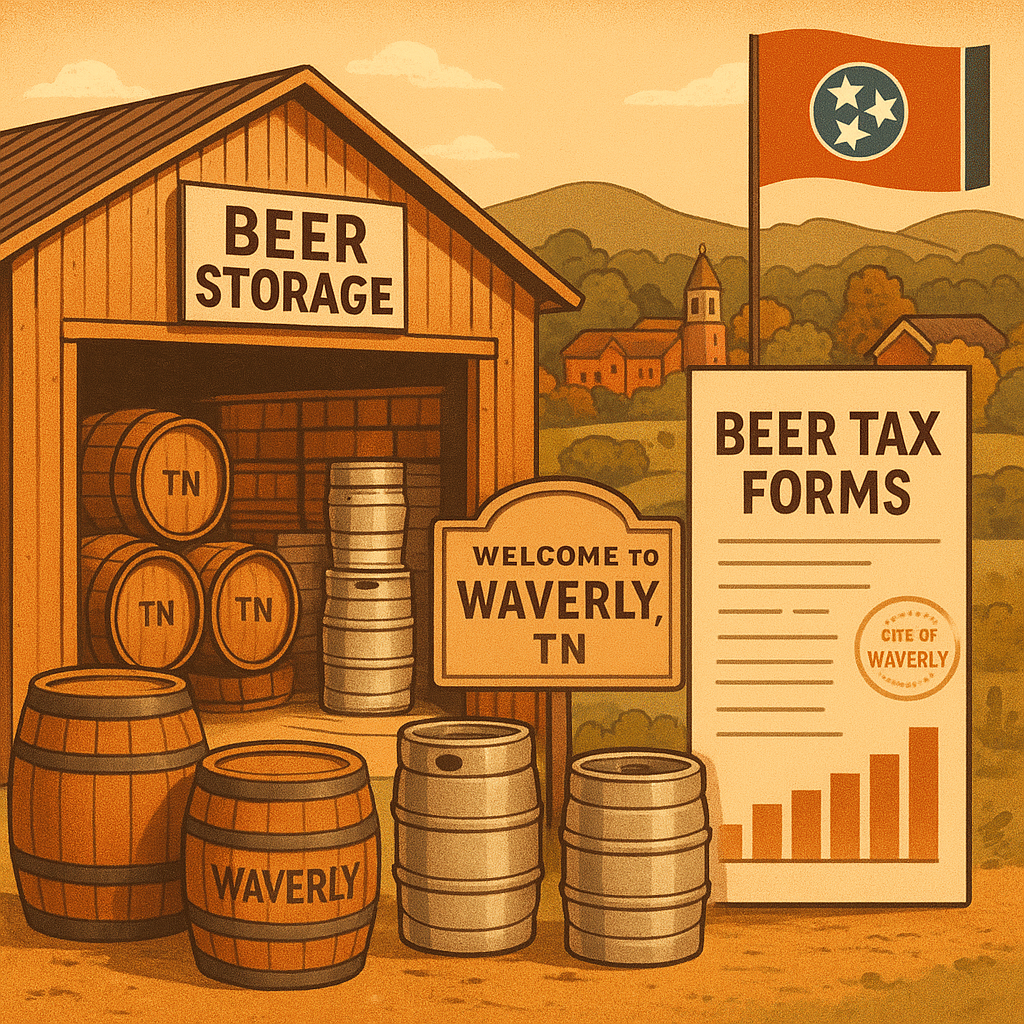
If you’re a craft brewery owner, beer distributor, or even a curious resident in Humphreys County, you may have stumbled across the phrase “beer storage bond” while navigating local regulations. It sounds like a dusty piece of legal paperwork, right? But peel back the label and you’ll find it’s actually a straightforward concept that keeps things fair for businesses and the City of Waverly alike. Let’s crack one open and explore how beer storage bonds and beer tax work in Waverly, Tennessee – in plain, friendly language.
Your personal credit score is the primary driver of your bond cost
Most freight broker applicants focus on the ,000 bond amount, but the part most applicants underestimate is how heavily their personal credit score impacts the premium. In practice, this often comes down to the underwriter's review of your FICO score. A score above 700 can secure a rate as low as 1-3% of the bond amount. A score below 650 can push rates to 10-15% or require a co-signer. What usually slows this down is applicants not knowing their exact score before applying, which leads to unexpected quotes and delays.
- Know your exact FICO score before you apply for an accurate quote
- Rates are tiered: Excellent credit (700+) pays 1-3%, while lower scores pay 10-15% or more
- If your score is below 650, prepare financials or consider a co-signer to improve approval odds
What Is a Beer Storage Bond, Anyway?
Think of a beer storage bond as a financial promise wrapped in an official form. It’s a type of surety bond required by the City of Waverly for businesses that store, distribute, or sell beer within city limits. If your business handles untaxed beer in a warehouse, stockroom, or even a large cooler waiting to be sold, that’s “beer storage” – and the city wants to make sure the taxes on that beer eventually get paid.
A Waverly TN beer storage bond is not insurance for your business. Instead, it protects the city (and ultimately the public) by guaranteeing that you’ll follow the rules and hand over all beer taxes you owe. If you fail to pay, the bond can cover the city’s loss. You’re still on the hook to repay the bonding company later, but the city gets its money promptly. Picture it like a security deposit you put down when renting an apartment – except you don’t have to lay out the full bond amount upfront. You pay a small percentage as a premium, and the bond company backs you for the full required sum.
How the Beer Tax Plays Out in Waverly, Tennessee
Here’s where many people’s eyes glaze over, but let’s keep it simple. In Tennessee, beer is taxed at both the state and local levels. The state collects a barrelage tax (so much per barrel) on beer manufactured or imported. On top of that, cities like Waverly can impose their own wholesale beer tax to fund local services – think road repairs, parks, or public safety. This local tax is typically applied when the beer moves from storage to a retailer or consumer.
For example, let’s say you run a distribution center in Waverly. Every month, you tally up how many gallons or cases left your storage and entered the local market. The city’s beer tax is calculated on that amount. If you don’t pay that tax bill, the Waverly beer storage bond kicks in to make the city whole. The bond amount often corresponds to your estimated tax liability over a given period – maybe three times your average monthly tax. That way, the city has a cushion.
Why Does the City Require This Bond?
It all comes down to trust and cash flow. The City of Waverly doesn’t want to chase individual businesses for unpaid beer taxes or discover six months later that a distributor vanished without settling its tab. By requiring a beer storage bond before you even get your license, the city ensures that somebody (the surety company) has vetted your finances and is willing to back you. It’s a pre-qualification step that signals you’re a reliable operator.
Plus, the bond helps local government budget more predictably. If tax revenue from beer sales helps fund the annual fireworks display or the library’s summer reading program, the city needs to know that money will actually arrive. The bond acts like a safety net, catching any tax dollars that might otherwise slip through a crack.
Who Needs a Waverly, TN Beer Storage Bond?
Not everyone who touches a cold one needs a bond. Typically, you’ll need a City of Waverly beer bond if you:
- Operate a warehouse or storage facility where beer sits before being distributed to local bars, restaurants, or stores.
- Are a wholesale beer dealer moving product within Waverly city limits.
- Import beer from out of state and store it locally, even temporarily.
- Hold a city beer permit for off-premises storage (like a keg cooler not attached to a bar).
If you’re just a bartender or a gas station owner selling packaged beer, you probably don’t need a storage bond – you’re handling already-taxed product. But if you’re the middleperson between the brewery and the point of sale, this bond is likely on your to-do list.
How Tax Insights Help You Stay Ahead
Understanding your beer tax obligations in Waverly can feel like decoding a secret recipe. Let’s break down the key ingredients:
1. Reporting Volume Matters. You’ll need to track exactly how much beer moves out of storage each month. Modern inventory systems can make this painless, but if you’re still counting bottles by hand, it’s time for an upgrade. Accurate reporting is your first line of defense against underpayment penalties.
2. Local Rates Can Change. While Tennessee’s state beer tax is $4.29 per 31-gallon barrel (as of this writing), Waverly’s local tax rate might differ. Cities often adjust rates periodically, so staying in touch with the city recorder or checking the municipal website is a smart habit. A sudden rate change could affect both your cash flow and your bond amount.
3. Audits Happen. The city has the right to audit your books and inspect your storage facility. A clean record keeps your bond premium low and your business relationship with the city sweet. If an audit finds you consistently underreport, your bond could get called, or you might need to post a higher bond next year.
Securing Your Waverly Beer Storage Bond – Step by Step
Getting bonded isn’t nearly as complicated as it sounds. Most businesses follow a path like this:
Determine your required bond amount. The City of Waverly’s beer board or finance department will tell you how much coverage you need. It’s often based on projected tax liability or a flat amount set by ordinance. If you’re unsure, a quick call to City Hall can save you headaches.
Find a surety bond provider. Many insurance agencies offer these bonds. You’ll fill out an application, and the surety will look at your personal and business credit, financial statements, and experience in the industry. They’re basically sizing up how likely you are to pay your taxes. Good credit? You might pay just 1-3% of the bond amount annually. Shaky credit? Premiums go up, but you can still usually get bonded.
Pay the premium and file the bond. Once approved, you’ll pay the premium and receive the bond form. Sign it, and submit it to the City of Waverly along with any other required licensing paperwork. Keep a copy for your records. The bond usually renews annually, often aligned with your beer license renewal.
Practical Example: Joe’s Humpday Distributing
Let’s make this real. Joe runs a small distribution business on the edge of Waverly. He stores cases of craft beer in a rented warehouse and delivers to three local pubs. The city tells Joe he needs a $10,000 beer storage bond. Joe contacts a surety company, fills out a quick application, and because his credit is solid, he pays $200 for the year. Easy. Now Joe can focus on growing his business, knowing he’s in good standing with the city. If Joe ever fails to remit the $300 beer tax he collected for a slow month, the city files a claim against the bond. Joe still owes the tax (and the surety company), but the city isn’t left holding an empty keg.
What If You Don’t Get the Bond or Pay the Tax?
Skipping the bond requirement is like trying to enter a concert without a ticket – you won’t get past the gate. In Waverly, operating without a required beer storage bond can lead to fines, suspension of your beer permit, or even criminal charges for tax evasion. The city takes it seriously because beer tax revenue funds real community needs.
If you fall behind on taxes, the city can file a claim against your bond. You’ll then owe the surety company every penny they paid out, plus fees. That can destroy a small business’s cash flow overnight. The smarter play? Budget for your tax payments as religiously as you pay rent, and treat the bond premium as a predictable business expense.
Frequently Asked Beer Bond Questions
Does every Tennessee city require a beer storage bond?
Not every city, but many do. Requirements vary. Waverly is among those that enforce a bond to protect local tax revenue. Always check the specific municipal code where you do business.
Can I use one bond for multiple locations?
It depends on the bond form. If you store beer in separate facilities inside Waverly, the city might allow a single bond covering all locations, or they might require separate bonds. Clarify this when you apply.
Is the beer storage bond the same as a sales tax bond?
No. A sales tax bond covers general sales tax on all retail items. A beer storage bond specifically guarantees payment of local beer taxes, which are often levied at a different rate and apply at the wholesale level.
Making Sense of It All
Navigating Waverly’s beer storage bond and tax rules might feel like one more chore on a long list, but it’s really a partnership between your business and your community. It ensures that the craft brews flowing into town also generate the funds that keep the town healthy. By understanding what’s required and planning ahead, you can avoid surprises and keep your focus where it belongs – on delivering great beer to thirsty customers.
Next time you crack open a local IPA, take a second to appreciate the invisible safety net that bond represents. It’s just one more reason Waverly’s beer scene can grow smoothly, one bonded warehouse at a time.