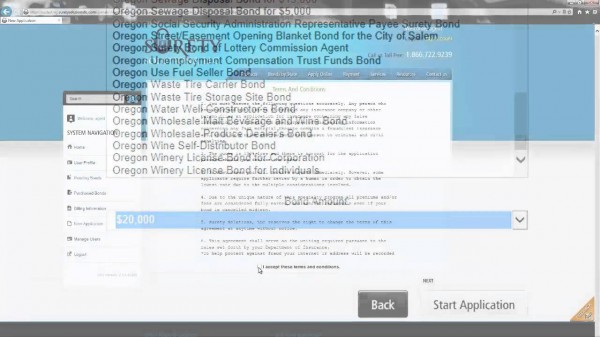
An Oregon contractor license bond can be secured online in just minutes, providing the required financial guarantee for licensing.
If you’re a contractor in Oregon, you know that a license bond is a non-negotiable requirement for operating legally. This financial guarantee protects your clients by ensuring you adhere to state regulations and contractual obligations. At Surety Bond Authority, we specialize in providing these essential bonds quickly and efficiently, often in just minutes.
Your personal credit score is the primary driver of your bond cost
Most freight broker applicants focus on the ,000 bond amount, but the part most applicants underestimate is how heavily their personal credit score impacts the premium. In practice, this often comes down to the underwriter's review of your FICO score. A score above 700 can secure a rate as low as 1-3% of the bond amount. A score below 650 can push rates to 10-15% or require a co-signer. What usually slows this down is applicants not knowing their exact score before applying, which leads to unexpected quotes and delays.
- Know your exact FICO score before you apply for an accurate quote
- Rates are tiered: Excellent credit (700+) pays 1-3%, while lower scores pay 10-15% or more
- If your score is below 650, prepare financials or consider a co-signer to improve approval odds
What is an Oregon Contractor License Bond?
An Oregon contractor license bond is a type of surety bond required by the Oregon Construction Contractors Board (CCB). It acts as a three-party agreement between you (the contractor/principal), the state (the obligee), and our surety company. The bond guarantees your compliance with Oregon’s contractor laws, including building codes and business practices. If you fail to meet these standards, a claim can be filed against the bond for financial compensation. This mechanism ensures that funds are available to remedy substandard workmanship or unresolved disputes without requiring clients to pursue costly litigation.
Why You Need This Bond
Securing this bond is mandatory for licensure, demonstrating your professionalism and financial responsibility to both the state and your potential clients. It provides a layer of security for your customers, assuring them that they have recourse if the agreed-upon work is not completed properly or according to code. Without a valid bond, you cannot obtain or renew your contractor license in Oregon, which halts your ability to work legally on projects. Additionally, many general contractors and project owners require proof of bonding before they will even consider your bid for larger commercial or residential jobs.
How to Get Your Bond in Minutes
Our streamlined process is designed for speed and simplicity. We’ve eliminated unnecessary paperwork and lengthy approvals that are common with traditional providers.
- Complete our online application: Provide basic business and personal details—it only takes a few minutes.
- Receive your quote instantly: Our system reviews your information and generates a competitive rate in real time.
- Review and purchase: Accept your quote, make a secure payment online, and receive your bond documents immediately.
We leverage advanced underwriting to assess risk efficiently, allowing us to approve most applicants instantly. This modern approach means you can fulfill your state requirement and get back to running your business without delay. One practical detail many contractors overlook: make sure your legal business name on the bond application matches exactly what is registered with the CCB. Even a minor discrepancy—such as a missing “LLC” suffix—can trigger a rejection when you submit your bond to the state, forcing you to request a corrected version and losing valuable time.
Cost of an Oregon Contractor License Bond
The premium you pay is a small percentage of the total bond amount, which is set by the state. This cost is primarily determined by a soft credit check, which does not impact your credit score. Applicants with strong credit typically receive the most favorable rates. Our transparent pricing model ensures there are no hidden fees, so the quote you see is exactly what you pay. For contractors with credit challenges, we can still secure coverage through a standard market carrier, though the premium will reflect the elevated risk—improving your credit profile over time will lower your renewal costs.
Frequently Asked Questions
What if a claim is filed against my bond? You, as the bonded contractor, are ultimately responsible for any valid claims. This means you would need to reimburse the surety company for any damages paid out to a claimant. Maintaining ethical business practices is the best way to avoid claims. It’s also wise to document all communications and change orders in writing, as thorough records are your strongest defense if a dispute escalates to a bond claim.
Is this the same as insurance? No, a surety bond is not insurance. Insurance protects you against losses, while a bond is a guarantee that protects your clients and the public by ensuring you follow licensing laws and contract terms. Because you are ultimately liable for any payout, a surety bond functions more like a line of credit extended to you by the surety company—one you must repay if a claim is validated.
How long does the bond last? Your contractor license bond must remain active and in good standing for the entire duration of your CCB license. You will need to renew it concurrently with your license to maintain compliance. Mark your renewal date on your calendar at least 30 days in advance; the CCB will not accept a lapse, and working even one day without an active bond can result in fines or suspension of your license.