Arkansas Excess Size or Weight Bonds are surety bonds required by ARDOT to guarantee financial accountability for oversized or overweight loads, ensuring the state's roads and bridges are protected from damage. The bond serves as a pre-funded promise that covers repair costs, benefiting both public infrastructure and haulers who need special permits.
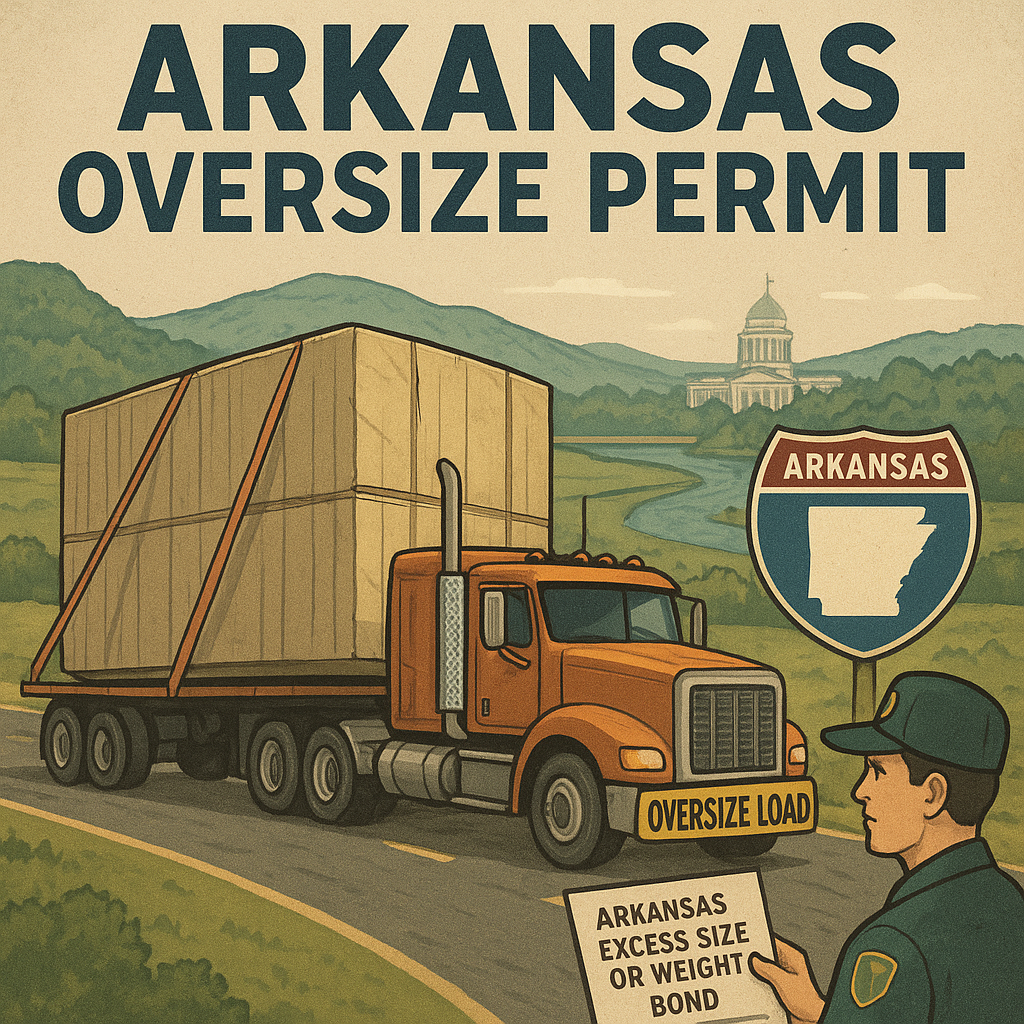
Have you ever been driving down the interstate and spotted a massive piece of machinery rolling by on a flatbed trailer? A giant turbine, a prefabricated home, or maybe a crane taking up two lanes? If you’ve ever wondered how those oversized loads legally hit the road, you’re in the right spot. The answer often starts with a piece of paper called an Arkansas Excess Size or Weight Bond. It might sound like official jargon, but it’s really just a promise—a financial safety net that protects the state’s roads and bridges when something extra-large goes for a ride.
In this post, we’re going to unpack everything you need to know about these unique bonds in plain, everyday language. Whether you’re a trucking company owner, a logistics coordinator, or just a curious mind, you’ll walk away with a clear picture of why this bond matters and how it works.
The license is not the bottleneck your bond is
Most contractors focus on passing the trade exam, but the real delay is the surety bond underwriting. The state requires the bond, but the surety company requires a deep review of your personal credit, business financials, and project history. A low credit score or thin business file can trigger requests for additional collateral or personal indemnity, stalling the entire license application. What usually slows this down is applicants submitting incomplete financial statements or underestimating how their personal credit impacts the premium.
- Order your bond before your exam to lock in your rate and avoid last-minute underwriting surprises.
- Prepare two years of business and personal tax returns upfront—missing documents are the most common cause for delay.
- A credit score below 650 will likely require a financial statement and may increase your bond premium by 25-50%.
What Exactly Is an Arkansas Excess Size or Weight Bond?
Let’s strip away the official title. An Arkansas Excess Size or Weight Bond is a type of surety bond required by the Arkansas Department of Transportation (ARDOT)—formerly known as the Arkansas Highway and Transportation Department. Think of it as a security deposit you don’t have to pay in full upfront.
When a hauler wants to move a load that’s heavier, wider, taller, or longer than state limits allow, they need a special permit. Before ARDOT hands over that permit, they often ask for this bond. It guarantees that if the hauler damages a road, bridge, or any public property during the trip, there’s money set aside to fix it. No taxpayer dime wasted, no finger-pointing. Just a straightforward, pre-funded promise.
Imagine renting a hotel room with a credit card on file for incidentals. The bond works a lot like that card. You don’t plan to trash the room, but the hotel has a form of security just in case. Here, ARDOT is the hotel, and Arkansas roads are the room.
Why Does ARDOT Require This Bond?
The state isn’t trying to make life hard for truckers. The reasoning is pure physics. Roads and bridges are designed to handle a certain amount of weight and stress. Throw a load that’s several tons over the limit onto a small bridge, and you risk cracking pavement, weakening support beams, or causing an outright collapse. Even a load that’s just too wide can clip a guardrail, knock down signage, or cause traffic nightmares.
By requiring this bond, ARDOT creates a responsible party. It tells the state: “This hauler is serious and financially accountable.” The bond also speeds things up. Instead of the state chasing down a trucking company in court for repair costs after the fact, the surety company that issues the bond steps in to handle valid claims quickly.
In short, the bond protects:
- Public infrastructure (roads, bridges, overpasses)
- Taxpayer funds
- Other drivers on the road
And it lets the hauling company operate with credibility. It’s a win-win when everything goes smoothly.
Who Needs One of These Bonds?
Not every truck rolling down I-40 needs an excess size or weight bond. This requirement kicks in when a load exceeds legal dimensions without a permit. In Arkansas, typical legal limits include:
- Width: 8 feet 6 inches
- Height: 13 feet 6 inches
- Length: Varies by vehicle combination, but usually up to 53 feet for a single trailer
- Weight: 80,000 pounds gross vehicle weight
If your load goes beyond any of those, you’re likely in oversize or overweight territory. Movers of heavy construction equipment, large agricultural machinery, modular homes, wind turbine blades, and industrial tanks are the usual candidates. Even a single trip might trigger the bond requirement if the load is exceptionally heavy or the route includes sensitive infrastructure.
The bond is tied to the permit. So, if you’re a company that regularly hauls oversize loads, you might obtain a continuous bond that covers multiple trips over a year. If it’s a one-off move, a single-trip bond does the trick. The key is to talk to ARDOT’s permit office to confirm whether your specific load and route demand a bond.
How Does the Bond Actually Work?
Let’s break down the three parties involved, because that’s the heart of any surety bond:
- The Principal – That’s you, the trucking company or hauler who needs the permit.
- The Obligee – The State of Arkansas, via ARDOT. They require the bond to protect public property.
- The Surety – The insurance or bonding company that backs the bond financially.
When you buy the bond, you’re entering into an agreement. The surety company tells ARDOT, “We trust this hauler, but if something goes wrong, we’ve got the funds to cover damages up to a certain amount.” That amount is called the bond penalty, and it’s set by ARDOT based on the load’s weight, route, and potential risk.
Now, here’s where some folks get nervous. If a claim is paid out by the surety, the hauler is still responsible. The surety will pay ARDOT to fix a damaged bridge, but then they’ll turn to the hauler and ask to be reimbursed. That’s the indemnity agreement—you’re ultimately on the hook. So, while the bond provides a safety cushion for the state, the hauler must take every precaution to avoid causing damage.
An Everyday Analogy
Think of the bond like co-signing a loan. The surety co-signs your promise to ARDOT. If you can’t pay for damages, the surety covers it, but then they expect you to pay them back. Your relationship with the surety is built on trust, and a claim can make future bonds harder or more expensive to obtain.
What Affects the Cost of an Arkansas Oversize Permit Bond?
You won’t pay the full penalty amount like a piano-sized cash deposit. Instead, you pay a small percentage, known as the premium. For many haulers, especially those with good credit and a solid business track record, the premium ranges from 1% to 5% of the bond amount.
For example, if ARDOT requires a $50,000 bond for a particularly heavy move, your out-of-pocket cost might be as low as $500 to $2,500 for the year—or even less for a single trip bond with a shorter term. Several factors shape that premium:
- Credit score: Strong personal or business credit usually unlocks the best rates.
- Bond amount: Larger bonds mean higher premiums, though the percentage often decreases as the bond amount climbs.
- Business experience: Years in operation and a clean safety record can help.
- Financial stability: The surety looks at your company’s overall financial health.
Don’t assume the worst if your credit isn’t perfect. Many surety providers work with applicants regardless of credit, though the premium might inch higher. The key is to work with a bonding agency that understands the trucking industry and can shop your application to multiple markets.
Steps to Get Your Bond and Permit
The process doesn’t have to be a headache. In fact, it often goes faster than you’d expect. Here’s a simple roadmap:
- Determine your needs. Contact ARDOT’s Permit Division or visit their website to find out if your load requires a bond, and if so, what amount. They’ll give you the exact bond form.
- Find a reliable surety bond agency. Look for agencies that specialize in trucking or oversize load bonds. They’ll know the Arkansas-specific requirements inside and out.
- Complete the application. You’ll provide basic business info, maybe some financials, and the bond amount. Pretty straightforward.
- Get a quote and pay the premium. Once approved, you’ll pay the premium, and the bond will be issued.
- File the bond with ARDOT. The surety will usually send the original bond directly to the state, or you may need to upload a copy with your permit application.
- Receive your oversize/overweight permit. With the bond on file, the permit office can finalize your paperwork. Now you’re legal to roll—with all necessary safety protocols in place, of course.
It’s a bit like getting a passport before an international trip. You take care of the paperwork, pay a fee, and then you’re cleared for the journey. Only here, the “journey” is a few hundred miles of Arkansas highway with a massive piece of cargo.
Common Misunderstandings (Let’s Clear the Air)
Sometimes people confuse this bond with insurance. They’re related but not the same. Your commercial auto insurance covers things like collisions, cargo damage, or injuries. The excess size or weight bond specifically covers damage to the road system itself. You might need both. And while insurance protects you, this bond primarily protects the state—though it also protects your reputation by showing you play by the rules.
Another misconception: “I only make one trip, so I don’t need a bond.” Not true. Even a single trip with an oversized load can trigger the requirement. ARDOT cares about the potential damage, not how often you drive. So always check, no matter how rare the move.
And finally, many believe the bond amount equals the fine they’ll pay if something goes wrong. Nope. The bond amount is the maximum the surety will pay out for repairs. Actual repair costs can exceed that amount in severe cases, and the hauler remains responsible for the full bill.
Keeping Your Bond Valid and Your Business Moving
Once you have the bond, don’t just tuck it in a drawer. Keep the bond current. Most bonds are issued for a term, often continuous until cancelled. If you let it lapse, your permits can be suspended. Make sure to renew on time, and if your business details change—like a new legal name or address—update the bond accordingly.
Also, always follow the specific route and conditions on your permit. Straying from the approved path can void your coverage. Those giant yellow banners reading “OVERSIZE LOAD” aren’t just for show—they signal to everyone that a carefully planned move is underway.
Why This Little Bond Carries Big Weight
In the grand scheme of trucking logistics, a bond might seem like another hoop to jump through. But it’s actually a testament to how seriously Arkansas takes its infrastructure. Every time a responsible hauler secures one of these bonds, they’re helping fund a system that keeps roads intact and commerce flowing. And for the hauler, it’s a key that unlocks routes for cargo that’s literally too big to fail—or at least too big to move without a little extra paperwork.
If you ever find yourself needing to haul something that makes standard load limits look tiny, remember this post. A little planning, a reputable bond agency, and a clear conversation with ARDOT can get you from point A to point B without drama. That oversized turbine, that modular classroom, that mega-crane—they all rely on this simple financial promise to hit the highway safely and legally.
So next time you see a slow-moving convoy with flashing lights, you’ll know there’s more behind the scenes than just a skilled driver. There’s a whole system of trust, and it’s held together by bonds like the Arkansas Excess Size or Weight Bond.