Contractor bonds in Benton, AR protect homeowners and businesses from financial loss by ensuring licensed electricians, HVAC technicians, and plumbers follow local codes and complete work properly. These bonds serve as a safety net, filtering out unreliable operators and providing recourse for property owners when work falls short.
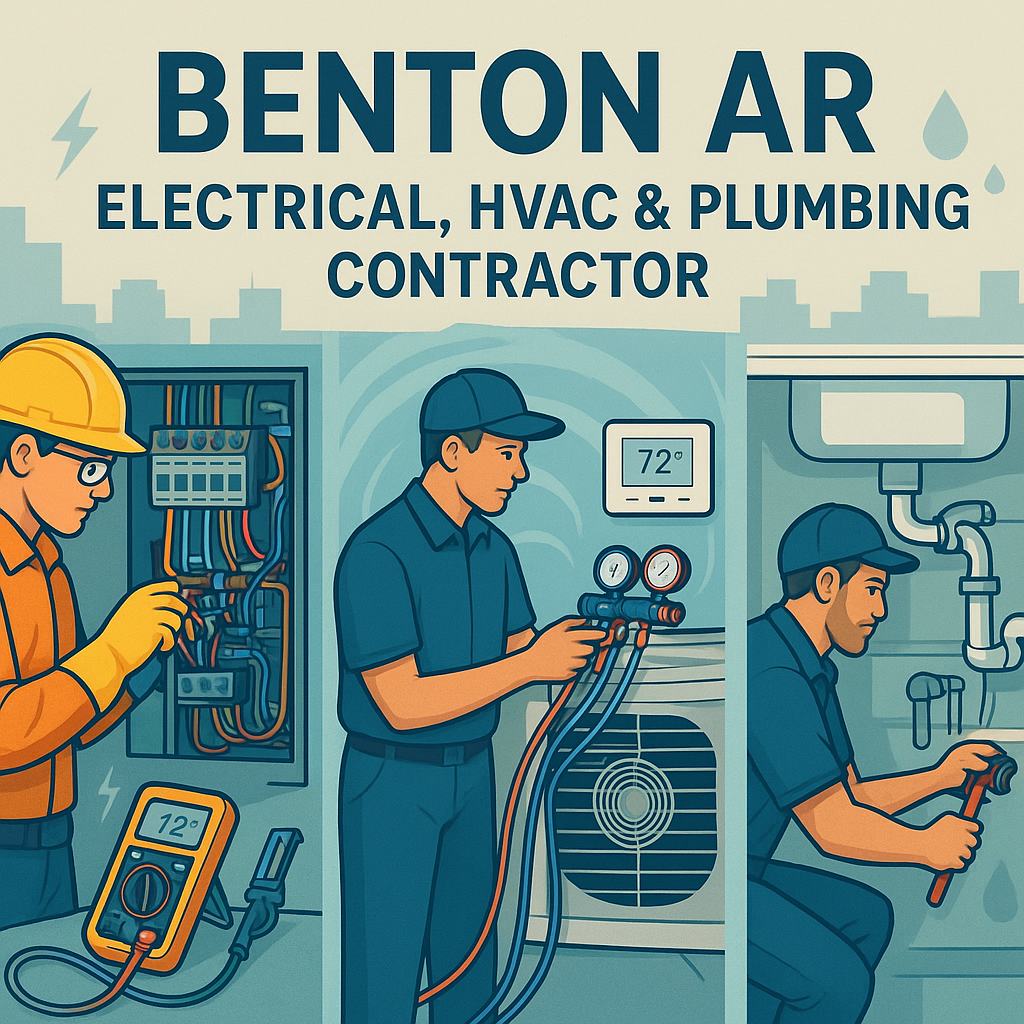
Have you ever had that sinking feeling when an essential home repair goes wrong? Maybe the lights won’t stop flickering after a “quick fix,” or a new AC unit fails just as summer hits its peak. In those moments, you want to know one thing for certain: the person you hired is someone you can trust. For homeowners and business owners in Benton, Arkansas, that trust often starts with something many people never see—a contractor bond.
You might not think about bonds every day, but they quietly shape the quality of work happening in your neighborhood. If you’re looking for a skilled electrician, HVAC technician, or plumber, understanding the role of a City of Benton Electrical, HVAC & Plumbing Contractor Bond can save you from headaches, unexpected costs, and sleepless nights. Let’s break it all down in a simple, no-jargon way.
Your personal credit score is the primary driver of your bond cost
Most freight broker applicants focus on the ,000 bond amount, but the part most applicants underestimate is how heavily their personal credit score impacts the premium. In practice, this often comes down to the underwriter's review of your FICO score. A score above 700 can secure a rate as low as 1-3% of the bond amount. A score below 650 can push rates to 10-15% or require a co-signer. What usually slows this down is applicants not knowing their exact score before applying, which leads to unexpected quotes and delays.
- Know your exact FICO score before you apply for an accurate quote
- Rates are tiered: Excellent credit (700+) pays 1-3%, while lower scores pay 10-15% or more
- If your score is below 650, prepare financials or consider a co-signer to improve approval odds
What Exactly Is a Contractor Bond?
Think of a contractor bond as a three-way promise. On one side, you have the contractor who needs the bond to get licensed. On the other side, you have the City of Benton or the state of Arkansas, requiring that bond to protect the public. The third party is the bonding company, which guarantees that the contractor will follow the rules.
If the contractor does something wrong—like violating building codes, failing to finish a job, or leaving you with a safety hazard—the bond can step in. It provides a financial safety net for the homeowner or property owner. It’s not insurance for the contractor. It’s a layer of third-party liability protection for you.
Imagine you’re at a fair and you want to ride a giant Ferris wheel. You trust that the operator has passed safety inspections and carries the right permits. A contractor bond works a lot like that background check. It says, “This professional is serious enough to put money behind their promise.”
Why Does Benton, AR Require These Bonds?
Different cities have different rules, and Benton takes the safety of its residents seriously. When a contractor applies for a license to do electrical, HVAC, or plumbing work inside city limits, they often need to file a bond. This requirement isn’t meant to make life hard for honest workers. It’s there to filter out fly-by-night operators and give you recourse when things don’t go as planned.
The City of Benton Electrical, HVAC & Plumbing Contractor Bond ensures that tradespeople follow local codes, complete work properly, and treat your property with respect. If they fall short, the bond can pay for damages up to a set amount. This type of bond is sometimes called an Electrical Contractor – 3rd Party Liability bond, because it directly shields clients and the public from financial loss.
Without these bonds, anyone could claim to be an expert, take your money, and disappear. The bonding process requires a background check and a financial review, which adds a layer of accountability right from the start.
Who Needs a Contractor Bond in Benton?
If you’re a homeowner reading this, you might wonder: “Does my plumber really need one?” The short answer is yes, for many licensed pros. Here’s a quick overview of the trades that commonly need bonding in Benton:
- Electrical contractors – Running wires, upgrading panels, installing generators.
- HVAC technicians – Servicing heating and cooling systems, installing ductwork, repairing refrigeration.
- Plumbing contractors – Fixing leaks, replacing water heaters, handling gas lines.
For each of these professions, the bond acts like a stamp of approval from the city. Before you let someone rewire your kitchen or overhaul your air conditioning, asking about their bond is a smart move. It’s just as important as checking reviews or getting a warranty.
The Link Between Licensing and Bonding
In many cases, you can’t get a license without a bond. The City of Benton uses the bond to enforce standards. If a contractor violates the rules, a claim can be filed against the bond. That money then helps correct the problem. In extreme cases, a contractor with too many claims may lose their ability to get bonded again, which effectively blocks them from working in the city. It’s a tidy system that encourages quality and fairness.
How Do Contractor Bonds Work in the Real World?
Let’s say you hire an HVAC company to replace your furnace. The job looks fine at first, but a month later, you discover they cut corners on venting, creating a carbon monoxide risk. You’re furious—and worried. A bonded contractor means you’re not stuck holding the whole bill. You can file a claim with the bonding company. After an investigation, if the claim is valid, you could receive compensation to fix the dangerous work.
This is exactly what third-party liability means. The first party is the contractor, the second party is the bond provider, and you—the client—are the protected third party. You didn’t sign a contract with the bonding company, but you still benefit from the guarantee.
Of course, no one wants to go through the claims process. The best scenario is hiring a bonded contractor who does the job right the first time. That peace of mind is worth a lot when you’re looking at a major home improvement cost.
What Should Homeowners Ask Before Hiring?
Now that you understand why a Benton AR Electrical, HVAC & Plumbing Contractor Bond matters, how do you use that information during the hiring process? It’s easier than you think. A few friendly questions can make all the difference:
“Are you licensed and bonded to do this work in Benton?” If they hesitate, that’s a red flag. A reputable professional will answer without blinking. They might even show you their bond certificate.
“What kind of bond do you carry?” Not all bonds are the same. You’re looking for a license or permit bond that covers the specific trade—electrical, HVAC, or plumbing. Some contractors might also carry general liability insurance. That’s separate but equally important. The bond covers your losses if they break the rules; insurance covers accidents and property damage.
“Can I verify the bond with the city?” Many municipalities keep a public database. In Benton, you can often call the city clerk’s office or check online to see if a contractor’s license and bond are current. It takes five minutes but sets your mind at ease.
Common Misunderstandings About Contractor Bonds
Let’s clear up a few myths that float around:
- Bonds are the same as insurance. They’re not. Insurance protects the contractor’s business. A bond protects you, the consumer, from specific violations.
- A bonded contractor can’t make a mistake. Everyone is human. The bond simply guarantees there’s a way to make it right.
- Only huge jobs need bonded pros. Even a simple water heater swap can lead to a flooded basement if the work is done wrong. Bonding matters for jobs of all sizes.
- Bonds cost homeowners extra. The contractor pays a small percentage of the total bond amount as a premium. They might factor that into their pricing, but it’s not a direct fee you see. Think of it as a tiny investment in your own protection.
The Human Side of Bonding
It’s easy to get lost in legal terms and paperwork, but at its heart, a contractor bond is about trust. When a local electrician decides to get bonded, they’re sending a message. They’re saying, “I believe in my work enough to stand behind it with a financial guarantee.” That mindset fosters a stronger relationship between you and the person showing up at your front door.
Have you ever hired someone because a friend vouched for them? A bond is like a community-wide vouch. The City of Benton, after reviewing the contractor’s qualifications, gives a green light. And the bonding company, a neutral third party, adds its own seal of approval. You’re not just relying on a handshake; you’re backed by an entire system designed to keep things fair.
How to Check a Contractor’s Bond Status Quickly
You don’t need to be a detective. Start with a simple online search for “Benton AR contractor license lookup” or visit the city’s official website. Some contractors list their bond number right on their business card or proposal. If you’re still unsure, pick up the phone and call. A quick conversation with the local permitting office can confirm whether that electrical, HVAC, or plumbing professional is in good standing.
What if a contractor isn’t bonded but still offers a lower price? You might save a few dollars today, but you could pay many times that later if something fails. It’s a gamble that rarely pays off. Your home is too important for shortcuts.
Looking Ahead: A Safer, Smarter Way to Hire
Next time your air conditioner rattles its last cold breath or your bathroom faucet starts sounding like a haunted house, pause before you grab the cheapest estimate. Ask yourself: does this person carry the proper City of Benton Electrical, HVAC & Plumbing Contractor Bond? Have they committed to the kind of accountability that protects my family and my wallet?
By making bonding a non-negotiable part of your hiring checklist, you join other smart homeowners who value quality and peace of mind. You’re not just fixing a problem—you’re building a safer home, one trusted expert at a time. And that’s a choice you’ll never regret.
Wrapping It All Up
Contractor bonds may not be the most glamorous topic, but they quietly power the trust between you and the professionals who keep your home comfortable and safe. In Benton, Arkansas, the requirement for an electrical, HVAC, and plumbing bond raises the bar for everyone. It protects your finances, ensures code compliance, and gives you a clear path to resolution if a job goes sideways.
Whether you’re planning a full kitchen remodel or just need a faulty outlet fixed, remember to ask that one simple question: “Are you bonded?” The answer can make all the difference between a project that brings relief and one that brings regret.