A compliance bond for Baton Rouge sidewalk, curb, and drainage projects guarantees contractors follow city codes and cover repair costs for defective work, protecting taxpayers from subpar jobs. This bond serves as a safety net that filters out unreliable contractors while helping serious ones win more bids and build trust.
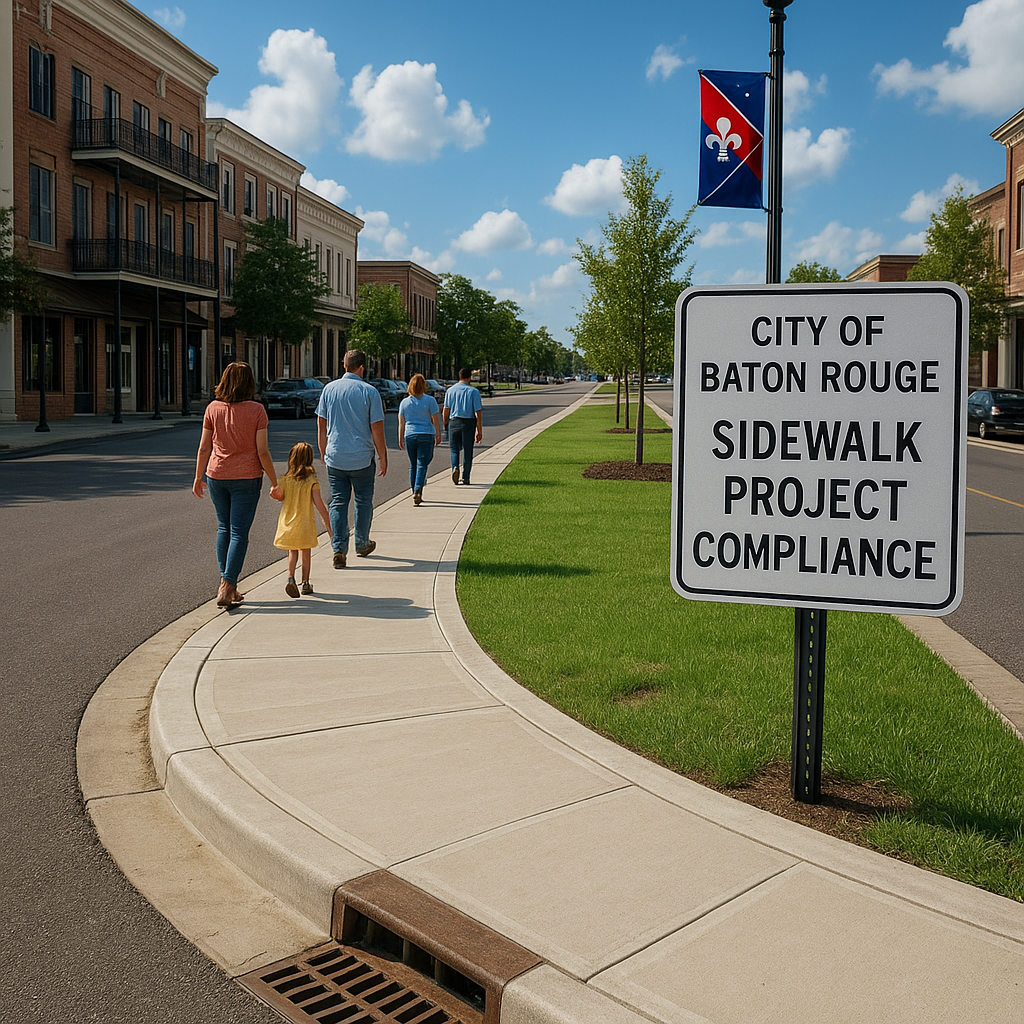
Picture this: You’re a contractor who just landed a job to fix up sidewalks, curbs, or drainage in Baton Rouge. You’ve got the crew, the tools, and the know-how. Then someone mentions a “compliance bond,” and suddenly it feels like you’re wading through paperwork mud. Don’t worry – that bond isn’t a hurdle; it’s a partner that keeps everyone safe and projects on track. Let’s break it all down in plain language so you’ll know exactly what this bond is, why it exists, and how it actually benefits you and your neighbors.
Your personal credit score is the primary driver of your bond cost
Most freight broker applicants focus on the ,000 bond amount, but the part most applicants underestimate is how heavily their personal credit score impacts the premium. In practice, this often comes down to the underwriter's review of your FICO score. A score above 700 can secure a rate as low as 1-3% of the bond amount. A score below 650 can push rates to 10-15% or require a co-signer. What usually slows this down is applicants not knowing their exact score before applying, which leads to unexpected quotes and delays.
- Know your exact FICO score before you apply for an accurate quote
- Rates are tiered: Excellent credit (700+) pays 1-3%, while lower scores pay 10-15% or more
- If your score is below 650, prepare financials or consider a co-signer to improve approval odds
What Exactly Is a Sidewalk and Drainage Compliance Bond?
Think of a surety bond as a three-way promise. You, the contractor, promise the City of Baton Rouge that you’ll do the job right – following all local codes, keeping the area safe, and fixing any mess-ups. The city (the “obligee”) requires this promise, and a bonding company (the “surety”) backs you up financially if something goes wrong. The bond for sidewalks, gutters, curbs, and drainage work is a specialty compliance bond. It’s not insurance for your tools; it’s a guarantee for the public that your work will meet Baton Rouge’s standards.
Imagine you’re building a new curb along a neighborhood street. If your concrete crumbles six months later because it wasn’t mixed right, the city can tap into that bond to pay for repairs. No taxpayer money gets burned, and your reputation doesn’t have to take the whole hit alone. The bond covers things like defective materials, sloppy workmanship, or simply walking away before the job passes inspection.
Why Baton Rouge Insists on This Bond
Baton Rouge sees a lot of rain, and proper drainage isn’t a luxury – it keeps streets from turning into rivers and foundations from soaking up trouble. Sidewalks and gutters are the quiet heroes that move water away, protect pedestrians, and hold everything together. When a contractor cuts corners, the whole block feels it. A sunken sidewalk can trip a neighbor; a clogged drain can flood a yard.
By requiring a bond, the city creates a safety net. It’s not about making life hard for honest contractors. It’s about filtering out the few who might disappear mid-project or use subpar materials. The bond says, “We trust you, but we’ve got a backup plan.” It’s a lot like a rental deposit – if you leave the apartment spotless, you get your deposit back. Here, if your work passes muster and holds up over the required period, the bond simply fulfills its purpose and the obligation ends.
How This Bond Protects You as a Contractor
You might think, “Great, another expense.” But look closer. Having a bond in place can actually help you win more bids. It tells the city and private developers that you’re serious, vetted, and financially responsible. Small and growing businesses often use bonding as a marketing tool – it’s proof you stand behind your work.
Plus, the bond shoulders the cost of a worst-case scenario. Say a heavy storm washes out a section of new gutter before the city signs off, and it’s attributed to an installation flaw. Without a bond, you’d pay out of pocket immediately, which could stall your next project. With a bond, the surety steps in to arrange a fix and then works out a repayment plan with you. It cushions the blow and keeps your cash flow steadier. It’s not a “get out of jail free” card – you’re still ultimately responsible – but it buys you time and shows the city the problem will be solved quickly.
What Kind of Projects Require This Bond?
This isn’t just for giant municipal contracts. You’ll likely need a Baton Rouge sidewalk, curb, gutter, or drainage bond if you’re doing any of the following:
- Repairing or installing public sidewalks in residential zones
- Building new curbs and gutters for a subdivision entrance
- Replacing storm drains or catch basins under city streets
- Upgrading drainage channels to prevent neighborhood flooding
- Any work within the city right-of-way that touches these structures
If your contract involves both public and private money – like a developer paying for street improvements that the city will later own – the bond is often non-negotiable. When in doubt, check the city’s public works department or your project specs. They’ll list “compliance bond” right next to the requirements for insurance and licenses.
The Journey from Application to Bond in Hand
Getting bonded isn’t as tangled as you might fear. Here’s the typical road map:
Step 1: Gather your paperwork. You’ll need your contractor’s license, a business financial statement, and details about the specific project. The bonding company wants to see that you’ve successfully completed similar work before. If you’re new, don’t panic – some sureties work with startups by looking at personal credit and business plans.
Step 2: Get a quick quote. Reach out to a surety bond agency that understands Louisiana municipal bonds. They’ll ask the project value and the bond amount the city requires – usually a percentage of the total contract. Then they’ll plug in your info and give you a premium. Premiums for these compliance bonds often fall between 1% and 3% of the bond amount, sometimes less for strong credit profiles.
Step 3: Underwriting – the “getting to know you” phase. The surety reviews your experience, finances, and the job’s complexity. Think of it like a job interview where you show you’re capable of completing the work without hiccups. They’re not looking for perfection, just reasonable assurance.
Step 4: Pay the premium and file the bond. Once approved, you pay a small percentage (not the full bond amount) and the surety issues the bond form. You then file that document with the City of Baton Rouge as part of your permit package. The city holds onto it until all work passes final inspection and any maintenance period ends.
What If Something Goes Sideways?
Nobody wants a claim, but it’s smart to know the process. If the city inspector finds a serious defect – like a curb crumbling or a drainpipe collapsing – they’ll notify you to fix it. If you don’t respond in time, the city can file a claim against your bond. The surety investigates, and if the claim is valid, they pay to remedy the situation up to the bond limit. Then, the surety will come to you for reimbursement. Yes, you pay them back. That’s why it’s crucial to address issues before they become formal claims. Communicate with the city, do a walkthrough early, and keep your work tight.
Debunking a Couple of Bonding Myths
Myth 1: “The bond protects me from lawsuits.” Nope. It protects the city and public. If someone trips on your unfinished sidewalk and sues you, that’s a liability insurance matter, not the bond. The bond focuses solely on your performance and compliance with local codes.
Myth 2: “Only huge companies can afford this bond.” Plenty of small, local contractors get bonded every day. Premiums are tailored to the risk, and many agencies offer flexible payment plans. If your finances are a bit rocky, you can sometimes strengthen your application by showing strong project references or having a co-signer.
Making the Bond Work for Your Business
Instead of viewing the bond as a bureaucratic speedbump, fold it into your professional brand. When you hand a client or city official your paperwork, casually mention, “And of course, I’m fully bonded, so your project is 100% secure.” That peace of mind often tilts the decision in your favor. It’s a quiet signal of reliability.
To keep bond costs low, maintain good relationships, pay subcontractors fairly, and always finish what you start. A history of completed projects without claims will help your premium rates drop over time. Some sureties even offer discounts for repeat customers or those who bundle bonds with other insurance products.
What the City Wishes You Knew
Baton Rouge’s growth means more streets, more foot traffic, and more water to manage. The city isn’t trying to trap you in red tape – they’re weaving a safety fabric that stretches from the planning desk to the last drop of curing concrete. When every contractor plays by the same rules, the quality of life ticks upward for everyone. And honestly, a bond is a lot simpler than arguing over who pays for a collapsed drain three years later. It sets clear expectations upfront.
Have you ever walked down a freshly paved sidewalk and noticed how smoothly rainwater runs into the gutter? That seamless flow is the result of careful, bonded work. Little details like that keep neighborhoods walkable, dry, and appealing to families and businesses alike.
Your Next Steps
If you’re preparing to bid on a Baton Rouge sidewalk or drainage project, start a conversation with a local surety bond expert. Ask these questions:
- What’s the exact bond amount I need for this contract?
- Does the city require the bond just for construction, or also for a maintenance period?
- How fast can I get the bond after applying?
Gather your licenses, project details, and a little patience. The bonding process often takes just a few days once you have everything together. Before you know it, that piece of paper will be filed, and you’ll be breaking ground with confidence.
Infrastructure isn’t just concrete and pipes – it’s the backbone of a thriving community. The Sidewalk, Gutters, Curb, and Drainage Compliance Bond might seem like a small cog in a big machine, but it keeps the gears turning smoothly. When the work is done right, everyone gets to enjoy a safer, more beautiful Baton Rouge. And you, the contractor, earn the trust that leads to even more opportunities down the road.