Electricians in Central, Louisiana need contractor bonds to protect clients and the public from faulty work, especially given the serious risks of electrical errors. These bonds, often covering third-party liability, are required for permit approval and ensure funds exist to fix damages if a contractor fails to meet code.
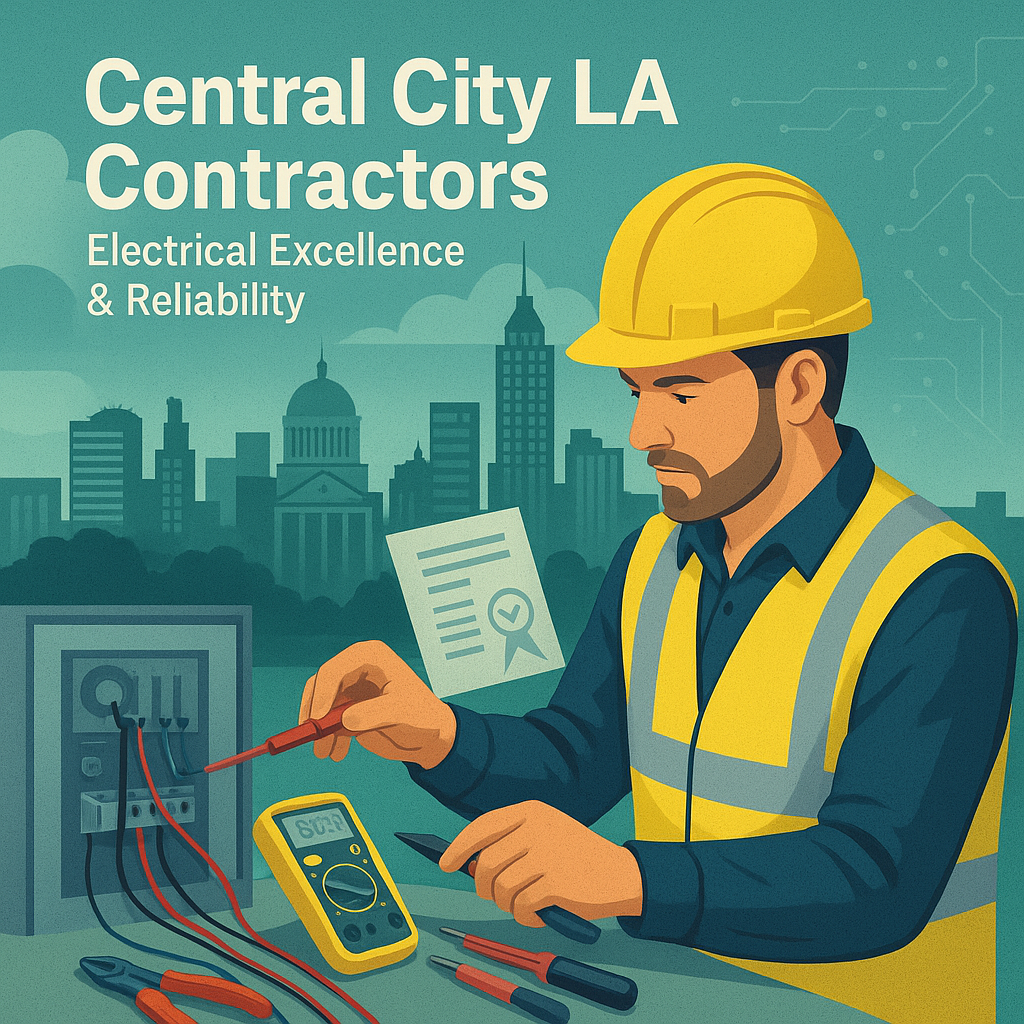
If you’re an electrician in Central, Louisiana—or just someone hiring one for a home renovation—you’ve probably heard the words “contractor bond” tossed around. Maybe the city told you it’s required. Maybe a client asked if you’re bonded. It sounds like extra paperwork, but it’s actually a straightforward way to build trust and keep projects safe. So what exactly is a City of Central LA contractors bond, and why does it matter so much for electrical work? Let’s break it down like we’re chatting over coffee.
Thinking a license bond is about your work quality
Most contractors believe the Arizona Contractor License Bond guarantees their project performance. It doesn't. This bond is a financial guarantee to the state that you will follow licensing laws, pay owed taxes, and cover certain public liabilities from your business operations. The part most applicants underestimate is the personal credit check. Underwriters review your credit to assess the risk you'll default on the bond's financial obligation, not your skill as a contractor. A low score doesn't automatically disqualify you, but it directly impacts your premium rate and the speed of approval.
- The bond protects the public and state, not your client's project outcome.
- Your personal credit score is the primary factor determining your bond premium.
- You are personally liable for any claims paid by the surety on your bond.
What Is a Contractor Bond, Really?
Think of a contractor bond as a three‑way promise. You have the electrician (that’s you), the city or client (the obligee), and a surety company that backs the promise. If the electrician doesn’t follow the rules—like finishing the job correctly or pulling the right permits—the bond steps in to protect the client and the public. It’s not insurance for the contractor. It’s a safety net for the people who rely on the work.
In Central, Louisiana, these bonds are often called Central City LA contractors bond or simply a license and permit bond. The city uses them to make sure everyone plays fair. When you get one, you’re telling the community, “I stand behind my work, and if I slip up, there’s a plan in place.”
Why Electrical Contractors in Central Need a Bond
Electricity is wonderful, but it’s also something you don’t want to get wrong. Faulty wiring can cause fires, shocks, or worse. That’s why the City of Central requires electrical contractors to carry a bond—often referred to as an Electrical Contractor – 3rd Party Liability bond. The goal? Keep neighborhoods safe and make sure every job meets the local electrical code.
It’s easy to see this as just another hoop to jump through, but picture this: you hire an electrician to rewire your kitchen. They finish the work and leave. Two weeks later, you notice a burning smell behind the walls. Without a bond, you might be stuck chasing the contractor for repairs while your family sits in the dark. With a bond, the surety company can step in and help cover the cost to fix things right. That peace of mind is exactly why the rule exists.
Third‑Party Liability: What That Means for You
The phrase “third‑party liability” shows up a lot with these bonds. It’s simpler than it sounds. The first party is the electrician. The second party is the city or the person who hired them. The third party is anyone else who could be hurt by the work—like a neighbor whose property gets damaged or a visitor who gets injured. The bond makes sure there’s money set aside to make things right for that third party if something goes wrong. In LA City of Central, Louisiana, this layer of protection is a non‑negotiable part of pulling an electrical permit.
How Much Bond Coverage Does Central Require?
Every city sets its own bond amount, and Central is no different. For most electrical contractors, the bond amount is a number that balances risk and fairness. It’s not meant to break the bank—just to provide a meaningful cushion. In many Louisiana municipalities, electrical bonds range from $5,000 to $25,000. You’ll want to check directly with the City of Central’s building or permitting office to confirm the exact figure for your license class, because the requirement can change based on the scale of work you do.
But here’s the part people love: you don’t pay the full bond amount out of pocket. You pay a small percentage—usually between 1% and 5% of the total bond—as a premium. If your bond is $10,000, you might only pay $100 to $300 a year. Much easier to handle than writing a five‑figure check.
The Bond vs. Insurance: A Quick Clarifier
This trips up a lot of folks, so let’s clear the air. Your general liability insurance protects you if something goes wrong on the job. The city‑required bond protects the public. If you accidentally damage a client’s hardwood floor, your insurance might cover it. If you fail to pull a permit or your work violates the code, the bond claim kicks in. Both are important, but they do different jobs. In Central, you typically need the bond before you can even get your license renewed or a permit issued.
How to Get Your City of Central LA Contractors Bond
The process is smoother than you might think. Here’s how it usually goes:
- Confirm the requirement: Reach out to the City of Central’s permit office and ask for the exact bond form and amount. They might call it a “license bond” or “electrical contractor’s bond.”
- Find a surety agency: You can go through an insurance agent who handles bonds, or use an online surety marketplace. Give them the city’s bond form.
- Apply in minutes: The application asks basic stuff—business name, years of experience, and sometimes a soft credit check. No big mystery.
- Pay the premium: Once approved, you pay that small yearly fee.
- File it with the city: The surety gives you the bond document. You file it with the Central permit office, and you’re good to go.
Most electricians can wrap this up in a day or two. It’s a tiny administrative step that unlocks a whole world of projects in Central City LA.
What If You Have Less‑Than‑Perfect Credit?
Don’t stress. Surety companies understand that life happens. For smaller bonds like these, the credit check is often a soft pull that doesn’t hurt your score. Even with bumps on your credit report, you can still qualify. The premium might be a touch higher, but it’s rarely a door‑closer. Think of it like getting a cell phone plan—there’s almost always a tier that works for you.
What Happens If a Claim Is Filed Against Your Bond?
No one wants to think about a claim, but it’s smart to understand the process. Imagine a homeowner says your panel installation caused a short that fried their electronics. They file a complaint with the city or directly with the surety. The surety investigates. If the claim is valid, the surety pays up to the bond amount to make things right. Here’s the critical part: you must repay the surety for any payout. A bond isn’t a gift—it’s a form of credit. That’s why doing the job right the first time is always your best defense.
A claim can feel scary, but it also shows why the system works. The homeowner gets help quickly, and you get a nudge to double‑check your standards. Most electricians in LA City of Central, Louisiana go their whole careers without a single claim.
Renewing Your Bond Without Headaches
Bonds typically last one year and need to be renewed alongside your license. The city might send a reminder, but it’s really on you to stay current. Mark your calendar a month before expiration. Renewal is usually just paying the premium again—no big re‑application needed unless something changed with your business. Letting it lapse can pause your ability to pull permits, which means stalled projects and unhappy clients. Keep it active, and you keep the work flowing.
Real‑Life Example: The Kitchen Rewire That Kept Peace on the Block
Let’s put all this into a story. Jenny and Mark in Central decide to update their 1960s kitchen. They hire an electrician who’s fully bonded. Mid‑project, the electrician accidentally damages a water line that spills into the neighbor’s ceiling below. Total accident—no one’s fault really. The electrician’s bond covers the neighbor’s repair, and the job keeps moving. The couple doesn’t have to battle over who pays, and the neighbor sees how the bond protected them. That’s the quiet power of a Electrical Contractor – 3rd Party Liability bond. It turns a potential nightmare into a fixable hiccup.
Do You Really Need This Bond as a Homeowner Hiring an Electrician?
Short answer: you don’t buy the bond, but you absolutely want an electrician who has one. Asking “Are you bonded?” is your simplest shield. If a contractor shrugs and says they don’t need one, that’s a red flag. The City of Central requires it for a reason. Always verify by asking for a copy of the bond or checking with the city’s permit office. It takes two minutes and can save you thousands.
Wrapping Up the Bigger Picture
At first glance, a City of Central LA contractors bond looks like bureaucracy—one more form and a fee. But when you dig in, it’s just a community looking out for itself. Electrical work powers our lives, and the bond makes sure that power stays safe and dependable. For electricians, it’s a badge of credibility. For homeowners, it’s invisible armor. And for Central, Louisiana, it’s part of what keeps the city strong and thriving.
So next time you hear “bond requirement,” don’t think headache. Think handshake. It’s the city’s way of bringing everyone to the table with trust already on it. If you’re ready to get bonded or have questions, start with a quick call to a surety pro—you might be surprised how fast and friendly the whole thing is.