Contractors working in Horn Lake, Mississippi, must obtain a license bond to guarantee compliance with local building codes and protect clients from financial losses. This three-party agreement between the city, contractor, and surety company ensures accountability for project abandonment or code violations.
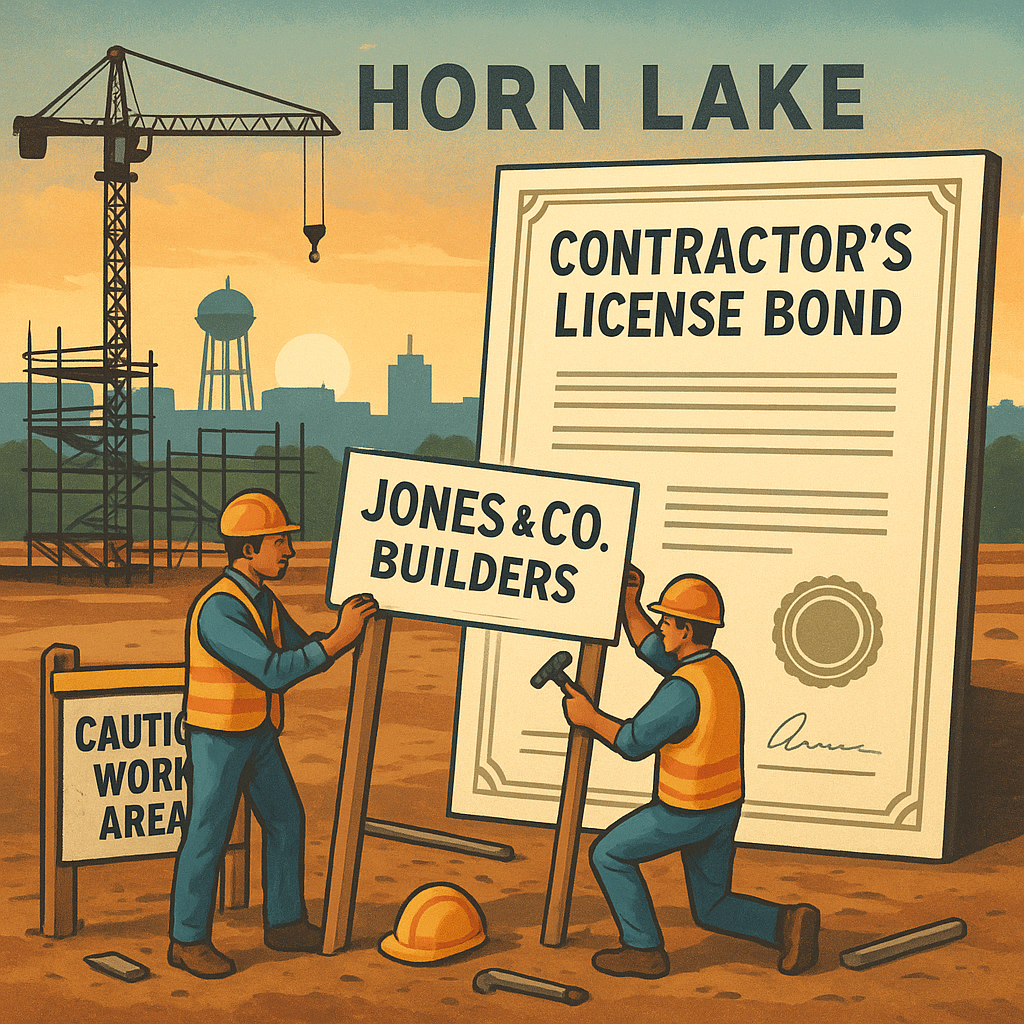
If you’re a contractor planning to work in Horn Lake, Mississippi, you might have heard the term “contractor’s license bond” tossed around. At first glance, it can feel like just another hoop to jump through. But once you understand what it is and why the city requires it, you’ll see it’s actually a straightforward tool designed to protect everyone involved—including your business. Let’s walk through everything you need to know about the Horn Lake MS contractor’s license bond, how it works, and how you can stay compliant without the headache.
Your personal credit score is the primary driver of your bond cost
Most freight broker applicants focus on the ,000 bond amount, but the part most applicants underestimate is how heavily their personal credit score impacts the premium. In practice, this often comes down to the underwriter's review of your FICO score. A score above 700 can secure a rate as low as 1-3% of the bond amount. A score below 650 can push rates to 10-15% or require a co-signer. What usually slows this down is applicants not knowing their exact score before applying, which leads to unexpected quotes and delays.
- Know your exact FICO score before you apply for an accurate quote
- Rates are tiered: Excellent credit (700+) pays 1-3%, while lower scores pay 10-15% or more
- If your score is below 650, prepare financials or consider a co-signer to improve approval odds
What Exactly Is a Contractor’s License Bond?
Think of a contractor’s license bond as a safety net. It’s not insurance for your tools or your truck. Instead, it’s a three-party guarantee that you’ll follow the rules. The city (Horn Lake) requires you to post this bond before you can pull permits or start certain jobs. If you break local building codes, abandon a project, or fail to pay subcontractors, the bond steps in to cover financial losses up to a set amount.
Here’s the simple breakdown: The city is the obligee—they’re the ones asking for protection. You, the contractor, are the principal. The surety is the company that backs the bond financially. If a claim is made and proven, the surety pays out, but then you’re responsible for paying the surety back. So it’s not a free pass. It’s more like a promise you make visible and binding.
Why Horn Lake Requires a Bond for Contractors
Horn Lake is a growing community in DeSoto County, just a stone’s throw from Memphis. With that growth comes a steady stream of residential and commercial construction. The city wants to make sure every contractor who hangs a shingle is serious, qualified, and accountable. The bond requirement filters out fly-by-night operators and protects homeowners from shoddy work or financial loss.
Imagine hiring someone to remodel your kitchen, only to have them disappear after demolition day. Without a bond, you might be left holding the bag. The bond gives property owners a clear path to recover losses without waiting years in court. For the city, it’s a tool to uphold building standards and maintain trust in the local construction market.
Who Needs a Horn Lake MS Contractor’s License Bond?
The short answer: most contractors who need a city-issued license to operate. This typically includes general contractors, electrical contractors, plumbing contractors, HVAC specialists, and sign contractors. If you’re a sign contractor, for example, you’re specifically listed under compliance requirements. The bond ensures your signage installations meet safety and zoning codes, protecting both pedestrians and property.
Even if you’re a small, one-person operation, don’t assume you’re exempt. The requirement often applies based on the type of work, not the size of your crew. It’s always wise to check directly with the Horn Lake Building Department or your licensing office to confirm your specific obligations. Requirements can change, and you don’t want to find out you’re noncompliant when you’re ready to break ground on a new project.
How the Bond Amount Is Determined
You might wonder, “How much bond coverage do I need?” In Horn Lake, the required bond amount can vary depending on your trade and the scope of work. Some cities set a flat amount, say $10,000 or $25,000, for all contractors. Others tie it to the project value or the contractor’s volume of work. For example, a sign contractor’s license bond might be a fixed amount set by city ordinance.
The best approach is to call the city’s permitting office or look up the municipal code online. Once you know the required amount, you can shop for a bond. Here’s where many contractors get a nice surprise: you don’t have to pay the full bond amount upfront. You only pay a small percentage, called the premium, based on your credit and financial history.
Understanding the Cost of Your Bond
Contractors often brace for a hefty expense, but bond premiums are generally quite affordable. If you have good credit, your premium might be as low as 1% to 3% of the total bond amount. So if Horn Lake requires a $10,000 bond, you could pay just $100 to $300 per year. Even with less-than-perfect credit, options are available, though the rate may be slightly higher.
The key factors that influence your bond cost include your personal credit score, business financials, and experience in the industry. A clean track record with no prior bond claims will also work in your favor. It’s similar to buying car insurance—you want to show you’re a low-risk driver. But here, you’re proving you’re a low-risk contractor.
Sign Contractor – Compliance Only: What That Means
In the article snippet you’ll see the phrase “Sign Contractor – Compliance Only.” This is an important distinction. For sign contractors in Horn Lake, the bond is specifically about compliance with municipal codes, zoning laws, and safety regulations. It’s not about general workmanship in the same broad sense. If you install a sign that fails to meet height restrictions or becomes a public hazard, that’s where the bond comes in. It ensures the city can remedy code violations without dipping into taxpayer funds.
Compliance-only bonds are common for specialized trades where the primary risk is regulatory rather than structural. They keep contractors accountable to the rules that protect the aesthetic and safety of the community.
How to Apply for Your Horn Lake Contractor’s License Bond
Getting bonded is a surprisingly quick process, often done entirely online. You’ll need to provide basic information about yourself and your business—think name, address, license number if you have one, and the required bond amount. The surety company will run a soft credit check in most cases. Once approved, you’ll receive a digital bond form that you can forward directly to the city.
Here’s a simple checklist to make it painless:
- Confirm your bond amount with the Horn Lake Building Department.
- Gather your business info—EIN, license details, and any registration numbers.
- Choose a reputable surety broker who specializes in contractor bonds.
- Complete the application and pay the premium.
- Submit the bond to the city to finalize your license.
Many brokers can turn this around in 24 hours or less. So even if you’re under a time crunch, you don’t need to panic. Just make sure you’re working with a knowledgeable agent who understands Mississippi’s local requirements.
Staying Compliant After You’re Bonded
Once you have your bond in place, your job isn’t entirely done. Bonds are typically renewed on an annual basis. You’ll need to keep your bond active for as long as you hold your city license. Letting it lapse can result in fines, license suspension, or even revocation. Set a calendar reminder a month before expiration so you have plenty of time to renew.
Also, understand that claims against your bond can jeopardize your ability to stay bonded in the future. If a client files a valid claim and the surety pays out, you’ll need to reimburse that amount. More importantly, your future bond premiums could increase, and some sureties might decline to renew. So treat your bond as a serious pledge—do quality work, communicate clearly, and follow all local building codes.
Common Myths About Contractor Bonds
Let’s clear up a few misconceptions. First, a bond is not the same as general liability insurance. Insurance protects you from accidents or property damage; the bond protects the public and the city from your failure to comply with laws. Second, you cannot simply “buy and forget” a bond. It’s an ongoing obligation. Third, even if you’re an excellent contractor, the bond is mandatory—not a reflection of your skills, but a standard requirement for everyone.
Think of it like a driver’s license. You might be the safest driver on the road, but you still need to possess a valid license to legally drive. The bond is your business’s license to operate legally within Horn Lake’s jurisdiction.
What Happens If You Work Without a Bond?
Operating without the required contractor’s license bond in Horn Lake can lead to significant trouble. The city can issue stop-work orders, levy fines, and potentially bar you from future projects. Beyond the legal penalties, you risk your reputation. Word travels fast in a close-knit community. Being known as an unlicensed or unbonded contractor can dry up your leads faster than a Mississippi summer storm.
Homeowners and commercial clients are increasingly savvy. They often check a contractor’s license status and bonding before signing a contract. If you don’t have the bond, you might lose bids to competitors who do. Compliance isn’t just about avoiding punishment—it’s a mark of professionalism.
A Practical Analogy: The Security Deposit for Your Reputation
If the whole concept still seems fuzzy, consider this: a contractor’s license bond works a lot like a security deposit on a rental apartment. The landlord holds that deposit just in case you damage the property. If you leave the place spotless, you get it back (or never owe anything). With the bond, you’re putting your professional reputation on deposit. As long as you follow the rules, nothing happens. Break the rules, and the deposit gets used to fix the problem, and you have to replenish it.
The difference is you don’t tie up thousands of dollars upfront; you just pay a small fee for the privilege of having that deposit ready when needed.
Your Next Steps: Getting Bonded Today
Now that you understand the ins and outs, you’re probably ready to get your Horn Lake MS contractor’s license bond squared away. Start by reaching out to the city to nail down the exact bond amount and any special paperwork they require. Then connect with a surety bond provider that specializes in Mississippi contractor bonds. They’ll walk you through the application and get you a competitive quote.
Remember, this isn’t just about checking a box for the city. It’s about building a foundation of trust with your clients and your community. A bond signals that you stand behind your work and that you’re a professional worth hiring. In a competitive market, that kind of reassurance can set you apart.
So, are you ready to take the next step toward full compliance? A quick phone call or online application can put you on the path to bonding—and open the door to all the projects waiting for a reliable, licensed contractor in Horn Lake.