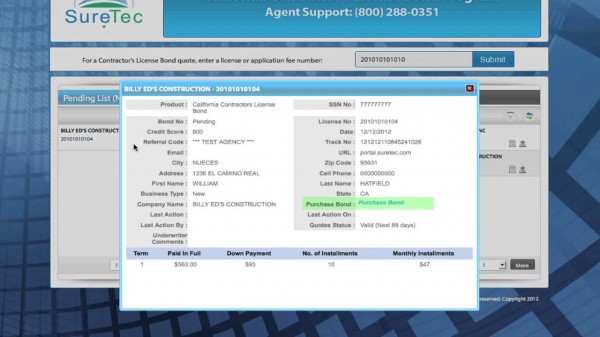
The California contractor’s bond portal is an online system for managing surety bonds, streamlining the process for contractors to obtain, renew, and verify their required bonds.
Navigating the requirements for contractor licensing and bonding in California can be a complex process. The state mandates that most contractors secure a surety bond as a fundamental condition for obtaining and maintaining their license. This bond serves as a financial guarantee to protect the public and project owners from potential losses due to a contractor’s failure to adhere to laws and contractual obligations.
To streamline this essential procedure, the state provides a dedicated online resource. The California contractor’s bond portal is an official system designed for managing these surety bond filings efficiently.
Using the portal offers significant advantages over traditional paper-based methods. It allows for faster processing and submission of bond documents directly to the Contractors State License Board (CSLB). This digital approach reduces errors, provides immediate confirmation of receipt, and enhances overall compliance management for your business.
To get started, you will need your contractor license number and the specific details of your surety bond. The portal’s interface guides users through each step, ensuring all necessary information is captured accurately.
Before initiating the process, ensure you have the following information and documents readily available:
- Your active CSLB-issued license number.
- The exact legal name of the business entity as it appears on the license.
- The bond number, issue date, and the name of the surety company providing the bond.
- A digital copy of the executed bond form for reference during data entry.
It is crucial to understand that the bond itself is a three-party agreement between the contractor, the surety company, and the state. The portal acts as the critical submission channel, but the financial instrument must be secured from a licensed surety provider. Maintaining an active and adequate bond is not optional; it is a continuous legal requirement for licensed contractors to operate within the state.
One common mistake contractors make is waiting until the final days of their bond term to renew through the portal. If the surety company delays issuing the replacement bond, your license can lapse into inactive status even though you initiated the renewal on time. Submit your renewal paperwork at least 30 days before the expiration date, and verify that the surety has filed the bond with the CSLB before the old one expires. Additionally, double-check that the bond amount matches your license classification, as certain specialties require higher coverage limits than the standard $15,000.
Failing to maintain a valid bond can result in severe consequences, including the immediate suspension of your contractor’s license. This action can halt ongoing projects, lead to financial penalties, and damage your professional reputation.
For further assistance, the CSLB website offers detailed guides and a dedicated support line for licensing and bond inquiries. Proactively managing your bond through the official portal is a best practice for safeguarding your license and ensuring the long-term viability of your contracting business.
The license is not the bottleneck your bond is
Most contractors focus on passing the trade exam, but the real delay is the surety bond underwriting. The state requires the bond, but the surety company requires a deep review of your personal credit, business financials, and project history. A low credit score or thin business file can trigger requests for additional collateral or personal indemnity, stalling the entire license application. What usually slows this down is applicants submitting incomplete financial statements or underestimating how their personal credit impacts the premium.
- Order your bond before your exam to lock in your rate and avoid last-minute underwriting surprises.
- Prepare two years of business and personal tax returns upfront—missing documents are the most common cause for delay.
- A credit score below 650 will likely require a financial statement and may increase your bond premium by 25-50%.