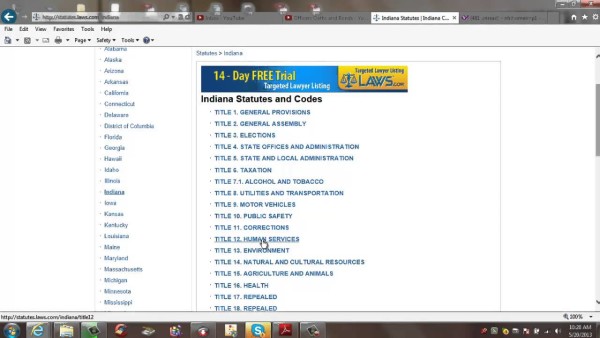
Bond and oath requirements for notaries public vary significantly by state, with specific forms and procedures mandated for each jurisdiction.
Navigating the requirements for notary bonds and oaths can be a complex process, as regulations vary significantly from one state to another. A notary bond is a type of surety bond that provides financial protection to the public against potential errors or misconduct by the notary public. This bond is a mandatory requirement in most states before a notary commission can be issued. The purpose of the bond is to ensure that the notary carries out their duties with integrity and in accordance with the law.
In contrast, the notary oath is a solemn promise made by the notary to perform their duties ethically and faithfully. This oath is typically administered by an authorized official, such as a county clerk or a judge, and is a separate legal requirement from the bond. Submitting the oath is a critical final step to activate your commission. While the bond protects the public, the oath holds the notary personally accountable to the state for their professional conduct. The oath must be taken in the precise form prescribed by state statute, and any deviation from that language can delay the issuance of your commission.
It is crucial to understand that a notary bond is not an insurance policy for the notary themselves; it protects the public. For personal liability coverage, notaries must purchase a separate errors and omissions (E&O) insurance policy. A common misconception is that the bond premium is a one-time cost; however, if your state requires a bond for each commission term, you will need to pay a new premium every time you renew, and rates can vary between surety providers.
To ensure you complete all steps correctly, follow this general sequence:
- Apply for your state notary commission.
- Purchase the required surety bond from a licensed provider.
- File your bond and any other required paperwork with the appropriate state or county office.
- Take your official oath of office before an authorized official.
- Submit your oath form to the commissioning authority to finalize your appointment.
State-Specific Bond Amounts
Bond amounts are not uniform across the country. For instance, California requires a $15,000 bond, while Texas mandates a $10,000 bond. You must verify the exact amount with your state’s commissioning agency, as these figures are subject to change by state legislatures. Some states also impose additional county-level bonds, so check both state and local requirements before purchasing your bond.
Where to File Your Documents
The filing location for your bond and oath depends entirely on your state’s statutes. Commonly, documents are filed with the Secretary of State’s office, the Governor’s office, or the county clerk in your county of residence. Always confirm the correct filing office to avoid delays in your commissioning process. In many jurisdictions, the bond must be filed before the oath is administered, so review the statutory order of operations carefully to avoid a rejected submission.
Penalties for Non-Compliance
Failing to maintain a valid bond or to properly file your oath can result in the suspension or revocation of your notary commission. Additionally, you could be held personally liable for damages that exceed the bond’s penal sum if a claim is made against you. Some states also impose monetary fines for practicing as a notary with an expired bond, which can accumulate daily until the issue is corrected.
Renewal Procedures
Notary commissions are valid for a set term, after which you must renew. The renewal process often requires purchasing a new bond and retaking the oath. Do not assume your previous bond automatically renews; you must secure a new one for each commission term. For authoritative information on state-level requirements, you can consult resources like the National Association of Secretaries of State (NASS).
Thinking a license bond is about your work quality
Most contractors believe the Arizona Contractor License Bond guarantees their project performance. It doesn't. This bond is a financial guarantee to the state that you will follow licensing laws, pay owed taxes, and cover certain public liabilities from your business operations. The part most applicants underestimate is the personal credit check. Underwriters review your credit to assess the risk you'll default on the bond's financial obligation, not your skill as a contractor. A low score doesn't automatically disqualify you, but it directly impacts your premium rate and the speed of approval.
- The bond protects the public and state, not your client's project outcome.
- Your personal credit score is the primary factor determining your bond premium.
- You are personally liable for any claims paid by the surety on your bond.