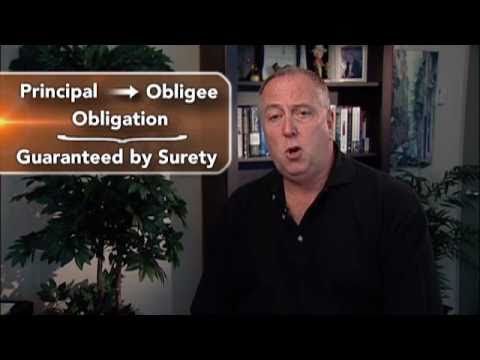
Construction surety bonds are three-party contracts that guarantee a contractor will complete a project according to its terms, protecting the project owner from financial loss.
Thinking a license bond is about your work quality
Most contractors believe the Arizona Contractor License Bond guarantees their project performance. It doesn't. This bond is a financial guarantee to the state that you will follow licensing laws, pay owed taxes, and cover certain public liabilities from your business operations. The part most applicants underestimate is the personal credit check. Underwriters review your credit to assess the risk you'll default on the bond's financial obligation, not your skill as a contractor. A low score doesn't automatically disqualify you, but it directly impacts your premium rate and the speed of approval.
- The bond protects the public and state, not your client's project outcome.
- Your personal credit score is the primary factor determining your bond premium.
- You are personally liable for any claims paid by the surety on your bond.
What Are Construction Surety Bonds?
Construction surety bonds are three-party agreements that guarantee a construction project will be completed according to the terms of a contract. They provide a financial guarantee from a surety company to the project owner (obligee) that the contractor (principal) will fulfill their obligations. This system protects public and private project owners from financial loss if a contractor fails to perform.
Main Types of Construction Bonds
There are three primary types of bonds used in construction, each serving a distinct purpose in managing project risk. Understanding the distinctions between them is critical for contractors who must secure the correct coverage for each bid and project phase.
Bid Bonds
A bid bond guarantees that a contractor will enter into a contract and provide the required performance and payment bonds if their bid is accepted. It ensures the bid is submitted in good faith. Without this protection, a project owner could be left with no recourse if a low bidder withdraws their offer after the award decision.
Performance Bonds
Performance bonds protect the project owner by guaranteeing the contractor will complete the project according to the contract terms and specifications. If the contractor defaults, the surety may finance the completion, hire a replacement contractor, or provide financial compensation. The surety’s primary objective is to mitigate the owner’s loss and ensure the project reaches substantial completion without unnecessary delay.
Payment Bonds
Payment bonds guarantee that the contractor will pay for labor, materials, and subcontractors used on the project. This protects suppliers and sub-contractors from non-payment and helps prevent mechanics liens from being filed against the property. On public works projects, payment bonds are particularly vital because mechanics liens cannot typically be enforced against government-owned property.
Why Are They Required?
Surety bonds are often mandated by law on public projects to protect taxpayer funds. For private projects, owners require them to mitigate financial risk and ensure contractor reliability. They provide a pre-qualification filter, as bonding companies perform rigorous financial and operational checks before issuing a bond. The underwriting process is a credit extension, not an insurance policy, meaning the contractor remains ultimately liable for any losses the surety incurs on their behalf.
To understand the legal framework for bonds on federal projects, you can refer to the Federal Acquisition Regulation (FAR) Part 28.
How to Get a Construction Bond
The process begins with the contractor applying to a surety company or bond agent. The surety conducts a thorough evaluation of the contractor’s financial health, work history, industry experience, and project management capabilities. This underwriting process assesses the contractor’s ability to successfully complete the project. Contractors who lack a dedicated line of credit or who have prior default history will face substantially higher scrutiny and may be required to provide collateral before any bond is issued.
- Prepare Financial Statements: Have up-to-date and accurate financial documents, including balance sheets and profit/loss statements. Most sureties require statements prepared by a CPA for bonds above a certain threshold.
- Demonstrate Experience: Provide a detailed track record of past projects, including references and a history of successful completions. Be ready to explain any project that finished over budget or behind schedule.
- Outline Project Details: Be prepared to present the specific contract, project plans, and a clear execution strategy for the job requiring the bond. The surety will verify that the project scope aligns with your company’s core competencies.
- Maintain Good Credit: A strong personal and business credit history is a significant factor in underwriting decisions and premium costs. Even a single outstanding tax lien can delay or derail the approval process.
Conclusion
Construction surety bonds are a cornerstone of risk management in the building industry, safeguarding project owners, subcontractors, and suppliers. By understanding the different bond types and the process to obtain them, contractors can better position themselves to secure the bonds necessary to bid on and win new projects.