The City of Tulsa requires sign hangers and billboard erectors to secure an indemnity bond as a financial guarantee of compliance with local codes, protecting public safety and neighborhood standards. This three-party agreement ensures contractors follow all municipal regulations, with the surety company backing the promise and the contractor liable for any claims paid out.
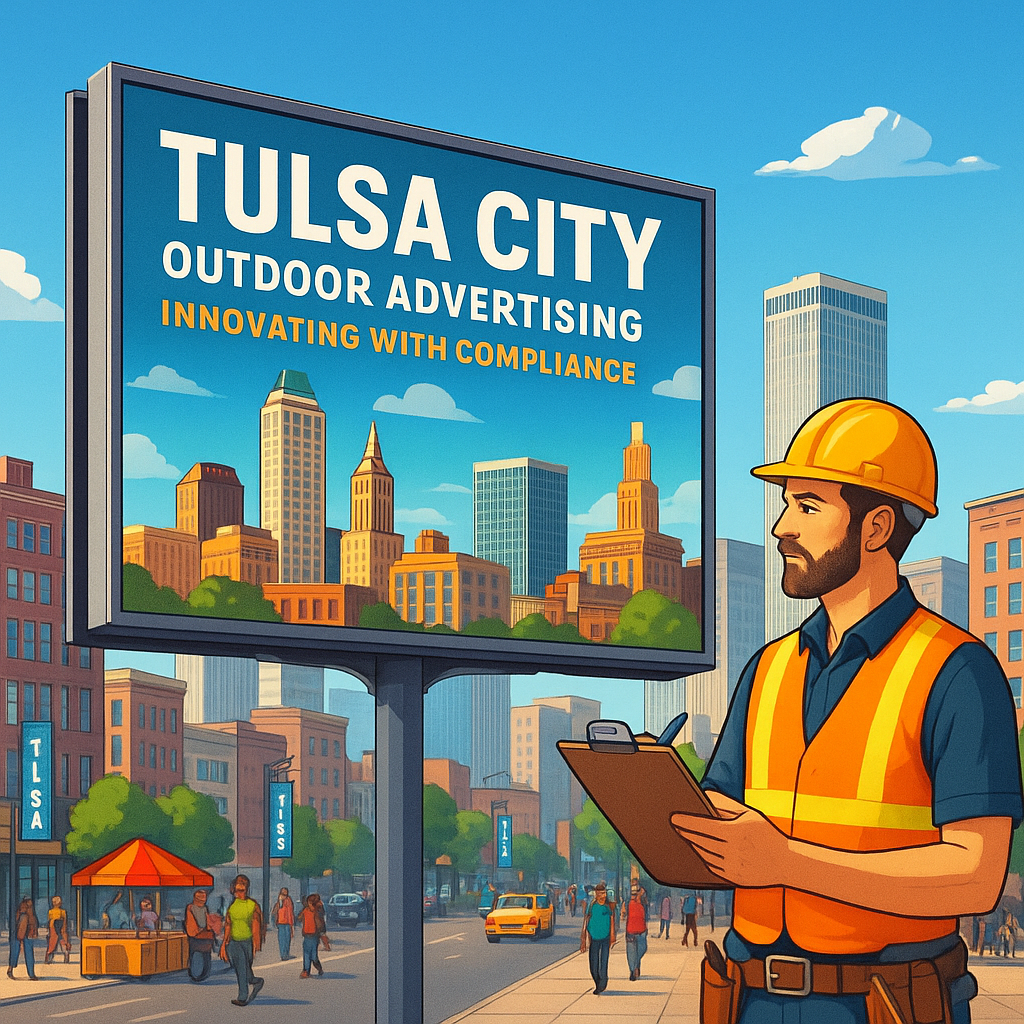
Picture this: You’re driving through Tulsa, and a brand-new digital billboard lights up the skyline, or a freshly installed storefront sign catches your eye. Behind that polished final product is a team of skilled sign hangers and billboard erectors. But before they ever hoist a single panel, there’s an invisible safety net that protects both the city and its residents. That safety net is called the City of Tulsa OK Sign and Outdoor Advertiser’s Indemnity Bond. While the name might feel like a jumble of legal terms, it really boils down to a simple promise: “I’ll do the job right, and I’ll follow the rules.” Let’s walk through everything you need to know about this bond, why it exists, and how it impacts sign professionals in Tulsa, Oklahoma.
Your personal credit score is the primary driver of your bond cost
Most freight broker applicants focus on the ,000 bond amount, but the part most applicants underestimate is how heavily their personal credit score impacts the premium. In practice, this often comes down to the underwriter's review of your FICO score. A score above 700 can secure a rate as low as 1-3% of the bond amount. A score below 650 can push rates to 10-15% or require a co-signer. What usually slows this down is applicants not knowing their exact score before applying, which leads to unexpected quotes and delays.
- Know your exact FICO score before you apply for an accurate quote
- Rates are tiered: Excellent credit (700+) pays 1-3%, while lower scores pay 10-15% or more
- If your score is below 650, prepare financials or consider a co-signer to improve approval odds
What Exactly Is a Sign Hanger’s Indemnity Bond?
Think of this bond as a three-way handshake. It’s a legal agreement between you (the sign hanger or billboard erector), the City of Tulsa (the obligee), and a surety company. You promise to obey all local codes, ordinances, and regulations when installing or maintaining outdoor advertising structures. The surety company backs that promise with a financial guarantee. If you break the rules, the city can file a claim against the bond. The surety would pay out, but then you’d have to reimburse every penny—bonds are not insurance. That distinction is huge, and we’ll revisit it later.
This specific bond is often labeled as a Compliance Only bond. That means it’s focused entirely on ensuring you stick to the city’s standards, not on covering physical damage or unpaid bills. It’s a pledge of honesty and workmanship, backed by a dollar amount set by Tulsa’s municipal requirements.
Why Does Tulsa Require This Bond?
You might be wondering, “Why can’t I just get my license and start working?” The answer lies in public safety and accountability. Signs and billboards tower over streets, sidewalks, and buildings. A poorly installed sign poses a real risk—to pedestrians, drivers, and neighboring property. The bond requirement gives the city a tool to enforce its rules without using taxpayer money to chase down every negligent contractor. It’s a proactive shield.
For Tulsa, the Outdoor Advertiser’s Indemnity Bond serves a few key purposes:
- Protects public safety: Ensures structures meet wind-load, electrical, and structural standards.
- Preserves neighborhood aesthetics: Helps prevent illegal, oversized, or poorly maintained signage that could drag down property values.
- Creates a level playing field: Every sign professional operates under the same set of rules, rewarding those who do things by the book.
By requiring this bond, the City of Tulsa essentially says, “We trust you to work here, but we also need a financial commitment to back up that trust.”
Who Needs to Secure This Bond?
If you hang, erect, alter, or maintain any outdoor sign or billboard within Tulsa city limits, you’re very likely on the list. This includes:
- Sign hanging contractors who install storefront signage, monument signs, and channel letters.
- Billboard erectors handling large-format off-premise advertising structures.
- Companies that relocate, repair, or refurbish existing outdoor displays.
- Even sole proprietors who work under a business license for sign installation.
The bond is typically a prerequisite before you can obtain or renew your sign hanger license or billboard erector permit from the city. Skipping this step could mean costly delays, fines, or the loss of your ability to bid on projects. So whether you’re a seasoned veteran or just launching your signage business, this requirement is non-negotiable.
How Does a Compliance-Only Bond Work in the Real World?
Let’s imagine a practical scenario. You install a towering pole sign along a busy Tulsa thoroughfare. Unbeknownst to you, you forgot to follow a specific setback rule from the property line, or you used unapproved mounting hardware. A city inspector catches the violation. The city can then file a claim against your bond. The surety company investigates, and if the claim is valid, they’ll pay the city up to the full bond amount. But here’s the catch: you signed an indemnity agreement, which means you’re legally obligated to pay back every cent the surety put out, plus any legal fees. So your bond is a financial safety net for the public, but it’s a serious responsibility for you.
Because this is a compliance bond, the trigger is always a breach of municipal code—not a construction accident, not a dissatisfied customer’s complaint about color choices, and not a billing dispute with a client. Understanding that narrow scope helps you manage risks and keep your bond claim-free.
How Much Does the Tulsa Sign Bond Cost?
Bond amounts are set by the city, and you’ll need to check the latest Tulsa ordinances for the exact required coverage. Often, sign contractor bonds range from $5,000 to $25,000, but you don’t pay that entire amount upfront. You pay a small percentage, called the bond premium. For a compliance-only bond, premiums typically fall between 1% and 5% of the total bond amount, depending on your personal credit and business financials.
For instance, if Tulsa mandates a $10,000 bond and you have strong credit, you might pay as little as $100 per year. Even with less-than-perfect credit, you can often secure approval through specialized surety programs. That accessibility makes the sign and outdoor advertiser’s indemnity bond a budget-friendly entry ticket to doing business legally in Tulsa.
Step-by-Step: How to Obtain Your Bond the Easy Way
Getting bonded doesn’t have to be a headache. Here’s a streamlined path:
- Confirm the exact bond form and amount: Call the City of Tulsa Permits and Licensing office or visit their website. Ask for the specific form titled something like “Sign Hanger/Billboard Erector – Compliance Only.” You want the official document the city requires.
- Gather your business details: You’ll need your legal business name, address, contact info, and possibly your license or permit number.
- Request a free quote: Reach out to a reputable surety bond provider. Provide your information and the bond requirements. Many agencies can quote you within minutes.
- Complete a simple application: For smaller bonds, the process is often a credit check and basic underwriting. You won’t need mountains of paperwork.
- Pay the premium and get your bond: Once approved, pay the annual premium. You’ll receive an official bond document. File it with the city along with your other license paperwork.
Pro tip: Don’t let the process intimidate you. It’s truly more straightforward than filing taxes, and you can usually wrap it up in a single business day.
Common Misconceptions That Trip Up Contractors
Let’s clear the air on a few myths that often cause confusion.
Myth 1: “It’s just another insurance policy.” As we mentioned, this bond is not insurance for your business. Insurance protects you from accidents, theft, or liability. This bond protects the city and the public from your non-compliance. If a claim hits, you’re on the hook for repayment. Insurance spreads risk; a bond doubles down on accountability.
Myth 2: “I only need it if I’m putting up giant billboards.” Not true. Even small storefront projects can trigger the bond requirement if you’re modifying, relocating, or installing any regulated outdoor sign. When in doubt, check with the city. It’s far cheaper to get bonded than to face a stop-work order.
Myth 3: “Once I have the bond, I’m covered forever.” Bonds require annual renewal. If you let it lapse, your license could be suspended. Mark your calendar and treat renewal like an essential business expense—because it is.
Keeping Your Bond in Good Standing
A clean bond record is a badge of honor. Not only does it prevent financial losses, but it can also open doors to bigger bids and better relationships with general contractors who want proof of compliance. To stay claim-free:
- Stay current on Tulsa’s building codes and sign ordinances. Subscribe to city newsletters or attend local trade association meetings.
- Double-check permits, engineering specs, and property line measurements before breaking ground.
- Document everything. Before-and-after photos, inspection reports, and client sign-offs can save you days of headache if a question arises.
- Communicate openly with city inspectors. If you spot a potential compliance hiccup, address it proactively rather than waiting for a violation notice.
Think of your indemnity bond as a professional partnership with the city. When both sides honor their commitments, everyone wins—especially the people who live, work, and drive through Tulsa’s vibrant streets.
Why a Little Extra Thought Goes a Long Way
You might ask, “Is all this really necessary for a simple sign?” The answer is a heartfelt yes. Every time you see a sturdy, well-placed sign that withstands Oklahoma winds and stands the test of time, you’re witnessing the result of a system that values quality and responsibility. The City of Tulsa Sign and Outdoor Advertiser’s Indemnity Bond is a quiet hero in that system—a small, often invisible piece of paper that helps keep the city safe, organized, and beautiful.
For sign professionals, this bond isn’t a hurdle; it’s a mark of credibility. It tells clients, “I’m not cutting corners. I’m bonded, licensed, and I take Tulsa’s rules seriously.” In a competitive industry, that can be the detail that wins you the next contract.
Wrapping Up: Your Next Move
Navigating municipal requirements can feel like decoding a secret language, but you don’t have to do it alone. Whether you’re a fresh face in the signage game or a long-time Tulsa installer looking to renew, the compliance-only indemnity bond is a manageable step. Start by confirming the exact bond form with the city, then reach out to a surety expert who can walk you through quotes and applications.
Remember, this small investment isn’t just about checking a box for a permit. It’s about standing behind your work, protecting the community, and building a reputation that lasts as long as the signs you install. So get bonded, get licensed, and keep making Tulsa’s skyline shine—the right way.