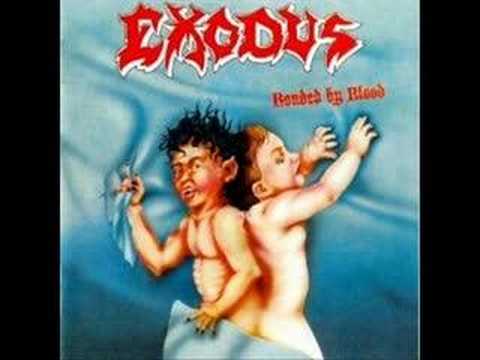
Exodus's debut album, Bonded By Blood, is a foundational thrash metal record that helped define the genre's aggressive sound and lyrical themes.
Exodus’s debut album, Bonded by Blood, is widely regarded as a foundational pillar of the thrash metal genre. Originally recorded in 1984, its release was delayed until 1985, a circumstance that, despite the setback, only heightened its legendary status among fans. The album’s raw aggression, breakneck tempos, and socially conscious lyrics cemented its influence, inspiring countless bands that followed. Its impact is particularly evident in the Bay Area thrash scene, where it set a benchmark for speed and intensity that contemporaries and successors alike sought to match.
The recording process for Bonded by Blood was characterized by a DIY ethos and a limited budget, which contributed to its distinctive, gritty sound. This raw production quality is now often celebrated as a key element of its enduring appeal, perfectly capturing the band’s intense live energy. The decision to keep the production unpolished was not merely a financial constraint but an artistic one, ensuring that the final product mirrored the ferocity of their club performances.
For bands or music producers looking to capture a similar raw intensity in their own work, focusing on a few key production aspects can be highly effective:
- Embrace Live Tracking: Record the band playing together in one room to preserve the natural interplay and energy between musicians.
- Prioritize Guitar Tone: Use high-gain amplifier settings and aggressive palm-muted riffing to achieve that classic thrash rhythm foundation.
- Utilize Strategic Overdubs: While keeping a live core, layer additional guitar harmonies or vocal shouts to add depth without sacrificing urgency.
- Control Room Bleed: When tracking live, place amplifiers strategically and use baffles to manage cymbal bleed into guitar microphones, which can muddy the mix if left unchecked. A little leakage adds authenticity, but excessive bleed can make the final master sound indistinct and fatiguing.
Lyrically, the album moved beyond typical metal themes of the era, tackling subjects like war, violence, and societal hypocrisy. Tracks like “A Lesson in Violence” and “Piranha” delivered these messages with a confrontational directness that became a thrash metal hallmark. The band’s approach reflected a keen awareness of global tensions during the Cold War period, adding a layer of real-world relevance to the music. This period of geopolitical strife directly shaped the dystopian and aggressive lyrical imagery that permeates the record, distinguishing it from the fantasy-based lyrics common in earlier heavy metal. You can explore more about this historical context on Wikipedia.
Despite the tragic death of original vocalist Paul Baloff in 2002, the album’s legacy continues. It is consistently featured on lists of the greatest metal albums of all time, a testament to its uncompromising power and historical importance. The album’s enduring relevance is also reinforced by its influence on modern thrash revivalists, who frequently cite it as a primary inspiration for their own aggressive musical direction.
Thinking a license bond is about your work quality
Most contractors believe the Arizona Contractor License Bond guarantees their project performance. It doesn't. This bond is a financial guarantee to the state that you will follow licensing laws, pay owed taxes, and cover certain public liabilities from your business operations. The part most applicants underestimate is the personal credit check. Underwriters review your credit to assess the risk you'll default on the bond's financial obligation, not your skill as a contractor. A low score doesn't automatically disqualify you, but it directly impacts your premium rate and the speed of approval.
- The bond protects the public and state, not your client's project outcome.
- Your personal credit score is the primary factor determining your bond premium.
- You are personally liable for any claims paid by the surety on your bond.