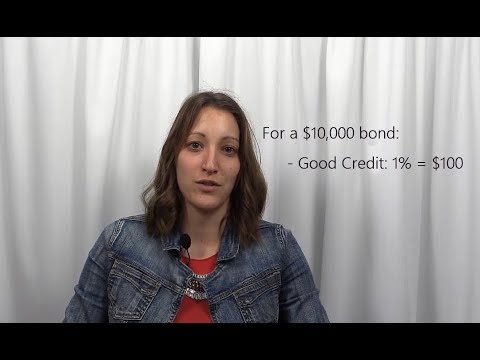
Surety bond costs are typically a small percentage of the total bond amount, with premiums generally ranging from 1% to 15% based on the applicant's credit score and financial history.
If you need a surety bond for your business, one of your first questions is likely, “How much will it cost?” The answer isn’t a single number, as bond premiums are calculated as a percentage of the total bond amount. This percentage, known as the premium rate, is determined by the surety company based on an assessment of risk.
Thinking a license bond is about your work quality
Most contractors believe the Arizona Contractor License Bond guarantees their project performance. It doesn't. This bond is a financial guarantee to the state that you will follow licensing laws, pay owed taxes, and cover certain public liabilities from your business operations. The part most applicants underestimate is the personal credit check. Underwriters review your credit to assess the risk you'll default on the bond's financial obligation, not your skill as a contractor. A low score doesn't automatically disqualify you, but it directly impacts your premium rate and the speed of approval.
- The bond protects the public and state, not your client's project outcome.
- Your personal credit score is the primary factor determining your bond premium.
- You are personally liable for any claims paid by the surety on your bond.
What Factors Influence Surety Bond Costs?
Several key factors directly impact the premium rate you will be offered. Understanding these can help you prepare your application and potentially secure a more favorable rate. Underwriters weigh these variables differently depending on the bond class, so a rate that applies to one type of bond may not carry over to another.
- Personal Credit Score: For many commercial bonds, especially those not mandated by law, your personal credit history is a primary factor. Applicants with strong credit typically receive the standard market rate, while those with lower scores may face higher premiums due to the perceived increase in risk.
- Financial Statements: The surety will examine your company’s financial health, including balance sheets and income statements, to gauge stability and the ability to fulfill obligations.
- Industry Experience: Your track record and years in business demonstrate reliability and can positively influence the underwriter’s decision.
- Bond Type and Amount: The required bond amount set by the obligee (often a government agency) is the base for the premium calculation. Higher-risk bond types naturally command higher premium rates.
It’s a common misconception that surety bonds function like traditional insurance. While an insurance policy protects the policyholder against loss, a surety bond is a three-party agreement that guarantees the obligee (the project owner or government entity) that the principal (you or your business) will perform according to the terms of a contract or law. The surety company provides a financial guarantee of this performance. If a claim is filed against your bond, you are ultimately responsible for reimbursing the surety for any payout made, which is a critical distinction that affects both your cost and your liability.
Typical Surety Bond Cost Ranges
Premiums can vary widely, but most standard commercial surety bonds cost between 1% and 5% of the total bond amount for qualified applicants. For example, a $50,000 bond with a 2% premium rate would cost $1,000. High-risk applicants or specific bond types may see rates from 5% to 15% or more. It is crucial to get a personalized quote from a reputable surety bond provider or agency for an accurate price.
When shopping for a quote, ask the agency whether the premium is fully earned at issuance or if you can cancel mid-term for a pro-rata refund. Many businesses overlook this detail and end up paying for coverage they no longer need. Additionally, some bond types require a minimum premium — often $100 or $150 — so even a small bond will not fall below that floor, regardless of the calculated percentage.
To navigate this process effectively, consider working with an experienced surety bond agency. These specialists act as intermediaries between your business and the surety markets. A knowledgeable agent can advocate on your behalf, help you present the strongest possible application, and shop your submission to multiple surety companies to find you the most competitive rate available.
For official information on bonding requirements for federal contracts, you can refer to the U.S. Small Business Administration website.