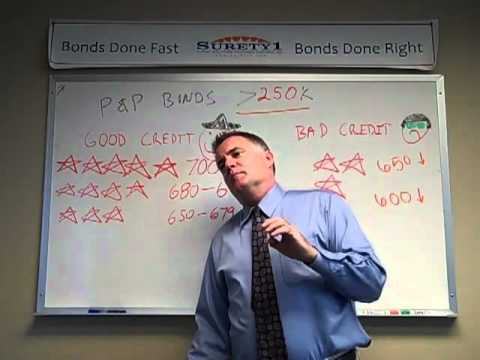
Smaller performance bonds under $250,000 are often available through streamlined processes, with requirements typically including a strong business credit profile and solid financial statements.
Performance bonds are a critical tool for contractors, ensuring project owners that the work will be completed as specified in the contract. For many small to medium-sized projects, a bond amount of $250,000 or less is standard. Obtaining one involves a clear process focused on your company’s financial health and track record.
Assuming your bond cost is just a simple percentage
The most costly mistake is thinking your Oregon contractor license bond premium is a fixed rate like 1% or 2% of the bond amount. In practice, your final cost is determined by an underwriter reviewing your personal credit score, financial statements, and business history. Applicants with lower credit often pay 3-5% or more. What slows this down is not having your financials ready. The part most applicants underestimate is how much a strong credit profile can reduce your annual premium.
- Your personal credit score is the primary factor in your final rate.
- Have 2 years of business and personal financial statements prepared for review.
- A higher bond amount doesn't mean a proportionally higher cost; underwriting is key.
Understanding the Requirements
Surety companies assess several key factors before issuing a bond. Your personal and business credit scores are heavily weighted, as they indicate financial responsibility. The company will also conduct a thorough review of your work history and professional references to evaluate past performance. Strong financial statements, including balance sheets and cash flow reports, are essential to demonstrate your firm’s stability and ability to manage the project’s scope. Underwriters specifically look for adequate working capital and a history of completing projects within budget, as these are the strongest indicators of future performance.
The Step-by-Step Application Process
Start by gathering all necessary documentation, which typically includes business financials, personal financial statements, and details on the project requiring the bond. Next, you will complete a formal application provided by the surety or a broker. This application requests comprehensive details about your business operations and the specific contract. After submission, the surety’s underwriters will analyze your application; this underwriting process determines your premium rate and bond approval. Incomplete applications are the most common cause of delays, so double-check that every field is filled and every supporting document is attached before submitting.
To streamline your application, consider these key preparatory steps:
- Organize at least two years of business and personal tax returns.
- Prepare year-to-date financial statements, preferably prepared or reviewed by an accountant.
- Compile a detailed list of current work-in-progress and completed projects with contact information for references.
- Obtain a copy of the contract requiring the bond to provide precise details to the underwriter.
- Have a clear explanation ready for any past liens, judgments, or late payments—addressing these proactively prevents underwriting delays and demonstrates transparency.
Choosing the Right Surety Provider
Not all surety companies are the same. It is vital to work with a provider that specializes in bonds for contractors in your field and size range. A knowledgeable surety agent or broker can be an invaluable advocate, helping you present your business in the best light to underwriters. They understand the nuanced criteria different sureties use and can match you with the most appropriate market, which can significantly impact your premium costs and bonding capacity. For small contractors, the difference between a standard market and a specialty market can be substantial, often affecting both the approval decision and the final rate. For authoritative information on surety bonds, you can refer to the U.S. Small Business Administration website.
Costs and Timelines
The cost of a performance bond, known as the premium, is usually a small percentage of the total bond amount. For bonds of $250,000 or less, rates are generally competitive but depend directly on your financial strength and experience. The entire process, from application to approval, can often be completed within a few weeks if your documentation is complete and accurate. Planning ahead is crucial to meet contract deadlines without last-minute complications. Many contractors underestimate how long it takes to assemble clean financial statements from their accountant, so begin that process as soon as you know a bond will be required.