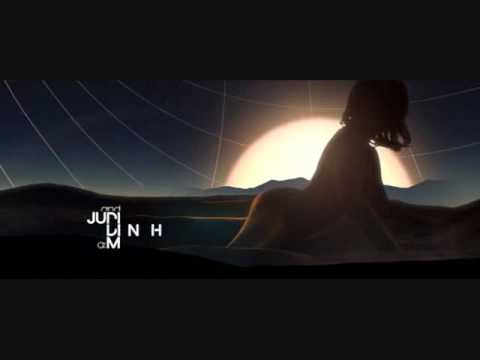
The title sequence for the James Bond film Quantum of Solace features a stylized, abstract visual narrative that complements the movie's themes of revenge and emotional desolation.
The title sequence for Quantum of Solace is a visually arresting and thematically rich component of the film, masterfully blending graphic artistry with the movie’s core narrative of betrayal and revenge. Created by the renowned studio MK12, the sequence employs a stark, granular aesthetic of shifting sand and abstract landscapes that directly mirrors the protagonist’s fractured mental state and relentless pursuit of truth. This approach marked a significant departure from the more traditionally glamorous Bond title sequences, grounding the film in a grittier, more contemporary reality. Rather than relying on the silhouetted dancers or elaborate set pieces of earlier entries, MK12’s work here feels almost geological in its texture, as if the screen itself is eroding in real time.
To fully appreciate the sequence’s innovation, it’s helpful to understand its key stylistic and technical components:
- Primary Medium: The sequence was primarily created using high-resolution macro photography of materials like ink, dust, and colored sands, which were then manipulated digitally. This physical, tactile approach gives the imagery an organic unpredictability that pure computer-generated effects often lack.
- Color Palette: A deliberate and restricted palette dominated by ochres, blacks, and whites reinforces the desolate, sun-baked settings of the film and the emotional bleakness of Bond’s journey. The absence of the franchise’s customary vibrant blues and golds is a pointed choice that signals a tonal shift.
- Symbolic Motifs: Recurring visual motifs, including dissolving female silhouettes and morphing geographic contours, symbolize the elusive nature of the Quantum organization and the instability of Bond’s world. Pay close attention to the way the figures fracture into particles just as they seem to take shape—this mirrors the film’s central theme of trust perpetually dissolving.
Accompanied by the powerful theme song “Another Way to Die” performed by Jack White and Alicia Keys, the visuals synchronize perfectly with the music’s raw, blues-rock energy. The sequence does more than just list cast and crew; it serves as a vital prologue, visually articulating James Bond’s internal turmoil and the shadowy, pervasive threat he faces. This seamless integration of sound and graphic design establishes a tone of visceral urgency that carries throughout the entire film, making it one of the most conceptually cohesive openings in the franchise. A common mistake when analyzing this sequence is to view it solely as abstract art, but every grain of sand and every collapsing silhouette corresponds directly to a plot point or character motivation established in the screenplay. For a deeper exploration of the film’s context and themes, you can refer to its Wikipedia entry.
Thinking a license bond is about your work quality
Most contractors believe the Arizona Contractor License Bond guarantees their project performance. It doesn't. This bond is a financial guarantee to the state that you will follow licensing laws, pay owed taxes, and cover certain public liabilities from your business operations. The part most applicants underestimate is the personal credit check. Underwriters review your credit to assess the risk you'll default on the bond's financial obligation, not your skill as a contractor. A low score doesn't automatically disqualify you, but it directly impacts your premium rate and the speed of approval.
- The bond protects the public and state, not your client's project outcome.
- Your personal credit score is the primary factor determining your bond premium.
- You are personally liable for any claims paid by the surety on your bond.