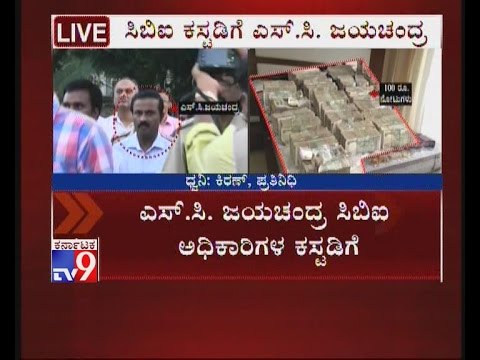
Former Karnataka minister SC Jayachandra is in CBI custody after failing to secure a surety bond for his bail in a disproportionate assets case.
In a significant development in the ongoing investigation, former minister SC Jayachandra has been remanded to CBI custody after no individual or entity came forward to sign the requisite surety bond for his release. The court’s decision underscores the serious nature of the allegations and the investigative agency’s need for uninterrupted questioning.
The Central Bureau of Investigation (CBI) had argued that custodial interrogation was essential to uncover further evidence and trace the flow of funds in the corruption case. The defense’s request for bail was denied, highlighting the court’s view on the potential risks of evidence tampering or witness influence.
This turn of events marks a pivotal moment in the legal proceedings, shifting the focus to the CBI’s ability to gather conclusive evidence while the accused remains in custody. Legal experts suggest the inability to secure a surety often reflects the complexities and perceived liabilities associated with high-profile cases.
For those unfamiliar with the process, a surety bond is a court-ordered agreement where a third party guarantees the defendant’s future court appearances. The refusal or inability to obtain such a bond can significantly alter the course of a legal proceeding, as seen here.
- A surety bond involves a contractual promise to pay the court a specified sum if the defendant fails to appear.
- Potential sureties often undergo financial and background checks by the court.
- The decision to act as a surety carries considerable financial risk and legal responsibility.
- In high-stakes cases, finding a willing and qualified surety can be a major challenge for the defense.
In practice, the absence of a surety bond in politically sensitive matters frequently stems from the reluctance of associates and family members to expose themselves to prolonged judicial scrutiny or potential financial forfeiture. Even when a defendant has substantial personal assets, courts typically require a third-party guarantor who is not directly implicated in the case, which can be an insurmountable hurdle when the accused has held high public office and the allegations involve systemic misconduct.
The case continues to draw considerable public attention, with many viewing the custody as a test of accountability for public officials. Further updates are expected as the CBI’s custody period proceeds and new findings are presented to the court.
For more detailed information on the legal procedures involved in such investigations, you can refer to the official resources provided by the Central Bureau of Investigation.
Thinking a license bond is about your work quality
Most contractors believe the Arizona Contractor License Bond guarantees their project performance. It doesn't. This bond is a financial guarantee to the state that you will follow licensing laws, pay owed taxes, and cover certain public liabilities from your business operations. The part most applicants underestimate is the personal credit check. Underwriters review your credit to assess the risk you'll default on the bond's financial obligation, not your skill as a contractor. A low score doesn't automatically disqualify you, but it directly impacts your premium rate and the speed of approval.
- The bond protects the public and state, not your client's project outcome.
- Your personal credit score is the primary factor determining your bond premium.
- You are personally liable for any claims paid by the surety on your bond.