Securing an Air Conditioning Contractor License Bond in Baton Rouge is a mandatory step for contractors, serving as a financial promise to protect the public and ensure compliance with city codes. This guide breaks down the bond's purpose, the "Compliance Only" designation, and the process to get bonded and start working legally.
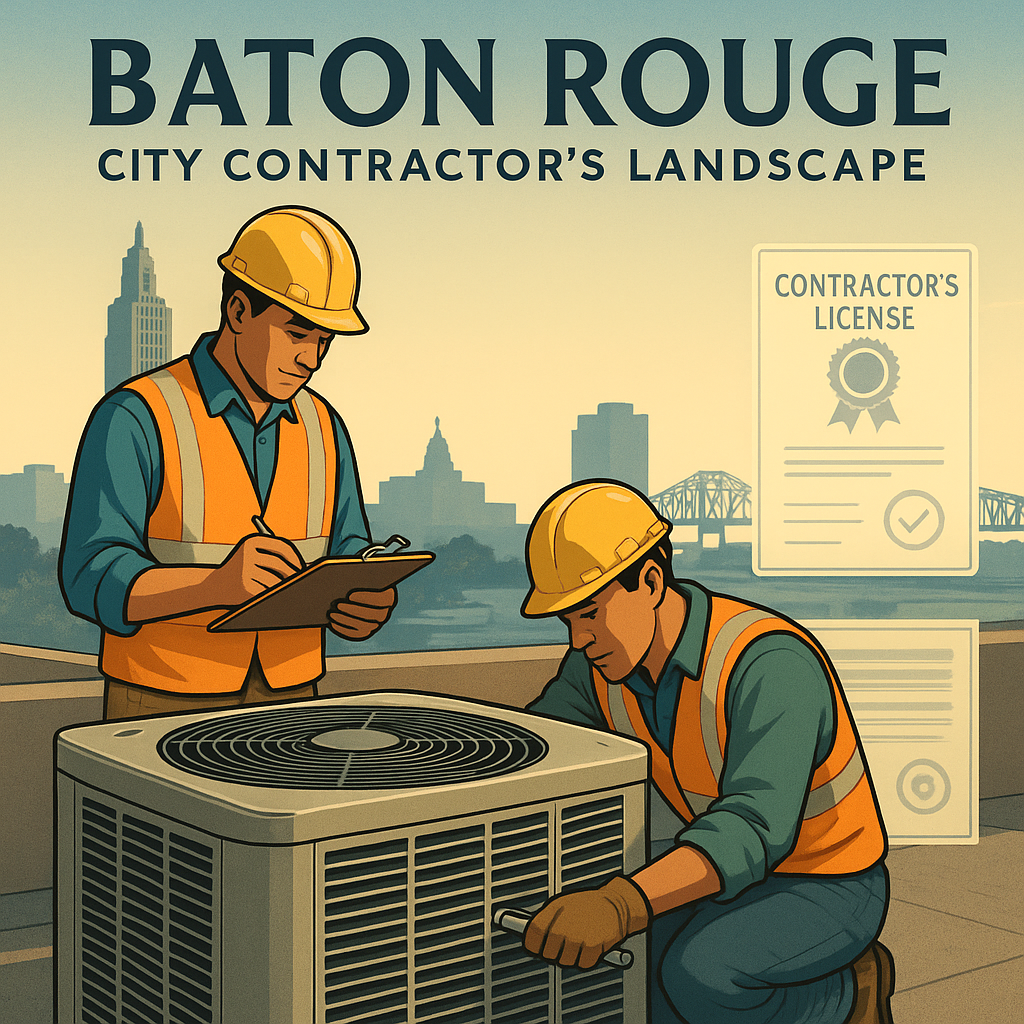
So, you’re ready to bring cool relief to the folks of Baton Rouge. You’ve got the skills, the tools, and the drive to launch or grow your air conditioning contracting business. But before you can officially start pulling permits and signing contracts, there’s one crucial piece of paperwork the city requires: an Air Conditioning Contractor License Bond. If that phrase sounds a little intimidating, take a deep breath. It’s actually much simpler than it seems, and it’s a key step toward building trust with your customers. Let’s walk through everything you need to know, in plain English, so you can get bonded and get to work.
Assuming your bond cost is just a simple percentage
The most costly mistake is thinking your Oregon contractor license bond premium is a fixed rate like 1% or 2% of the bond amount. In practice, your final cost is determined by an underwriter reviewing your personal credit score, financial statements, and business history. Applicants with lower credit often pay 3-5% or more. What slows this down is not having your financials ready. The part most applicants underestimate is how much a strong credit profile can reduce your annual premium.
- Your personal credit score is the primary factor in your final rate.
- Have 2 years of business and personal financial statements prepared for review.
- A higher bond amount doesn't mean a proportionally higher cost; underwriting is key.
What Is a Contractor License Bond, Anyway?
Think of a contractor license bond as a promise—backed by money. It’s not insurance for your business; it’s protection for the public. A bond involves three parties: you (the contractor), the city (the obligee), and a surety company (the financial backer). You purchase the bond from the surety, but it’s designed to safeguard Baton Rouge residents and the city itself from financial harm if you break the rules.
If you fail to follow local building codes, abandon a job, or don’t pay your suppliers as required, someone can file a claim against your bond. The surety company would investigate and, if the claim is valid, pay out up to the bond amount. But here’s the catch: you’re ultimately responsible for paying that money back. It’s more like a line of credit than an insurance policy. This setup motivates you to play by the rules, which is exactly why cities love it.
Why Baton Rouge Requires This Bond for AC Contractors
Baton Rouge, like many cities, wants to make sure anyone installing, repairing, or servicing air conditioning systems meets certain standards. Summers in Louisiana are no joke—a poorly installed unit isn’t just an inconvenience, it can be a health and safety risk. The city’s licensing process, including the bond requirement, helps weed out unqualified operators and gives homeowners a financial safety net if something goes wrong.
The specific bond we’re talking about is often called a “Compliance Only” bond. This means it guarantees that you’ll comply with all applicable city ordinances, building codes, and regulations related to your air conditioning work. It’s not a performance bond (which would guarantee the completion of a specific project). Instead, it’s a blanket promise that you’ll run your business by the book, every single day.
Decoding the “Compliance Only” Bond
You might see the term “Compliance Only” on your bond form and wonder what it really means. Let’s break it down. Unlike a contract-specific bond that covers one job, this license bond covers your overall business conduct for the entire license period. Anytime you pull a permit in Baton Rouge, your bond is silently standing behind you, assuring the city that you’ll follow the rules.
What kind of rules? Things like:
- Obtaining proper permits before starting work.
- Following the city’s mechanical and building codes.
- Meeting safety standards for refrigerant handling.
- Paying any fees or fines tied to your license.
- Avoiding fraudulent or negligent business practices.
If you slip up and a customer suffers a loss, they can pursue a claim. But here’s the beauty of it: when you operate ethically and competently, the bond just sits there quietly, doing its job without any drama.
How Much Does This Bond Cost?
Now for the wallet question. The bond amount required by Baton Rouge for AC contractors is typically set by the city—often $5,000 or $10,000, but always verify the current requirement with the licensing office. You don’t pay that full amount upfront, though. You pay a small percentage of it, called the premium.
For a compliance-only bond, the premium usually runs between 1% and 5% of the total bond amount for applicants with good credit. So, for a $10,000 bond, you might pay as little as $100 to $500 per year. The exact rate depends on factors like your personal credit score, business financials, and your professional history. Even if your credit isn’t perfect, specialized surety companies can often find a solution, though the rate might be higher. Compare a few quotes—it’s quick and doesn’t hurt your credit to shop around.
Step-by-Step: How to Get Your AC Contractor Bond in Baton Rouge
Securing the bond doesn’t require a law degree or a fat stack of paperwork. The process is refreshingly straightforward.
- Confirm Your Bond Requirements. Contact the City of Baton Rouge’s licensing department or visit their website. Find out the exact bond amount you need and download any required bond forms. This step prevents headaches later.
- Gather Your Information. You’ll typically need your business name, address, contact info, and possibly your license number if you already have one. For personal credit checks, you’ll provide your Social Security number and basic personal details.
- Get Quotes from Bond Providers. Reach out to a reputable surety bond agency or a specialized online platform. You’ll fill out a single application and receive rates from multiple carriers. Pick the one that fits your budget and has good reviews.
- Pay the Premium and Receive Your Bond. Once you accept a quote and pay, the surety will issue the bond. You’ll get a physical or digital copy of the bond form to file with the city.
- Submit the Bond with Your License Application. Include the original signed bond document when you turn in your contractor license application or renewal paperwork. Keep a copy for your own records.
That’s it. Most bonds can be issued within 24 to 48 hours, sometimes even the same day if everything checks out.
Does This Replace Insurance? No—Here’s the Difference
A common mix-up is thinking the bond acts like liability insurance. They serve completely different purposes. Your general liability insurance protects your business from things like property damage, bodily injury, or lawsuits resulting from accidents. It pays out on covered claims and you’re not expected to pay the insurance company back.
The bond, on the other hand, protects the city and consumers from your failure to follow regulations. And as mentioned, if a claim is paid by the surety, you’re on the hook for every penny. Smart contractors carry both insurance and the required bond—they’re complementary layers of protection.
What Happens If a Claim Is Filed Against Your Bond?
Nobody wants to think about claims, but it’s smart to understand the process. If a customer or the city believes you violated regulations, they can submit a claim to the surety company. The surety will investigate, asking for documentation from both sides. If the claim is legitimate and within the bond’s coverage, the surety pays out up to the full bond penalty.
Here’s the part that surprises many new contractors: you must reimburse the surety for every dollar paid out—including legal costs. This is why it’s so important to resolve disputes quickly. If a client expresses a concern, address it head-on and find a solution before it escalates to a formal claim. Not only does a clean claims history save you money, it also keeps your premium low when you renew your bond.
Can You Get Bonded with Bad Credit?
Yes, you absolutely can. Because the bond market is competitive, many surety companies offer programs for people with less-than-perfect credit. You might pay a higher rate—say 5% to 10% of the bond amount—but you won’t be automatically shut out. Some providers also look beyond just your credit score, considering your industry experience and letters of recommendation. Over time, as you build a solid track record without claims, you may qualify for better rates. Don’t let credit worries stop you from pursuing your business goals.
Keeping Your Bond Active and Avoiding Pitfalls
Your bond typically runs alongside your license term—often one year, but some may be two. You’ll need to renew the bond at the same time you renew your license. Set a reminder in your calendar so you don’t accidentally let it lapse. Operating without an active bond can lead to fines, license suspension, or even having your permits denied.
Also, never assume the bond amount from last year is still correct. Cities occasionally update requirements. A quick call to the licensing office takes five minutes and could save you from scrambling later.
The Bigger Picture: Bonding Builds Trust
Beyond meeting a bureaucratic checkbox, holding a contractor license bond sends a powerful message to your customers. When you tell a homeowner you’re licensed and bonded, you’re telling them, “My work is backed by a guarantee you can count on.” In an industry with fierce competition, that credibility can tip the scales in your favor. It tells people you take your business seriously and you’re willing to be held accountable.
Plus, many savvy property managers and commercial clients won’t even consider a contractor who isn’t bonded. That piece of paper opens doors to more lucrative projects. It’s an investment in your company’s reputation as much as a legal requirement.
Ready to Take the Next Step?
Securing your Air Conditioning Contractor License Bond in Baton Rouge is a straightforward process that leads to peace of mind for everyone involved. It’s a small, predictable cost that unlocks the ability to operate legally, win more jobs, and become a trusted name in your community. As you navigate the licensing journey, remember that you’re not alone—bond professionals handle these exact scenarios every single day and can guide you through any bumps in the road.
So, take that next step with confidence. Get your bond, finalize your license, and start bringing refreshing, reliable comfort to the homes and businesses of Baton Rouge. Your community is waiting for an honest, skilled professional just like you.