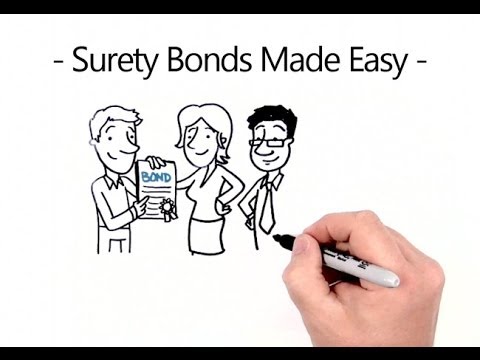
Surety bonds provide a financial guarantee of performance, simplifying the process for contractors and businesses to secure project bids and licenses.
Navigating the world of surety bonds can seem complex, but understanding the fundamentals is crucial for contractors and business owners. This guide breaks down the essentials to help you secure the right bond for your needs.
Thinking a license bond is about your work quality
Most contractors believe the Arizona Contractor License Bond guarantees their project performance. It doesn't. This bond is a financial guarantee to the state that you will follow licensing laws, pay owed taxes, and cover certain public liabilities from your business operations. The part most applicants underestimate is the personal credit check. Underwriters review your credit to assess the risk you'll default on the bond's financial obligation, not your skill as a contractor. A low score doesn't automatically disqualify you, but it directly impacts your premium rate and the speed of approval.
- The bond protects the public and state, not your client's project outcome.
- Your personal credit score is the primary factor determining your bond premium.
- You are personally liable for any claims paid by the surety on your bond.
What is a Surety Bond?
A surety bond is a three-party agreement that guarantees the performance of a contract or obligation. The three parties involved are the principal (the party required to perform), the obligee (the party receiving the obligation), and the surety (the company that guarantees the principal’s performance). It is a crucial risk management tool designed to protect project owners and ensure contractual completion. Unlike traditional insurance, which transfers risk to the insurer, a surety bond functions as a credit instrument that pre-qualifies the principal’s capability to fulfill the contract.
Types of Surety Bonds
There are many types of surety bonds, but they generally fall into three main categories: contract bonds, commercial bonds, and court bonds. Contract bonds are common in the construction industry, while commercial bonds are often required for licensing and permits. Understanding which category your project falls into is the first step. Misclassifying a bond can lead to an incorrect application and unnecessary delays in securing coverage.
For example, a contractor bidding on a public works project will typically need a bid bond, followed by performance and payment bonds upon award. The U.S. Small Business Administration provides resources on bonding programs for small businesses.
How to Get a Surety Bond
The process involves applying with a surety company or an authorized agent. You will need to provide detailed financial and business information. The surety will evaluate your application, which includes a review of your credit history, work experience, and financial strength. This underwriting process determines your premium rate and bonding capacity. A common mistake is assuming that a strong credit score alone will secure the lowest premium; however, sureties weigh a combination of liquidity, industry track record, and the specific risk profile of the job.
To streamline your application, ensure you have the following documentation organized:
- Business and personal financial statements
- Resumes detailing relevant experience
- A detailed work portfolio or project history
- Information on the specific bond requirement (e.g., obligee name, bond amount)
For contract bonds, be prepared to provide a signed copy of the underlying contract and a schedule of values. These documents allow the underwriter to assess the project’s scope and verify that your bid accurately reflects the cost of labor and materials.
Why Surety Bonds Matter
Surety bonds provide a vital layer of financial protection and project assurance. They ensure that projects are completed according to the terms of the contract and that subcontractors and suppliers are paid. For the obligee, it mitigates the risk of financial loss. For the principal, it enhances credibility and enables the pursuit of larger contracts that require bonding. Without a bond, a contractor can be disqualified from bidding on most government-funded projects, which limits growth opportunities.