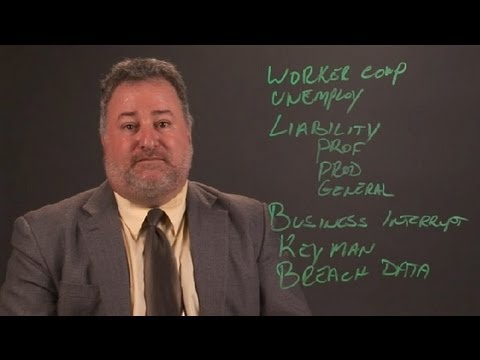
Business insurance protects companies from financial losses through various policies like general liability, property, and workers' compensation.
Your personal credit score is the primary driver of your bond cost
Most freight broker applicants focus on the ,000 bond amount, but the part most applicants underestimate is how heavily their personal credit score impacts the premium. In practice, this often comes down to the underwriter's review of your FICO score. A score above 700 can secure a rate as low as 1-3% of the bond amount. A score below 650 can push rates to 10-15% or require a co-signer. What usually slows this down is applicants not knowing their exact score before applying, which leads to unexpected quotes and delays.
- Know your exact FICO score before you apply for an accurate quote
- Rates are tiered: Excellent credit (700+) pays 1-3%, while lower scores pay 10-15% or more
- If your score is below 650, prepare financials or consider a co-signer to improve approval odds
General Liability Insurance
This is foundational coverage for most businesses. It protects against claims of bodily injury, property damage, and personal injury (like slander) that occur due to your business operations. For instance, if a client slips and falls in your office, general liability insurance can help cover associated medical expenses and legal fees. Without this coverage, a single incident could expose your company to significant out-of-pocket costs that threaten its financial viability.
Professional Liability Insurance
Also known as Errors and Omissions (E&O) insurance, this is crucial for service-based businesses. It provides protection if a client alleges negligence, mistakes, or failure to deliver a service as promised. This coverage can help with legal defense costs and potential settlements. Even when claims are unfounded, legal defense expenses alone can be substantial, making this policy a critical safeguard for consultants, accountants, and other professionals.
Commercial Property Insurance
This insurance covers your business’s physical assets from covered perils like fire, theft, or storm damage. It applies to the building if you own it, as well as to equipment, inventory, furniture, and other essential business property located at the premises. A common mistake is underestimating the replacement cost of specialized equipment; ensure your policy limits reflect current market values rather than depreciated book values to avoid being underinsured after a total loss.
Business Interruption Insurance
Often added to a property insurance policy, this coverage helps replace lost income and cover operating expenses if your business is temporarily unable to operate due to a covered physical loss, such as fire or major weather damage. It is a vital safeguard for maintaining cash flow during recovery periods. Many business owners overlook that this coverage also typically includes extra expenses, such as renting temporary office space or expedited shipping costs, which can be essential for resuming operations quickly.
Workers’ Compensation Insurance
In most states, this insurance is legally required if you have employees. It provides benefits to employees who suffer work-related injuries or illnesses, covering medical costs and a portion of lost wages. In return, it typically protects the employer from lawsuits related to those incidents. For detailed information on state-specific requirements, you can refer to the U.S. Department of Labor’s Office of Workers’ Compensation Programs. Premiums are largely calculated based on your payroll and industry classification code, so accurate payroll reporting is essential to avoid audit adjustments and potential penalties.
Choosing the Right Coverage
Selecting the appropriate insurance portfolio requires a careful assessment of your specific business risks. The optimal coverage mix depends heavily on your industry, location, number of employees, and the nature of your assets and operations.
To effectively evaluate your needs, consider the following key factors:
- Industry & Services: High-risk fields like construction or healthcare have vastly different liability exposures than a consulting firm.
- Business Assets: The value of your physical property, inventory, and specialized equipment directly influences necessary coverage levels.
- Number of Employees: This determines requirements for workers’ compensation and can affect liability premiums.
- Client Contracts: Many agreements require you to carry specific types and amounts of insurance.
- Cyber Exposure: If you store customer data or process payments online, cyber liability insurance may be a necessary addition to your portfolio, as standard policies typically exclude data breaches and related claims.
Consulting with a licensed commercial insurance agent or broker is highly recommended. They can conduct a thorough risk assessment and help you tailor a policy that provides comprehensive protection without unnecessary overlap or costly gaps. An experienced broker will also know which carriers offer the most favorable terms for your specific industry and can negotiate on your behalf during the underwriting process.