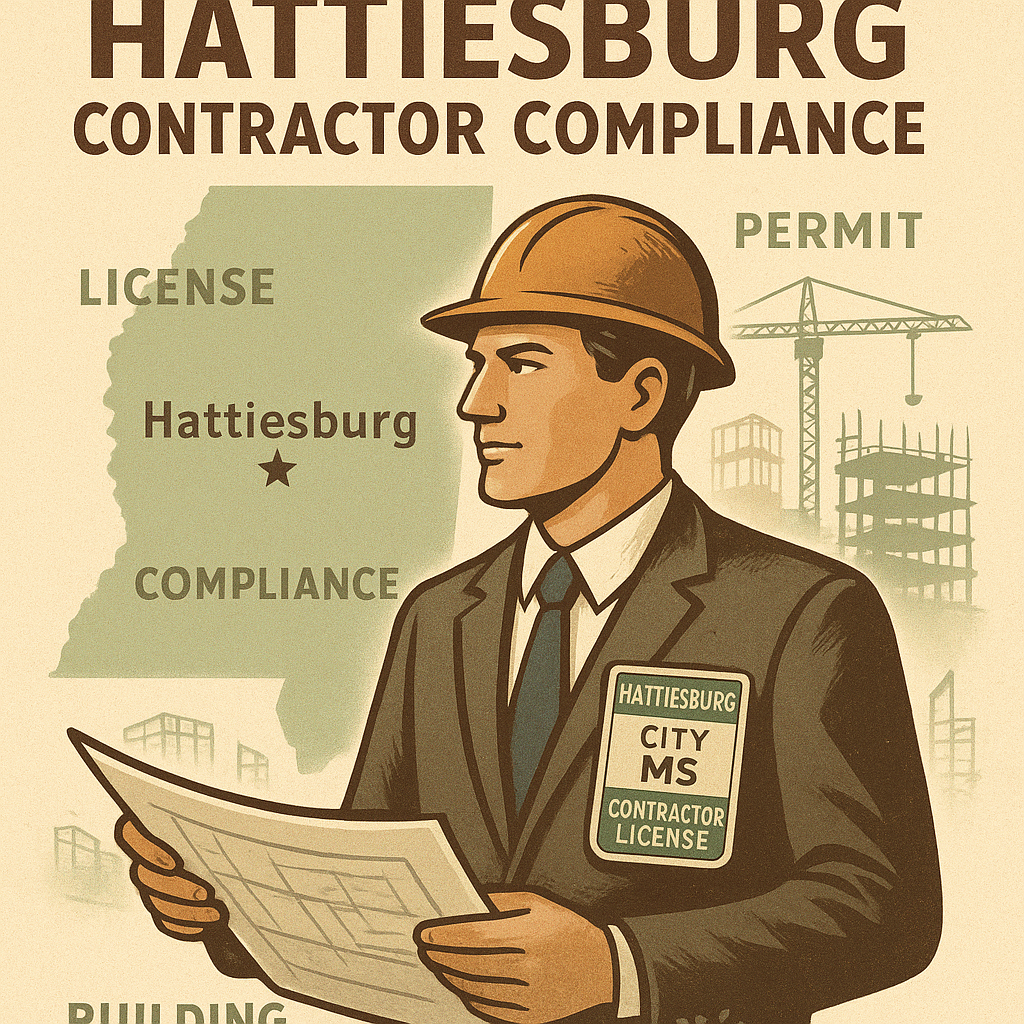
A contractor license and permit bond in Hattiesburg, MS, is a financial guarantee ensuring compliance with local building codes, fair treatment of clients, and payment to subcontractors, protecting the city and its residents from substandard work or unfinished projects. Required for general contractors, home builders, and remodeling professionals applying for licenses or permits, this compliance-only bond allows claims to be filed against it for violations, with the contractor repaying any valid payouts to the surety.
Thinking a license bond is about your work quality
Most contractors believe the Arizona Contractor License Bond guarantees their project performance. It doesn't. This bond is a financial guarantee to the state that you will follow licensing laws, pay owed taxes, and cover certain public liabilities from your business operations. The part most applicants underestimate is the personal credit check. Underwriters review your credit to assess the risk you'll default on the bond's financial obligation, not your skill as a contractor. A low score doesn't automatically disqualify you, but it directly impacts your premium rate and the speed of approval.
- The bond protects the public and state, not your client's project outcome.
- Your personal credit score is the primary factor determining your bond premium.
- You are personally liable for any claims paid by the surety on your bond.
What Is a Contractor License and Permit Bond?
Think of a contractor license and permit bond as a three‑way promise. It’s not the same as business insurance. Instead, it’s a financial guarantee the city requires to make sure you follow building codes, pay your subcontractors, and treat your clients fairly. If something goes wrong, the bond is there to cover losses—up to the bond amount. The three parties involved are simple: you (the contractor), the City of Hattiesburg (the obligee), and the surety company that issues the bond.
For Hattiesburg contractors, this bond is often labeled a “compliance only” bond. That means its main job is to enforce local rules. If you install a roof without pulling a permit, or if a homeowner complains that you left a job half‑finished and against code, a claim can be filed against your bond. You’ll then have to pay the surety back for any valid payout. In that way, the bond keeps everyone honest.
Why Does the City of Hattiesburg Require This Bond?
Hattiesburg, like many growing Southern cities, wants to protect both its residents and its reputation. A bonding requirement acts like a safety net for the public. When a contractor gets a license or pulls a building permit, the city needs assurance that the work will meet certain standards. Without a bond, a homeowner might have nowhere to turn if a contractor walks off the job or cuts corners that lead to expensive repairs.
The bond also protects subcontractors and suppliers. If a general contractor doesn’t pay the electrician who wired the new addition, that electrician can step forward and make a claim. This system keeps the local construction economy fair and discourages bad actors from operating inside city limits. In short, the bond requirement helps Hattiesburg grow safely—one well‑built structure at a time.
Who Needs a Contractor License Bond in Hattiesburg?
If you’re a building contractor applying for a license or a permit in the City of Hattiesburg, you’ll likely need a bond. The phrase “Building Contractor – Compliance Only” on official forms tells you exactly who this applies to—general contractors, home builders, and remodeling professionals who are required to hold a license through the city.
Here’s a quick look at who typically falls under this requirement:
- General building contractors handling new construction, additions, or major remodels.
- Home improvement specialists doing work that requires a city‑issued permit.
- Residential and light commercial contractors who must comply with local building codes.
- Tradespeople who pull permits under a general contractor’s license may be covered under the primary bond, but it’s wise to double‑check with the city.
If you’re unsure whether you need a bond, a quick call to the Hattiesburg Community Development or Building Permit office can clear things up. It’s always better to ask before you start a project than to risk fines or having a permit pulled.
How Does a Hattiesburg Contractor Bond Actually Work?
Imagine your bond as a pot of money that sits untouched—until something goes wrong. A claim happens when one of three things occurs: you violate city building codes, you fail to complete the job as agreed, or you don’t pay the people who helped you. The harmed party (a homeowner, a subcontractor, or the city itself) files a claim with the surety company.
The surety then investigates. If the claim is valid, they’ll pay out up to the full bond amount. But here’s the key part you’ll want to remember: you must repay every dollar the surety pays out. It works a lot like a cosigned loan. The bond company trusts you to follow the rules, but if you don’t, they’ll come to you for reimbursement. That’s why it’s so important to do things right the first time.
What Does a Contractor Bond Cost in Hattiesburg?
You don’t pay the full bond amount out of pocket. Instead, you pay a small percentage called the premium. For a $10,000 bond—a common requirement for building contractors—your annual premium might range from $100 to $300, depending on your credit and financial history. That’s a tiny fraction of the bond’s face value.
Several things influence your premium:
- Personal credit score: A higher score often means a lower premium.
- Business financials: Well‑established companies with steady cash flow may see better rates.
- Claims history: A clean record keeps costs down.
- Bond amount required by the city: Larger bonds cost more, but the percentage usually stays similar.
Even if your credit isn’t perfect, special programs exist to help you get bonded. The goal is to make compliance affordable so you can keep working and growing your business in Hattiesburg.
How to Get Your Hattiesburg Contractor Bond Step by Step
Getting bonded is simpler than many contractors expect. You can often complete the entire process online in one business day. Here’s how it flows:
1. Confirm Your Requirement with the City
Before you spend a dime, check with the City of Hattiesburg’s permitting or licensing department. They’ll tell you the exact bond amount, the form you need to file, and any special wording required. This step saves you from having to redo paperwork later.
2. Choose a Reputable Surety Bond Provider
Look for a company that specializes in contractor license bonds. They understand the fast‑paced nature of construction and can guide you through the application. A good provider will also explain how to avoid claims—saving you headaches down the road.
3. Fill Out a Quick Application
You’ll provide basic information: your name, business name, Social Security number or EIN, and the bond amount needed. Some applications take less than five minutes.
4. Review Your Quote and Pay the Premium
Once you get your rate, you’ll pay online or over the phone. Immediately after payment, the bond is issued. Many providers email you a PDF copy the same day.
5. File the Bond with the City
Submit your bond paperwork to Hattiesburg’s building department, either in person, by mail, or electronically if they accept it. Keep a copy for your own records. Your license or permit process can then move forward.
What Happens If You Don’t Get the Bond?
Skipping the bond requirement isn’t a slippery slope—it’s a brick wall. The city will deny your license application or refuse to issue a permit. If you start work without the proper bond in place, you could face stop‑work orders, fines, and a damaged reputation that’s hard to rebuild. Even worse, a homeowner might question your legitimacy, leading to lost contracts and negative word‑of‑mouth.
On the flip side, having your bond right away shows clients you’re a professional who follows the rules. It’s a stamp of trust that often sets you apart from unlicensed competitors. When you present your bond alongside your license, you’re saying, “I stand behind my work, and the city backs that up.”
Practical Example: A Kitchen Remodel in Hattiesburg
Let’s say you’re hired to gut and rebuild a kitchen in a historic Hattiesburg home. You pull the necessary permits and have your $10,000 contractor license bond on file. Halfway through the project, the homeowner complains that the new plumbing isn’t up to code and stops payment. A city inspector comes out and confirms the issue. Because of your bond, the homeowner can file a claim to cover the cost of fixing the plumbing correctly. The surety pays out $4,000 to hire a licensed plumber to redo the work, and you repay the surety that amount.
While nobody wants a claim, this safety net lets the project finish and protects the homeowner’s investment. It also reminds you to double‑check subcontractor work before an inspector arrives. In the end, the bond serves both the community and your business.
Common Misconceptions About Contractor Bonds
- “It’s insurance for my business.” No, a bond protects the public and the city—not you. You still need general liability insurance to cover accidents, property damage, and injuries.
- “The bond covers all my jobs automatically.” A license bond typically covers all work you perform under that license in Hattiesburg, but always verify the bond’s scope.
- “Once I get bonded, I’m set forever.” Bonds require renewal, usually every year. Mark your calendar so you don’t let it lapse.
- “Only big companies need a bond.” Solo operators and small crews must meet the same requirements as larger firms if they’re pulling permits in the city.
Renewing Your Hattiesburg Contractor Bond Smoothly
Most license and permit bonds run on an annual term. About 30 days before your bond expires, your surety company will send a renewal notice. Pay the premium on time to avoid a gap in coverage. If your bond lapses, the city may suspend your license or deny future permits until a new bond is on file. This can interrupt projects and cost you money. Set a reminder, and treat your bond renewal just like renewing a driver’s license—non‑negotiable if you want to continue working.
Frequently Asked Questions
Does every Hattiesburg contractor need a bond?
Not necessarily. It depends on your trade and whether you’re required to hold a contractor license or pull a building permit directly from the city. General building contractors most often need one, while some specialty subcontractors may be covered under another contractor’s bond. Always check with the city to be sure.
How long does it take to get a contractor bond?
Many contractors get approved and receive their bond in less than 24 hours. If you apply online and have good credit, it can be as quick as a few hours. The city filing step may add a day or two, depending on how you submit it.
What is a “compliance only” bond?
This phrasing means the bond’s primary purpose is to enforce compliance with local laws, building codes, and permit conditions. It’s not a performance bond or a payment bond, though it can cover similar situations if the violation stems from non‑compliance.
Can I use one bond for multiple cities?
Usually not. Bond requirements are city‑specific. If you work in Hattiesburg and also in nearby towns, you’ll likely need separate bonds for each jurisdiction. Ask your surety provider if they offer a blanket option, but be prepared to file individual bonds.
What happens if a claim is filed against my bond?
The surety investigates the claim. If it’s valid, they pay the harmed party up to the bond limit. You then legally owe that amount to the surety company. To avoid this, communicate openly with clients, pull all required permits, and fix any mistakes before they become formal complaints.
The Bottom Line on Hattiesburg Contractor Bonds
A contractor license and permit bond is more than paperwork—it’s your ticket to doing business the right way in Hattiesburg. It tells the city, your clients, and your subcontractors that you take your work seriously. While the process might feel like one more hoop to jump through, it’s actually a straightforward step that protects everyone involved. Get bonded, keep your bond current, and you’ll be ready to build, remodel, and improve homes across Hattiesburg with confidence.