Oklahoma requires the Cigarette Stamp and/or Unstamped Tobacco Products Tax Bond as a financial guarantee that businesses handling tobacco products pay all owed taxes. This bond protects the state’s tax revenue by ensuring wholesalers, distributors, manufacturers, and certain retailers meet their obligations to the Oklahoma Tax Commission.
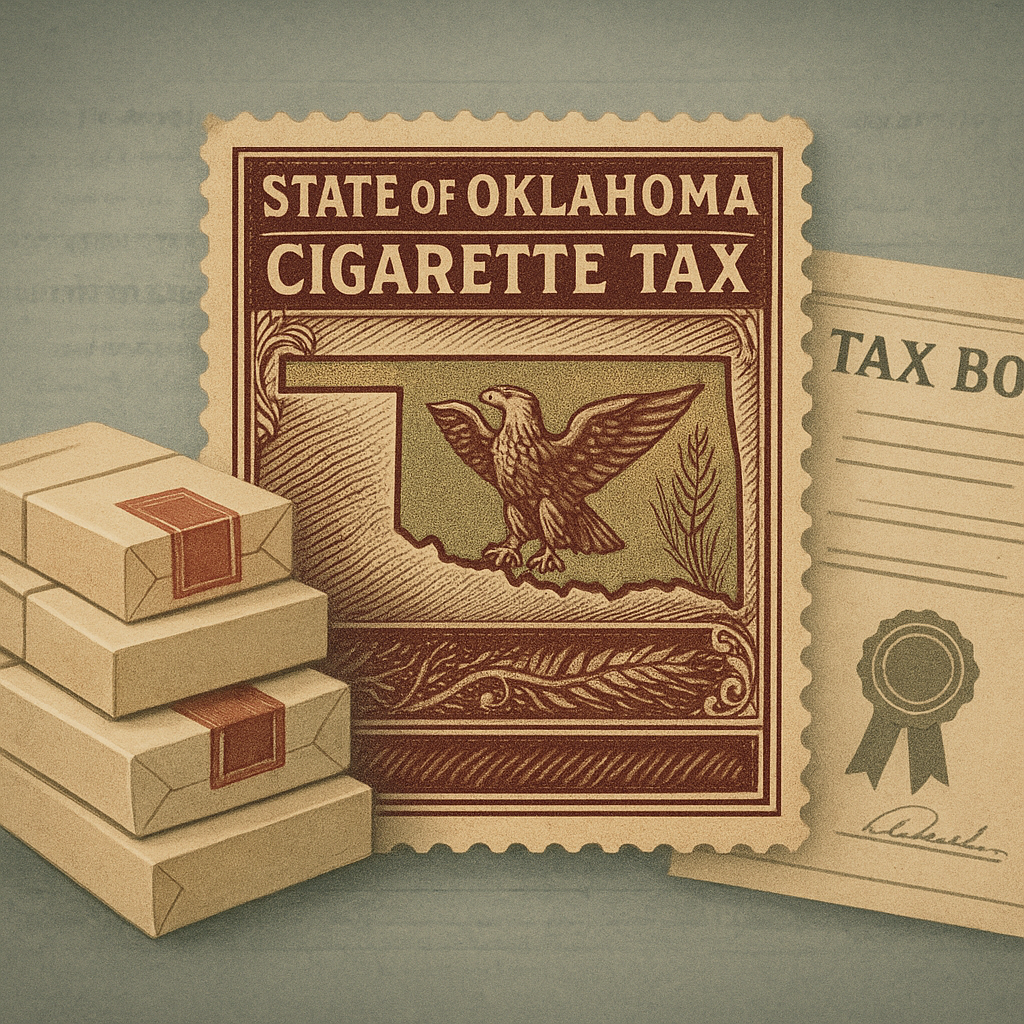
If you’ve ever bought a pack of cigarettes or a bag of loose tobacco in Oklahoma, you’ve probably noticed a small stamp on the bottom of the package. That tiny stamp is more than just a sticker — it’s proof that the state’s tobacco taxes have been paid. But have you ever wondered how those stamps get there and who guarantees that the taxes make it to the state? That’s where the Oklahoma Cigarette Stamp and/or Unstamped Tobacco Products Tax Bond comes in.
In simple terms, this bond is a promise. It’s a financial safety net that makes sure businesses handling tobacco products pay every penny of tax they owe. If you’re a wholesaler, distributor, or retailer dealing with cigarettes or other tobacco products in the Sooner State, understanding this bond isn’t just helpful — it’s essential. Let’s break it all down in plain English.
Your personal credit score is the primary driver of your bond cost
Most freight broker applicants focus on the ,000 bond amount, but the part most applicants underestimate is how heavily their personal credit score impacts the premium. In practice, this often comes down to the underwriter's review of your FICO score. A score above 700 can secure a rate as low as 1-3% of the bond amount. A score below 650 can push rates to 10-15% or require a co-signer. What usually slows this down is applicants not knowing their exact score before applying, which leads to unexpected quotes and delays.
- Know your exact FICO score before you apply for an accurate quote
- Rates are tiered: Excellent credit (700+) pays 1-3%, while lower scores pay 10-15% or more
- If your score is below 650, prepare financials or consider a co-signer to improve approval odds
What Exactly Is an Oklahoma Cigarette Stamp and Tobacco Tax Bond?
Think of this bond as a three-party handshake. You have the state of Oklahoma (the Obligee), the business that needs the bond (the Principal), and the bond company (the Surety). If the business fails to pay the proper taxes on cigarette stamps or unstamped tobacco products, the surety steps in to cover the loss — up to the bond amount. But here’s the catch: the business is still on the hook. The surety will come back and collect every dollar they paid out, plus fees. So it’s not insurance; it’s a credit line with a strong repayment obligation.
The bond’s full name is a mouthful: Oklahoma Cigarette Stamp and/or Unstamped Tobacco Products Tax Bond. It covers two main categories:
- Cigarette stamps: Those tiny tax stamps affixed to cigarette packs.
- Unstamped tobacco products: Things like loose tobacco, cigars, snuff, and other products that don’t require a physical stamp but still carry a tax.
So, whether you’re affixing stamps to cigarette packs or reporting taxes on other tobacco items, this bond guarantees your obligations to the Oklahoma Tax Commission (OTC).
Who Needs This Bond?
Not every corner store needs a bond. It’s typically required for:
- Tobacco wholesalers and distributors who purchase unstamped products and then affix the stamps before selling them to retailers.
- Manufacturers who ship unstamped products into Oklahoma.
- Retailers who buy unstamped tobacco products directly from out-of-state sources (common with cigars and roll-your-own tobacco).
- Any business that the Oklahoma Tax Commission says must hold a bond to obtain a license for selling tobacco products.
If you’re applying for a Cigarette/Tobacco License in Oklahoma, the OTC may ask you to file this bond before your license is issued. The requirement often depends on your business type and volume. Even if you’re a small operation, skipping the bond could mean your license application gets delayed or denied.
Why Does Oklahoma Require This Bond?
Great question. The state wants to protect its tax revenue stream. Tobacco taxes are a significant source of funding for public services. Oklahoma’s tax on cigarettes is among the highest in the country — currently $2.03 per pack (subject to change). That adds up fast. Without a bond mechanism, a dishonest or struggling distributor could sell millions of packs, pocket the tax money, and vanish. The bond gives the state a way to recover those lost dollars quickly.
In a broader sense, this bond keeps the playing field fair. Honest businesses don’t have to compete with companies that undercut prices by not paying taxes. It’s a watchdog system built right into the licensing process.
How Does the Bond Work in Real Life?
Let’s walk through a practical example. Imagine you run a wholesale tobacco company in Tulsa. Every month, you order a shipment of unstamped cigarettes from a manufacturer. Oklahoma law says you must affix a tax stamp to each pack before selling them to retailers. You buy the stamps from the Oklahoma Tax Commission on credit — they trust you’ll remit the tax payment by the due date.
Now, suppose cash flow gets tight, and you miss a tax payment. The OTC sends you a notice, but you still can’t pay. The state then files a claim against your bond. The surety investigates, and if the claim is valid, they pay the state the owed amount (up to your bond’s total). You haven’t dodged a bullet, though. The surety will immediately demand reimbursement from you, plus interest and legal costs. Your personal and business assets are at risk. So, the bond doesn’t give you a free pass — it’s a powerful motivator to stay compliant.
How Much Does This Bond Cost?
The bond amount is set by the Oklahoma Tax Commission based on your expected tax liability. It can vary widely, from a few thousand dollars for a small retailer to hundreds of thousands for a large distributor. The commission will tell you the exact amount you need.
Now, here’s the good news: you don’t have to pay the full bond amount upfront. You pay a premium, which is a small percentage of the total bond. For most applicants, that premium falls between 1% and 5% of the bond amount. The rate depends on your personal credit score, business financials, and experience. If you have great credit, you might pay as little as 1% — that’s just $1,000 for a $100,000 bond. If your credit is shaky, expect a higher rate. But even with less-than-perfect credit, specialized surety programs can often help you get bonded.
A quick cost example: If the OTC requires a $50,000 bond and your premium rate is 2%, you’ll pay $1,000 for a year of coverage. That’s a manageable expense compared to the risk of losing your license.
Types of Bonds You Might Encounter
Sometimes businesses get confused because the OTC uses slightly different bond forms. Here are the common variations:
- Cigarette Stamp Tax Bond — specifically for affixing stamps.
- Unstamped Tobacco Products Tax Bond — for other tobacco products that don’t require stamps.
- Combined Cigarette Stamp and Unstamped Tobacco Products Tax Bond — a single bond covering both categories (often the most efficient option).
Your bond requirement letter from the state will clarify which one you need. If you’re unsure, any bond professional familiar with Oklahoma tobacco bonds can help you pinpoint the correct form.
Steps to Get an Oklahoma Tobacco Tax Bond
Securing this bond isn’t complicated if you know what to expect. Here’s a simple roadmap:
- Determine your required bond amount. Check with the Oklahoma Tax Commission or your licensing consultant.
- Gather your business and personal information. You’ll need basic details like business name, address, federal tax ID, and the bond amount.
- Apply with a reputable surety bond provider. Many agencies offer online applications that take minutes.
- Receive a quote. The surety will run a soft credit check (usually) and present a premium rate.
- Pay the premium and get your bond form. Once payment is processed, you’ll receive the official bond document.
- File the bond with the Oklahoma Tax Commission. Keep a copy for your records and expect to renew it annually.
Take note: the bond must be renewed each year to keep your license active. Mark your calendar to avoid a lapse. If the bond expires and you haven’t replaced it, the state can suspend your license.
Common Questions (And Straightforward Answers)
Does this bond protect me or my business?
No. The bond protects the state of Oklahoma and, indirectly, the public. It guarantees you’ll pay your taxes. It doesn’t shield you from liability; in fact, it creates a direct financial obligation to repay the surety if a claim is paid.
What if I already have an excellent tax-paying history?
That’s great, and it may help you secure a lower premium because sureties see you as lower risk. However, you’re still required to maintain the bond as long as the OTC mandates it. Think of it like a driver’s license — your clean record helps, but you still need the license to drive.
Can I get bonded with bad credit?
Absolutely. While the best rates go to those with strong credit, many sureties offer programs for people with credit challenges. You’ll likely pay a higher premium, but the bond is still obtainable. Some agencies even specialize in high-risk tobacco bonds.
What happens if I sell my business?
You can’t transfer the bond to the new owner. They will need to obtain their own tobacco tax bond. Be sure to notify the surety and the OTC so your bond can be released or cancelled appropriately.
Why This Little Bond Matters
In the grand scheme of running a tobacco business, the bond might feel like a small piece of paper tucked in a pile of paperwork. But it’s a cornerstone of legal compliance. Without it, there’s no license, no stamps, and no legal sales. And beyond that, it’s a statement that your business plays by the rules. Whether you’re a longtime distributor or a new retailer dipping your toes into the world of premium cigars, securing this bond early puts you on the path to a smooth, worry-free operation.
Next time you see that little stamp on a cigarette pack, you’ll know a whole system of trust and accountability stands behind it — and the bond is the quiet engine making it all work.
If you’re ready to start your application, reach out to a bond expert who knows Oklahoma’s specific requirements. The process is faster than you think, and once it’s done, you can focus on growing your business with confidence.