Contractor bonds protect DeQueen homeowners from financial loss if a plumber fails to complete work, violates building codes, or causes damage. Required by the city for permit projects, these bonds ensure contractors are vetted and accountable, safeguarding both individual homes and community infrastructure.
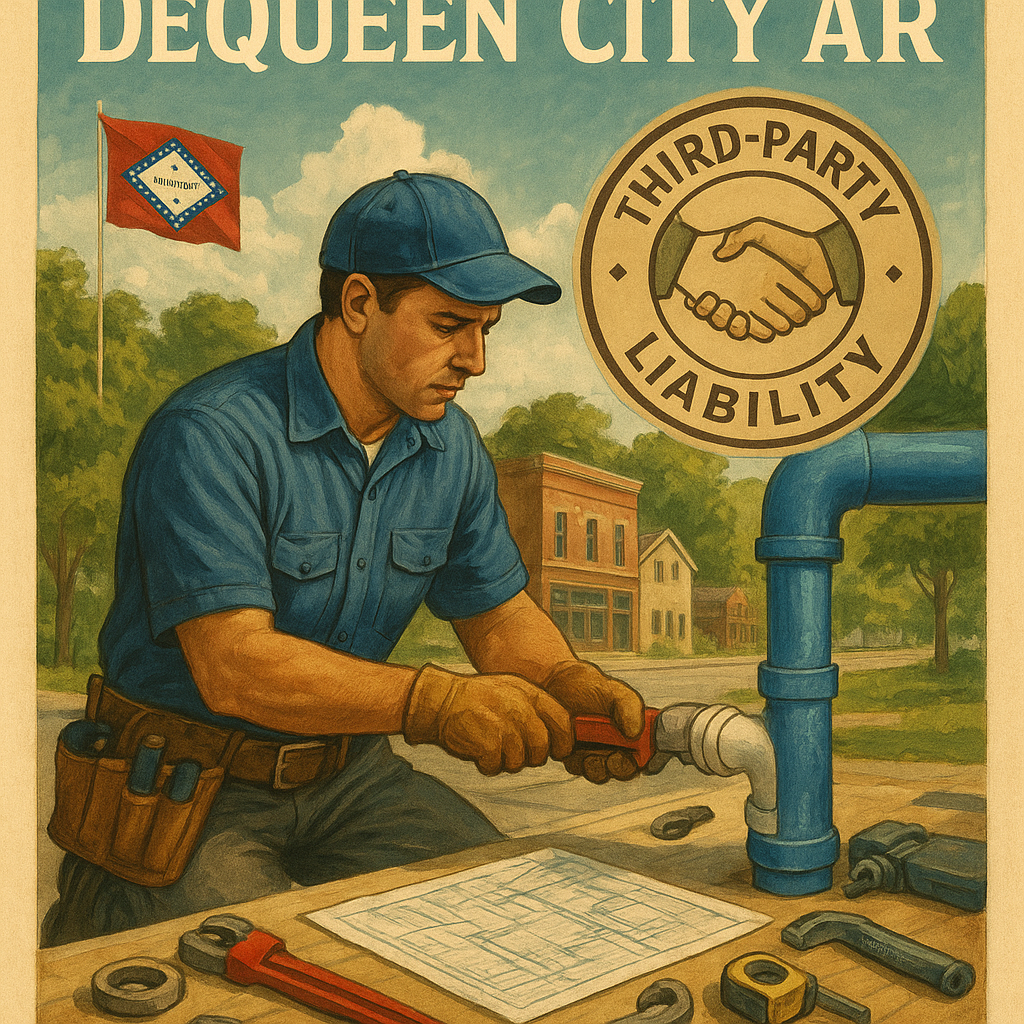
Imagine you’re finally getting that leaky pipe fixed or tackling a long-overdue bathroom remodel. You’ve hired a friendly local plumber in DeQueen, Arkansas, and you’re excited to see the results. But what happens if the work goes sideways? What if the contractor disappears halfway through the job, or does such sloppy work that you’re left with water damage and a bigger mess than before? This is exactly where a contractor’s bond becomes your unsung hero. Many DeQueen homeowners don’t realize these bonds exist, or they confuse them with insurance. Today, we’re pulling back the curtain to show you why this little piece of paper is one of the most powerful tools for protecting your home and your wallet.
Your personal credit score is the primary driver of your bond cost
Most freight broker applicants focus on the ,000 bond amount, but the part most applicants underestimate is how heavily their personal credit score impacts the premium. In practice, this often comes down to the underwriter's review of your FICO score. A score above 700 can secure a rate as low as 1-3% of the bond amount. A score below 650 can push rates to 10-15% or require a co-signer. What usually slows this down is applicants not knowing their exact score before applying, which leads to unexpected quotes and delays.
- Know your exact FICO score before you apply for an accurate quote
- Rates are tiered: Excellent credit (700+) pays 1-3%, while lower scores pay 10-15% or more
- If your score is below 650, prepare financials or consider a co-signer to improve approval odds
So, What Exactly Is a Contractor’s Bond?
Think of a contractor’s bond as a three-way promise. It involves your plumbing contractor, the City of DeQueen, and a bonding company. The contractor pays a premium to the bonding company for a bond that acts like a financial safety net. This bond guarantees that the contractor will follow all local rules, building codes, and the terms of your contract. If they fail to do so, the bond is there to cover your losses up to a certain amount. It’s not an insurance policy for the plumber—it’s protection for you, the homeowner, and for the city itself.
In DeQueen, when a plumbing contractor pulls a permit for your job, they often must post a specific bond with the city. This is especially true for projects that involve connecting to public sewer or water lines. The bond tells you, “This professional has been vetted, and there’s money set aside to make things right if they don’t hold up their end of the deal.”
Why the City of DeQueen Requires These Bonds
DeQueen, like many Arkansas municipalities, uses contractor bonds to keep the community safe and the local infrastructure sound. A poorly installed water heater or a botched sewer connection doesn’t just affect your house—it can cause problems for the entire neighborhood. The city wants to make sure that work meets its standards without placing the financial burden on taxpayers if something goes wrong. By requiring a DeQueen City AR Contractor’s Bond, the local government creates a layer of accountability that a simple handshake can’t offer.
For homeowners, this requirement is a hidden gem. It means the city has already done some of the homework for you. A bonded plumbing contractor has gone through a process that checks their license, credibility, and financial background enough for a surety company to back them. Does that mean they’re perfect? No, but it raises the bar significantly.
The Power of Third-Party Liability in Plumbing Work
You might see the phrase “third-party liability” attached to these bonds, and it sounds like complicated legal talk. It’s actually quite simple. The three parties are the contractor (the plumber), the obligee (the City of DeQueen), and you—the homeowner—who benefits from the bond’s protection. If the contractor violates the city’s codes or your contract, you are the party who suffers the damage. The bond’s third-party liability feature allows you to file a claim directly with the surety company to get compensated.
Let’s make this real. Say you hire a plumber to replace all the piping in your kitchen. They knock out a wall, cut corners on the connections, and before you know it, a slow leak soaks your new hardwood floors. The plumber refuses to return your calls. Without a bond, you’d be stuck paying for a new plumber plus thousands of dollars in flooring repairs—and likely a legal battle. With a valid Plumbing Contractor – 3rd Party Liability Bond in place, you can file a claim. The bonding company investigates, and if your claim is valid, they pay you up to the bond’s limit. They then go after the contractor to get their money back. You don’t have to be the bad guy—the system works for you.
Bond vs. Insurance: Clearing Up the Biggest Confusion
Homeowners often think, “The plumber said they’re insured, so I’m covered.” That’s only half the story. Insurance typically protects the contractor if one of their workers gets hurt on your property or if they accidentally drop a tool on your car. A bond, on the other hand, specifically protects you from the contractor’s failure to do the job right, a breach of contract, or a violation of city codes. They are two different safety nets, and you want both beneath you when you’re standing on a financial ledge.
Here’s a fun way to remember it: Insurance says, “Oops, an accident happened. Let’s pay for the damage.” A contractor’s bond says, “The contractor made a promise and broke it. Let’s make the homeowner whole again for that broken promise.” In DeQueen, a plumbing contractor might carry general liability insurance, but the bond required by the city is your exclusive pass to relief when the work itself is substandard or abandoned.
How Does a DeQueen Homeowner Actually Use the Bond?
Nobody plans on filing a claim, but knowing the steps ahead of time can save you a lot of panic. The process is designed to be homeowner-friendly, even if it sounds formal.
- Document Everything: From day one, keep your contract, receipts, photos of the work in progress, and screenshots of any text messages with the plumber. If things start to go wrong, you’ll need this paper trail.
- Notify the Contractor: Give them a written notice (email or letter) outlining what’s wrong and what you expect them to do. Set a reasonable deadline. Often, this step alone motivates a response because they don’t want a bond claim on their record.
- Contact the City of DeQueen: If the issue involves code violations or a permit that wasn’t closed properly, the city can be a powerful ally. They can confirm whether the plumber was bonded and provide details on the bonding company.
- File a Claim with the Surety: Reach out directly to the bonding company listed on the bond. They will ask for evidence. You’ll submit all that documentation. An adjuster will investigate, and if they find the contractor at fault, they will offer a settlement up to the bond’s full penal sum.
The beauty? You don’t need a lawyer to start this process, though you can consult one if the claim is large. The system is built to resolve these disputes efficiently without clogging up the courts.
What Kinds of Nightmares Does a Bond Protect Against?
Let’s step away from the technical language and talk about real-life headaches that keep DeQueen homeowners awake at night. A contractor bond can turn those nightmares into manageable situations.
Job Abandonment
The plumber tears out your old toilet and vanity, then vanishes without a trace for three weeks. Your bathroom is a dusty construction zone, and you can’t get a response. A bond claim can pay for a new, reputable contractor to finish the work.
Code Violations and Fines
Your plumber performs work that doesn’t pass a city inspection. You’re now facing fines from the City of DeQueen and you have to pay someone else to tear out the faulty work and redo it. The bond can cover the cost of making things code-compliant.
Damage to Public Property
While digging to replace your sewer line, the plumber mistakenly damages a city water main. The city looks to you for the repair bill because it’s your project. A proper bond includes coverage for such damages, shielding you from that unexpected expense.
Substandard Workmanship
The faucet installation looks fine for a week, and then a hidden connection bursts, flooding your cabinet and ruining the drywall in the room below. The plumber blames the materials; you know it’s the installation. The bond is your financial backstop to repair the water damage and get the faucet fixed correctly.
How to Make Sure Your Plumber Is Actually Bonded
Asking a contractor, “Are you bonded?” is a great start, but trust—and verify. A truly professional DeQueen plumbing contractor will be proud of their credentials and should provide you with a bond number and the issuing company’s name without hesitation. Take it one step further and call the surety company to confirm the bond is active and hasn’t been canceled. You can also contact DeQueen’s building department to verify that the contractor has the required bond on file for your specific project.
Be wary if a contractor tells you bonds are “unnecessary” or that they “work on a handshake.” In a world full of unknowns, that handshake won’t replace your damaged subfloor. The bond is a sign of a serious businessperson who respects the trade, their customers, and the city’s rules.
The Bigger Picture: A Stronger DeQueen Community
When homeowners only hire bonded contractors, it does more than protect one kitchen or one bathroom. It lifts the standard of construction across the whole city of DeQueen. Fly-by-night operators who underbid jobs with dangerously low prices can’t easily post a bond, so they get pushed out of the market. Legitimate, skilled plumbers thrive because their quality work and credentials become the norm. You end up with safer homes, higher property values, and far fewer stressful disputes between neighbors over shoddy work that causes shared damage.
So next time you flip through a list of local plumbers for your DeQueen home, don’t just compare hourly rates. Ask about the bond. Picture it as a pre-funded promise to protect your sanctuary. It turns the scary “what if” into a confident “even if.” Even if something goes wrong, you’ve got a clear path to a solution without draining your emergency fund. That peace of mind is exactly what a good contractor’s bond delivers.
Frequently Felt Anxieties, Answered Simply
Will the bond cover every dollar of my loss? Not necessarily. Bonds have a maximum coverage amount, often set by the city. Larger projects might require bonds with higher limits. Always ask about the bond’s “penal sum” and what it covers. Even if it doesn’t cover a catastrophic loss in full, it can significantly soften the blow and give you leverage.
What if the bonding company denies my claim? You still have options. You can appeal, provide more evidence, or take the contractor to small claims court, but having the bond company involved often leads to a faster resolution. The mere presence of a bond pressures the contractor to fix the problem to avoid surety problems and losing their ability to work in DeQueen.
Does a bond replace the need for a detailed contract? Absolutely not. Think of the bond as the backup parachute; you still want your main parachute—the written contract—to be as sturdy as possible. The contract defines the scope of work, materials, timeline, and payment schedule. The bond only kicks in if that contract is breached. A strong contract makes any claim foolproof.
Your Takeaway as a DeQueen Homeowner
Understanding bonds doesn’t require a law degree. It’s simply recognizing that the City of DeQueen has a system in place to guard your hard-earned investment in your home. The next time you schedule a plumbing upgrade, invite that knowledge into the conversation. Ask your contractor, “Can I see a copy of your bond certificate?” Their reaction will tell you volumes. Then soak in the relief that comes from knowing you’re backed by something far more concrete than just a promise. You’re protected by a bond, a city ordinance, and a network of accountability that’s been quietly looking out for homeowners all along.