Oklahoma City requires secondhand dealers, including used car, trailer, salvage, and parts businesses, to secure a surety bond as a financial safeguard for customers. The bond holds dealers accountable for legal and ethical practices, with coverage amounts varying by city regulations.
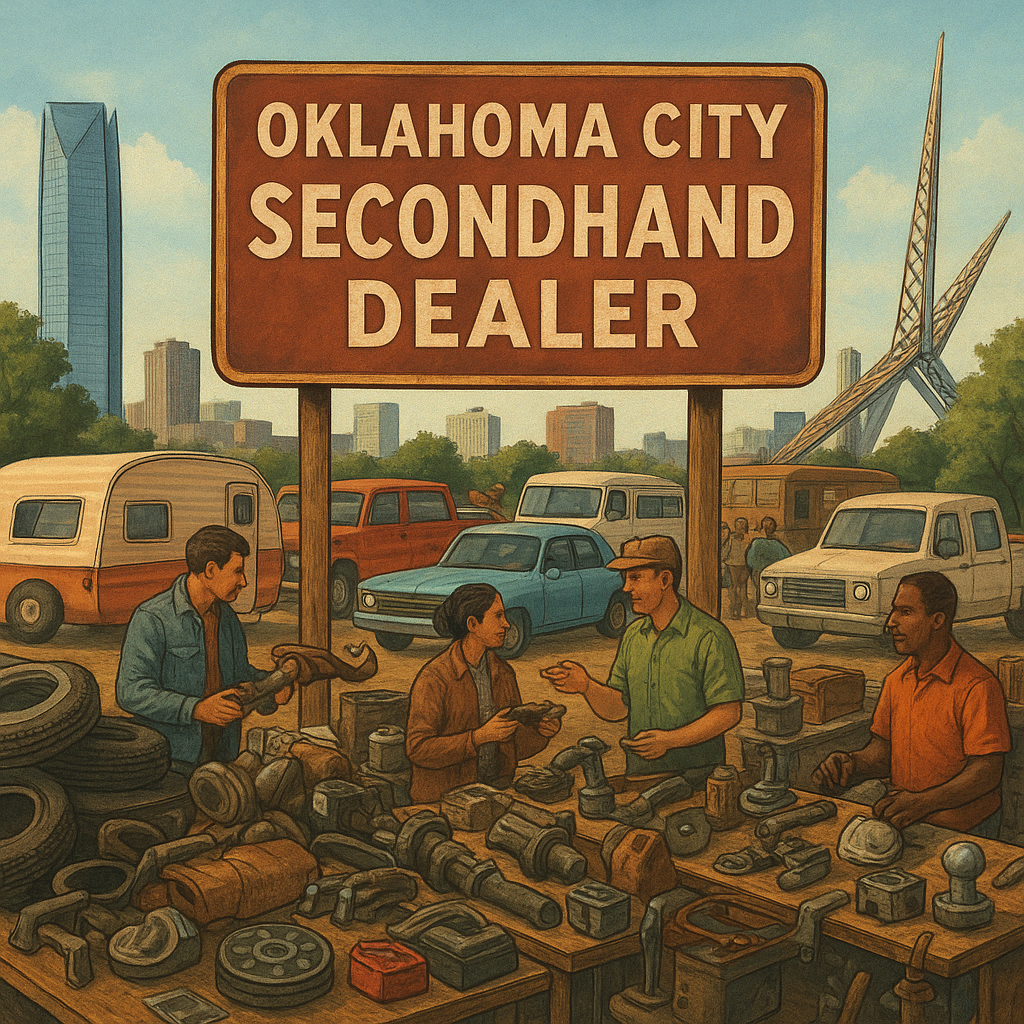
If you’re planning to sell used cars, trailers, salvaged merchandise, or secondhand auto parts in Oklahoma City, you’ve likely come across a requirement that sounds a little intimidating: the secondhand dealer bond. It might feel like just another hoop to jump through, but it’s really a safety net—for your customers and for your business. Let’s walk through everything you need to know in plain, everyday language.
Thinking a license bond is about your work quality
Most contractors believe the Arizona Contractor License Bond guarantees their project performance. It doesn't. This bond is a financial guarantee to the state that you will follow licensing laws, pay owed taxes, and cover certain public liabilities from your business operations. The part most applicants underestimate is the personal credit check. Underwriters review your credit to assess the risk you'll default on the bond's financial obligation, not your skill as a contractor. A low score doesn't automatically disqualify you, but it directly impacts your premium rate and the speed of approval.
- The bond protects the public and state, not your client's project outcome.
- Your personal credit score is the primary factor determining your bond premium.
- You are personally liable for any claims paid by the surety on your bond.
What Exactly Is a Secondhand Dealer Bond?
Think of a surety bond as a promise you make to play by the rules. A secondhand dealer bond is a three-party agreement. You, the dealer (called the principal), purchase the bond from a surety company. The city of Oklahoma City (the obligee) requires it. If you break the law or act fraudulently—like selling a stolen trailer or failing to provide a valid title—a harmed customer can file a claim against your bond. The surety will pay out up to the bond amount, but you’ll eventually have to repay every penny. It’s not insurance for you; it’s protection for the public.
Why Does Oklahoma City Require This Bond?
The bond serves a straightforward purpose. Cities see a lot of secondhand goods flowing through dealerships, salvage yards, and parts shops. Without oversight, it’s easy for dishonest operators to slip in stolen property, sell vehicles with hidden damage, or disappear after taking a customer’s money. The bond requirement acts as a financial guardrail. It tells the community, “This business is accountable.” For you, it’s a badge of trust that helps build credibility from day one.
Oklahoma City’s municipal code sets specific rules for anyone who deals in used trailers, automobiles, merchandise salvage, or secondhand automobile parts and accessories. The bond requirement falls under the umbrella of “secondhand dealer” regulations. By posting a bond, you’re showing the city that you’re financially responsible and committed to ethical practices.
Who Needs an Oklahoma City Secondhand Dealer Bond?
This is where the wording can get a little tangled, so let’s simplify it. If your business fits any of these descriptions, you’ll probably need a bond:
- Used automobile dealers – selling pre-owned cars, trucks, or SUVs.
- Used trailer dealers – offering utility trailers, travel trailers, boat trailers, and similar items.
- Merchandise salvage businesses – reselling goods recovered from accidents, closeouts, or insurance claims.
- Secondhand automobile parts and accessories dealers – shops that dismantle vehicles and sell used engines, transmissions, body panels, wheels, and more.
Sometimes a single business will cover multiple categories. If you’re running a salvage yard that also sells entire used cars and trailers, you’ll want to confirm exactly how the city classifies your operation. The bond requirement applies to physical locations within Oklahoma City limits, so if your lot or shop sits in a suburb, check with that municipality—rules can be different.
How Much Bond Coverage Do You Need?
Bond amounts aren’t one-size-fits-all. Your required coverage depends on how the city categorizes your dealership and, in some cases, your sales volume or inventory size. Many secondhand dealer bonds in Oklahoma City start at $10,000 or $25,000, but it’s not uncommon to see amounts climb higher for larger operations. The city clerk or licensing department can give you the exact figure when you apply for your business license. Never guess—getting the wrong amount can delay your license or leave you under protected.
It’s helpful to remember that the bond amount is the maximum payout, not the price you pay. So a $25,000 bond doesn’t cost you $25,000 up front. That leads us to the next big question.
What Does the Bond Actually Cost?
You’ll pay a small percentage of the total bond amount, called the premium. For someone with good personal credit, the annual premium often runs between 1% and 5% of the bond value. So if you need a $25,000 bond, you might pay as little as $250 to $1,250 per year. Your credit score plays a starring role here. A strong credit history can mean lower rates, while past financial bumps might push your premium higher. Even with less-than-perfect credit, many surety companies offer options, so it’s worth shopping around.
Some providers let you pay month-to-month, which can ease the upfront sting. Always ask if there’s a multi-year discount if you plan to be in business for the long haul.
How to Get Your Bond in a Few Simple Steps
Applying for a bond seems complex, but it’s a lot like applying for credit. Here’s a typical path:
- Confirm your bond type and amount with Oklahoma City’s licensing office. They’ll point you to the exact ordinance and dollar figure.
- Find a reputable surety bond agency. Many work online and specialize in dealer bonds. You can get quotes in minutes.
- Complete a quick application. You’ll give basic business and personal info, and the surety will run a soft credit check.
- Receive your quote and pay the premium. Once payment clears, you’ll get your official bond form.
- File the bond with the city. Keep a copy for your records. The bond must stay active as long as your license is valid.
Don’t wait until the last day. Processing can be swift, but you’ll want a cushion in case the city has additional paperwork.
What Happens If You Operate Without a Bond?
Skipping the bond might feel like a way to save money, but the consequences can be severe. Oklahoma City can suspend or revoke your business license. You could face fines, legal action, and even difficulty getting licensed in the future. Worse, if a customer files a lawsuit against you for deception or theft, you won’t have that bond safety net—and you’ll be personally on the hook for damages. One bad transaction could sink your entire business. The bond is a relatively small investment that shields you from much larger headaches.
Common Missteps to Avoid
Even well-meaning dealers stumble over a few common pitfalls. Watch out for these:
- Letting your bond lapse. Your bond must be renewed on time. A gap in coverage can automatically suspend your license.
- Buying the wrong bond type. A generic auto dealer bond might not cover merchandise salvage or parts-only businesses. Always match the bond to your specific license category.
- Assuming one bond covers all locations. If you run multiple sites in Oklahoma City, you may need a separate bond for each.
- Forgetting to update your bond. If your business name or structure changes, notify your surety—and the city—right away.
How Does the Secondhand Dealer Bond Protect Your Customers?
Let’s make this real with a couple of examples. Imagine a family buys a used trailer from your lot. You promise the title is clean, but weeks later they discover the trailer was reported stolen from another state. The family can’t register it and loses their money. They file a claim against your bond. The surety investigates and, if the claim is valid, compensates the family up to the bond’s limit. You then repay the surety. This process gives the wronged buyer a clear path to resolution.
Now think of a salvage dealer who sells a used engine as “fully rebuilt” when it’s actually a high-mileage unit about to fail. The mechanic who bought it ends up with an angry customer and a damaged reputation. The bond can step in here, too. It encourages honest representation because claims cost you money—and can make future bonds harder to get.
What About the Bond Renewal Process?
Most secondhand dealer bonds run on an annual cycle. Your surety company will send you a renewal notice before the bond expires. It’s crucial to pay the renewal premium on time. If you miss it, the bond cancels, and the city gets notified. Reinstating a lapsed bond can be more expensive, and you might have to start the application from scratch. A few minutes and a on-time payment keep everything flowing smoothly.
Some dealers set up automatic payments to never miss a deadline. It’s a simple trick that saves a lot of stress.
Using Your Bond as a Business Advantage
It’s easy to view the bond as a regulatory hurdle, but flip the script. When customers know you’re bonded, they feel safer handing over their hard-earned money. You can mention your bond on your website, at your sales lot, and in conversations. Something as small as a sign that reads “Licensed and Bonded for Your Protection” can set you apart from unlicensed sellers on online marketplaces. In a world where trust is currency, a bond speaks volumes.
Quick Answers to Frequent Questions
Is a bond the same as insurance? Not exactly. Insurance protects your business from losses like fire or theft. A bond protects the public from your wrongful acts and you repay any claim payouts.
Can I get a bond with bad credit? Yes, but your premium might be higher. Some sureties specialize in high-risk bonds and can still help you get bonded.
Do I need a new bond if I move my lot? Probably not if it’s still within Oklahoma City, but always inform the city and your surety of the new address. You want your bond to match your license exactly.
How long does it take to receive the bond form? Many agencies issue the bond within 24 hours, sometimes instantly, after you pay the premium.
Your Next Steps, Made Simple
If you’re feeling a bit overwhelmed, take a breath. Here’s a simple checklist to guide you:
- Call or email the Oklahoma City licensing division. Ask: “What bond amount do I need for my specific type of secondhand dealer business?”
- Gather your basic business details—legal name, address, and owner information.
- Reach out to two or three surety bond providers for quotes. Compare not only price but also customer reviews and renewal ease.
- Purchase the bond and file it with the city promptly.
- Mark your calendar for renewal eleven months out so you’re never caught off guard.
By tackling the bond requirement head-on, you’re not just meeting a regulation. You’re laying a foundation of trust that helps your business grow. Customers will notice, the city will stay off your back, and you can focus on what you do best—selling quality secondhand trailers, automobiles, salvage merchandise, and parts with integrity.
Remember, this requirement exists to keep the marketplace fair for everyone. When you’re bonded, you signal to the world that you stand behind your products and your promises. That’s a powerful message in any industry.