A house mover’s bond in Enid, Oklahoma serves as a financial safety net that covers third-party liability, protecting residents and public infrastructure from damages during house relocations. This surety bond ensures that movers are accountable for any harm caused to neighbors, utility lines, or city property during the moving process.
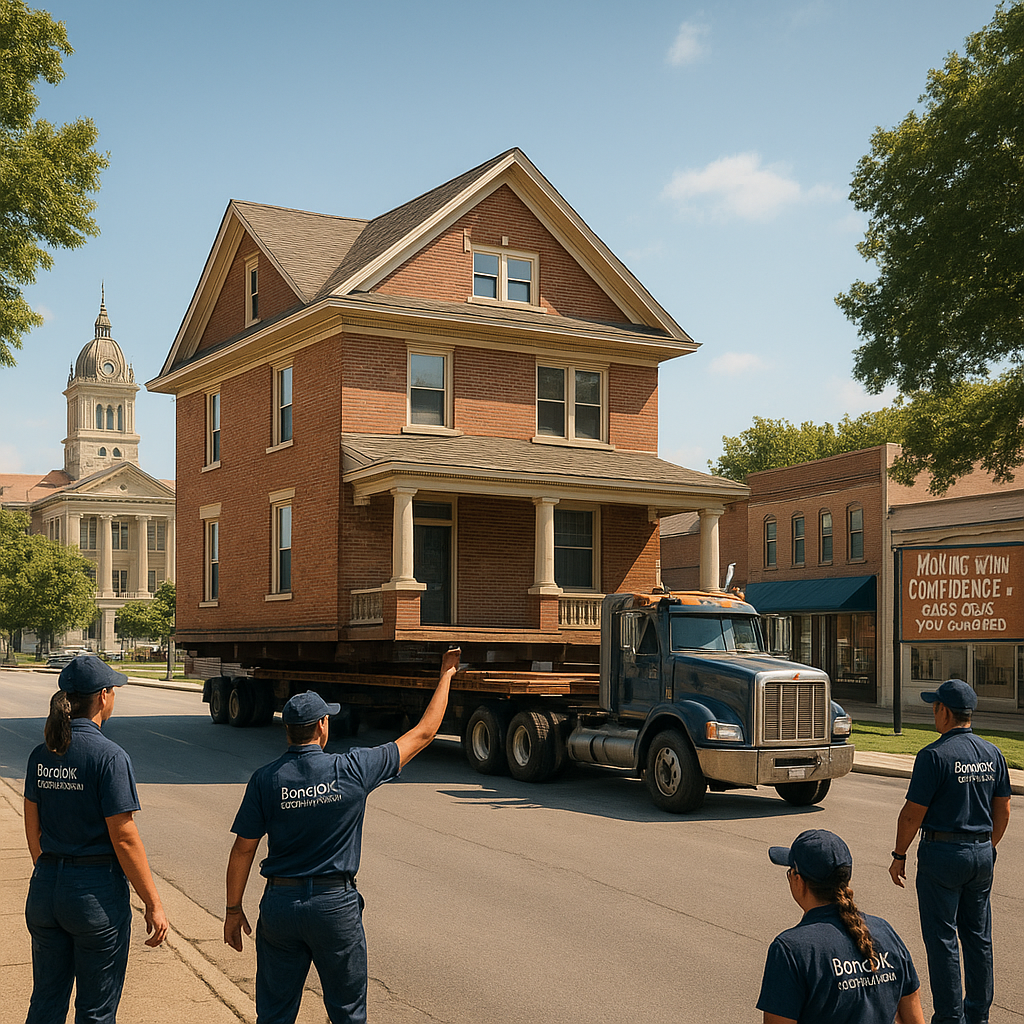
Moving a house is no small feat. Think about it: you’re taking a massive structure that’s meant to stay in one place and carefully rolling it down the street. Whether it’s to save a historic home from demolition or to relocate to a dream piece of land, the process is equal parts engineering marvel and nail-biting suspense. But here’s a question that often gets overlooked: what happens if something goes wrong? Who pays if a power line snaps, a neighbor’s fence gets crushed, or a section of city roadway gets damaged? That’s where the concept of third-party liability comes into play, especially for house movers operating in Enid, Oklahoma.
If you’re a house mover in the City of Enid, or if you’re planning to hire one, you’ve probably heard about the Enid OK House Movers Bond. It’s not just another piece of paperwork; it’s a financial safety net designed to protect the public. Let’s unpack what this bond really means, why third-party liability is the star of the show, and how it all fits together in the friendly, red-dirt landscape of Garfield County.
Your personal credit score is the primary driver of your bond cost
Most freight broker applicants focus on the ,000 bond amount, but the part most applicants underestimate is how heavily their personal credit score impacts the premium. In practice, this often comes down to the underwriter's review of your FICO score. A score above 700 can secure a rate as low as 1-3% of the bond amount. A score below 650 can push rates to 10-15% or require a co-signer. What usually slows this down is applicants not knowing their exact score before applying, which leads to unexpected quotes and delays.
- Know your exact FICO score before you apply for an accurate quote
- Rates are tiered: Excellent credit (700+) pays 1-3%, while lower scores pay 10-15% or more
- If your score is below 650, prepare financials or consider a co-signer to improve approval odds
What Exactly Is a House Movers Bond?
Imagine a promise backed by money. A house mover’s bond is a special type of surety bond required by the City of Enid before anyone can legally relocate a building. It’s not insurance for the mover’s own equipment or the house itself. Instead, it’s a three-party agreement that involves:
- The Principal: You, the house mover, who buys the bond.
- The Obligee: The City of Enid, which requires the bond to protect its residents and infrastructure.
- The Surety: The company that backs the bond financially if something goes wrong.
Think of it like a security deposit for grown-ups. When a mover pulls a permit and rolls a century-old farmhouse down Cleveland Street, the bond sits there quietly, ready to cover costs if the mover accidentally damages public property or harms a third party. The city wants assurance that taxpayers won’t be left footing the bill for a mishap.
Third-Party Liability: The Heart of the Matter
So, what exactly is third-party liability? Let’s break it down with a simple mental picture. You’re moving a house. The “first party” is you, the mover. The “second party” could be the homeowner who hired you. The “third party” is anyone else who didn’t sign a contract but could still get hurt or see their property damaged. This includes neighbors, pedestrians, utility companies, and the city itself.
Why Is It Such a Big Deal in Enid?
Enid is a place where wide streets meet a tight-knit community. You’ve got beautiful historic neighborhoods, mature trees, and power lines that crisscross above. Moving a 2,000-square-foot building through these areas isn’t just about navigating the house. It’s about protecting everything the house passes by. The Enid OK House Movers Bond specifically addresses third-party liability to ensure that if a tree branch knocks down a neighbor’s porch railing, or a utility pole is scraped and needs replacement, there’s a clear path to making things right without a legal battle.
Without this protection, a third party would have to sue the mover directly, hoping they have the cash to pay for damages. That’s a risky guessing game. The bond steps in and says, “We’ve got this covered, up to the bond amount.” It’s a pre-qualification of responsibility, and it lets everyone breathe a little easier.
Scenarios Where the Bond Saves the Day
To make this feel real, let’s look at a couple of practical examples you might see in and around Enid.
Scenario 1: The Unexpected Drop. A crew is moving a small cottage from the west side of town to a rural property near Vance Air Force Base. While navigating a curved intersection, a corner of the house dips a little too low and scrapes across the asphalt, gouging out a deep scar in a freshly paved road. The city’s public works department now needs to repair that section. The bond can cover those repair costs so the city isn’t using tax dollars to fix damage caused by a private project.
Scenario 2: The Leaning Chimney. A historic brick home is being relocated to make way for a new development. As it inches past a neighbor’s fence, a crossbeam shifts unexpectedly, toppling the neighbor’s custom cedar fence. The neighbor is understandably upset. Instead of a heated argument over cash, the third-party liability coverage through the bond can pay for the fence repair or replacement, keeping the peace in the neighborhood.
These aren’t far-fetched disasters. They’re exactly the kind of incidents that the City of Enid wants to mitigate. The bond isn’t about punishing movers; it’s about keeping everyone safe and solvent.
How Does a House Mover Get Bonded in Enid?
You might be thinking, “Okay, this sounds like a good idea, but is it a hassle to get?” The process is actually quite straightforward, though it does require some paperwork. The city will typically set a bond amount—let’s say $10,000 or $25,000, depending on the scope of the move. The mover then contacts a surety bond agency. The agency checks the mover’s credit, experience, and sometimes financial history. Once approved, the mover pays a premium, which is a small percentage of the total bond amount, often 1–5%. That bond certificate is then filed with the City of Enid’s permitting office.
It’s important to note that the bond premium is not a fee you get back. It’s the cost of doing business responsibly. And if a claim is paid out by the surety, the mover is ultimately responsible for repaying that money. It’s not a get-out-of-jail-free card; it’s a line of credit that you must honor.
Common Misunderstandings About House Movers Bonds
Let’s clear the air on a few points because industries like house moving are often clouded by myths.
- Myth: The bond protects the mover’s own equipment. Nope. If the mover’s truck breaks down or the lifting beam cracks, that’s on the mover’s business insurance. The bond is strictly for third-party damages.
- Myth: The bond replaces the need for liability insurance. Not true. They work side by side. The bond often covers specific obligations to the city, while a general liability policy might cover a broader range of third-party claims. In many cases, the city requires both.
- Myth: Only huge moves need a bond. If you’re moving any structure within Enid city limits, you likely need to pull a permit and provide that bond, whether it’s a grand Victorian or a modest backyard shed being relocated.
Understanding these distinctions can save a house mover from a costly misstep. It’s less about red tape and more about creating a transparent environment where projects can proceed smoothly.
Why the City of Enid Cares So Much
Enid isn’t just any city. It’s a growing hub with a strong sense of history and community pride. From the art deco architecture downtown to the quiet residential streets, the built environment matters. When a house is moved, it’s not a daily occurrence, but it’s significant. The city’s requirement for a House Mover – 3rd Party Liability bond is a proactive measure. It tells residents that their safety and property rights are valued. It also encourages movers to operate with extreme caution because there’s a tangible financial consequence to cutting corners.
Have you ever wondered what it would feel like to see a house casually driving down your street? It’s a mixture of awe and anxiety. The bond helps tilt the scale firmly toward the awe. You can marvel at the process, knowing that if the unexpected occurs, a well-structured system is in place to handle it.
What to Look for If You’re Hiring a House Mover
If you’re a homeowner in Enid looking to relocate a house, asking the right questions about bonding and insurance can protect you too. After all, you don’t want to be dragged into a dispute between the mover and an injured party. Here’s a quick checklist:
- Verify their bond: Ask for a copy of the Enid-specific house movers bond and confirm it’s active with the city.
- Check for adequate insurance: The mover should have general liability, workers’ comp, and possibly cargo coverage for the house.
- Walk through the route: A reputable mover will have already planned the path and identified potential third-party risks, from low-hanging branches to underground utilities.
- Ask about claims history: A mover who has never had a claim isn’t necessarily safer, but if they have a history of claims, you’ll want to know how they handled them.
Doing a little homework upfront can prevent a world of hurt later. It’s like checking the weather before a long road trip. You’re simply preparing for the journey ahead.
The Bigger Picture: Trust and Community
At the end of the day, a house movers bond is about trust. It’s a document that says to the City of Enid and its residents, “We respect this place and the people who live here.” Moving a house is a disruptive event, but with the right safeguards, it’s a positive demonstration of progress and preservation. The third-party liability component ensures that no one is left holding an unexpected bill for damage they didn’t cause.
Think about the last time a contractor worked on your street. You probably wanted to know they were licensed and insured because your property sits just yards away. Now multiply that by a thousand when a two-story house is rolling by. The peace of mind is worth the price of admission.
So whether you’re a mover with years of experience or a curious resident watching a home inch its way to a new foundation, you now understand the silent role of the Enid OK House Movers Bond. It’s the invisible shield that helps walk the line between ambitious projects and everyday peacefulness.
Have any more questions about how these bonds work or what the City of Enid specifically requires? You’re not alone. The rules can feel dense, but they boil down to a simple idea: be responsible, be prepared, and respect your neighbors. That’s something we can all appreciate, whether we’re moving a house or just calling it a home.