A fidelity bond is a form of business insurance that protects companies from financial losses caused by fraudulent acts committed by employees.
The license is not the bottleneck your bond is
Most contractors focus on passing the trade exam, but the real delay is the surety bond underwriting. The state requires the bond, but the surety company requires a deep review of your personal credit, business financials, and project history. A low credit score or thin business file can trigger requests for additional collateral or personal indemnity, stalling the entire license application. What usually slows this down is applicants submitting incomplete financial statements or underestimating how their personal credit impacts the premium.
- Order your bond before your exam to lock in your rate and avoid last-minute underwriting surprises.
- Prepare two years of business and personal tax returns upfront—missing documents are the most common cause for delay.
- A credit score below 650 will likely require a financial statement and may increase your bond premium by 25-50%.
What Is a Fidelity Bond?
A fidelity bond is a form of insurance that protects a business from financial losses caused by fraudulent acts committed by its employees. This type of coverage is essential for companies that want to safeguard their assets and ensure operational integrity. It is particularly important for businesses that handle significant amounts of money, sensitive data, or valuable assets. Without this protection, a single act of internal fraud can jeopardize a company’s solvency and long-term viability.
How Does a Fidelity Bond Work?
When an employee commits a dishonest act, such as theft or embezzlement, the business can file a claim against the fidelity bond. The insurance provider will then investigate the claim and, if validated, provide financial compensation to the business for the covered loss. This process helps the company recover from the incident without suffering a devastating financial impact. It is a critical risk management tool for maintaining financial stability. Claims must typically be filed promptly after discovery, and insurers will require documented evidence of the loss and the employee’s fraudulent conduct.
Types of Fidelity Bonds
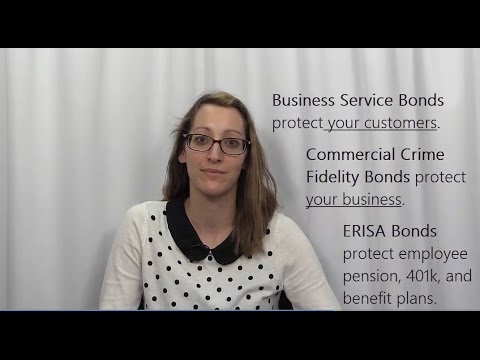
There are several common types of fidelity bonds, each designed for specific situations. Business Services Bonds protect clients of a business from theft by the business’s employees. Standard Employee Dishonesty Bonds cover losses from fraudulent acts by employees. ERISA bonds are specifically required by the U.S. Department of Labor for those who handle retirement plan funds, as outlined in the Employee Retirement Income Security Act (ERISA). The bonding requirement mandates that plan fiduciaries and individuals who handle plan funds be covered for up to 10% of the plan’s assets.
Choosing the right type of bond depends on your company’s specific risks and exposures. A thorough risk assessment with an insurance professional is the best way to determine the appropriate coverage. When evaluating policies, pay close attention to whether the bond covers all employees or only specific named positions, as this distinction can significantly affect your exposure to loss.
Who Needs a Fidelity Bond?
While any business with employees can benefit from a fidelity bond, they are especially crucial for certain industries. Financial institutions, such as banks and credit unions, are almost always required to have them. Companies with employees who handle cash, client property, or sensitive financial information are also prime candidates. Furthermore, businesses that must comply with specific client contracts or regulatory standards often find a bond is mandatory. Even small businesses with a single bookkeeper are vulnerable, as segregation of duties is rarely possible at that scale.
- Financial Advisors & Brokerages: To protect client assets under management.
- Government Contractors: Often required to bid on and fulfill public sector contracts.
- Non-Profit Organizations: To safeguard donor funds and ensure trustee accountability.
- Technology Companies: Especially those managing client data or intellectual property.
Key Benefits of a Fidelity Bond
The primary benefit is direct financial protection against employee dishonesty. This security allows business owners to focus on growth rather than worrying about internal threats. Additionally, having a fidelity bond can enhance a company’s reputation, demonstrating to clients and partners that it takes risk management seriously. It can also be a requirement for securing certain contracts or professional licenses. Beyond the financial payout, the insurer’s investigative resources often help uncover the full scope of the fraud, which may reveal losses that were not initially apparent.
Conclusion
In today’s business environment, internal risks are as significant as external ones. A fidelity bond provides a vital safety net, offering financial recourse and peace of mind. By understanding what a fidelity bond is and how it functions, business leaders can make informed decisions to better protect their enterprises from potentially crippling losses due to employee fraud. Regularly reviewing your bond coverage as your workforce and operations evolve ensures that your protection remains aligned with your actual risk profile.