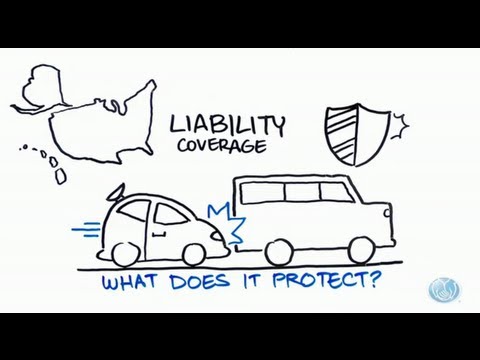
Liability coverage is a fundamental auto insurance component that pays for injuries and property damage you cause to others in an at-fault accident.
Liability coverage is a foundational component of your auto insurance policy that provides essential financial protection. If you are found legally responsible for causing a car accident, this coverage helps pay for the other party’s resulting bodily injuries and property damage. It is a critical safeguard that helps protect your personal assets from being used to cover these potentially significant costs.
Most states require drivers to carry a minimum amount of liability insurance, making it not just a prudent choice but a legal necessity. You can learn more about specific state requirements from the Insurance Information Institute.
Liability coverage is typically broken down into two main categories, which are expressed as three numbers in your policy (e.g., 25/50/25).
- Bodily Injury Liability (BI): This covers medical expenses, lost wages, and legal fees for other people injured in an accident you cause. The first two numbers (e.g., 25/50) represent, per person and per accident, limits for this coverage.
- Property Damage Liability (PD): This covers repairs or replacement of another person’s vehicle or other property you damage, such as a fence or building. The third number (e.g., 25) represents the per accident limit for this coverage.
Choosing the right limits is a crucial financial decision. State minimums are often quite low and may not be sufficient to cover the full costs of a serious accident. If damages exceed your policy limits, you could be held personally responsible for the difference, which could put your savings, home, or other assets at risk. Therefore, selecting liability limits that adequately reflect your financial situation and potential risk is a key aspect of responsible financial planning.
For instance, if you cause an accident resulting in $75,000 of bodily injury costs and your BI limit is $50,000 per accident, you may be liable for the remaining $25,000. This scenario underscores the importance of evaluating your coverage limits carefully, potentially with the guidance of an insurance agent, to ensure you have robust protection.
When evaluating your limits, consider that medical costs and vehicle repair prices have risen steadily in recent years. A modest fender-bender with airbag deployment can easily generate thousands of dollars in property damage alone, while a multi-vehicle collision can quickly exhaust a low six-figure bodily injury limit. Drivers with significant savings, home equity, or other valuable assets should particularly weigh the benefits of higher limits, as a single lawsuit can far exceed what minimum coverage provides. Umbrella policies are another option worth discussing with your agent, as they can extend liability protection beyond your auto policy’s limits for an additional layer of security.
It is also vital to understand what liability coverage does not include. It does not cover repairs to your own vehicle or your own medical expenses after an accident. For that protection, you would need to add other coverages like collision and comprehensive insurance or medical payments coverage to your policy.
Your personal credit score is the primary driver of your bond cost
Most freight broker applicants focus on the $75,000 bond amount, but the part most applicants underestimate is how heavily their personal credit score impacts the premium. In practice, this often comes down to the underwriter's review of your FICO score. A score above 700 can secure a rate as low as 1-3% of the bond amount. A score below 650 can push rates to 10-15% or require a co-signer. What usually slows this down is applicants not knowing their exact score before applying, which leads to unexpected quotes and delays.
- Know your exact FICO score before you apply for an accurate quote
- Rates are tiered: Excellent credit (700+) pays 1-3%, while lower scores pay 10-15% or more
- If your score is below 650, prepare financials or consider a co-signer to improve approval odds