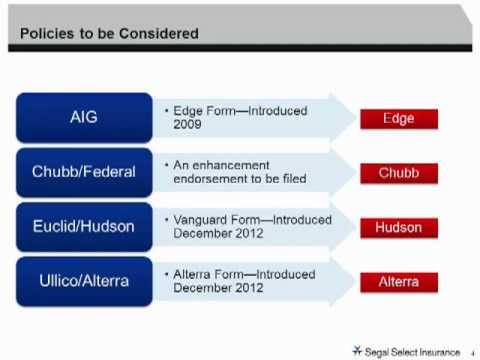
The 2013 update highlights key coverage considerations for fiduciary liability, cyber liability, and fidelity bonds.
In the evolving landscape of corporate risk, understanding the nuances of your insurance portfolio is more critical than ever. This update focuses on three key areas of coverage that demand renewed attention from business leaders and risk managers: fiduciary liability, cyber liability, and fidelity bonds.
Thinking a license bond is about your work quality
Most contractors believe the Arizona Contractor License Bond guarantees their project performance. It doesn't. This bond is a financial guarantee to the state that you will follow licensing laws, pay owed taxes, and cover certain public liabilities from your business operations. The part most applicants underestimate is the personal credit check. Underwriters review your credit to assess the risk you'll default on the bond's financial obligation, not your skill as a contractor. A low score doesn't automatically disqualify you, but it directly impacts your premium rate and the speed of approval.
- The bond protects the public and state, not your client's project outcome.
- Your personal credit score is the primary factor determining your bond premium.
- You are personally liable for any claims paid by the surety on your bond.
Fiduciary Liability Insurance: Protecting Plan Sponsors
Fiduciary Liability Insurance is designed to protect the individuals and entities responsible for managing employee benefit plans. If you serve as a plan sponsor, trustee, or committee member, you can be held personally liable for alleged errors in the administration of these plans. This coverage is distinct from a standard Directors and Officers (D&O) policy and is essential for anyone with fiduciary duties under ERISA. Claims can arise from a variety of issues, including investment selection, plan fees, and disclosure failures. Importantly, the Department of Labor continues to scrutinize plan fee reasonableness and investment oversight, making robust fiduciary coverage a non-negotiable component of a comprehensive risk profile.
Cyber Liability Insurance: Beyond Data Breach
While many businesses now recognize the need for some form of cyber protection, policies vary widely in scope. A robust Cyber Liability policy should address both first-party and third-party exposures. This means it covers your direct costs, such as forensic investigation, data restoration, and business interruption, as well as your liabilities to others, including legal defense, regulatory fines, and customer notification expenses. It is a critical tool for managing the financial impact of a cyber incident, which can be devastating even for smaller organizations. A common oversight is failing to secure coverage for social engineering fraud, a distinct peril that often requires a separate insuring agreement and is frequently excluded from standard cyber forms.
Fidelity Bonds: A Specific Safeguard
A Fidelity Bond, often called a crime policy, protects a business from financial losses caused by fraudulent acts committed by employees. This can include theft, embezzlement, or forgery. It is a specific form of coverage that is frequently required for businesses that handle client funds or have employees in positions of financial trust. Unlike broad commercial crime policies, a fidelity bond specifically indemnifies the employer for losses resulting from employee dishonesty.
When reviewing your fidelity bond, ensure you understand the key terms that define its protection:
- Discovery Period: The timeframe after a policy ends during which you can report a loss that occurred while the policy was active.
- Single Loss vs. Aggregate Limits: Whether the limit applies per incident or is a total cap for the policy period.
- Insured Persons: Clarifies which employees (e.g., all, only those handling money) are covered under the bond.
In practice, one of the most frequent errors we encounter is the assumption that a fidelity bond automatically covers losses from third-party fraud or vendor impersonation. Standard employee dishonesty coverage does not extend to losses caused by outsiders, even if an employee unknowingly facilitated the scheme. Verify whether your policy includes a separate computer fraud or funds transfer fraud insuring agreement, as these are often the only mechanisms that respond to sophisticated electronic payment manipulation.
Integrating Your Coverage
The most effective risk management strategy views these policies not in isolation, but as interconnected components of your financial defense. Gaps can easily occur where one policy ends and another begins. For instance, a data theft by an employee might trigger questions of coverage under both a Cyber Liability policy and a Fidelity Bond. A thorough review with your insurance advisor is necessary to identify potential overlaps and ensure there are no dangerous coverage silos. Proactive alignment of these coverages strengthens your organization’s overall resilience.