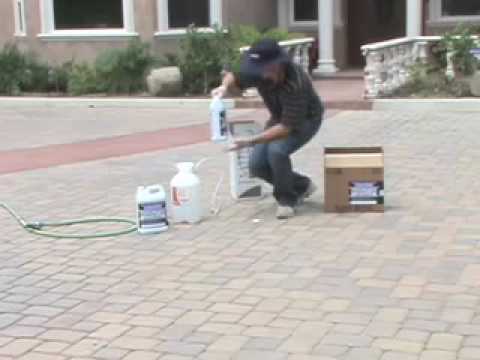
The video demonstrates the proper technique for applying Surebond sealant to ensure optimal adhesion and a professional finish.
This video provides a step-by-step visual guide to applying Surebond joint sealant, ensuring a proper and durable seal for your paving project. Following the demonstrated techniques is crucial for achieving a professional finish that resists water ingress and weed growth. Mastery of these methods directly correlates with the longevity of the installation, preventing costly callbacks and premature pavement deterioration.
For comprehensive technical specifications and safety data, professionals can refer to the product’s official documentation. Understanding these details ensures the sealant is used within its optimal parameters for climate and substrate type. Consulting the technical data sheet prior to deployment is a best practice that mitigates the risk of adhesive failure in demanding environmental conditions.
Before you begin, ensure you have all necessary tools and materials ready. A well-prepared workspace significantly improves application efficiency and final results. Organizing your tools and staging the work area to match the sequence of operations minimizes downtime during the critical application window.
- A clean, dry joint free of debris, vegetation, and moisture.
- The appropriate Surebond sealant cartridge for your project scale.
- A standard caulking gun.
- A joint tool or smoothing tool for finishing.
- Personal protective equipment, including gloves and safety glasses.
Pay close attention to the application temperature and moisture conditions shown in the video, as these environmental factors directly impact curing time and adhesive performance. Proper surface preparation, as thoroughly illustrated, is the most critical step for long-term bond integrity. When working in cooler conditions, allow for extended cure times before allowing traffic back onto the sealed surface; rushing this process is a common cause of tracking and sealant displacement. Conversely, in high heat, work in smaller sections to ensure the sealant is tooled before it begins to skin over.
Your personal credit score is the primary driver of your bond cost
Most freight broker applicants focus on the $75,000 bond amount, but the part most applicants underestimate is how heavily their personal credit score impacts the premium. In practice, this often comes down to the underwriter's review of your FICO score. A score above 700 can secure a rate as low as 1-3% of the bond amount. A score below 650 can push rates to 10-15% or require a co-signer. What usually slows this down is applicants not knowing their exact score before applying, which leads to unexpected quotes and delays.
- Know your exact FICO score before you apply for an accurate quote
- Rates are tiered: Excellent credit (700+) pays 1-3%, while lower scores pay 10-15% or more
- If your score is below 650, prepare financials or consider a co-signer to improve approval odds