Del City, Oklahoma requires contractors working on storm shelters, fallout shelters, and street or storm drain systems to secure occupational and liability bonds, ensuring they comply with local codes and providing financial protection for homeowners and the public against substandard work.
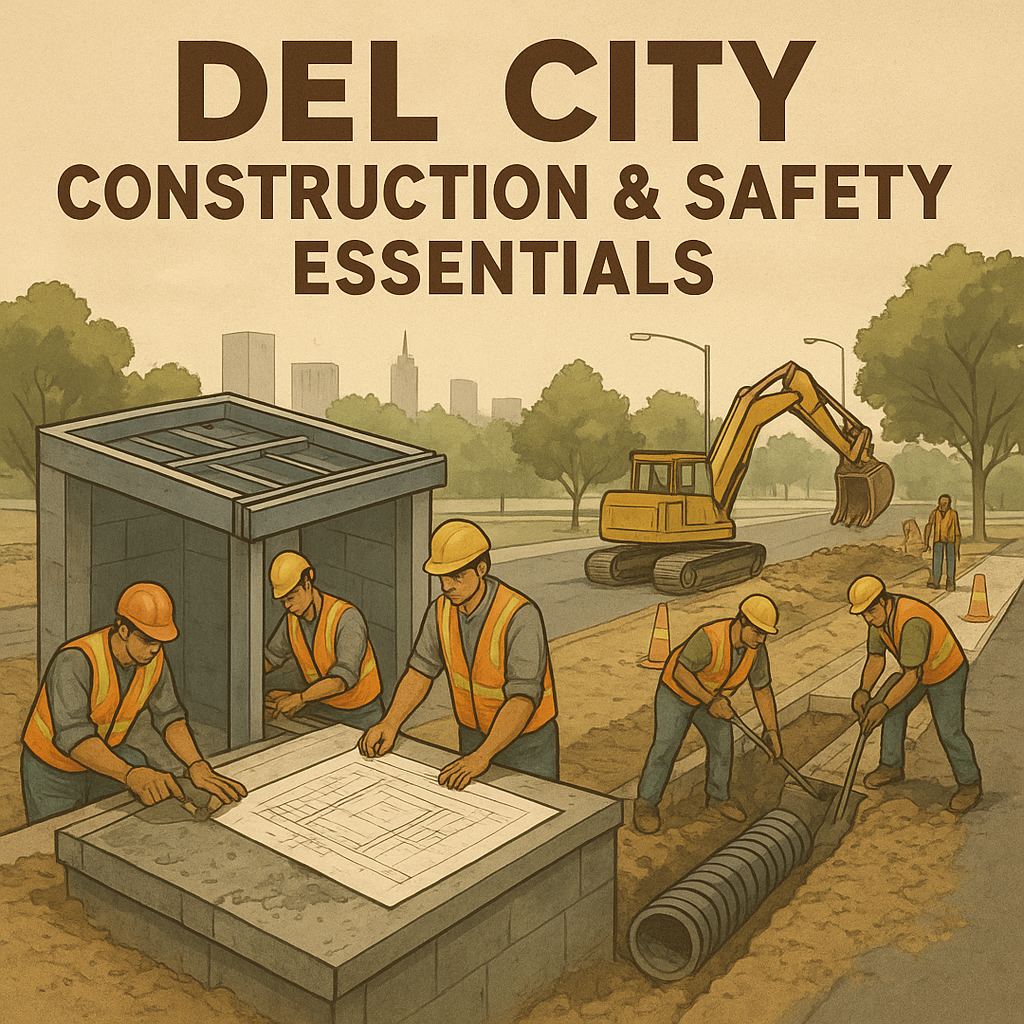
Have you ever hired a contractor to work on your home, only to worry about what happens if things go sideways? Maybe they don’t finish the job, or worse, their work causes damage down the road. For homeowners and business owners in Del City, Oklahoma, there’s a quiet safety net that many people don’t even know exists. It comes in the form of contractor bonds—and the city takes them seriously, especially for specific, high-stakes projects.
If you’re planning to install a storm shelter, build a fallout shelter, or work on street and storm drain systems, you’re entering a world where promises aren’t enough. You need proof you’ll follow through. That’s where Del City’s requirements for occupational and liability bonds step in to protect everyone involved.
Assuming your bond cost is just a simple percentage
The most costly mistake is thinking your Oregon contractor license bond premium is a fixed rate like 1% or 2% of the bond amount. In practice, your final cost is determined by an underwriter reviewing your personal credit score, financial statements, and business history. Applicants with lower credit often pay 3-5% or more. What slows this down is not having your financials ready. The part most applicants underestimate is how much a strong credit profile can reduce your annual premium.
- Your personal credit score is the primary factor in your final rate.
- Have 2 years of business and personal financial statements prepared for review.
- A higher bond amount doesn't mean a proportionally higher cost; underwriting is key.
What Exactly Is a Contractor Bond?
Let’s strip away the jargon for a moment. A contractor bond is basically a financial promise. Think of it as a three-party handshake. The contractor (you, if you’re doing the work) buys the bond from a surety company. The bond says to the city and the property owner, “If I don’t follow the rules or finish the job the right way, you’ll get compensated up to a certain amount.”
It’s not insurance for the contractor. It’s protection for the public. And in Del City, certain projects simply can’t move forward without it. The city wants to make sure that when a shelter is built or a storm drain is installed, it’s done correctly—because people’s safety is on the line.
Why Del City, OK Puts a Spotlight on These Bonds
Del City sits in the heart of Oklahoma, where tornadoes aren’t just a weather report—they’re a fact of life. Strong winds and severe storms can roll through with little warning. That’s why fallout shelters and storm shelters are more than just a nice addition to a property; they can save lives. When someone digs into the ground or modifies a home to create that safe space, the work has to be rock solid.
Similarly, street and storm drain systems handle massive amounts of water. Poor installation can lead to flooding, property damage, or even road hazards that put the whole neighborhood at risk. So Del City uses bonds as a way to hold contractors accountable before the first shovel hits the dirt.
Two Key Bonds Every Del City Contractor Should Know About
The city breaks things down clearly. Depending on what kind of work you do, you’ll need either an occupational bond or a third-party liability bond. Let’s walk through both.
Fallout or Storm Shelter Contractor Occupational Bond
If you’re in the business of installing, repairing, or modifying residential or commercial storm shelters and fallout shelters in Del City, you’ll need an occupational bond. This bond is tied directly to your license as a contractor. It tells the city that you’ll comply with all local codes, ordinances, and regulations that govern shelter construction.
Think about what goes into a proper shelter. Ventilation, structural integrity, anchoring against high winds, and emergency egress—none of these are optional. The occupational bond gives homeowners peace of mind. If a contractor cuts corners or violates building codes, the bond can help cover the cost to make things right. It’s not a replacement for quality work, but it’s a powerful backup plan.
For contractors, having this bond shows you’re serious. It signals that you respect the trade and the community you serve. And let’s be honest—it makes you more trustworthy the moment a customer checks your credentials.
Street and Storm Drain Contractor – 3rd Party Liability Bond
Now, shift gears to the outdoors. If your work involves streets, curbs, gutters, or storm drainage systems in Del City, you’re looking at a different type of bond: the third-party liability bond. This one isn’t about occupational licensing. Instead, it’s focused squarely on protecting the public from physical damage or injury that could arise from your work.
Imagine a storm drain contractor backfills a trench improperly. Months later, the ground settles unevenly, a water main breaks, or a section of sidewalk collapses. Those are the kinds of scenarios this bond was designed for. It steps in to cover damages to property or people—third parties who had nothing to do with the project but were affected by it.
Street and drainage work often happens in public right-of-ways. That means one small mistake can ripple out and impact dozens of homes and businesses. Del City requires this bond to make sure the contractor carries the responsibility, not the taxpayers.
How Do These Bonds Actually Protect You?
Maybe you’re a homeowner reading this, or maybe you’re a contractor trying to understand the value. Either way, let’s picture a real-life scenario.
You hire a team to install an in-ground storm shelter in your backyard. They say all the right things, and the price fits your budget. But a few months later, you notice water seeping in every time it storms. You call another inspector and learn the original contractor didn’t seal the shell according to code. Now you’re facing thousands in repairs. Without that occupational bond, you might be stuck chasing the contractor through small claims court. With it, you have a clear path to file a claim and recover the cost up to the bond amount.
On the drainage side, say a street contractor accidentally damages a neighbor’s underground irrigation system while installing a new storm drain. The neighbor never signed a contract with anyone but suddenly has a flooded yard and a big repair bill. The liability bond is there to make that neighbor whole again, quickly and without complicated legal battles.
That’s the beauty of these bonds. They turn what could be a nightmare into a manageable process.
What Does a Contractor Need to Do to Get Bonded?
You might think bonding is complicated, but it’s straightforward once you know the steps. For Del City contractors, the journey starts by understanding which bond the city requires for your specific trade. A storm shelter contractor needs the occupational bond. A drainage and street contractor needs the third-party liability bond.
Here’s how it generally works:
- Find a reputable surety company or bond agency. Many agencies specialize in contractor bonds and know exactly what Del City’s rules are.
- Submit an application. You’ll share basic business information, your license details, and sometimes financial history. The surety wants to see that you’re stable and capable of completing jobs.
- Get a quote. The cost of the bond—called the premium—is typically a small percentage of the total bond amount. For many contractor bonds, that might be as low as 1% to 3% for qualified applicants.
- Pay the premium and receive your bond form. Once everything checks out, you’ll get the official document to file with Del City’s licensing or permitting office.
- Keep it active. Bonds usually renew annually. Don’t let it lapse, or you risk losing your ability to work legally in the city.
Is there a credit check? Sometimes. But even if your credit isn’t perfect, many surety companies offer programs for all kinds of contractors. The key is to start early and talk openly with your bond agent.
Common Questions from Homeowners and Business Owners
Let’s tackle a few things that often come up when people hear about these requirements for the first time.
“Does the bond mean the contractor is guaranteed to do good work?”
Not exactly. The bond is a financial guarantee, not a quality stamp. It means there’s money set aside if something goes wrong. You should still check references, read reviews, and see examples of past projects.
“How high are the bond amounts in Del City?”
The city sets those requirements based on the risk involved. For storm shelter occupational bonds, a common amount might be $10,000 or more. For street and storm drain liability bonds, the amount can be higher because the potential damage can be more widespread. Your contractor should be able to tell you exactly what’s required, and it’s often listed publicly in city code.
“Can I file a claim against a bond myself?”
Yes. If you believe a bonded contractor didn’t meet their obligations and it caused you a loss, you can contact the surety company listed on the bond. They’ll investigate and determine if the claim is valid. It’s not an instant payday, but it’s a more structured path than arguing in court.
The Human Side of Building Trust
Beyond the paperwork, there’s something deeper here. In a place like Del City, Oklahoma, where severe weather can change lives in an instant, the relationship between a contractor and a family goes beyond a transaction. It’s about safety. It’s about knowing that when the sirens go off, the shelter you paid for will keep your loved ones protected. It’s about driving on streets that won’t flood during the next downpour.
Bonds might sound like dry, bureaucratic tools. But in reality, they’re woven into the fabric of community trust. They’re the city’s way of saying, “We care about who builds this. We want to get it right.” And they’re the contractor’s way of saying, “I’m not just here for a paycheck. I stand behind my work.”
So whether you’re a contractor looking to expand your services or a property owner preparing for a project, understanding these bonds puts you ahead of the game. You walk into the process with your eyes open, knowing the safety nets that exist.
Moving Forward with Confidence
Del City’s requirements for fallout or storm shelter contractor occupational bonds and street and storm drain contractor liability bonds aren’t hurdles to dread. They’re checkpoints that raise the bar for everyone. Ask the right questions. Verify bonds before signing a contract. And if you’re a contractor, wear that bonded status as a badge of honor—it means you’ve committed to a higher standard.
In the end, it’s all about keeping Del City safe, one properly built shelter and one well-installed storm drain at a time.