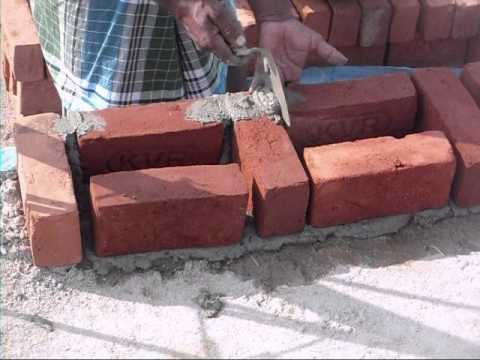
The Rat Trap Bond wall construction technique significantly reduces material costs and improves thermal insulation for affordable housing projects.
Assuming your bond cost is just a simple percentage
The most costly mistake is thinking your Oregon contractor license bond premium is a fixed rate like 1% or 2% of the bond amount. In practice, your final cost is determined by an underwriter reviewing your personal credit score, financial statements, and business history. Applicants with lower credit often pay 3-5% or more. What slows this down is not having your financials ready. The part most applicants underestimate is how much a strong credit profile can reduce your annual premium.
- Your personal credit score is the primary factor in your final rate.
- Have 2 years of business and personal financial statements prepared for review.
- A higher bond amount doesn't mean a proportionally higher cost; underwriting is key.
What is Rat Trap Bond Construction?
Rat Trap Bond is a brick masonry method where bricks are placed on their edges, creating a hollow cavity within the wall. This technique forms a series of vertical and horizontal cavities, resembling a “rat trap,” which provides inherent thermal insulation. The method significantly reduces the number of bricks required compared to traditional solid walls, lowering material costs and the overall structural weight. This approach is particularly well-suited for regions with hot climates, as the trapped air slows heat transfer through the wall envelope.
Benefits of Rat Trap Bond Walls
This construction method offers several compelling advantages for affordable housing projects:
- Cost Reduction: Uses approximately 25-30% fewer bricks than conventional solid brick walls, directly decreasing material expenses.
- Thermal Insulation: The internal air cavities act as a barrier, keeping interiors cooler in summer and warmer in winter, which enhances occupant comfort and reduces energy costs.
- Material Efficiency: Lower brick consumption also means less mortar is needed, and the reduced weight can allow for lighter, less expensive foundations.
- Structural Strength: When built correctly, RTB walls maintain excellent load-bearing capacity for low-rise structures.
For a detailed technical overview and historical context of this technique, you can refer to the Rat-trap bond page on Wikipedia.
Implementation in Hope House
In the Hope House project, Rat Trap Bond is a cornerstone of the design philosophy, which prioritizes affordability without sacrificing quality or comfort. The walls are meticulously laid by skilled masons to ensure structural integrity and optimal performance. This approach allows us to allocate resources to other critical aspects of the home, such as improved roofing, flooring, and sanitation facilities.
Challenges and Considerations
While highly beneficial, Rat Trap Bond construction requires careful planning and execution. Precise brickwork is essential to maintain wall strength and prevent mortar from falling into the cavities. Furthermore, proper detailing around openings for doors and windows is crucial to ensure stability and weatherproofing. It is less suitable for walls that require extensive embedded plumbing or electrical conduits without additional planning.
One practical point often overlooked during construction is the curing process. Because the hollow cavities reduce the thermal mass of the wall, freshly laid brickwork can dry out faster than solid masonry, especially in hot, dry weather. This makes regular and consistent water curing for at least seven days essential to prevent the mortar from cracking and losing its bond strength. Additionally, when cutting bricks to fit at corners or openings, always cut from the face side to keep a clean, uniform appearance on the exterior.
To ensure a successful build, consider these key steps during the planning phase:
- Source high-quality, uniformly sized bricks.
- Engage masons experienced with the Rat Trap Bond technique.
- Plan all electrical and plumbing routes in advance to avoid compromising the wall structure.
- Incorporate a robust damp-proof course to protect the wall from moisture.
- Schedule adequate curing time after wall erection to ensure mortar strength development.
Conclusion
The adoption of Rat Trap Bond wall construction in the Hope House project demonstrates a commitment to innovative, cost-effective, and sustainable building practices. By leveraging this smart masonry technique, we can build more homes with the same resources, making a tangible difference in providing affordable housing. This method proves that thoughtful design and traditional knowledge can combine to create modern, efficient, and comfortable living spaces.