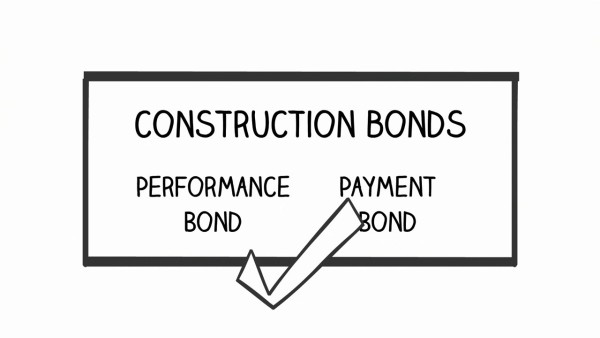
Performance bonds guarantee a contractor will complete a project, while payment bonds ensure subcontractors and suppliers are paid for their work.
Performance and payment bonds are a critical component of risk management in the construction industry, providing a financial guarantee that a contractor will fulfill their contractual obligations. These bonds protect project owners from financial loss if a contractor fails to complete the project or pay subcontractors and suppliers.
Assuming your bond cost is just a simple percentage
The most costly mistake is thinking your Oregon contractor license bond premium is a fixed rate like 1% or 2% of the bond amount. In practice, your final cost is determined by an underwriter reviewing your personal credit score, financial statements, and business history. Applicants with lower credit often pay 3-5% or more. What slows this down is not having your financials ready. The part most applicants underestimate is how much a strong credit profile can reduce your annual premium.
- Your personal credit score is the primary factor in your final rate.
- Have 2 years of business and personal financial statements prepared for review.
- A higher bond amount doesn't mean a proportionally higher cost; underwriting is key.
What is a Performance Bond?
A performance bond is a guarantee issued by a surety company to the project owner. It ensures the contractor will complete the project according to the terms and conditions of the contract. If the contractor defaults, the surety will step in to arrange for the completion of the project or provide financial compensation. This bond is essential for securing the project owner’s investment and mitigating the risk of contractor failure. The surety’s obligation typically extends to covering the cost difference between the original contract price and the expense of hiring a replacement contractor, up to the bond’s penal sum.
What is a Payment Bond?
A payment bond guarantees that the contractor will pay all subcontractors, laborers, and material suppliers involved in the project. This protects the project owner from liens and financial claims if the contractor fails to make these payments. It ensures that all parties contributing to the project are compensated fairly, promoting a stable and ethical project environment. Without this protection, unpaid subcontractors could file mechanics liens against the property, potentially halting the project or complicating its financing.
Key Benefits of Performance and Payment Bonds
These bonds offer significant advantages for all parties involved in a construction project. For project owners, they provide a powerful layer of financial security and help ensure project completion. For contractors, securing these bonds can enhance their credibility and help them win more substantial contracts. Subcontractors and suppliers benefit from the assurance that they will be paid for their work and materials.
- Project Owner Security: Protects against contractor default and financial loss.
- Contractor Credibility: Demonstrates financial reliability and professionalism to win bids.
- Subcontractor & Supplier Protection: Guarantees payment, preventing liens and fostering trust.
- Project Continuity: Ensures funds and resources are available to complete the project even if issues arise.
When evaluating a claim, sureties conduct a thorough investigation before releasing funds. They review the contract documents, the default notice, and the contractor’s performance to determine whether the default was legitimate or whether the owner’s actions contributed to the problem. Owners should document every instance of nonperformance carefully, including dates, communications, and financial impacts, because the surety’s obligation is contractual and strictly construed.
When Are These Bonds Required?
Performance and payment bonds are commonly required on public construction projects, as mandated by laws like the Miller Act for federal projects over a specific value. They are also increasingly used in large private projects where the financial risk is significant. Owners include them in contract specifications to transfer key project risks to a third-party surety. State-level equivalents, often called “Little Miller Acts,” impose similar requirements on state and municipal projects, so contractors should verify the specific thresholds and forms required in each jurisdiction where they bid.
How to Obtain a Bond
Contractors obtain these bonds through a surety company or bond producer. The surety will evaluate the contractor’s financial strength, work history, and reputation before issuing the bond. This process is similar to applying for a line of credit. Maintaining strong financial records and a solid track record is crucial for securing bonding capacity. Sureties typically review three to five years of audited financial statements, bank references, and the contractor’s current work-in-progress schedule to assess capacity and liquidity before committing to a bond.