A Terrebonne Parish electrician compliance bond is a required surety bond that protects customers and the parish by ensuring electricians follow building codes and fulfill contractual obligations. Getting bonded validates professional legitimacy, provides a financial safety net for consumers, and helps electricians maximize compliance while safeguarding their business reputation.
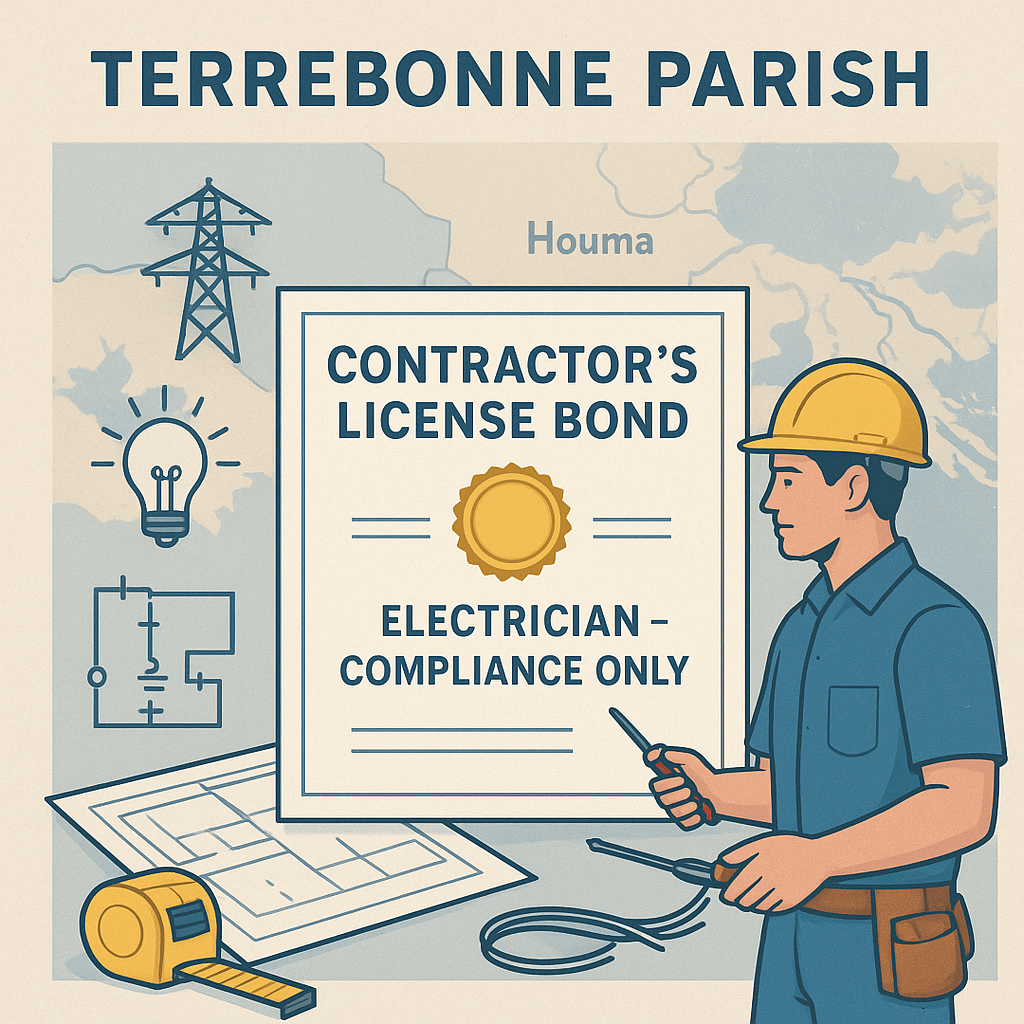
Getting your electrical contracting business up and running in southern Louisiana is exciting. You’re ready to wire new homes, retrofit historic buildings, and serve the good people of Houma and beyond. But before you pull your first permit, there’s a key piece of paper you need to understand: the Terrebonne Parish electrician compliance bond. It’s not just a bureaucratic hoop to jump through. It’s a promise to your customers and the parish that you’ll play by the rules. Let’s break it all down in simple terms, so you can maximize compliance and protect your growing business.
Thinking a license bond is about your work quality
Most contractors believe the Arizona Contractor License Bond guarantees their project performance. It doesn't. This bond is a financial guarantee to the state that you will follow licensing laws, pay owed taxes, and cover certain public liabilities from your business operations. The part most applicants underestimate is the personal credit check. Underwriters review your credit to assess the risk you'll default on the bond's financial obligation, not your skill as a contractor. A low score doesn't automatically disqualify you, but it directly impacts your premium rate and the speed of approval.
- The bond protects the public and state, not your client's project outcome.
- Your personal credit score is the primary factor determining your bond premium.
- You are personally liable for any claims paid by the surety on your bond.
What Is a Terrebonne Parish Electrician Compliance Bond?
Think of a compliance bond as a safety net woven from trust and regulation. When you obtain an electrician license in Terrebonne Parish, the local government requires you to post a bond. This is a type of surety bond, often called a contractor license bond. It’s a three-way agreement between you (the electrician), the Terrebonne Parish Consolidated Government (the obligee), and a surety company (the financial backer).
But what does that actually mean? Picture this: you’re hired to rewire a kitchen. If you fail to follow parish building codes, abandon the job, or cause financial harm to the homeowner because of shoddy work, the bond can step in. The harmed party can file a claim against your bond to recoup losses, up to the bond’s full amount. It’s not insurance for you—it’s protection for the public and the parish. You’re still responsible for paying back any valid claim the surety pays out.
Why Does Terrebonne Parish Require This Bond for Electricians?
It all comes down to a simple idea: keeping the community safe. Electricity is powerful. Even small mistakes can lead to fires, injuries, or worse. The Terrebonne Parish Consolidated Government wants to make sure every electrician working within its jurisdiction meets a minimum standard of financial responsibility. The bond requirement does a few important things at once:
- It screens out unqualified operators. A surety company won’t issue a bond to someone with a terrible track record or no financial stability. Getting bonded validates that you’re a legitimate professional.
- It creates a path for accountability. If an electrician cuts corners, the bond offers a clear way for consumers to seek compensation without lengthy court battles.
- It aligns your business with parish codes and state laws. Being bonded reminds you daily that your work must meet all applicable rules. That discipline protects your reputation.
In short, the Terrebonne Parish LA contractor’s license bond is a badge of credibility. It tells customers, “I’m serious about doing things the right way.”
How the Bond Protects Everyone Involved
Let’s use an analogy. Imagine you’re hiring a babysitter for the first time. You’d feel better knowing they’re certified in CPR and have a background check. The bond serves a similar purpose. It’s a pre-vetted signal that you’re trustworthy.
Here’s who benefits directly:
Homeowners and Business Owners
They gain peace of mind. If a project goes sideways—say an electrician installs faulty wiring that damages appliances—the bond can cover repair costs. It’s a financial backstop that doesn’t rely on the electrician’s personal savings or willingness to make things right.
Terrebonne Parish Consolidated Government
Local officials are tasked with enforcing building codes. The bond gives them leverage. They know that non-compliance can trigger bond claims, which hits an electrician where it hurts: their wallet and their ability to stay bonded. It encourages voluntary compliance far more effectively than fines alone.
You, the Electrician
At first glance, the bond feels like another expense. But it’s actually a business builder. Being bonded distinguishes you from unlicensed handymen. You can market yourself as fully compliant, bonded, and insured. That trio opens doors to bigger commercial projects and discerning homeowners. It builds a trustworthy brand.
Steps to Maximize Compliance and Avoid Headaches
Compliance isn’t a one-time event. It’s a habit you build into your daily operations. Here’s a straightforward roadmap to staying on the right side of Terrebonne Parish electrician bond requirements.
1. Understand the Exact Bond Amount You Need
Bond amounts can vary based on your license class and parish regulations. Check directly with the Terrebonne Parish permit office or your licensing board. Don’t assume the amount for a specialty residential electrician is the same as for a master electrician handling commercial work. Being under-bonded is the same as being unbonded—it risks your license.
2. Keep Your Bond Active Without Lapses
Your bond runs for a set term, usually one or two years. Mark your renewal date on a calendar, set a digital reminder, and make it a non-negotiable priority. If your bond expires, your license can be suspended almost instantly. An unexpected lapse can stop you from pulling permits, leaving clients in a lurch and dealing a serious blow to your reputation.
3. Know What Triggers a Claim
Claims typically arise from code violations, incomplete work, breach of contract, or failure to pay subcontractors and suppliers on a bonded project. Familiarize yourself with every obligation spelled out in your bond form and the parish’s electrical code. When in doubt, overcommunicate with the building department. A quick call to clarify a code interpretation can prevent a messy dispute later.
4. Maintain Excellent Records
Document everything. Contracts, change orders, permit approvals, inspection reports, and material receipts create a paper trail that can quickly defeat a frivolous claim. If a customer claims you left the job incomplete, a signed change order extending the timeline can be your defense. Thorough records make you an unattractive target for false allegations.
5. Treat Your Bond as a Last Resort, Not a Fallback
Never assume the bond will simply absorb your mistakes. A paid claim is effectively a loan you must repay to the surety company. Too many claims, and you’ll become uninsurable, unable to secure future bonds. That can end your electrical career. Instead, handle customer complaints directly and ethically. Your first goal is to resolve issues before they escalate to a formal bond claim.
Common Misconceptions About Contractor License Bonds
Let’s clear up some confusion that often trips up electricians in Terrebonne Parish.
Misconception: The bond works just like my liability insurance.
Not true. Insurance protects your business from accidents and unforeseen events. The bond protects other parties from your failure to follow the law or your contract. They are different tools for different risks. You need both for comprehensive protection.
Misconception: I only need a bond because the parish wants to collect fees.
While there is a cost, the bond’s primary purpose is public protection. The surety premium you pay is a fraction of the bond amount. That premium supports the system that keeps unprincipled operators out of the market and gives consumers recourse.
Misconception: Once I’m bonded, I’m covered forever.
Bonds need renewal. Also, a change in your credit score, business structure, or legal troubles can make it harder to renew. Protect your bondability by protecting your personal and business credit.
What Does an Electrician Bond Cost, and How Do I Get One Fast?
The premium depends on the required bond amount and your personal financial profile. For most electricians with decent credit, you’ll pay just a small percentage of the total bond amount annually. For example, a $10,000 bond might cost between $100 and $300 per year. Higher amounts or credit challenges may shift the premium upward, but specialized surety agencies work to get almost everyone bonded.
The process is often simpler than you think. You’ll provide basic info about your business, your license details, and possibly undergo a soft credit check. Many agencies can issue a bond certificate within 24 hours. You then file that certificate with the Terrebonne Parish Consolidated Government to complete your license compliance. That quick turnaround means you can start quoting jobs without delay.
Consequences of Ignoring Bond Requirements
Operating without the proper Terrebonne Parish LA contractor’s license bond can trigger a cascade of problems. The parish can revoke your license, impose fines, and issue stop-work orders on your projects. Customers who discover you’re not properly bonded may lose confidence and walk away, or worse, file complaints with state or local authorities.
Beyond the immediate fines, you risk your long-term livelihood. A license revocation shows up on your record and can haunt you even if you move to another parish or state. Sureties share information, so a non-compliance black mark can make getting bonded in the future extremely difficult and expensive. In a tight-knit community like Terrebonne Parish, word travels fast. You simply cannot afford to skip this step.
The Smart Path to a Successful Electrical Business
Maximizing compliance isn’t about being afraid of the government. It’s about respecting your craft, your clients, and the community that’s trusting you with their safety. When you fully embrace the Terrebonne Parish electrician bond requirements, you’re not just checking a box. You’re investing in a reputation that will generate referrals for decades.
Picture this: you hand a prospective homeowner your license and bond information. Instead of seeing a mysterious piece of paper, they see competence. They see a professional who stands behind their work with a financial guarantee. That quiet confidence often seals the deal, allowing you to charge fair rates for quality work.
So ask yourself: is my current bonding strategy building my business or just keeping me in business? If you’re unsure about your exact requirements, reach out to a surety bond professional who specializes in Louisiana contractor bonds. They can walk you through the nuances specific to Terrebonne Parish and even bundle your bond with other necessary insurance for a smarter overall protection plan.
Your skill with wires, panels, and circuits brings light and power to homes. Your commitment to compliance keeps that light shining, without interruption, for years to come. Get bonded, stay bonded, and let your next electrical project be a testament to the trust you’ve worked so hard to earn.