Private for-profit schools in Louisiana must secure a PSC-6 Blanket Bond through the Board of Regents to legally register their solicitors. This financial safeguard protects prospective students from misconduct or misrepresentation during recruitment.
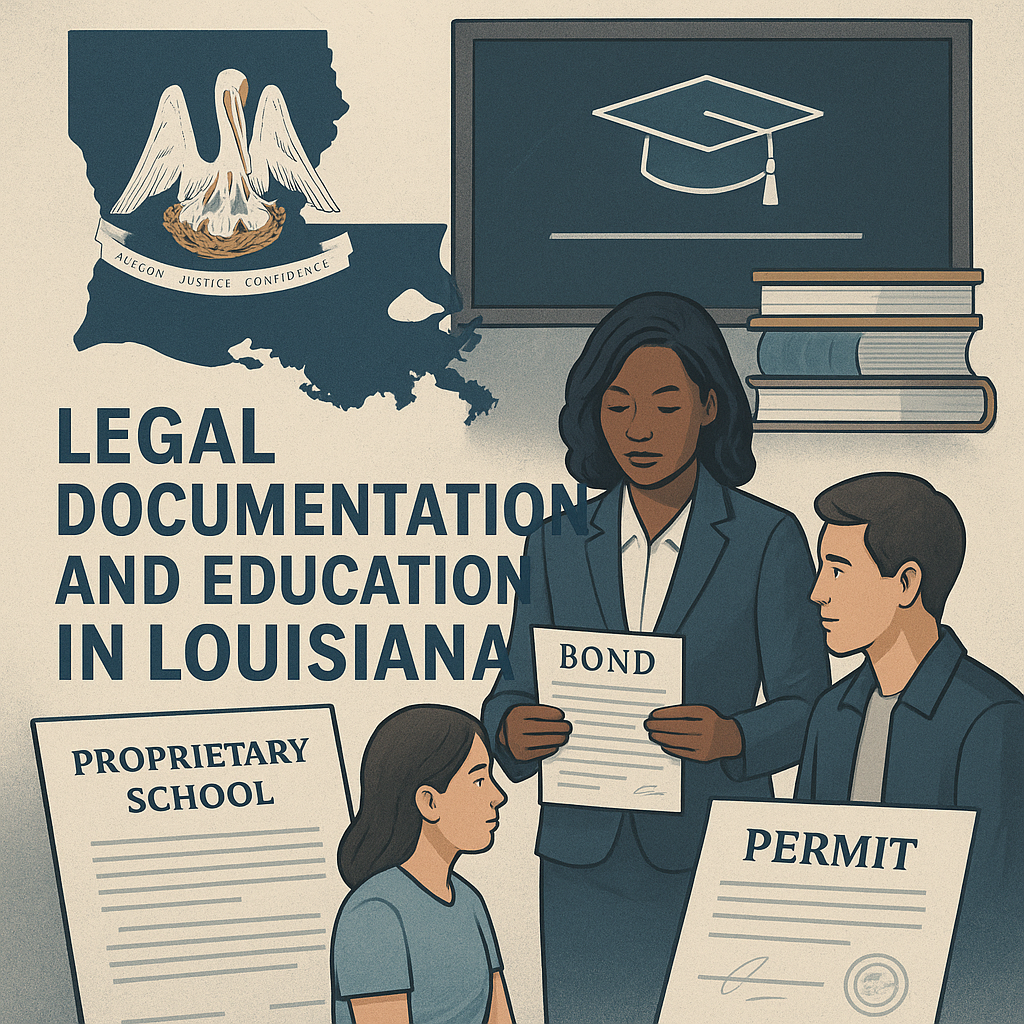
Did you know that private, for-profit schools in Louisiana often rely on dedicated representatives to connect with prospective students? These individuals, sometimes called solicitors, are the friendly faces who travel, speak at events, and guide people toward new career paths. But before they can start doing this important work, there’s a crucial legal step they must complete. It revolves around a document known as the PSC-6 Blanket Bond, a specific requirement set by the Louisiana Board of Regents. If terms like “surety bond” or “proprietary school” sound a bit intimidating, don’t worry. This guide will break everything down into plain, everyday language, so you’ll walk away with a crystal-clear understanding of what’s needed and why it even exists in the first place.
The license is not the bottleneck your bond is
Most contractors focus on passing the trade exam, but the real delay is the surety bond underwriting. The state requires the bond, but the surety company requires a deep review of your personal credit, business financials, and project history. A low credit score or thin business file can trigger requests for additional collateral or personal indemnity, stalling the entire license application. What usually slows this down is applicants submitting incomplete financial statements or underestimating how their personal credit impacts the premium.
- Order your bond before your exam to lock in your rate and avoid last-minute underwriting surprises.
- Prepare two years of business and personal tax returns upfront—missing documents are the most common cause for delay.
- A credit score below 650 will likely require a financial statement and may increase your bond premium by 25-50%.
What Exactly Is a Proprietary School, Anyway?
Let’s start with the basics. When you hear the term “proprietary school,” think of a private, for-profit educational institution. These aren’t your traditional public universities or non-profit colleges. Instead, they are businesses that offer specific training programs, often in fields like cosmetology, truck driving, medical assisting, culinary arts, or information technology. Their goal is to prepare students quickly for a particular job market.
Because these schools operate as businesses and often collect tuition directly, state governments take a keen interest in how they function. It’s all about protecting students—and their wallets. Louisiana’s Board of Regents acts as the watchdog, making sure these schools play by the rules. This includes regulating not just the school itself but also the people they hire to recruit new students.
The Role of a Solicitor: More Than Just a Salesperson
Imagine you’re thinking about a career change. You might meet someone at a job fair who tells you about a fast-track medical billing program. That person is likely a solicitor, or as some rules call them, a representative for a private school. Their job is to inform, encourage, and help potential students enroll. They are the human link between the school and the community.
However, this role carries a lot of responsibility. Solicitors often handle sensitive information, discuss financial aid options, and make promises about what a program can deliver. If something goes wrong—like misrepresentation of job placement rates or mishandling of enrollment fees—the student can be left in a tough spot. That’s where the blanket bond comes into play. It acts as a financial safety net, ensuring ethical conduct right from the very first conversation.
Demystifying the PSC-6 Blanket Bond
The name might sound like a government code, but its purpose is straightforward. The Louisiana Board of Regents requires proprietary schools to secure a blanket bond using Form PSC-6 for their solicitors. Let’s unpack that term. A “blanket bond” is a single bond that covers a group of people—in this case, all the registered solicitors working for that particular school. Instead of each representative getting an individual bond, the school obtains one master bond that extends coverage to everyone listed under their permit.
Think of it like an umbrella policy. The school opens the umbrella (the bond), and all its properly approved solicitors can stand under it. If one of them makes an honest mistake or, worse, acts unethically, the bond is there to provide financial compensation to the harmed student. This requirement turns a handshake agreement into a legally backed promise.
Why Does the State Require This Bond?
At its core, this bond is a consumer protection tool. The state of Louisiana wants to foster a healthy educational environment without saddling taxpayers with the cost of resolving disputes. By requiring the PSC-6 blanket bond, the Board of Regents accomplishes three big goals:
- Financial Protection for Students: If a solicitor collects money without performing the promised service, the student can file a claim against the bond to get their money back.
- Ensuring Ethical Conduct: Knowing a bond is in place encourages schools to rigorously train their representatives. No school wants a costly claim that could increase their future bond premiums.
- Compliance with the Law: The bond guarantees that the solicitors will follow the Louisiana Proprietary School Law and all related administrative rules. It’s a pledge of lawful operation.
You can think of it as a deposit held by a neutral third party, ready to be used if the agreement between the school and the student is broken due to the solicitor’s actions.
Who Needs to Be Covered Under This Blanket Bond?
The requirement is specific: any individual acting as a solicitor for a licensed proprietary school in Louisiana must be covered. A solicitor is generally defined as a person employed or contracted to enroll or attempt to enroll any individual in a course of instruction offered by the school. It’s not limited to just full-time employees. Even a part-time representative working on commission falls under this umbrella.
This makes the blanket bond particularly efficient. As a school hires or contracts new solicitors, they add those individuals to their list with the Board of Regents. The existing blanket bond, assuming the coverage amount is sufficient, automatically extends to the new representative, as long as the total number of solicitors doesn’t exceed the bond’s terms. It streamlines the licensing process significantly compared to managing dozens of separate bonds.
Understanding the Bond Amount and Cost
One of the most common questions is, “How much does this whole thing cost?” The bond involves two key figures: the penal sum and the premium. The penal sum is the total amount of coverage the bond provides. For the PSC-6, the Board of Regents often requires a specific amount, which you should verify directly with the agency, but it is typically structured to offer meaningful protection without being a massive burden on the school.
Here’s the good news: you don’t pay the full penal sum. You pay a small percentage called the premium. If a bond is set at $10,000, you might pay an annual premium of just $100 to $300, depending on several factors like the school’s credit history and financial stability. It’s very similar to an insurance premium, except it’s a guarantee for the student, not the school itself. Schools with strong financials and a clean record typically get the best rates.
How to Obtain a PSC-6 Blanket Bond, Step by Step
Getting bonded doesn’t have to be a headache. The process is fairly streamlined once you know what to do. Here’s a simple roadmap:
Confirm Your School’s Licensing Requirements
Before applying for the bond, your proprietary school must be properly licensed with the Louisiana Board of Regents. The bond is part of the overall licensure for your solicitor program. Double-check the current Form PSC-6 requirements on the Board of Regents website to ensure you get the exact coverage amount and language they need.
Partner with a Reputable Surety Bond Agency
You’ll need to work with a company that specializes in surety bonds, not just a typical insurance agent. A knowledgeable agency will understand the exact needs of Louisiana proprietary schools and the PSC-6 form. They’ll shop your application around to different surety companies to find you the best price.
Complete a Simple Application
The application will ask for basic information about your school and its owners. For a blanket bond, the surety company wants to see that the school is financially responsible. This usually involves a quick credit check of the owners. Don’t let this step scare you. It’s standard procedure and helps the surety determine your premium rate.
Pay the Premium and File the Bond
Once approved, you’ll pay the annual premium. The surety agency will then issue the original PSC-6 bond form. You’ll need to sign this as the principal and file it with the Louisiana Board of Regents, along with your list of solicitors. Keep a copy for your records. Once filed, your solicitors are legally covered to begin their work.
Avoiding Common Pitfalls and Misconceptions
Navigating surety bonds, especially for the first time, can lead to a few misunderstandings. Let’s clear up the biggest ones.
Myth 1: “The bond protects my school.” Actually, it’s the opposite. The bond protects the state and the students. If a claim is paid, the surety company will come back to the school to be reimbursed for every penny. It’s a form of credit, not an insurance policy for the school’s own benefit.
Myth 2: “Once I’m bonded, my job is done.” Your blanket bond has a term, usually one year, and needs to be renewed. Mark your calendar. Letting the bond lapse means your solicitors are immediately out of compliance and can’t legally recruit students until it’s reinstated.
Myth 3: “All bonds are the same.” The PSC-6 form has specific language that must be exact. A generic business bond won’t work. Always confirm with the Board of Regents that the bond form you’re submitting is the current, approved version.
What Happens If a Claim Is Filed?
Let’s paint a realistic picture. Suppose a school’s solicitor promises a guaranteed job upon graduation, a claim the school can’t fulfill. The student, feeling misled, files a complaint and then a claim against the blanket bond. The surety company will investigate. If the claim is found to be valid, the surety pays the student up to the full bond amount.
Then, the school is legally obligated to repay the surety company for the entire sum paid out, plus any legal fees. This is called indemnification. It’s a stark reminder that the bond is a powerful enforcement tool. It incentivizes schools to train solicitors honestly and monitor their activities closely. A single valid claim can not only cost a school thousands of dollars but also make it very difficult and expensive to get bonded again in the future.
Keeping Your Solicitor Program Compliant and Healthy
Beyond just securing the bond, maintaining a strong, ethical program is the best strategy for long-term success. Regularly review your solicitors’ training materials. Are they up-to-date on what can and can’t be promised? Conduct spot checks on their conversations with potential students. A culture of transparency will naturally reduce the risk of a claim and make the whole bonding process smoother year after year.
The PSC-6 blanket bond isn’t just a bureaucratic hurdle. It’s a signal to your students that your school stands behind its representatives with a federally-backed promise. When a student sees that your solicitors are bonded, it builds an immediate layer of trust, setting you apart from less scrupulous operations. Getting it right means you can focus on what you do best: helping people transform their lives through education, with the confidence that you’re operating fully within Louisiana’s protective framework.