Oklahoma requires a Special Fuel Use Excise Tax Bond from businesses that handle untaxed special fuels like diesel, propane, or biodiesel, serving as a financial guarantee that they will pay the state the per-gallon excise tax they collect. This bond is mandatory for licensed importers, distributors, blenders, and terminal operators, protecting the state's road funding if a business fails to remit its tax obligations.
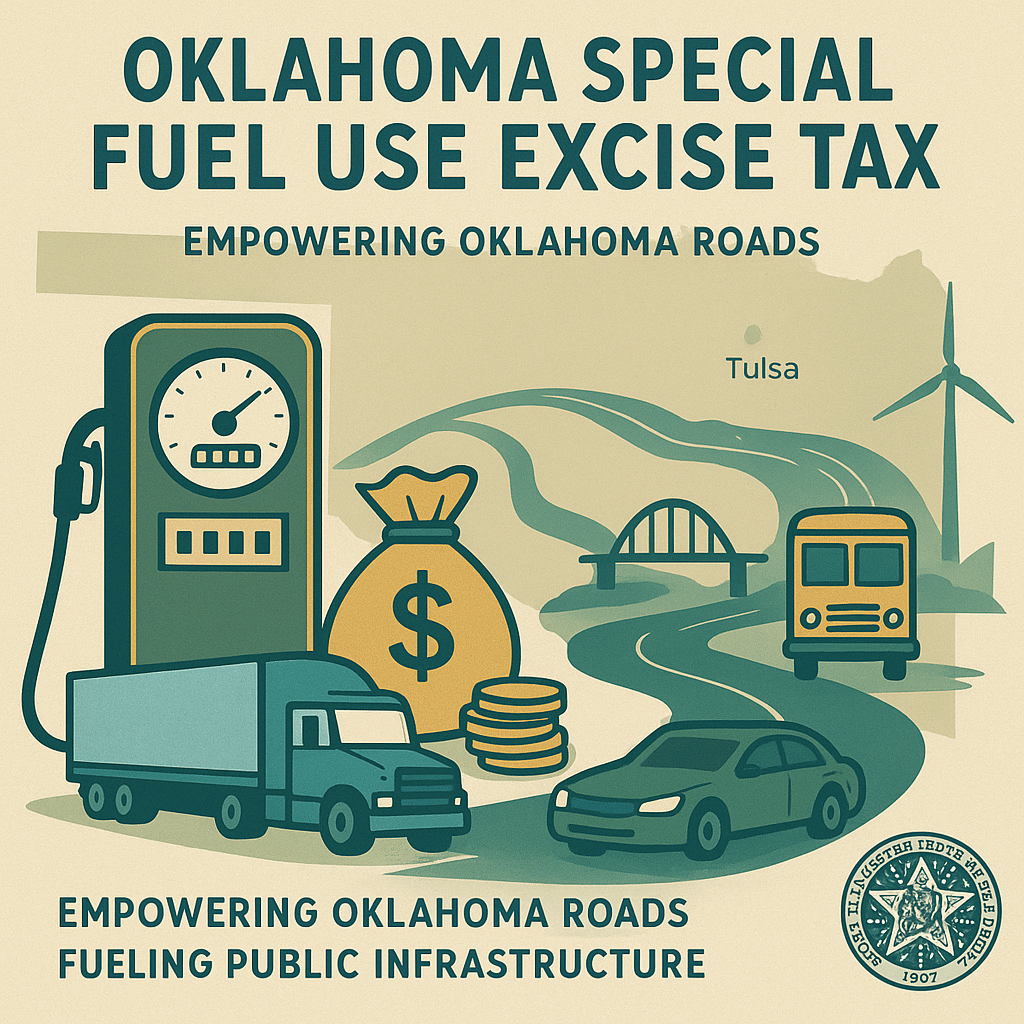
Have you ever filled up your truck with diesel and wondered where those extra tax dollars end up? If you’re in the business of buying, selling, or transporting special fuels in Oklahoma, the answer leads straight to a crucial requirement: the Oklahoma Special Fuel Use Excise Tax Bond. It might sound like a mouthful, but think of it as a promise to the state sealed with a financial handshake. Let’s walk through what this bond is, who needs it, and why it matters more than you might think.
Your personal credit score is the primary driver of your bond cost
Most freight broker applicants focus on the ,000 bond amount, but the part most applicants underestimate is how heavily their personal credit score impacts the premium. In practice, this often comes down to the underwriter's review of your FICO score. A score above 700 can secure a rate as low as 1-3% of the bond amount. A score below 650 can push rates to 10-15% or require a co-signer. What usually slows this down is applicants not knowing their exact score before applying, which leads to unexpected quotes and delays.
- Know your exact FICO score before you apply for an accurate quote
- Rates are tiered: Excellent credit (700+) pays 1-3%, while lower scores pay 10-15% or more
- If your score is below 650, prepare financials or consider a co-signer to improve approval odds
What Exactly Is the Special Fuel Use Excise Tax?
Before we dive into bonds, let’s talk tax. Oklahoma, like every state, collects a tax on motor fuels to fund road construction and maintenance. There’s the gasoline tax you see at the pump, but “special fuel” is anything that powers a vehicle on public highways and isn’t plain old gasoline. Diesel, biodiesel, propane, and even compressed natural gas fall under this category. The excise tax isn’t a sales tax—it’s a per-gallon charge built into the price, collected at different points along the supply chain.
Here’s where it gets interesting. For gasoline, the tax is often collected at the terminal or the rack. But for special fuels, the state allows licensed distributors, importers, or blenders to handle that tax money before sending it to the Oklahoma Tax Commission. That’s a lot of cash floating around before it lands in the government’s pocket. And that’s exactly why the bond exists.
The Bond: A Safety Net for Oklahoma Roads
Think of the Oklahoma Special Fuel Use Excise Tax Bond as an insurance policy, but instead of protecting you, it protects the state. If a fuel business fails to pay the taxes it owes, the bond steps in. The surety company that issued the bond pays the state, and then that company comes to you for reimbursement. It’s a three-party agreement: the state (obligee), the fuel business (principal), and the surety company. The bond guarantees that if you don’t hold up your end of the tax bargain, someone else will make things right.
This isn’t optional for many operators. The Oklahoma Tax Commission requires this bond before you can get or keep your special fuel license. Without it, you’re simply not allowed to play in the special fuels sandbox.
Who Needs to Secure This Bond?
Not every business that uses diesel needs a bond. You probably won’t need one if you’re just a trucking company buying taxed fuel at the pump. The bond targets folks who sit at the crossroads of the tax collection process. Typically, you’ll need an Oklahoma Special Fuel Use Excise Tax Bond if you are:
- A licensed importer bringing special fuel into the state
- A blender producing special fuel mixtures
- A distributor or supplier who collects the tax from buyers
- A terminal operator storing special fuels
- A bulk end-user that purchases untaxed fuel and later owes the tax
Essentially, if you’re holding tax dollars that belong to Oklahoma, the state wants a safety net in place. The bond amount is determined by expected tax liability, and yes, that can feel like a puzzle at first.
How Does the Bond Amount Get Set?
The Oklahoma Tax Commission doesn’t pull a number out of thin air. They look at your estimated monthly tax obligation and multiply it by a factor, usually a few months’ worth of taxes. For a new business, that estimate might be based on your projections. For an existing one, past tax payments set the stage. The minimum bond amount can be as low as $1,000 in some cases, but for larger operations, it can climb into six figures or more.
You don’t have to pay that full amount, though. You pay a premium—a small percentage of the total bond. So if your required bond is $50,000, you might pay just $500 to $1,500 a year, depending on your credit. It’s a far cry from having to tie up all that cash.
The Real Cost: Premiums and What Affects Them
When you apply for the bond, the surety company checks your personal and business credit. Good credit can land you a premium as low as 1% of the bond amount. If your credit is a little bruised, don’t panic—higher premiums, maybe 2-5%, still keep the door open. The key is working with a bond specialist who knows the Oklahoma market and can shop around. This isn’t a one-size-fits-all product, and a little comparison can save you hundreds.
Why Does Oklahoma Require This Bond?
Imagine a scenario where a fuel distributor collects thousands of dollars in excise tax from customers, then goes out of business without sending that money to the state. The roads still need funding, and the tax burden would fall short. The bond ensures that uncollected tax revenue doesn’t vanish with a business failure. It’s a layer of accountability that keeps the system fair for everyone—including honest competitors who do pay their taxes.
Plus, bonds encourage good behavior. Knowing the surety company can come after your personal assets if a claim is paid makes you think twice about cutting corners. And when a claim is filed, it can stain your business reputation and make future bonding harder and more expensive.
Walking Through the Application Process
Getting the Oklahoma Special Fuel Use Excise Tax Bond might feel like uncharted territory, but it’s a fairly straightforward path once you know the signs:
- Determine your bond requirement. The Oklahoma Tax Commission will tell you the amount you need when you apply for your special fuel license.
- Gather your information. You’ll need basic business details, your tax ID, and your personal information for the credit check.
- Ask for a quote. Contact a surety bond agency. They’ll review your credit and give you a premium amount.
- Pay the premium and sign. Once you agree, the bond is filed with the state. You’ll receive a copy for your records.
- Keep it active. The bond typically renews annually. Make sure you don’t let it lapse—it could cost you your license.
What Happens If a Claim Hits Your Bond?
Let’s say you fall behind on tax payments and the state can’t collect. The Oklahoma Tax Commission files a claim against your bond. The surety company investigates, and if the claim is valid, they pay the claimed amount up to the bond’s full limit. But hold on—this isn’t a gift. You owe every cent back to the surety, plus possible legal fees. It’s like using a credit card with very strict repayment terms. A claim can also tank your future ability to get bonded altogether. Avoiding claims is always the smartest play.
How This Bond Impacts Businesses and the Everyday Driver
On paper, the bond is a behind-the-scenes requirement. But its ripple effect touches everyone. When fuel distributors follow the tax rules, road funding stays steady. That means fewer potholes, safer bridges, and less scrambling for infrastructure budgets. For honest businesses, the bond levels the playing field—no one gets an unfair edge by skipping out on taxes. It also protects consumers from sudden tax hikes that might pop up if the state had to recover losses.
For the business owner, though, the impact is immediate. The bond is a license to operate. It opens doors to contracts and builds trust with regulators. Yes, it’s an added cost and a commitment, but it’s also a badge of credibility in an industry where compliance matters.
Common Misunderstandings to Clear Up
Many first-time licensees think the bond covers their fuel purchases or liability from spills. Nope. This bond focuses strictly on tax payment. It’s not a substitute for general liability insurance or pollution coverage. Another mix-up: people believe the bond amount is what they pay out of pocket. As we pointed out, you only pay the premium. Still, the full bond amount remains a risk hanging over you if things go wrong, so treat it with respect.
Is the Bond Just Another Tax on Business?
It’s tempting to see bonding requirements as just another hoop to jump through. But consider the alternative. Without bonds, the state would need to hire armies of auditors or tie up business capital in cash deposits. The bond system lets the private market manage risk efficiently while keeping public funds safe. For a few hundred bucks a year, you get to keep your license and your cash flow unburdened. When you frame it that way, the bond feels less like a penalty and more like a partnership.
Tips for a Smooth Experience
Ready to tackle your Oklahoma Special Fuel Use Excise Tax Bond? Keep these pointers in mind:
- Work with a specialist. Find an agent who deals specifically with fuel tax bonds. They know the state’s quirks and can prevent delays.
- Check your credit ahead of time. A small error on your credit report can push up your premium. Address it before applying.
- Mark your calendar for renewals. A lapsed bond can mean license suspension, and getting reinstated is a headache.
- Ask about the Texas-sized bond requirement. Some states have reciprocal rules. If you do multi-state business, make sure you’re not missing a neighboring requirement.
What’s Next After You’re Bonded?
Once your bond is filed and accepted, your focus shifts to staying compliant. File your tax returns on time, keep clean records, and pay what you owe. Most bonded businesses never face a claim. The bond quietly sits in the background, that promise we talked about, ready if needed but hopefully never used. And that’s exactly how it should work.
So the next time you see diesel flowing into a tank, remember the invisible net that helps keep Oklahoma’s roads funded. Whether you’re a business owner navigating the licensing maze or just a curious driver, understanding this bond gives you a peek into the careful choreography behind the pump. And if you’re in the industry, embracing the requirement as just another tool for building a trustworthy operation might be the best fuel for your long-term success.