Sign contractor bonds in Enid, Oklahoma, guarantee that contractors follow safety and code standards while providing third-party liability protection against damages or injuries caused by their work. These bonds serve as a financial safeguard for the city, contractors, and the public, covering costs from municipal fines to claims like property damage from falling signs.
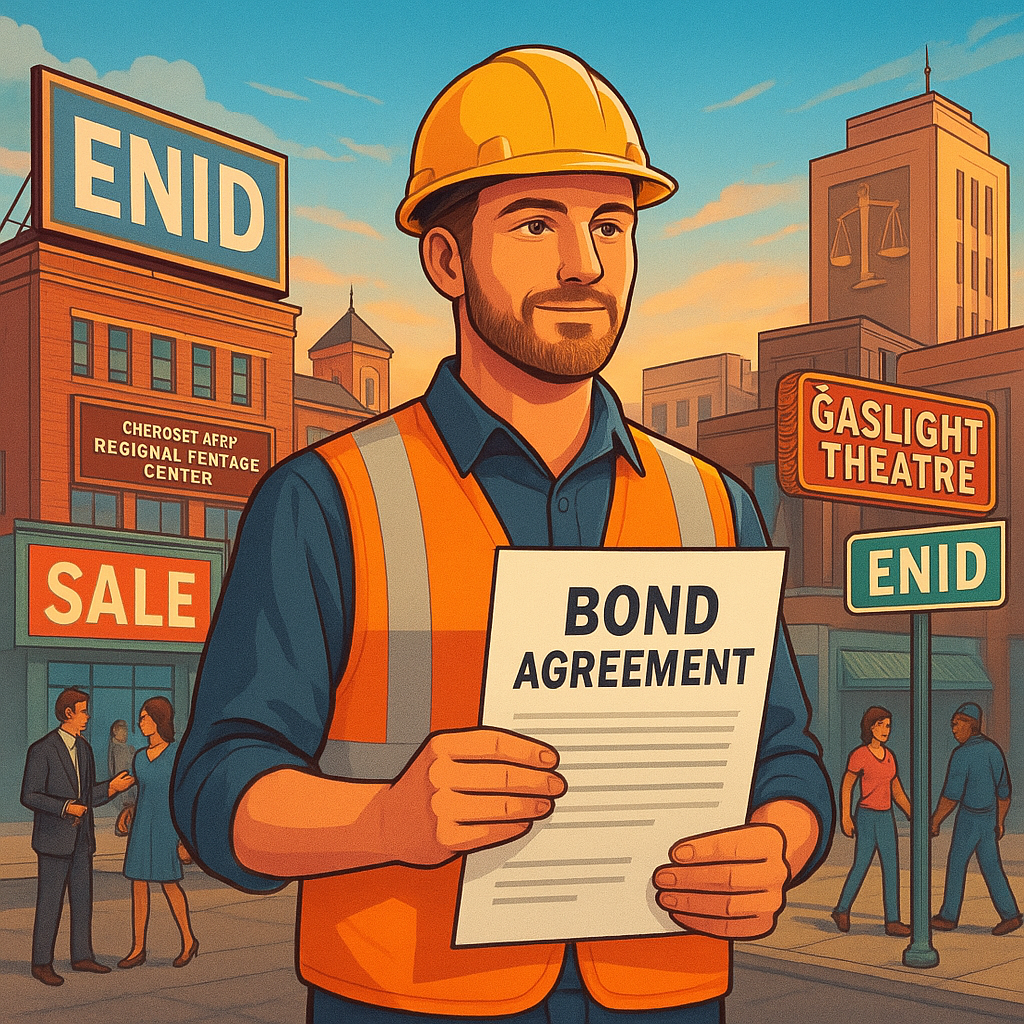
Have you ever spotted a towering pylon sign on a windy day and asked yourself, “Who makes sure that thing stays put?” If you’re a sign contractor in Enid, Oklahoma, that question leads straight to a simple but powerful tool—the sign contractor bond. It’s the city’s way of guaranteeing that every sign installed along our streets meets strict safety and code standards. But this isn’t just paperwork; it’s a promise to protect you, your customers, and everyone who walks beneath a sign. Let’s break down what a sign contractor bond really means, why Enid requires it, and how it shields you from unexpected third‑party liability.
Your personal credit score is the primary driver of your bond cost
Most freight broker applicants focus on the ,000 bond amount, but the part most applicants underestimate is how heavily their personal credit score impacts the premium. In practice, this often comes down to the underwriter's review of your FICO score. A score above 700 can secure a rate as low as 1-3% of the bond amount. A score below 650 can push rates to 10-15% or require a co-signer. What usually slows this down is applicants not knowing their exact score before applying, which leads to unexpected quotes and delays.
- Know your exact FICO score before you apply for an accurate quote
- Rates are tiered: Excellent credit (700+) pays 1-3%, while lower scores pay 10-15% or more
- If your score is below 650, prepare financials or consider a co-signer to improve approval odds
What Exactly is a Sign Contractor Bond?
Imagine a three‑legged stool. One leg is you, the sign contractor. The second leg is the City of Enid, which demands the bond. The third leg is a surety company that backs the agreement. Together they form a sign contractor bond. It’s a financial guarantee, not an insurance policy for your business. If you fail to follow the rules—maybe you skip a permit or a sign comes loose because of improper anchoring—the bond kicks in to cover costs the city or a third party may face. You’ll then repay the surety for every penny they spent on your behalf. This structure is why people often call it a “license bond” or “permit bond,” because it ties your right to work directly to your reliability.
Why Does the City of Enid Require This Bond?
Enid isn’t just picking on sign hangers. The city’s main job is to keep public spaces safe and visually orderly. A sign contractor bond gives the local government an ironclad guarantee that you’ll obey all municipal codes, zoning laws, and building regulations. Think about it: an improperly wired electric sign could become a fire hazard. A monument sign placed too close to a road might block drivers’ sight lines. In those situations, the city needs a fast, reliable way to fix the problem without draining taxpayer money. The bond is that tool. By requiring a City of Enid OK sign contractor’s bond, they make sure every contractor has skin in the game from day one.
The Hidden Shield: Third‑Party Liability Protection
Here’s where many contractors get a welcome surprise. The bond doesn’t just cover municipal fines or stop‑work orders. It extends to third‑party liability. A third party is anyone who isn’t you or the city—like a pedestrian, a neighboring business owner, or a driver parked nearby. If your work causes damage or injury to that person, the bond can step in.
Picture this: You install a beautiful channel letter sign on a storefront. A few weeks later, a heavy storm sends one of the acrylic letters tumbling onto a customer’s car. The dented roof and shattered windshield cost $3,000 to repair. Because you were required to have an Enid OK sign contractor’s bond with third‑party liability coverage, the vehicle owner can file a claim against that bond—often without a lengthy court battle. The surety reviews the claim and, if it’s valid, pays for the damage up to the bond’s limit. You then reimburse the surety, but the immediate financial pressure on your business is softened. Without the bond, that car owner might have to chase you through civil court, damaging your reputation and your wallet at the same time.
Who Needs a Sign Contractor Bond in Enid?
If your work involves erecting, installing, altering, or even maintaining outdoor signs within Enid city limits, you’ll almost certainly need this bond. The requirement typically pops up when you apply for a sign permit. City officials won’t hand over that permit until you show them a valid bond certificate. It doesn’t matter if you’re a one‑person shop mounting a small real estate sign or a crew putting up a massive digital billboard along the highway. The rule keeps the field level and ensures everyone—from the weekend installer to the seasoned pro—operates under the same umbrella of accountability.
The required bond amount can vary, so always check with the City of Enid’s Building Permits or Community Development department. Many municipalities set a bond amount like $5,000 or $10,000, but what matters most is that the coverage is enough to handle common mishaps like property damage, code violations, or cleanup if a job is abandoned. When you secure an Enid Oklahoma sign contractor bond, you’re not just buying a slip of paper; you’re unlocking the legal ability to pull permits and start earning money.
How a Bond Differs from Your General Liability Insurance
This is the part that trips up even experienced contractors. Your general liability insurance policy is a safety net for your business. It covers accidents like a ladder crashing through a client’s window or a worker getting hurt on the job. The sign contractor bond, on the other hand, is a promise made to the City of Enid. It’s not designed to protect your equipment or your employees—it’s there to protect the city and the public from your mistakes when those mistakes break a local law or regulation.
Let’s put it another way: Insurance defends your wallet. The bond defends the community’s trust in your work. While your insurer might pay a claim and then raise your premiums, a surety will pay a claim and immediately demand 100% reimbursement from you. That distinction matters, because it means a bond claim hits your bank account directly. It’s a powerful motivator to do the job right the first time.
How to Get Your Sign Contractor Bond in Enid, Oklahoma
Securing a bond is surprisingly quick, especially for smaller amounts. Here’s a straightforward path you can follow:
- Check the City’s Requirements. Call Enid’s permit office or visit their website to confirm the exact bond amount and any specific wording the city needs on the certificate. You’ll also want to know if they require a separate “sign contractor license” beyond the bond.
- Reach Out to a Surety Bond Agency. Choose a provider that understands Oklahoma municipal bonds. You can often apply online in less than ten minutes. The agency will ask for basic business information and, for higher bond amounts, may run a soft credit check.
- Pay the Premium. Don’t confuse the bond amount with the premium. If the City of Enid wants a $10,000 bond, you won’t pay $10,000. You’ll pay a small fraction—typically 1% to 5% of that total each year. For a solid credit profile, a $10,000 bond might cost only $100 annually.
- Receive Your Bond Certificate. Once approved, the surety will email you a PDF. Print it out and submit it alongside your permit application. Many contractors keep a digital copy on their phone for quick inspections.
The process is refreshingly lean. The city wants to see that you’re bonded, and the surety industry has streamlined everything to get you on the street, working under an Enid OK sign contractor’s bond, without a pile of red tape.
What Happens When a Bond Claim Strikes?
No one plans for a claim, but understanding the sequence can save you a world of stress. Suppose a restaurant owner in Enid complains that your newly installed monument sign tilts dangerously after just two months. The city sends an inspector, who confirms the concrete footing wasn’t poured deep enough—a direct violation of the local building code. The owner or the city files a claim against your bond.
The surety company steps in to investigate. They’ll look at the city’s inspection report, photo evidence, and any communication you had with the client. If the claim is valid, the surety pays the cost to fix or replace the sign, up to the full bond amount. Here’s the critical part: you must repay every dollar. The surety doesn’t treat the payment like a standard insurance claim; it’s more like a cosigned loan coming due. That’s why avoiding claims is in your best interest. You protect your reputation, your cash flow, and your future ability to get bonded at a low rate.
Tips to Keep Your Bond Claim‑Free
No contractor wakes up hoping for a claim. A few practical habits can keep you miles away from trouble:
- Know the Enid Sign Code Inside and Out. Building codes change, and Enid might tweak wind‑load requirements or illumination standards. Make it a monthly ritual to review updates from the city’s planning department.
- Document Every Step. Take photos of footings before concrete pours, save copies of approved engineering plans, and get sign‑off emails from clients. This paper trail is your best defense if a claim ever questions your workmanship.
- Use Engineered Mounting Systems. Especially for larger signs, rely on pre‑engineered brackets and anchoring systems rated for Oklahoma’s gusty afternoons. Over‑building by a small margin is far cheaper than a blow‑down claim.
- Don’t Skip the Final Inspection. Even if a job feels routine, always let the city inspect finished work. An official thumbs‑up significantly reduces the chance of a later dispute turning into a bond claim.
Turning the Bond into a Business Advantage
It’s easy to view a sign contractor bond as just another fee to grumble about. But here’s a twist: having a bond sets you apart. When you bid on a job and can show a City of Enid sign contractor’s bond certificate, you’re telling the client, “I’m legally approved, financially vetted, and serious about standing behind my work.” That message carries weight, especially with commercial property managers who have seen what shoddy sign installation can do. Frame your bond as proof of professionalism, and you might just win the next contract over an unbonded competitor.
Wrapping It All Up
A sign contractor bond in Enid, Oklahoma, isn’t a hurdle—it’s a handshake. It’s the city extending trust, the public gaining protection, and you gaining the green light to build the signs that brighten our main streets. When you understand how third‑party liability works within that bond, you see the bigger picture: one small annual premium can prevent a single accident from turning into a court battle, a damaged reputation, or a stack of bills that threatens your business. So, next time you clip that bond certificate to a permit application, remember you’re not just checking a box. You’re building a safer, more dependable Enid, one sign at a time—and that’s a promise worth keeping.