Opening a pawn shop in Oklahoma City requires securing the City’s Pawnbrokers Occupation Bond, a financial guarantee that protects customers and ensures compliance with local ordinances. This bond acts as a safety net for ethical conduct, covering damages if you violate city rules while reinforcing your business’s trustworthiness and accountability.
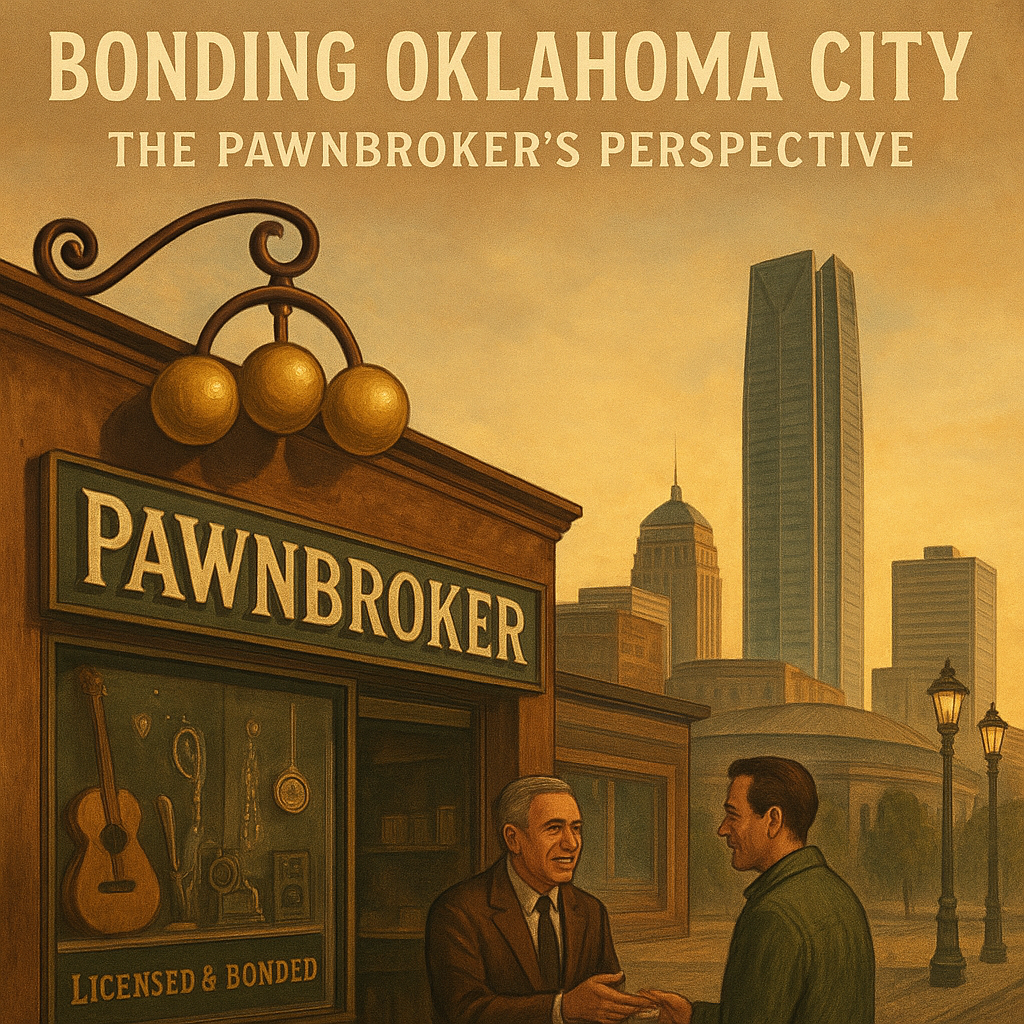
So, you’re thinking about opening a pawn shop in Oklahoma City. Maybe you’ve already spotted the perfect storefront on South Western Avenue, or you’re mapping out how to serve folks in the Britton district. It’s an exciting venture, a blend of retail, finance, and community service all rolled into one. But before you hang your “We Buy Gold” sign, there’s a piece of paper you absolutely need to lock down: the City of Oklahoma City Pawnbrokers Occupation Bond. It might sound like just another bureaucratic hurdle, but stick with me. This little document is actually your business’s best friend, and I’m going to break down exactly why in plain, simple English.
Assuming your bond cost is just a simple percentage
The most costly mistake is thinking your Oregon contractor license bond premium is a fixed rate like 1% or 2% of the bond amount. In practice, your final cost is determined by an underwriter reviewing your personal credit score, financial statements, and business history. Applicants with lower credit often pay 3-5% or more. What slows this down is not having your financials ready. The part most applicants underestimate is how much a strong credit profile can reduce your annual premium.
- Your personal credit score is the primary factor in your final rate.
- Have 2 years of business and personal financial statements prepared for review.
- A higher bond amount doesn't mean a proportionally higher cost; underwriting is key.
What on Earth Is a Pawnbroker Bond, Anyway?
Let’s cut through the legalese. A pawnbroker bond is a three-party agreement that acts like a financial safety net. Think of it as a promise backed by cash. You (the pawnbroker) buy the bond from a surety company. The city of Oklahoma City (the obligee) requires it. And your customers—the general public—are the ones protected. If you ever fail to follow the city’s rules, the bond is there to make things right financially, up to a certain amount.
It’s not insurance for your shop against theft or fire. Instead, it’s a guarantee of your ethical conduct. If you lend money on a guitar and then sell it before the loan period is up, or you don’t report a transaction the way city law demands, the bond can step in to cover the damages.
Why Does Oklahoma City Specifically Require This Bond?
You might be wondering, “Why me? I’m just trying to run an honest business.” The city isn’t singling you out. The requirement is all about consumer protection. Pawn shops handle a lot of sensitive items—jewelry, electronics, firearms, family heirlooms. Unfortunately, some of those items might be stolen property. Oklahoma City, just like many other cities, uses the pawnbroker bond as a tool to keep the industry honest and ensure that local ordinances are followed to the letter.
By requiring a bond, the City of Oklahoma City makes sure that you, as a pawnbroker, have a strong financial incentive to play by the rules. It filters out fly-by-night operators and gives your customers confidence that they’re dealing with a legitimate, accountable business. It’s a badge of trustworthiness, paid for upfront.
How Does the Bond Actually Protect Your Customers?
Let’s paint a picture. Say a customer pawns a diamond ring with you and returns on the exact date specified to redeem it. They’ve got the cash and the pawn ticket. But you accidentally sold the ring to someone else a day early. That’s a clear violation of the pawnbroker contract. The customer can file a claim against your bond. After an investigation, if the claim is valid, the surety company cuts a check to the customer to cover the ring’s value. Then, you have to pay the surety company back every single penny.
This is the key: a bond is not a get-out-of-jail-free card. It’s a line of credit you extend to the public through a surety. You are always ultimately responsible for the full amount of any payout. The bond simply guarantees the money is available instantly to a wronged party.
Who Exactly Needs an Oklahoma City Pawnbroker Bond?
If you plan to operate any business that loans money on the security of pledged goods, or purchases personal property for resale, within the Oklahoma City limits, you need this bond. This applies whether you’re opening a massive store in Bricktown or a tiny shop near the Plaza District. The City of Oklahoma City has a specific code—Article VII of Chapter 8—for pawnbrokers and precious metal dealers. Your bond must be in place before your occupation license gets issued.
Are you a sole proprietor, a partnership, or an LLC? Doesn’t matter. The bonding requirement applies to the business entity seeking the pawnbroker license. It’s a non-negotiable part of the application packet at the City Clerk’s office.
Okay, But How Much Is This Bond Going to Cost Me?
This is the question everyone really wants answered. Let’s talk numbers. The City of Oklahoma City requires a $5,000 pawnbroker bond. That’s the penal sum—the maximum amount that would be paid out for a covered violation.
However, you don’t pay $5,000 to buy the bond. You pay a small percentage of that amount, known as the bond premium. For a $5,000 bond, your premium will likely be somewhere between $100 and $250 per year. Your exact rate depends mainly on your personal credit score. If your credit is excellent, you’ll snag that lower end. If your credit has some dings, the premium might be a bit higher, but for a bond this small, the cost is still very manageable.
What Factors Affect My Bond Premium?
- Personal Credit History: The surety company looks at your financial responsibility.
- Business Financials: For very large bonds, they might look at this, but for $5,000, it’s mostly about you.
- Industry Experience: A seasoned pawnbroker might get a slightly better rate than a first-timer.
It’s a small investment that unlocks your entire business operation. Think of it like paying for a background check that makes everyone feel safe doing business with you.
I’m Ready—How Do I Get My Pawnbroker Bond?
The process is surprisingly painless, often taking less than 10 minutes online. Here’s your roadmap:
- Find a Reputable Surety Broker: You can go directly to a big company, but a bond-only agency that shops multiple markets will get you the best rate.
- Complete a Short Application: You’ll enter basic info about yourself and your business. No mountains of paperwork.
- Get Your Quote: You’ll see your premium almost instantly.
- Pay the Premium and Get Bonded: Once you pay, the bond form is generated and usually emailed to you right away.
- File the Bond with the City: Hand over the original bond document to the Oklahoma City Clerk’s office as part of your licensing paperwork. Without it, your license won’t be issued.
Pro tip: Don’t wait until the last minute. Get your bond sorted early in the process so you can iron out any surprises while you’re still lining up your storefront lease.
Keeping Your Bond in Good Standing: A Few Friendly Reminders
Getting the bond is just the start. You’ve got to keep it active as long as your pawnbroker license is valid. The bond typically renews annually. Just pay your premium on time—most surety companies send reminders—and your bond won’t lapse. Letting it lapse means your license can be suspended faster than you can say “interest rate.”
And here’s the golden rule: run your shop by the book. Keep meticulous records of every transaction. Hold items for the required period. Report all your activities exactly as Oklahoma City ordinances dictate. If you do that, your bond will just sit there quietly as a symbol of your integrity, and you’ll never have to worry about a claim.
What Happens If Someone Files a Claim Against Me?
Take a deep breath. Claims are rare for honest operators, but they can happen over simple misunderstandings. If a claim is filed, the surety company will investigate. You’ll have a chance to defend yourself. If the claim is bogus, the surety will deny it. If it’s valid, they’ll pay the claimant, and then you’ll have to pay the surety back. It acts like a forced loan. That’s why avoiding claims is so important—it saves you money and protects your reputation.
Your Bond Is Your Partner, Not Your Enemy
I’ve seen plenty of business owners sigh and roll their eyes when they hear the word “bond.” But reframing it might help. This little document is your permission slip to do business in a city that values safety and accountability. It signals to every person who walks through your door that you’re a professional who stands behind your obligations. In an industry built on trust and tangible assets, that message is worth its weight in gold.
Ready to open those doors on Oklahoma City’s Main Street? Start with the bond, and the rest of your licensing journey will fall smoothly into place. You’ve got the drive—now you’ve got the guide. Good luck!