Temporary sellers in Shawnee, Oklahoma must secure an itinerant vendor bond to operate lawfully, ensuring compliance with city ordinances and protecting customers. This surety bond serves as a financial guarantee that vendors will follow rules, pay taxes, and act honestly, with claims available against it if they fail.
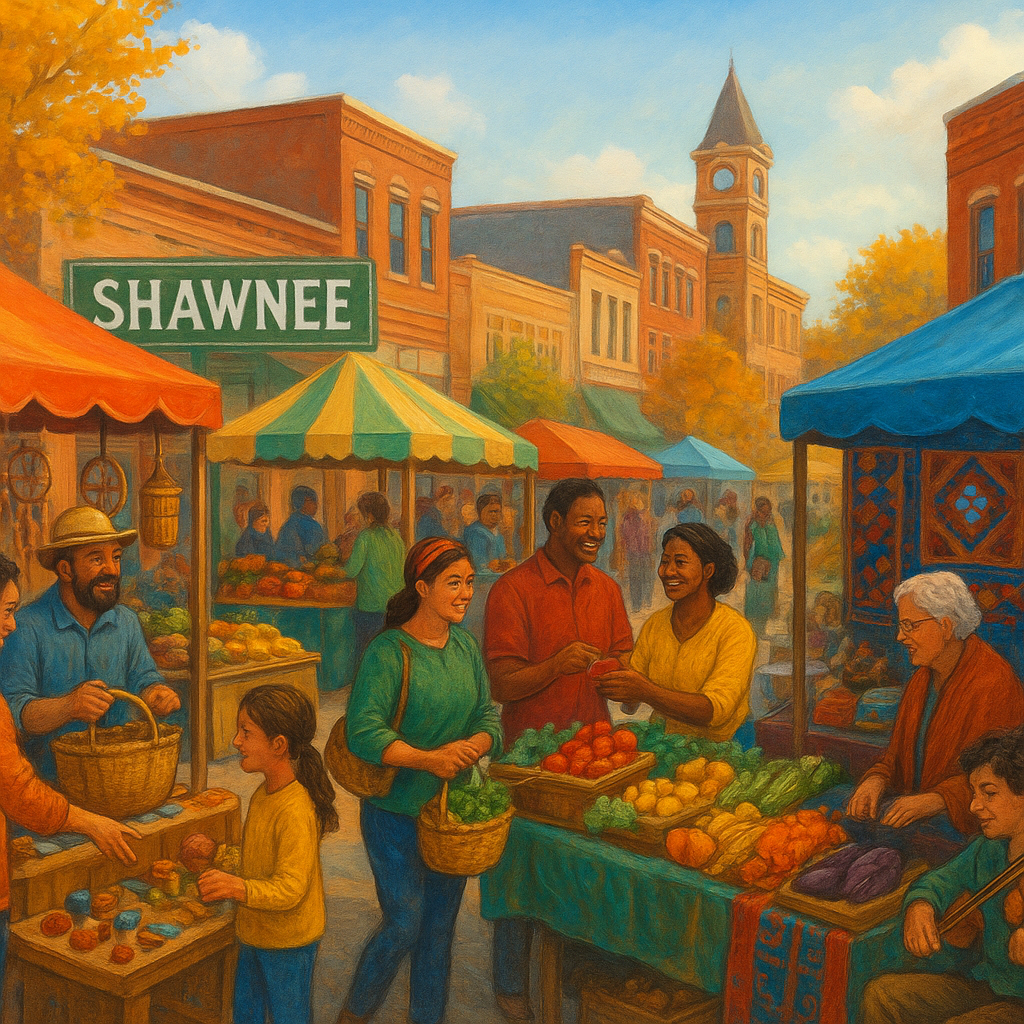
Thinking about setting up a temporary shop in Shawnee, Oklahoma? Maybe you’re planning a weekend pop-up at a local fair, selling handmade crafts door-to-door, or rolling out a food truck for the first time. Before you start making sales, there’s an important step you need to check off your list. The City of Shawnee requires many temporary sellers to secure an itinerant vendor bond. It sounds like a complicated piece of red tape, but it’s really a simple promise designed to protect everyone involved. Let’s walk through what that means in plain language, why it matters, and exactly how you can get one without any headaches.
Thinking a license bond is about your work quality
Most contractors believe the Arizona Contractor License Bond guarantees their project performance. It doesn't. This bond is a financial guarantee to the state that you will follow licensing laws, pay owed taxes, and cover certain public liabilities from your business operations. The part most applicants underestimate is the personal credit check. Underwriters review your credit to assess the risk you'll default on the bond's financial obligation, not your skill as a contractor. A low score doesn't automatically disqualify you, but it directly impacts your premium rate and the speed of approval.
- The bond protects the public and state, not your client's project outcome.
- Your personal credit score is the primary factor determining your bond premium.
- You are personally liable for any claims paid by the surety on your bond.
What Exactly Is an Itinerant Vendor Bond?
Think of a surety bond as a three-way handshake. You, the vendor, are the first party. The City of Shawnee is the second party, and they’re the ones asking for this promise. The third is a bond company, often called the surety. When you buy this bond, you’re not just buying a piece of paper. You’re telling the city, “I will follow all the rules, pay my taxes, and treat my customers fairly. And if I slip up, there’s money set aside to make things right.”
An itinerant vendor bond is specifically for people who don’t have a permanent brick-and-mortar store in Shawnee. If you’re moving from one location to another, setting up a temporary stand, or selling products on a short-term basis, you fall into this category. The bond guarantees that you’ll comply with the local ordinances, pay any required fees or sales taxes, and behave honestly while you’re doing business in town.
Why Does Shawnee Require This Bond?
It’s easy to feel like this is just another hoop to jump through, but the city has good reasons for requiring the bond. Picture a lively Saturday market. Vendors come from all over, set up their tents, and sell everything from leather goods to barbecue. Most are honest people working hard to earn a living. But what if someone sells defective products, takes deposits for items they never deliver, or simply packs up and leaves without paying the local taxes? That hurts the community and gives all temporary vendors a bad name.
The bond protects the city and your customers by creating a financial safety net. If you fail to do what you promised—like ignoring a fine or defrauding a shopper—the harmed party can file a claim against your bond. The city uses this tool to maintain a fair marketplace. For you, it’s a trust badge. Showing you’re bonded tells customers, event organizers, and city officials that you’re legitimate and committed to doing things the right way.
Who Needs to Get Bonded in Shawnee?
Not every business owner needs an itinerant vendor bond. The requirement kicks in when you lack a permanent commercial location within the city limits. Common examples include:
- Food truck operators and mobile food vendors who move between spots.
- Seasonal stands selling fireworks, Christmas trees, or pumpkins.
- Door-to-door salespeople offering home improvement services, magazines, or cleaning products.
- Artisans and crafters renting a booth at a festival for a weekend.
- Any merchant who sets up a temporary display in a parking lot or on a sidewalk.
If you’re still unsure whether this applies to you, a quick call to the Shawnee City Clerk’s office can clear things up. They will let you know the exact licensing and bonding requirements for your specific type of business. It’s always better to ask upfront than to risk a fine or being shut down on a busy sales day.
How Much Does the Bond Cost in Shawnee?
Here’s the good news. The bond is not an expensive insurance policy you have to pay in full each year. You don’t need to hand over the entire penalty amount, which in Shawnee is typically set at $5,000. That figure is the maximum amount that could be paid out if a valid claim were made against you. The money you pay out of pocket is just a small premium.
For a $5,000 Shawnee itinerant vendor bond, your annual premium might be as low as $100 to $200. The exact price depends on a quick review of your personal credit and any business history. Many applicants qualify for the best rates. Even if your credit is not spotless, specialized bond agencies can still often get you approved without a huge price jump. When you think about the doors this bond opens to sell at festivals, fairs, and markets, it’s a very small investment in your business credibility.
Understanding Bond Amounts and Premiums
To make this crystal clear, let’s use an analogy. Imagine you want to rent a video game console. The store doesn’t make you pay the full value of the device. You pay a small rental fee, and you promise to return it in good condition. The bond works similarly. You pay a fraction of the total bond amount as a fee to the surety company. They stand behind you for the full $5,000 limit, trusting you to keep your promises. Only if you break those promises and don’t fix the issue yourself does the bond company step in, pay the claim, and then look to you for reimbursement.
How to Apply for Your Shawnee Itinerant Vendor Bond
Getting bonded is a straightforward process that you can often complete in a single afternoon. There’s no need to stress over piles of paperwork or wait weeks for a response. Here’s the typical path from start to finish.
1. Gather Your Basic Information.
You’ll need your legal business name or your own name if you’re a sole proprietor, your contact details, and your social security number. The bond company needs this to run a soft credit review. This isn’t like applying for a bank loan; it’s a gentle check that usually doesn’t hurt your credit score.
2. Confirm the Exact Bond Requirement with Shawnee.
City rules can change. Some businesses might need an additional license or a specific bond form. Visit the city’s official website or call the clerk’s office and say, “I’m applying for an itinerant vendor license and need a bond. What form should I use, and what is the required amount?” They’ll point you to the correct document, sometimes called a bond form or rider.
3. Request a Quote from a Bond Agency.
Work with a surety bond company that understands Oklahoma city requirements. You can often get an instant online quote. Provide the city’s needed bond amount—say $5,000—and your basic details. You’ll see your premium price immediately.
4. Pay Your Premium and Sign.
Once you like the quote, pay the small fee and electronically sign the agreement. The surety company then issues your bond. You’ll receive a PDF copy of the bond document, which includes a seal and signature.
5. Deliver the Bond to the City.
Take the completed bond form, along with your other license paperwork, to the Shawnee City Clerk. Keep a copy for your own records. After they approve everything, you’re officially ready to start selling.
What Happens if a Claim is Filed Against the Bond?
This is a part nobody likes to think about, but it’s important to understand. If you fail to pay required taxes, violate city codes, or cheat a customer, the affected party can file a claim against your bond. The surety company will investigate. If the claim is valid and you don’t resolve it yourself, the surety pays the harmed party up to the $5,000 limit.
Now, here’s a key point: a bond is not insurance. The surety company will pay the claim to make the city or customer whole, but then they will come to you for full reimbursement. It’s a bit like having a co-signer on a loan. They have your back initially, but you’re ultimately responsible for every dollar they spend. So the best strategy is simple. Run your business honestly, follow Shawnee’s rules, and you’ll never see a claim. The bond just sits there quietly, acting as a silent guarantee of your good behavior.
Common Misconceptions About Itinerant Vendor Bonds
Many first-time vendors mix up bonds with business insurance. While insurance protects your own business assets from fire, theft, or lawsuits, a surety bond protects the public and the government from your potential missteps. They’re different tools for different purposes.
Another misconception is that the bond is a huge, scary obligation. In reality, for the vast majority of honest vendors, it’s a one-time paperwork step that you renew each year. Once you’ve secured it, you can focus on what you love—baking those famous cookies, building custom furniture, or sharing your art with new fans. The bond fades into the background as just another cost of doing business, like buying a canopy tent or printing business cards.
Tips for a Smooth Bonding Experience
- Start early. Don’t wait until the Friday night before the big festival. Give yourself at least a week to sort out the bond and license.
- Keep your personal credit healthy. While you can get bonded with less-than-perfect credit, higher scores unlock those bottom-dollar premiums.
- Bundle your licensing tasks. Ask the city clerk if you need a sales tax permit or a fire marshal clearance. Handling everything in one trip saves time.
- Stay informed. Regulations change, especially around health and safety for food vendors. Check for updates before each season.
Are you ready to become a trusted itinerant vendor in Shawnee? The bond isn’t a barrier; it’s the foundation of a respectful relationship between you and the community you serve. Once you have that piece of paper in hand, you can set up your table, fire up the grill, or ring that first doorbell with total confidence. Happy selling!