bookmark_borderLiability Insurance for Small Business – “liability insurance for small business”

What is Liability Insurance?

Liability insurance is a type of coverage that protects your business if you are found legally responsible for injuries to others or damage to their property. It helps cover the costs of legal defense, settlements, and court-ordered judgments, which can be financially devastating for a small business to pay out-of-pocket.

Why Your Business Needs It

Accidents and lawsuits can happen to any business, no matter how careful you are. A customer could slip and fall in your store, a client could sue you for a professional mistake, or your product could cause unintended harm. Without liability insurance, your business assets, and even your personal assets, could be at risk to cover these costs. It is a fundamental layer of financial protection that safeguards your company’s future.

Types of Liability Coverage

There are several common types of liability insurance for small businesses:

  • General Liability Insurance: This is the most common form, covering third-party bodily injury, property damage, and personal/advertising injury claims.
  • Professional Liability Insurance: Also known as Errors and Omissions (E&O) insurance, it covers claims of negligence, mistakes, or failure to deliver a service as promised.
  • Product Liability Insurance: Essential for businesses that manufacture or sell goods, this covers injuries or damages caused by a product you made or sold.

Many businesses start with a Business Owner’s Policy (BOP), which bundles general liability with property insurance at a discounted rate. This integrated approach is often recommended by the U.S. Small Business Administration as a cost-effective foundation for coverage.

How to Choose the Right Policy

Selecting the right liability insurance requires a careful assessment of your specific business risks. Consider the nature of your work, the number of employees you have, your business location, and the types of clients you serve. It is highly advisable to consult with a licensed insurance agent or broker who specializes in commercial policies. They can conduct a thorough risk analysis and help you compare quotes and coverage details from multiple carriers to find a policy that offers robust protection without unnecessary extras.

When evaluating policies, pay close attention to the coverage limits, deductibles, and any exclusions listed in the terms. A policy with a lower premium might have significant coverage gaps or sub-limits that could leave you exposed in the event of a major claim.

  • Review Industry Requirements: Some professions or commercial leases legally require specific types and minimum amounts of liability coverage.
  • Assess Client Contracts: Many client agreements, especially for contractors and consultants, stipulate mandatory insurance coverage and additional insured status.
  • Plan for Growth: Consider how your policy can scale with your business, as taking on larger projects or hiring employees typically increases your liability exposure.

Next Steps

Getting liability insurance is a critical step in operating a responsible and resilient business. Start by gathering information about your operations and reaching out to insurance providers for quotes. Make sure you fully understand what each policy covers and what it excludes before making your final decision.

bookmark_borderExodus – Bonded By Blood

Exodus’s debut album, Bonded by Blood, is widely regarded as a foundational pillar of the thrash metal genre. Originally recorded in 1984, its release was delayed until 1985, a circumstance that, despite the setback, only heightened its legendary status among fans. The album’s raw aggression, breakneck tempos, and socially conscious lyrics cemented its influence, inspiring countless bands that followed.

The recording process for Bonded by Blood was characterized by a DIY ethos and a limited budget, which contributed to its distinctive, gritty sound. This raw production quality is now often celebrated as a key element of its enduring appeal, perfectly capturing the band’s intense live energy.

For bands or music producers looking to capture a similar raw intensity in their own work, focusing on a few key production aspects can be highly effective:

  • Embrace Live Tracking: Record the band playing together in one room to preserve the natural interplay and energy between musicians.
  • Prioritize Guitar Tone: Use high-gain amplifier settings and aggressive palm-muted riffing to achieve that classic thrash rhythm foundation.
  • Utilize Strategic Overdubs: While keeping a live core, layer additional guitar harmonies or vocal shouts to add depth without sacrificing urgency.

Lyrically, the album moved beyond typical metal themes of the era, tackling subjects like war, violence, and societal hypocrisy. Tracks like “A Lesson in Violence” and “Piranha” delivered these messages with a confrontational directness that became a thrash metal hallmark. The band’s approach reflected a keen awareness of global tensions during the Cold War period, adding a layer of real-world relevance to the music. You can explore more about this historical context on Wikipedia.

Despite the tragic death of original vocalist Paul Baloff in 2002, the album’s legacy continues. It is consistently featured on lists of the greatest metal albums of all time, a testament to its uncompromising power and historical importance.

bookmark_borderSummary of Commercial Property Insurance : Commercial Insurance Tips

What is Commercial Property Insurance?

Commercial property insurance is a type of coverage that protects a business’s physical assets from various perils. This includes the building itself if you own it, along with essential items like inventory, equipment, furniture, and important documents. It is a fundamental component of a business’s risk management strategy, designed to provide financial protection against unexpected physical losses. Without it, a single major incident could jeopardize your company’s operational continuity and financial stability.

What Does Commercial Property Insurance Cover?

This insurance typically covers damage or loss caused by events like fire, storms, theft, and vandalism. It’s important to understand that most standard policies have exclusions; for instance, they generally do not cover floods or earthquakes. For these specific risks, you would need to purchase separate, specialized policies or endorsements to ensure complete protection.

When considering coverage, it’s crucial to know the difference between replacement cost value (RCV) and actual cash value (ACV). RCV coverage pays to repair or replace damaged property with new materials of similar kind and quality, without deducting for depreciation. In contrast, ACV coverage factors in depreciation, meaning you receive the current market value of the aged item, which may not be sufficient to cover the full cost of a new replacement. Choosing the right valuation method directly impacts your financial recovery after a claim.

Why Do You Need Commercial Property Insurance?

For most businesses, physical assets represent a significant financial investment. Commercial property insurance helps safeguard that investment. It ensures that if a covered disaster strikes, you have the necessary funds to repair, rebuild, or replace what was lost. This allows your business to recover and resume operations with minimal disruption. Furthermore, many landlords and lenders require tenants or borrowers to carry this insurance as a condition of their lease or loan agreement.

  • Inventory and Stock: Raw materials, finished goods, and products for sale.
  • Business Equipment: Computers, machinery, specialized tools, and point-of-sale systems.
  • Furniture and Fixtures: Desks, chairs, shelving, and retail display cases.
  • Essential Documents: Physical records, blueprints, or accounting files (consider additional coverage for digital data).
  • Improvements and Betterments: Upgrades you made to a leased space, such as new walls, lighting, or flooring.

How to Choose the Right Policy

Selecting the appropriate policy requires a careful assessment of your business’s unique needs. Start by conducting a thorough inventory of all your business property to determine an accurate value for your coverage limits. You should also review the policy’s list of covered perils and exclusions in detail. Consulting with a knowledgeable insurance agent or broker who specializes in commercial lines can provide invaluable guidance. They can help you navigate complex terms, identify potential gaps in coverage, and ensure you are neither underinsured nor overpaying for unnecessary protections. For a comprehensive overview of business risk management, you can refer to resources from the U.S. Small Business Administration.

Final Thoughts

Commercial property insurance is not merely an optional expense; it is a critical safeguard for your business’s tangible assets. By securing the right coverage, you are making a strategic decision to protect your company’s financial foundation from unforeseen physical damage. Taking the time to understand your policy details today can prevent significant financial hardship and support a swift recovery tomorrow.

bookmark_border6. What is a Bond

When you purchase a bond, you are essentially lending money to the issuer. In return, the issuer promises to pay you a specified rate of interest during the life of the bond and to repay the face value of the bond (the principal) when it “matures,” or comes due after a set period.

Bonds are a cornerstone of the global financial markets, providing a critical mechanism for governments and corporations to raise capital for long-term projects and operational needs. They are issued by corporations, municipalities, states, and sovereign governments to finance a variety of projects and activities.

Investors choose bonds for their potential to provide a predictable income stream. The interest payments from bonds can offer stability and balance to a portfolio that might also contain more volatile assets like stocks.

Before investing, it is crucial to understand the key risks associated with bonds. These primarily include interest rate risk and credit risk. If interest rates rise, the market value of existing bonds typically falls. Credit risk refers to the possibility that the bond issuer will fail to make timely interest or principal payments.

Key Characteristics of Bonds

  • Face Value (Par Value): The amount paid to the bondholder at maturity.
  • Coupon Rate: The fixed annual interest rate paid on the bond’s face value.
  • Maturity Date: The future date on which the bond’s principal amount is scheduled to be repaid.
  • Issuer: The entity (e.g., government or corporation) that borrows the funds and issues the bond.

Bonds can be bought and sold in the secondary market before they mature. Their market price will fluctuate based on changes in prevailing interest rates, the creditworthiness of the issuer, and the time remaining until maturity. This means you may receive more or less than the bond’s face value if you sell it before the maturity date.

For authoritative information on U.S. government securities, you can refer to resources from the U.S. Department of the Treasury.

In summary, bonds are fundamental debt instruments that offer investors a way to generate income while helping issuers fund their objectives. They play a vital role in both personal investment strategies and the broader economic system.

bookmark_borderWhat Is Surety

What Is a Surety Bond?

A surety bond is a three-party agreement that legally binds a principal, an obligee, and a surety. It is a risk transfer mechanism used to guarantee the performance of a duty or obligation. The principal is the party who must perform the obligation, such as a contractor fulfilling a construction contract. The obligee is the party who requires the bond and is protected by it, often a project owner or government entity. The surety is the company that guarantees the principal’s performance and provides the financial backing for the bond.

How Does Surety Work?

When a principal fails to meet their obligations, the obligee can make a claim against the bond. The surety company will then investigate the claim to verify its validity. If the claim is legitimate, the surety will provide compensation to the obligee, up to the bond’s penal sum. The principal is then legally obligated to reimburse the surety for all costs incurred, including the claim payout and any associated fees. This system ensures that projects are completed and obligations are met, even if the original party defaults.

For a deeper understanding of the legal principles underpinning these agreements, you can explore the concept of suretyship.

Types of Surety Bonds

There are two primary categories of surety bonds: contract bonds and commercial bonds. Contract bonds are specifically tied to construction or service contracts and guarantee the contractor’s performance and payment of subcontractors and suppliers. Commercial bonds, also known as license and permit bonds, are often required by government agencies to ensure businesses comply with laws and regulations, protecting the public from financial harm.

Common examples within these categories include:

  • Bid Bonds: Guarantee a contractor will enter a contract at their bid price.
  • Performance Bonds: Ensure a project is completed according to contract terms.
  • Payment Bonds: Protect subcontractors and suppliers from non-payment.
  • License & Permit Bonds: Required for various business licenses to ensure regulatory compliance.

Why Are Surety Bonds Important?

Surety bonds play a critical role in managing financial and performance risk across industries. They provide a vital layer of protection for project owners and the public, ensuring that contractual and legal obligations are fulfilled. For the principal, obtaining a bond is a sign of credibility and financial stability, as the surety company conducts a thorough vetting process before issuing the bond. This pre-qualification helps create a more reliable and trustworthy marketplace for major projects and business operations.

bookmark_borderWhat Is Liability Coverage? | Allstate Auto Insurance

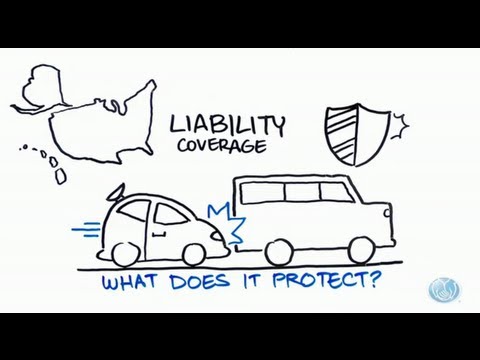
Liability coverage is a foundational component of your auto insurance policy that provides essential financial protection. If you are found legally responsible for causing a car accident, this coverage helps pay for the other party’s resulting bodily injuries and property damage. It is a critical safeguard that helps protect your personal assets from being used to cover these potentially significant costs.

Most states require drivers to carry a minimum amount of liability insurance, making it not just a prudent choice but a legal necessity. You can learn more about specific state requirements from the Insurance Information Institute.

Liability coverage is typically broken down into two main categories, which are expressed as three numbers in your policy (e.g., 25/50/25).

  • Bodily Injury Liability (BI): This covers medical expenses, lost wages, and legal fees for other people injured in an accident you cause. The first two numbers (e.g., 25/50) represent, per person and per accident, limits for this coverage.
  • Property Damage Liability (PD): This covers repairs or replacement of another person’s vehicle or other property you damage, such as a fence or building. The third number (e.g., 25) represents the per accident limit for this coverage.

Choosing the right limits is a crucial financial decision. State minimums are often quite low and may not be sufficient to cover the full costs of a serious accident. If damages exceed your policy limits, you could be held personally responsible for the difference, which could put your savings, home, or other assets at risk. Therefore, selecting liability limits that adequately reflect your financial situation and potential risk is a key aspect of responsible financial planning.

For instance, if you cause an accident resulting in $75,000 of bodily injury costs and your BI limit is $50,000 per accident, you may be liable for the remaining $25,000. This scenario underscores the importance of evaluating your coverage limits carefully, potentially with the guidance of an insurance agent, to ensure you have robust protection.

It is also vital to understand what liability coverage does not include. It does not cover repairs to your own vehicle or your own medical expenses after an accident. For that protection, you would need to add other coverages like collision and comprehensive insurance or medical payments coverage to your policy.

bookmark_borderBusiness.com – What Is General Liability Insurance and How Much Do I Need?

What Is General Liability Insurance?

General liability insurance is a foundational business policy that protects your company from common third-party risks. It covers claims of bodily injury, property damage, and personal and advertising injury that occur because of your business operations. Without this coverage, a single lawsuit could threaten your company’s financial stability and future.

What Does General Liability Insurance Cover?

This insurance typically addresses three core areas:

  • Bodily Injury: If a client slips and falls in your office, this can cover their medical expenses and related legal costs.
  • Property Damage: If an employee accidentally damages a client’s property, this policy can pay for repairs or replacement.
  • Personal and Advertising Injury: This protects against claims of slander, libel, copyright infringement, or false advertising arising from your promotional activities.

It’s important to understand that general liability insurance is designed for third-party claims, not for incidents involving your own employees or damage to your own business property, which require separate policies like workers’ compensation or commercial property insurance.

How Much General Liability Insurance Do I Need?

The amount of coverage your business requires depends on several key factors. Industry standards, your company’s size and revenue, the number of client interactions, and specific contract requirements are all critical considerations. For instance, a construction firm typically needs significantly higher limits than a freelance consultant due to the inherent risks on a job site.

Many small businesses start with a standard policy offering $1 million per occurrence and $2 million in aggregate coverage, but this may not be sufficient for all operations. Consulting with a licensed insurance agent who understands your specific industry is the best way to determine appropriate coverage limits. They can perform a thorough risk assessment to identify potential exposures you might not have considered.

For authoritative information on business risk management, you can refer to resources from the U.S. Small Business Administration.

How to Get General Liability Insurance

Purchasing a policy is a straightforward process. You can obtain quotes from multiple providers, either directly from insurance carriers or through an independent broker who can compare options. Be prepared to provide details about your business operations, revenue, number of employees, and any prior claims history. After comparing coverage details and premiums, you can select the policy that best fits your needs and budget.

bookmark_borderNew York Court Surety Bonds

In New York, court surety bonds are a critical financial instrument required by the judicial system to guarantee the fulfillment of an obligation, such as appealing a judgment or securing the release of property. They act as a three-party contract between the principal (the party required to post the bond), the obligee (the court or opposing party requiring the bond), and the surety (the company guaranteeing the principal’s performance).

When you obtain a court bond, you are essentially providing a financial guarantee to the court that you will comply with its orders. This is a formal assurance that specific legal or financial duties will be met. If you fail to meet the terms set by the court, a claim can be made against the bond to provide compensation.

There are several common types of court bonds used in New York proceedings. These include appeal bonds, which are necessary when challenging a court’s decision, and injunction bonds, which may be required when seeking a court order to stop or compel an action. Fiduciary bonds, such as those for guardians or estate administrators, are also prevalent and ensure the responsible management of assets on behalf of another party.

Securing a court surety bond involves an application and underwriting process where the surety company assesses the risk. The cost, known as the premium, is typically a small percentage of the total bond amount and is based on the applicant’s financial strength and creditworthiness. It is not a direct payment of the bond’s full value but rather the fee for the surety’s guarantee.

For businesses and individuals navigating the New York court system, understanding the specific bond requirements for your case is essential. Each court and type of proceeding may have distinct rules regarding the necessary bond amount and conditions. Consulting with a knowledgeable surety bond provider or legal counsel can help ensure you meet all statutory requirements efficiently.

To navigate this process effectively, consider the following key steps:

  • Identify the exact type and amount of bond required by the court order or statute.
  • Gather necessary financial documentation for the surety’s underwriting review.
  • Compare quotes from several licensed surety companies to secure a competitive premium.
  • File the officially issued bond with the correct court clerk to complete the requirement.

Failure to secure a required court bond can have serious consequences, including dismissal of an appeal or the inability to proceed with a legal action. It is a mandatory step that upholds the integrity of the judicial process. For official information on New York court procedures, you can refer to the New York State Unified Court System website.

bookmark_borderWhat is a Surety Bond? How Do Surety Bonds Work?

What is a Surety Bond?

A surety bond is a legally binding contract that guarantees one party (the principal) will fulfill an obligation to another (the obligee). If the principal fails to meet the terms, the surety company that issued the bond will provide financial compensation or arrange for the obligation to be completed. This three-party agreement is a key risk management tool in many industries, designed to protect project owners and taxpayers from financial loss.

How Do Surety Bonds Work?

The process involves three distinct parties, each with a specific role and responsibility. The principal is the party that purchases the bond and is obligated to perform the task or comply with the law. The obligee is the entity that requires the bond, typically a project owner or government agency. The surety is the insurance company or financial institution that guarantees the principal’s performance and provides the bond.

When a principal fails to meet their bonded obligation, the obligee can file a claim against the bond. The surety company will then investigate the claim’s validity. If the claim is justified, the surety will pay compensation to the obligee, up to the bond’s penal sum. Crucially, this payment is not the end of the matter. The surety will then seek full reimbursement from the principal for all costs paid out, plus any associated fees, as the principal remains ultimately liable.

For businesses, obtaining a surety bond often involves a thorough underwriting process similar to applying for a loan. Sureties evaluate the principal’s creditworthiness, financial statements, industry experience, and work history before issuing a bond. This vetting helps ensure that bonded contractors and businesses are financially stable and capable of fulfilling their commitments.

Understanding the different types of surety bonds is essential for compliance and risk management. The primary categories include:

  • Contract Bonds: Guarantee the performance of a contractor according to the terms of a construction contract, including bid bonds, performance bonds, and payment bonds.
  • Commercial Bonds: Required by government agencies for licensing and permitting, covering a wide range of industries from auto dealerships to notaries public.
  • Court Bonds: Used in judicial proceedings to protect against loss in matters such as appeals, guardianships, or estate administration.

Why Are Surety Bonds Important?

Surety bonds provide a critical layer of financial security and trust in business transactions. For obligees, they offer a guarantee that projects will be completed or regulations will be followed without having to shoulder the full risk themselves. For principals, being bonded enhances their credibility and can be a prerequisite for competing on major projects, especially in the public sector where they are frequently mandated by law. This system helps maintain ethical and financial standards across industries, safeguarding public funds and promoting fair business practices. For more detailed information on federal bonding requirements, you can refer to the U.S. Small Business Administration website.

bookmark_borderTypes of Business Insurance Coverage : Business Insurance Tips

Every business faces unique risks, and having the right insurance coverage is a critical component of a sound risk management strategy. It’s not just about fulfilling legal requirements; it’s about ensuring the long-term resilience and financial stability of your enterprise. This guide outlines the essential types of business insurance coverage to consider.

General Liability Insurance

This is foundational coverage for most businesses. It protects against claims of bodily injury, property damage, and personal injury (like slander) that occur due to your business operations. For instance, if a client slips and falls in your office, general liability insurance can help cover associated medical expenses and legal fees.

Professional Liability Insurance

Also known as Errors and Omissions (E&O) insurance, this is crucial for service-based businesses. It provides protection if a client alleges negligence, mistakes, or failure to deliver a service as promised. This coverage can help with legal defense costs and potential settlements.

Commercial Property Insurance

This insurance covers your business’s physical assets from covered perils like fire, theft, or storm damage. It applies to the building if you own it, as well as to equipment, inventory, furniture, and other essential business property located at the premises.

Business Interruption Insurance

Often added to a property insurance policy, this coverage helps replace lost income and cover operating expenses if your business is temporarily unable to operate due to a covered physical loss, such as fire or major weather damage. It is a vital safeguard for maintaining cash flow during recovery periods.

Workers’ Compensation Insurance

In most states, this insurance is legally required if you have employees. It provides benefits to employees who suffer work-related injuries or illnesses, covering medical costs and a portion of lost wages. In return, it typically protects the employer from lawsuits related to those incidents. For detailed information on state-specific requirements, you can refer to the U.S. Department of Labor’s Office of Workers’ Compensation Programs.

Choosing the Right Coverage

Selecting the appropriate insurance portfolio requires a careful assessment of your specific business risks. The optimal coverage mix depends heavily on your industry, location, number of employees, and the nature of your assets and operations.

To effectively evaluate your needs, consider the following key factors:

  • Industry & Services: High-risk fields like construction or healthcare have vastly different liability exposures than a consulting firm.
  • Business Assets: The value of your physical property, inventory, and specialized equipment directly influences necessary coverage levels.
  • Number of Employees: This determines requirements for workers’ compensation and can affect liability premiums.
  • Client Contracts: Many agreements require you to carry specific types and amounts of insurance.

Consulting with a licensed commercial insurance agent or broker is highly recommended. They can conduct a thorough risk assessment and help you tailor a policy that provides comprehensive protection without unnecessary overlap or costly gaps.