What Is a Surety Bond?
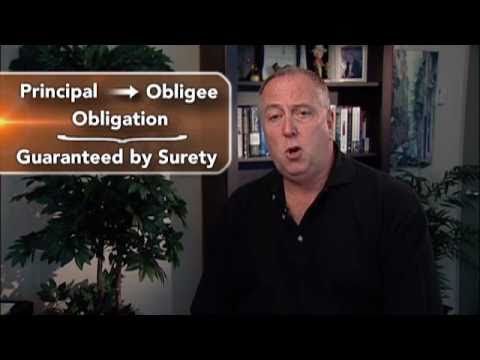
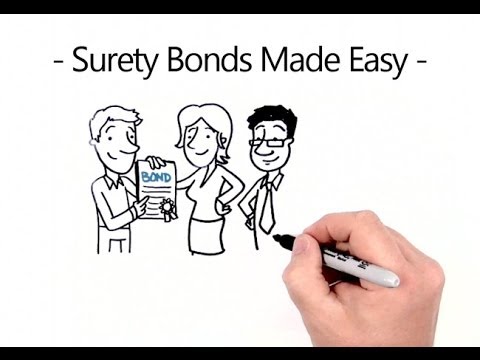
A surety bond is a three-party agreement that guarantees a specific obligation will be fulfilled. The three parties involved are the principal (the party required to get the bond), the obligee (the party requiring the bond, often a government agency), and the surety (the company that issues the bond and guarantees the principal’s performance). If the principal fails to meet the obligation, the surety steps in to provide financial compensation to the obligee.
Why Are Surety Bonds Required?
Surety bonds are required to protect the public and government entities from financial loss. They ensure that businesses and individuals comply with laws, regulations, and contractual terms. Common examples include license bonds for professionals, construction bonds for contractors, and court bonds for legal proceedings. By securing a bond, you demonstrate financial responsibility and a commitment to ethical business practices. Without a bond, many regulated industries would be unable to secure the licenses or permits necessary to operate legally.
Step 1: Determine Your Bond Requirements
The first step is to identify the exact type and amount of surety bond you need. This information is typically mandated by a state law, a municipal regulation, or a specific contract. Contact the entity requiring the bond (the obligee) to get the precise details, as incorrect information can delay the process. Verify the bond amount, the effective date, and the filing deadline directly with the obligee before you begin shopping for a provider.
Step 2: Find a Reputable Surety Bond Provider
Once you know your requirements, you need to find a surety bond company or agency. Look for providers with strong financial ratings and a solid reputation in the industry. It is advisable to work with a specialist who understands your specific industry, as bond requirements can vary significantly between fields like construction, auto dealerships, and freight brokerage. Request quotes from multiple providers to compare pricing and confirm that the bond form they issue will be accepted by your obligee.
Step 3: Complete the Bond Application
You will need to fill out a detailed application provided by the surety. This application will ask for personal, financial, and business information. Be prepared to provide documentation such as financial statements, business licenses, and a resume. The surety uses this information to assess your risk level and determine your premium rate. Incomplete applications are a common cause of processing delays, so double-check every field before submission.
Step 4: Underwriting and Premium Quote
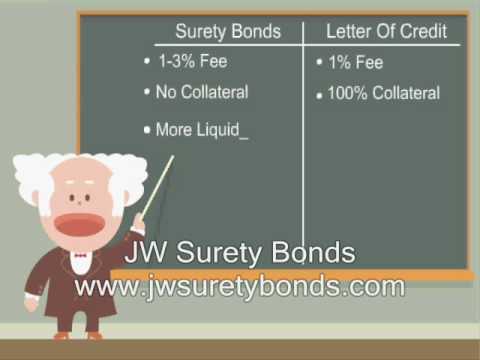
After submitting your application, the surety’s underwriters will review it. They evaluate your credit history, financial strength, industry experience, and the specific bond risk. Based on this assessment, they will provide you with a premium quote—the cost you will pay for the bond, typically a percentage of the total bond amount. For standard-risk applicants, premiums typically range from 1% to 5% of the bond amount, but high-risk applicants may pay significantly more.
Step 5: Sign Indemnity Agreement and Pay Premium
If you accept the quote, you will sign an indemnity agreement. This is a crucial legal contract where you agree to reimburse the surety for any losses or expenses they incur if a claim is made against your bond. After signing, you pay the premium to activate the bond. Read the indemnity agreement carefully—some bonds require a personal guarantee, which means your personal assets could be at risk if a claim is paid out.
Step 6: Receive and File Your Bond
Upon payment, the surety will issue your official bond document. You must then submit this document (often called the “bond form” or “power of attorney”) to the obligee that required it. This filing is the final step to prove you have met the bonding requirement. Keep a copy for your records. If you are renewing an existing bond, confirm whether your obligee requires a new filing each year or if a continuous bond remains in effect until canceled.
Common Challenges and How to Overcome Them
Applicants with poor credit may face higher premiums or difficulty getting approved. In such cases, work with a surety bond agent who has access to specialty markets for high-risk clients. Providing additional documentation, such as business financials or character references, can also help underwriters make a favorable decision. Another frequent issue is selecting the wrong bond type—for example, a contractor purchasing a license bond when the project actually requires a performance bond. Always confirm the bond classification with the obligee before applying to avoid paying for a bond that does not satisfy the requirement.
For a comprehensive overview of the different categories and their purposes, you can refer to the U.S. Small Business Administration’s guide on surety bonds.
Conclusion
Obtaining a surety bond is a systematic process that involves understanding your requirements, choosing the right provider, and completing the necessary paperwork. By following these six steps and preparing your documentation thoroughly, you can secure the bond you need to operate your business compliantly and build trust with clients and regulators. Taking the time to verify details at each stage will help you avoid costly delays and ensure your bond is accepted without complications.