bookmark_borderAC Bail Bonds | New Jersey | Jail Release | Surety Bonds

AC Bail Bonds | New Jersey | Jail Release | Surety Bonds

If you or a loved one has been arrested in Atlantic City or anywhere in New Jersey, securing a quick release from jail is the top priority. The bail bond process can be confusing and stressful, especially when you’re dealing with it for the first time. Understanding how bail bonds work in New Jersey is crucial for navigating the legal system efficiently and regaining your freedom while awaiting court proceedings.

How Do Bail Bonds Work in New Jersey?

When a judge sets bail, it is a financial guarantee that the defendant will return for all required court dates. Most people cannot afford to pay the full bail amount in cash. This is where a licensed bail bond agent, like AC Bail Bonds, becomes essential. We post a surety bond on your behalf, which is a promise to the court to pay the full bail amount if the defendant fails to appear. In return, you pay us a non-refundable premium, which is typically a set percentage of the total bail amount as regulated by the state. New Jersey law caps this premium, ensuring the fee structure remains fair and transparent for all parties involved.

Our Bail Bond Services

We specialize in fast, confidential, and reliable bail bond services throughout New Jersey. Our expertise covers a wide range of situations, from minor misdemeanors to more serious felony charges. Our agents are available 24 hours a day, 7 days a week, because arrests don’t only happen during business hours. We will guide you through every step of the paperwork and explain all your obligations clearly, ensuring there are no surprises.

For many clients, understanding the specific charges and potential consequences is a critical part of the process. While we are not attorneys and cannot provide legal advice, we strongly recommend consulting with a criminal defense lawyer to discuss the details of your case. You can find valuable information on your legal rights and the court process through resources like the New Jersey Courts website.

When you contact us, have the following details ready to expedite the process:

  • The full legal name and date of birth of the person in custody
  • The exact jail or detention facility where they are being held
  • The booking number and the specific charges, if known
  • A list of any prior arrests or outstanding warrants, as this can affect the release timeline

Having this information on hand when you call can save critical minutes, as our agents will need it to verify the bail amount and begin preparing the necessary surety bond paperwork without delay.

Why Choose AC Bail Bonds?

With many bail bond companies to choose from, you need an agency you can trust during a difficult time. We have built our reputation on transparency, compassion, and speed. We never use high-pressure tactics and are always upfront about our fees and the process. Our deep knowledge of local courts and jails across the state allows us to expedite releases whenever possible, getting your loved one home faster. A common mistake we see is clients waiting until regular business hours to call, not realizing that a few hours’ delay can mean the difference between an overnight stay and an immediate release.

Contact Us for a Fast Release

Time is of the essence after an arrest. The sooner you call, the sooner we can begin the release process. Don’t spend another night in jail waiting for help. Our team is standing by to answer your questions and start the paperwork immediately. We offer flexible payment plans and are committed to finding a solution for every situation. Call AC Bail Bonds now for immediate assistance.

bookmark_borderThe basics of bonds – MoneyWeek Investment Tutorials

Bonds are essentially loans that you make to a government or a company. In return for your capital, the issuer promises to pay you a fixed rate of interest over a set period and to return your initial investment, known as the principal, when the bond matures. This makes them a cornerstone of fixed-income investing, offering a predictable return stream compared to the variable performance of equities.

When you buy a bond, you are becoming a creditor to the issuer. This is a fundamentally different relationship from buying a share, which makes you a part-owner. The bond market is vast and liquid, providing a critical mechanism for governments to fund public projects and for corporations to finance expansion and operations. In practice, bondholders stand ahead of shareholders in the capital structure, meaning they have a higher claim on assets if the issuer faces financial distress.

The price of an existing bond on the secondary market fluctuates inversely with interest rates. If prevailing rates rise after you buy, the fixed interest payment of your bond becomes less attractive, so its market price typically falls. Conversely, if rates fall, the fixed payment is more valuable, and the bond’s price usually rises. This inverse relationship is one of the most fundamental concepts to grasp, as it directly drives the mark-to-market value of any bond position held outside of a hold-to-maturity strategy.

Understanding a few key metrics is essential for any bond investor:

  • Coupon: The fixed annual interest rate paid on the bond’s face value.
  • Yield: The effective rate of return, which factors in the bond’s current market price.
  • Maturity Date: The specific future date when the principal amount will be repaid.
  • Credit Rating: An assessment of the issuer’s ability to repay its debt, provided by agencies like Standard & Poor’s or Moody’s.

When evaluating a bond, a common pitfall is confusing the coupon rate with the yield. The coupon is static, but the yield changes as the market price moves. A bond bought at a premium will have a yield lower than its coupon, while a bond bought at a discount will have a yield higher than its coupon. Always base your expected return on the yield to maturity, not the coupon rate, when comparing bonds with different prices and maturities.

Government bonds, such as UK Gilts or US Treasuries, are generally considered lower-risk investments because they are backed by the taxing power of the state. Corporate bonds typically offer higher yields to compensate investors for the greater risk of the company defaulting on its payments. For a detailed overview of UK government debt, you can refer to the Debt Management Office website.

Including bonds in a portfolio can provide diversification and reduce overall volatility. Their regular income and relative stability can balance out the higher growth potential, and risk, associated with stocks.

bookmark_borderFilm Production Completion Bond

What is a Film Completion Bond?

A film completion bond is a specialized form of insurance that guarantees a film will be delivered on time and on budget. It is a critical financial instrument used by producers to secure funding from investors and distributors. The bond company, known as the guarantor, pledges to cover any cost overruns or to take over production management if the project is in jeopardy of not finishing. In essence, it transforms an unproven creative endeavor into a bankable financial obligation, ensuring that financiers are not exposed to the risk of an incomplete picture.

Why is a Completion Bond Necessary?

For investors, a completion bond mitigates the substantial financial risk inherent in film production. It provides a legally enforceable guarantee that their capital will result in a finished, distributable product. Without this safeguard, a project could be abandoned mid-production due to budget exhaustion, resulting in a total loss. This assurance is often a prerequisite for securing funding from major studios, banks, and private equity firms. The bond effectively shifts the risk of non-delivery from the financier to the guarantor, making the entire financing structure far more stable and predictable.

How Does the Bond Process Work?

The producer applies for a bond through a specialized surety company. The bond company then conducts rigorous due diligence, scrutinizing the script, budget, schedule, and the track record of key personnel like the director and line producer. This underwriting phase is exhaustive and often takes several weeks; the surety will frequently challenge the budget line by line to verify that every department’s costs are realistic and that the schedule is achievable. If approved, the producer pays a premium, typically a percentage of the total production budget. Once filming begins, the bond company monitors progress through regular reports and may have a representative on set.

Should the project go over budget or fall behind schedule, the bond company typically has the contractual right to intervene. This intervention can range from providing additional funds to taking full creative and financial control to ensure completion. It is a powerful tool for risk management that protects all major stakeholders. A common practical mistake producers make is underestimating the importance of the line producer’s relationship with the bond company; a trusted line producer who communicates problems early can often negotiate a softer intervention than one who hides issues until they are critical.

Key Triggers for Bond Company Intervention

  • The production exceeds its approved budget contingency.
  • The shooting schedule falls behind by a significant number of days.
  • Key creative personnel (e.g., director, lead actor) become unavailable.
  • There is evidence of financial mismanagement or fraud.
  • Daily or weekly production reports reveal a pattern of escalating costs in a specific department, such as visual effects or location fees, that was not anticipated in the original budget.

The Cost of a Completion Bond

Premiums for completion bonds are not fixed and are negotiated based on the project’s perceived risk. They generally range from 1% to 3% of the total production budget. Factors influencing the cost include the script’s complexity, the filming locations, the experience of the director and producer, and the robustness of the initial budget and schedule. A higher-risk project will command a higher premium. Additionally, the bond premium is often paid upfront in full, which means producers must factor this cash outlay into their initial financing plan rather than treating it as a deferred cost.

Conclusion

A film completion bond is not merely an insurance policy; it is a fundamental pillar of modern film finance. By guaranteeing completion, it unlocks essential funding and provides a safety net for all parties involved. For any production with significant financial backing, securing a bond is a non-negotiable step in the journey from script to screen. For more detailed information on film financing mechanisms, you can refer to resources from the Library of Congress.

bookmark_borderHow Do Bid and Performance Bonds Work?

How Do Bid and Performance Bonds Work?

In the world of construction and large-scale contracting, bid bonds and performance bonds are essential financial instruments that protect project owners and ensure contract fulfillment. They are a critical part of the risk management strategy for any major project. These bonds function as a three-party agreement among the project owner (obligee), the contractor (principal), and the surety company that underwrites the risk.

What is a Bid Bond?

A bid bond is a guarantee provided by a surety company on behalf of a contractor submitting a proposal. It assures the project owner that the contractor has the financial capacity to accept the job if awarded and will enter into the contract at the bid price. If the contractor fails to honor their bid, the owner can claim the bond amount to cover the cost difference of awarding the project to the next lowest bidder. This claim process typically requires the owner to demonstrate that the contractor either withdrew the bid or refused to sign the contract after being selected.

What is a Performance Bond?

Once a contract is awarded, a performance bond comes into effect. This bond protects the owner from financial loss if the contractor fails to perform according to the contractual terms and specifications. If the contractor defaults or does not complete the project, the surety company may step in to finance the completion of the contract, hire a replacement contractor, or provide financial compensation. The surety’s obligation is triggered only after the owner formally declares the contractor in default and provides proper notice, which is a critical procedural step that owners often overlook.

For more detailed information on the legal and regulatory framework surrounding these instruments, you can refer to the U.S. Small Business Administration’s guide.

Key Differences Between Bid Bonds and Performance Bonds

While both are types of contract bonds, they serve distinct purposes at different project stages. The bid bond is about ensuring bid integrity during the proposal phase, while the performance bond is about guaranteeing the actual work execution after the contract is signed. A third common bond, the payment bond, guarantees that the contractor will pay its subcontractors and suppliers. On federal projects, the Miller Act requires both performance and payment bonds for contracts exceeding $150,000, making them a statutory requirement rather than a discretionary choice.

Why Are These Bonds Required?

Project owners, often public entities or large private developers, require these bonds to mitigate significant financial risk. They provide a layer of security and ensure that only qualified and serious contractors participate in the bidding process. This practice helps maintain project timelines and budgets. Without these protections, an owner would bear the full burden of a contractor’s insolvency or abandonment, which could delay the project for months and create substantial legal complications.

How to Obtain a Bid or Performance Bond

Contractors obtain these bonds through surety companies or bonding agencies. The surety will evaluate the contractor’s financial health, work history, and creditworthiness before issuing the bond. This process is similar to applying for a line of credit. Strong financial statements and a proven track record are crucial for approval and favorable rates. Newer contractors should expect a more rigorous underwriting process, often requiring personal guarantees from the principals, until they establish a multi-year history of profitable operations.

  • Financial Review: The surety conducts a thorough analysis of your company’s financial statements, including liquidity, assets, and debt.
  • Work History & References: Your past project performance, including completion records and references from owners, is critically examined.
  • Credit Assessment: The personal and business credit scores of the principals are evaluated to gauge financial responsibility.
  • Capacity Evaluation: The surety assesses your company’s current workload and management capacity to handle the new project.

One practical point contractors frequently miss: a surety’s capacity is not unlimited. Most sureties will only bond a single project up to a certain multiple of your net working capital, and they will also cap your total aggregate backlog across all active projects. When you are bidding on multiple jobs simultaneously, you must track your bonded backlog carefully, or you may win a bid only to discover that your surety will not issue the performance bond because you have already exhausted your bonding capacity.

Understanding bid and performance bonds is fundamental for contractors seeking to work on substantial projects and for owners aiming to safeguard their investments. These tools create a more stable and reliable contracting environment for all parties involved.

bookmark_borderTomorrow Never Dies Company Car Q James Bond 007

In the 1997 James Bond film Tomorrow Never Dies, the iconic agent is equipped with a remarkable piece of technology: a BMW 750iL that can be controlled remotely via a mobile phone. This concept, which seemed like pure science fiction at the time, has evolved into a tangible and increasingly common feature in modern vehicles known as remote parking. The film’s portrayal was a prescient glimpse into the future of automotive innovation, demonstrating a functionality that automakers would spend decades developing.

Today, several manufacturers offer systems that allow a driver to maneuver their car into or out of a tight parking space while standing outside the vehicle. These systems typically use the key fob or a smartphone app to control acceleration, braking, and steering over a short distance. While not an exact replica of Bond’s mobile phone control, the principle of externally guided vehicle movement is directly comparable.

The primary benefit of modern remote parking technology is enhanced convenience in constrained urban environments. It provides a significant advantage when dealing with narrow parking spots where opening the door is difficult, or when needing to extricate a vehicle from a particularly tight space. This capability helps prevent costly door dings and makes navigating congested parking structures considerably less stressful for the driver.

  • BMW Remote Control Parking: Available on certain models, it allows the vehicle to be moved forward or backward via the key fob.
  • Mercedes-Benz Remote Parking Pilot: Drivers can use a smartphone app to park and unpark their vehicle from outside.
  • Genesis Remote Smart Parking Assist (RSPA): This system enables both lateral and longitudinal remote parking maneuvers.

When using these systems, it is critical to maintain a clear line of sight to the vehicle and keep the key fob or smartphone within its specified operating range, typically around ten feet. The systems are designed to stop the vehicle instantly if an obstacle is detected, but they are not a substitute for careful visual monitoring. Drivers should also verify that the surface is level and free of debris, as steep inclines or loose gravel can affect the system’s precision and sensor readings.

Looking ahead, the trajectory from cinematic fantasy to consumer reality points toward even more integrated autonomous systems. The underlying technologies of sensors, cameras, and electronic control units that enable remote parking are the same foundational components required for higher levels of vehicle automation. As these systems become more sophisticated and reliable, we can expect them to handle increasingly complex parking scenarios without any driver intervention, ultimately fulfilling and surpassing the vision presented in Tomorrow Never Dies.

For audiences in 1997, the remote-controlled BMW was a thrilling gadget. For drivers today, it represents a clear example of how speculative fiction can inspire and accelerate real-world technological progress, transforming a secret agent’s tool into a practical feature for the everyday commute. The continued development in this field is closely tied to broader advancements in automotive safety and autonomy, as outlined by research from entities like the National Highway Traffic Safety Administration (NHTSA).

bookmark_borderwhat is a Bid Bond

What is a Bid Bond?

A bid bond is a type of surety bond that guarantees a contractor will honor their bid and enter into a contract if they are selected for the project. It is a crucial component of the public and private bidding process, providing financial security to the project owner. The bond ensures that the contractor is both serious and financially capable of undertaking the work at the proposed price.

How Does a Bid Bond Work?

When a contractor submits a bid for a project, they often must include a bid bond. This bond acts as a guarantee to the project owner. If the contractor wins the bid but then refuses to sign the contract or fails to provide the required performance bonds, the project owner can make a claim on the bid bond. The surety company that issued the bond will then compensate the owner for the financial loss incurred, typically up to the bond’s penal sum, which is often a percentage of the bid amount.

This process protects the project owner from frivolous or unqualified bids, ensuring only committed contractors participate. It also safeguards the project timeline by preventing delays caused by a winning bidder backing out. In practice, the claim process requires the obligee to provide documented evidence of the contractor’s failure to execute the contract, including proof that the bid was accepted and the contractor was formally notified before the bond can be enforced.

Why Are Bid Bonds Important?

Bid bonds are important because they establish a foundation of trust and financial accountability in the contracting process. For project owners, they mitigate the risk of accepting a bid from a contractor who may not be able to follow through, which could lead to costly project delays and the need to re-solicit bids. For contractors, providing a bid bond demonstrates their credibility and financial stability, which can be a competitive advantage in securing contracts, particularly on public works projects where they are frequently mandated.

Understanding the specific requirements for bid bonds on federal contracts can be essential for contractors. For detailed information on the bonding process for U.S. government projects, you can refer to the U.S. Small Business Administration’s guide. Contractors should also be aware that many state and local agencies impose their own bonding thresholds and forms, so verifying jurisdiction-specific requirements before submitting a bid is a prudent step to avoid disqualification.

Key Parties Involved

There are three primary parties in a bid bond agreement:

  1. The Principal: This is the contractor or bidder who is required to obtain the bond and is responsible for fulfilling the obligations of the bid.
  2. The Obligee: This is the project owner or entity requesting the bid, who is protected by the bond’s guarantee.
  3. The Surety: This is the insurance company or financial institution that issues the bond and guarantees the principal’s performance to the obligee.

Bid Bond vs. Performance Bond

It is common to confuse bid bonds with performance bonds, but they serve different purposes in the project lifecycle. A bid bond is submitted with the initial proposal to guarantee the contractor will enter into the contract. A performance bond, in contrast, is provided after the contract is awarded and guarantees the contractor will complete the project according to the terms and specifications outlined in the contract. Essentially, the bid bond ensures the contractor will sign the contract, while the performance bond ensures they will execute the work.

How to Get a Bid Bond

Contractors typically obtain bid bonds through a surety company or an authorized bonding agent. The process involves an evaluation of the contractor’s financial health, work history, and creditworthiness. The surety will assess the risk of issuing the bond and may require collateral. The cost, known as the premium, is usually a small percentage of the bond amount and is influenced by the contractor’s financial strength and the project’s perceived risk. A common pitfall for new contractors is underestimating the underwriting scrutiny on personal credit scores and liquidity; even a profitable business can be denied a bond if the owner’s personal finances are weak, so reviewing those factors before applying is advisable.

  • Gather Documentation: Prepare financial statements, business history, and project details.
  • Contact a Surety: Work with a reputable surety company or agent specializing in contract bonds.
  • Underwriting: The surety will review your application to assess risk and determine the premium.
  • Issuance: Upon approval, the surety issues the bond for you to submit with your bid.

bookmark_borderHow to Get Your Contractor License

Obtaining a contractor license is a critical step for anyone looking to operate a legitimate and successful construction business. The process varies significantly from state to state, but there are common steps that every aspiring contractor must follow. Understanding these steps before you begin can save you considerable time, money, and frustration down the road.

Understand Your State’s Requirements

The first and most important step is to understand the specific licensing requirements in your state. Some states have a single license for general contractors, while others have multiple classifications for different trades, such as electrical, plumbing, or HVAC. You must identify the correct license for the work you intend to perform. Contact your state’s licensing board or visit their official website for the most accurate and current information. For a comprehensive overview of federal workplace regulations that often influence state licensing criteria, you can refer to the Occupational Safety and Health Administration (OSHA) website.

Gain the Necessary Experience

Most states require proof of hands-on experience in the construction trade. This typically means working a certain number of years under a licensed contractor. You will need to document this experience thoroughly, often with notarized affidavits from your past employers detailing the scope and duration of your work. This requirement ensures that licensed contractors possess the practical knowledge necessary to manage projects safely and effectively. Be meticulous with these records; a single discrepancy in dates or job descriptions can trigger an audit and significantly delay your application.

Pass the Licensing Exam

After meeting the experience requirements, you will need to pass a licensing exam. These exams test your knowledge of building codes, business management, and trade-specific practices. Preparation is key, and many find it helpful to take a pre-licensing course or study from approved guidebooks. A passing score demonstrates your competency and commitment to professional standards. When you schedule your exam, confirm whether your state allows open-book testing, as this will dictate how thoroughly you must memorize specific code references versus knowing how to navigate the reference materials efficiently.

Secure Insurance and Bonding

Before your license is issued, you will likely need to obtain liability insurance and a surety bond. Insurance protects you and your clients from potential accidents or damages on a job site. A surety bond provides a financial guarantee of your compliance with state regulations and contractual obligations. The specific amounts required for both will be dictated by your state’s licensing board. It is wise to shop around with multiple insurance brokers who specialize in construction policies, as rates can vary widely for identical coverage levels depending on your claims history and the specific trades you list on your policy.

Submit Your Application and Fees

The final step is to complete and submit your official license application along with all required documentation and fees. This packet usually includes your exam results, proof of experience, insurance certificates, bond information, and the application fee. Ensure everything is filled out completely and accurately to avoid delays. Once approved, you will receive your contractor license, allowing you to bid on projects and operate legally.

Maintaining your license is an ongoing responsibility. Be prepared to complete continuing education courses and renew your license periodically, which includes paying renewal fees and proving that your insurance and bonding remain in good standing. Staying compliant protects your business and your reputation in the industry.

bookmark_borderWhat is a Bond

A bond is a fixed-income instrument that represents a loan made by an investor to a borrower, typically corporate or governmental. When you purchase a bond, you are essentially lending money to the issuer in exchange for periodic interest payments and the return of the bond’s face value when it matures.

Bonds are used by companies, municipalities, states, and sovereign governments to finance projects and operations. Owners of bonds are debt holders, or creditors, of the issuer. This makes them a cornerstone of the global capital markets, providing a predictable funding mechanism for entities and a relatively stable income stream for investors.

How Bonds Work

Bonds are often referred to as fixed-income securities because they traditionally pay a fixed interest rate to debtholders. The interest payment is called the coupon, and it is usually paid semiannually. The interest rate is determined at issuance and remains constant for the life of the bond.

The price of a bond in the secondary market will fluctuate with interest rates. When interest rates rise, bond prices generally fall, and vice versa. This inverse relationship is a fundamental principle of bond investing. The bond’s maturity date is the date on which the principal amount must be paid back in full.

Types of Bonds

There are four primary categories of bonds sold in the markets. However, you may also see foreign bonds issued by corporations and governments on some platforms.

  • Corporate Bonds: Issued by companies to raise capital for expansion, research, or other business needs.
  • Municipal Bonds: Issued by states and municipalities to fund public projects like schools, highways, and infrastructure.
  • Government Bonds: Issued by national governments, such as U.S. Treasury securities, which are backed by the full faith and credit of the issuing government.
  • Agency Bonds: Issued by government-affiliated organizations, such as Fannie Mae or Freddie Mac in the United States.

Each type carries different levels of risk and tax implications. For example, interest income from most municipal bonds is often exempt from federal income tax and, in some cases, state and local taxes.

Characteristics of Bonds

All bonds share some common characteristics. The face value is the money amount the bond will be worth at maturity. The coupon rate is the rate of interest the bond issuer will pay on the face value. The coupon dates are the dates on which the issuer will make interest payments.

Understanding these characteristics is crucial for evaluating a bond’s potential return and risk profile. For instance, a bond’s duration measures its sensitivity to interest rate changes, providing investors with a key metric for managing portfolio risk. The yield to maturity is the total return anticipated if the bond is held until it matures.

Before investing, it is wise to consider several key factors that directly impact a bond’s performance and suitability for your portfolio:

  • Credit Quality: Assess the issuer’s credit rating from agencies like Moody’s or Standard & Poor’s to gauge default risk.
  • Interest Rate Environment: Consider the current direction of interest rates, as rising rates can decrease the market value of existing bonds.
  • Maturity Date: Determine your investment time horizon, as longer-term bonds typically offer higher yields but are more sensitive to interest rate changes.
  • Tax Considerations: Evaluate the tax treatment of the bond’s interest income, especially for municipal bonds.

One common mistake investors make is assuming that a bond’s coupon rate equals its actual return. If you purchase a bond at a premium or discount in the secondary market, your effective yield will differ from the stated coupon rate. For example, buying a bond with a 5% coupon at a price above par reduces your effective yield, while buying it below par increases it. Always calculate the yield to maturity rather than relying solely on the coupon rate when comparing bonds.

Bonds vs. Stocks

Bonds are debt investments, while stocks are equity investments. This fundamental difference means bondholders have a higher claim on a company’s assets than shareholders in the event of bankruptcy. However, stockholders may benefit from unlimited upside potential through capital gains, whereas a bond’s return is generally limited to its stated interest payments.

Investors often use bonds to diversify a portfolio dominated by stocks, as they typically exhibit lower volatility. For authoritative information on U.S. government securities, you can refer to the U.S. TreasuryDirect website.

bookmark_borderQuantum of Solace Title sequence james bond

The title sequence for Quantum of Solace is a visually arresting and thematically rich component of the film, masterfully blending graphic artistry with the movie’s core narrative of betrayal and revenge. Created by the renowned studio MK12, the sequence employs a stark, granular aesthetic of shifting sand and abstract landscapes that directly mirrors the protagonist’s fractured mental state and relentless pursuit of truth. This approach marked a significant departure from the more traditionally glamorous Bond title sequences, grounding the film in a grittier, more contemporary reality. Rather than relying on the silhouetted dancers or elaborate set pieces of earlier entries, MK12’s work here feels almost geological in its texture, as if the screen itself is eroding in real time.

To fully appreciate the sequence’s innovation, it’s helpful to understand its key stylistic and technical components:

  • Primary Medium: The sequence was primarily created using high-resolution macro photography of materials like ink, dust, and colored sands, which were then manipulated digitally. This physical, tactile approach gives the imagery an organic unpredictability that pure computer-generated effects often lack.
  • Color Palette: A deliberate and restricted palette dominated by ochres, blacks, and whites reinforces the desolate, sun-baked settings of the film and the emotional bleakness of Bond’s journey. The absence of the franchise’s customary vibrant blues and golds is a pointed choice that signals a tonal shift.
  • Symbolic Motifs: Recurring visual motifs, including dissolving female silhouettes and morphing geographic contours, symbolize the elusive nature of the Quantum organization and the instability of Bond’s world. Pay close attention to the way the figures fracture into particles just as they seem to take shape—this mirrors the film’s central theme of trust perpetually dissolving.

Accompanied by the powerful theme song “Another Way to Die” performed by Jack White and Alicia Keys, the visuals synchronize perfectly with the music’s raw, blues-rock energy. The sequence does more than just list cast and crew; it serves as a vital prologue, visually articulating James Bond’s internal turmoil and the shadowy, pervasive threat he faces. This seamless integration of sound and graphic design establishes a tone of visceral urgency that carries throughout the entire film, making it one of the most conceptually cohesive openings in the franchise. A common mistake when analyzing this sequence is to view it solely as abstract art, but every grain of sand and every collapsing silhouette corresponds directly to a plot point or character motivation established in the screenplay. For a deeper exploration of the film’s context and themes, you can refer to its Wikipedia entry.

bookmark_borderWhat Are Insurance Bonds

What Are Insurance Bonds?

Insurance bonds, often called surety bonds, are three-party agreements that guarantee the performance or obligations of one party (the principal) to another (the obligee). They are a critical risk management tool, distinct from traditional insurance which protects the policyholder. Instead, a surety bond protects the project or entity requiring the guarantee by ensuring compensation if the principal fails to meet their contractual duties. Unlike an insurance policy that pools risk across many policyholders, a surety bond operates on a principle of pre-qualification and recourse, meaning the surety underwrites the principal’s capacity to perform before the bond is issued.

How Do They Work?

The three parties involved are the principal (who needs the bond), the obligee (who requires the bond), and the surety (the insurance company that issues the bond). If the principal fails to fulfill their obligation, the obligee can make a claim against the bond to recover financial losses. The surety company will then seek reimbursement from the principal for the amount paid out. This structure shifts the ultimate financial responsibility back to the principal, making bonds a form of credit. In practice, the surety will conduct a thorough investigation of any claim before paying it, and the principal is contractually obligated to indemnify the surety for any losses incurred, which is a key difference from standard insurance claims.

Common Types of Insurance Bonds

There are many types of bonds, each serving a specific purpose. Contract bonds are used in construction to guarantee project completion and payment to subcontractors. License and permit bonds are required by government agencies for certain professions. Court bonds are used in judicial proceedings, while commercial bonds cover a wide array of other business obligations.

For businesses, understanding the specific bond requirements for your industry and contracts is essential. Failing to secure a necessary bond can result in the loss of a project, a professional license, or the ability to bid on public work. The U.S. Small Business Administration provides resources on bonding requirements for federal contractors, which is a common application. A frequent mistake is assuming that a bond is a form of insurance that protects your own company; in reality, it protects the party requiring the bond, and your business remains liable for any claims paid out.

Why Are They Important?

Insurance bonds provide essential financial security and foster trust in business relationships. They ensure that projects are completed, laws are followed, and financial obligations are met. For obligees, bonds mitigate the risk of hiring a contractor or professional who may not perform. For principals, having a bond signals reliability and financial stability, which can be a competitive advantage when bidding for work. Furthermore, the underwriting process itself can help a business identify weaknesses in its financial management or operational capacity before they become costly problems on a live project.

Key steps to obtain a surety bond typically include:

  • Identifying the specific bond type and amount required by the contract or law.
  • Applying through a surety company or licensed bond agent.
  • Undergoing a review of personal and business credit, financial statements, and experience.
  • Paying the premium, which is a percentage of the total bond amount.

When securing a bond, be prepared for the underwriter to scrutinize your working capital and liquidity ratios. For smaller contractors, personal guarantees are almost always required, and a single missed payment or tax lien can immediately disqualify you from obtaining coverage. It is also wise to apply for a bond well before a bid deadline, as the underwriting process can take several days or even weeks for complex projects.

Conclusion

Insurance bonds are a foundational component of the modern business landscape, enabling trust and managing risk in transactions where significant financial commitments are at stake. Whether you are a contractor, a business owner, or a professional, understanding how to secure and manage these instruments is crucial for growth and compliance.

bookmark_borderSurity Hold

In the world of construction and large-scale service contracts, managing financial risk is paramount. A suretyship hold, often called a suretyship or bond holdback, is a specific financial mechanism designed to protect project owners and general contractors. It involves withholding a portion of the contract payment until the subcontractor or supplier provides proof that they have paid their laborers, material suppliers, and other related parties in full. This ensures that the project is free from liens and other financial encumbrances that could cause delays or legal disputes.

When a subcontractor completes their work, they submit a request for payment. Instead of releasing the final payment immediately, the general contractor or owner places a percentage of that payment—typically aligned with statutory requirements—into a hold. This withheld amount acts as a security against potential future claims. The hold is only released upon receipt of a release of lien from the subcontractor and, often, sworn statements confirming all obligations have been met. The timing of this release is critical; failing to secure the proper documentation before disbursing funds can expose the project owner to liability that far exceeds the holdback amount.

The primary benefit of a suretyship hold is lien protection. By ensuring all parties down the chain are paid, it prevents mechanics’ liens from being filed against the property. This is crucial for maintaining clear project title and securing financing. Furthermore, it promotes financial accountability among all contractors and suppliers, creating a more stable and trustworthy project environment. Without such safeguards, project owners could face double payment—once to the subcontractor and again to settle a valid lien claim from an unpaid supplier.

Implementing a suretyship hold effectively requires clear contractual language and diligent administration. The specific terms, including the percentage withheld and the conditions for release, must be explicitly detailed in the contract documents. All parties should understand their rights and responsibilities from the outset to avoid confusion and ensure a smooth payment process at project completion. In practice, the most common source of friction is a subcontractor submitting a partial lien waiver when the contract requires a final, unconditional waiver for the holdback amount—so verify the waiver type matches the payment stage.

To ensure a suretyship hold functions as intended, follow these key administrative steps:

  • Define the hold percentage and release conditions explicitly in the subcontract agreement.
  • Maintain detailed records of all payments, invoices, and lien waivers received.
  • Require conditional and final lien waivers from the subcontractor upon each payment request.
  • Verify that the subcontractor has obtained similar releases from their own material suppliers and sub-subcontractors before releasing the final holdback funds.
  • Set a firm internal deadline for reviewing waiver completeness and releasing the hold funds, as indefinite delays can trigger statutory interest penalties in many jurisdictions.

While highly effective, suretyship holds are not without challenges. They can tie up a subcontractor’s working capital, potentially straining their cash flow for the duration of the hold period. This can be particularly burdensome for smaller firms. Disputes can also arise over the adequacy of lien releases or the timeliness of the hold’s release. Therefore, it is essential for all parties to engage in transparent communication and adhere strictly to the agreed-upon contractual procedures to mitigate these potential issues.

bookmark_borderHow to get a Performance Bond

A performance bond is a crucial financial instrument that guarantees a contractor will complete a project according to the terms of a contract. It provides essential protection for project owners against financial loss if the contractor defaults or fails to meet the agreed-upon specifications. Obtaining one is a key step for contractors working on public and large private projects.

Understanding the Basics

Before applying, you must understand what surety companies evaluate. They look at your company’s financial strength, industry experience, and proven track record on past projects. This assessment is often referred to as the three C’s: Character, Capacity, and Capital. A strong application demonstrates stability and a high likelihood of successful project completion. Sureties weigh these factors differently depending on the project size and risk profile, so aligning your submission with their specific underwriting criteria is essential.

The Step-by-Step Application Process

The process begins with selecting a reputable surety bond provider or agent who specializes in contract bonds. You will then need to compile and submit a comprehensive application package. This typically includes detailed financial statements, project specifics, and relevant business history. The surety will underwrite your application, which involves a rigorous analysis of your financial health and operational capabilities to determine the bond premium and terms. Expect this review to take several business days; submitting a complete package upfront avoids costly delays and repeated follow-ups.

To streamline your application, ensure you have the following documents prepared:

  • Audited financial statements from the past 2-3 years.
  • A detailed resume of key personnel and their project experience.
  • Specifics of the project requiring the bond, including the full contract.
  • Bank references and lines of credit information.
  • A complete work-in-progress (WIP) schedule for current projects.

One common oversight is submitting a WIP schedule that does not reconcile with the financial statements. Sureties cross-check these figures closely, and any discrepancy—even a minor one—can trigger additional scrutiny or an outright rejection. Prepare a schedule that clearly ties out to your balance sheet, and be ready to explain any variances between projected and actual costs on ongoing jobs.

Common Challenges and Solutions

Many contractors, especially newer ones, face hurdles due to limited financial history or weaker balance sheets. In such cases, you may need to start with smaller bonds to build a relationship with a surety. Providing clear, organized documentation and maintaining open communication with your surety agent can significantly improve your chances of approval. For more detailed information on the role of surety bonds in federal projects, you can refer to resources from the U.S. Small Business Administration.

Maintaining Your Bonding Capacity

Once you secure a performance bond, focus on maintaining and growing your bonding capacity. This requires consistently managing your finances well, completing projects successfully and on time, and building a strong reputation in your industry. A long-term partnership with a surety company, built on trust and demonstrated performance, is the most reliable path to securing larger bonds for bigger projects in the future. Review your bonding limits annually with your agent, as steady growth in revenue and equity often qualifies you for higher limits without requiring a fresh underwriting cycle.

bookmark_borderWhat Is Bonding Insurance? : Basic Insurance Advice

What Is Bonding Insurance?

Bonding insurance, often called a surety bond, is a three-party agreement that guarantees a project or obligation will be completed as specified. It protects the party requiring the bond (the obligee) against financial loss if the principal (the business or individual bonded) fails to meet the terms. Unlike traditional insurance, which protects the policyholder, a surety bond is a form of credit extended by the surety company to guarantee the principal’s performance and financial responsibility. This distinction is fundamental: insurance transfers risk from the insured to the insurer, whereas a surety bond does not transfer risk but rather provides a financial guarantee backed by the principal’s creditworthiness and assets.

How Does It Work?

The three parties involved are the principal (who needs the bond), the obligee (who requires the bond), and the surety (the company issuing the bond). If the principal fails to fulfill their contractual duties, the obligee can file a claim against the bond to recover losses. The surety company will investigate the claim and, if valid, compensate the obligee. The principal is then legally obligated to repay the surety for the claim amount, plus any fees. This repayment obligation is a critical distinction from insurance, as the surety expects full reimbursement from the principal for any valid claim paid out.

Common Types of Bonds

There are several common types of surety bonds used across industries. Contract bonds are frequently required for construction projects to guarantee completion and payment of subcontractors. License and permit bonds are mandated by government agencies to obtain a professional license. Court bonds are used in judicial proceedings, such as appealing a court decision. Each bond type carries specific underwriting criteria, and the cost is typically a small percentage of the total bond amount, often ranging from 1% to 3% for well-qualified applicants.

To navigate the bonding process effectively, businesses should consider the following key steps:

  • Assess Requirements: Determine the exact type and amount of bond required by the contract or regulating authority.
  • Financial Review: Prepare necessary financial statements, as surety companies will closely examine credit history and business finances.
  • Choose a Reputable Surety: Work with a licensed and experienced surety bond provider or agent who understands your industry.
  • Understand the Terms: Carefully review the bond agreement, including the conditions for claims and your obligation to indemnify the surety.

Bonding vs. Insurance

It’s crucial to understand that bonding is not the same as standard liability insurance. A surety bond is a guarantee of performance and protects the project owner or public entity, while insurance is a two-party contract that protects the insured party from specific risks like property damage or lawsuits. For comprehensive protection, contractors and businesses often need both surety bonds and various insurance policies. More detailed definitions of financial guarantees can be found through authoritative sources like the Federal Reserve.

Who Needs a Bond?

Bonding insurance is often required by law or contract. General contractors, subcontractors, auto dealers, notaries public, and mortgage brokers are examples of professionals who typically need bonds. Government agencies frequently require bonds to ensure that public projects are completed and that businesses comply with regulations. For high-risk or newly established businesses, obtaining a bond may require a collateral deposit or an indemnity agreement from the business owner, which is a common practice that many applicants do not anticipate when they first apply.

bookmark_borderHow Do Construction Bond Lines Work?

For contractors, securing a surety bond is a standard requirement for most public and large private projects. A construction bond line of credit, often called a bond line, is a powerful financial tool that streamlines this process. Instead of applying for a single, large bond for each new project, a contractor can establish a revolving line of credit with a surety company. This pre-approved facility allows them to obtain bonds quickly and efficiently as they win new contracts, up to the established credit limit.

Think of it like a credit card for your bonding needs. You get approved for a certain limit, and you can draw against it as needed, repaying the “balance” as projects are completed and the bonds are released. This provides crucial financial flexibility and speeds up your ability to bid on and secure new work.

How a Bond Line Benefits Your Business

Establishing a bond line offers several strategic advantages for growing construction firms. The most significant benefit is operational efficiency; it eliminates the delay of underwriting for every single project. This means you can bid on opportunities with tighter deadlines and respond to client requests faster than competitors relying on traditional, per-bond approvals. Furthermore, it enhances your credibility with project owners and general contractors, signaling that a surety has conducted thorough due diligence and stands behind your company’s financial stability and performance capacity on an ongoing basis.

To effectively manage and potentially increase your bond line, sureties will consistently evaluate several key financial metrics. Maintaining a strong balance sheet with healthy liquidity is paramount. They will also closely monitor your work-in-progress (WIP) schedules and overall backlog to ensure your company is not over-leveraged. Consistent profitability and a history of completing projects on time and within budget are critical factors that demonstrate your firm’s reliability and financial health.

One common mistake contractors make is treating the bond line limit as a target rather than a ceiling. If you have a $10 million aggregate line, using the full amount across simultaneous projects leaves zero room for change orders, unexpected cost overruns, or a new bid that requires immediate bonding capacity. A prudent rule of thumb is to keep at least 20–30% of your bond line unutilized at all times. This buffer protects your ability to respond to new opportunities and prevents the surety from viewing your company as overextended, which can trigger heightened scrutiny or a reduction in your limit at renewal.

The Application and Underwriting Process

Applying for a bond line is a comprehensive process similar to securing a major bank loan. The surety will conduct an in-depth review of your company’s financial statements, banking relationships, and track record. They assess your management team’s experience, the company’s equity, and its overall financial health. The goal is to establish a long-term partnership, so transparency and a solid business plan are essential.

Once approved, you’ll receive a commitment letter outlining the terms, including the total line amount, fees, and collateral requirements if any. It’s vital to understand all terms before proceeding. With the line in place, obtaining a bond for a specific project typically requires submitting a simple request form along with the contract details, and the bond can often be issued within a day or two.

When preparing your application, be ready to provide detailed documentation. Key items sureties typically require include:

  • Audited financial statements for the past 2-3 years
  • Current year-to-date financials
  • A detailed schedule of work in progress (WIP)
  • Company and personal resumes for key principals
  • A backlog report of current and awarded projects
  • Bank reference letters and credit information

Is a Bond Line Right for Your Company?

A bond line is not for every contractor. It is best suited for established firms with a steady stream of bonded work, strong financials, and a clear growth trajectory. If your business only occasionally needs a bond, a traditional per-project application might be more cost-effective. However, for contractors looking to scale operations and bid more aggressively, the efficiency and competitive edge provided by a bond line are substantial. Consulting with a knowledgeable surety broker can help you analyze your specific situation and determine the best path forward. For official information on the role of surety bonds in federal contracting, you can refer to the U.S. Small Business Administration website.


bookmark_borderFidelity Bond

A fidelity bond is a form of business insurance that protects companies from financial losses caused by fraudulent acts committed by employees. These bonds are a critical risk management tool, particularly for organizations that handle significant client funds or sensitive financial data. The coverage typically includes losses from theft, forgery, or embezzlement.

Unlike traditional insurance policies that protect against accidents or external threats, fidelity bonds specifically address internal risks stemming from dishonest acts by staff members. This makes them an essential component of a comprehensive internal controls framework. Companies in the financial, advisory, and fiduciary sectors often find them indispensable for operational security and client assurance.

Implementing a fidelity bond involves a careful assessment of potential exposure. The bond’s coverage limit should be carefully chosen based on the total value of assets accessible to employees and the historical risk profile of the industry. It is a proactive measure that can safeguard a company’s financial health and reputation.

To determine if your organization needs a fidelity bond, consider the following key factors:

  • The volume of client funds or valuable assets under management.
  • Regulatory requirements specific to your industry, such as those for retirement plan administrators under ERISA.
  • The number of employees with access to sensitive financial systems or company accounts.
  • Your company’s overall risk tolerance and the potential impact of a significant internal fraud event.

Securing a bond usually requires an application process where the insurer evaluates the company’s internal controls and employment practices. A robust system of checks and balances can lead to more favorable terms. For certain regulated entities, such as those managing employee benefit plans, maintaining a fidelity bond is not just prudent but a legal requirement under statutes like the Employee Retirement Income Security Act (ERISA).

When structuring a fidelity bond, pay close attention to the distinction between first-party and third-party coverage. A standard bond covers direct losses to your own business, but it may not automatically extend to losses suffered by your clients due to employee misconduct. Many organizations discover this gap only after a claim is denied, which is why it is prudent to explicitly negotiate client coverage riders when your business handles third-party funds. Additionally, review the bond’s definition of “employee” carefully — independent contractors, temporary staff, and volunteers are frequently excluded, leaving a significant exposure gap if your workforce relies on these roles.

In conclusion, a fidelity bond acts as a financial safety net, providing crucial protection against a specific and damaging type of risk. By mitigating the threat of internal fraud, it helps ensure business continuity and fosters trust with clients and stakeholders. For many businesses, it is a non-negotiable element of sound financial governance.

bookmark_borderWhat is Ground and Bonding of the Electrical System in your Home or Office?

Understanding the grounding and bonding of your electrical system is a critical aspect of property safety and functionality. These two distinct but interconnected concepts work together to protect people and equipment from electrical faults and potential fire hazards.

The Purpose of Grounding

Grounding provides a safe, intentional path for stray electrical current to follow directly into the earth. This is typically achieved by connecting the electrical system to a grounding electrode, such as a metal rod driven into the soil. In the event of a fault, like a loose wire touching a metal appliance casing, grounding directs the dangerous current away from you and safely into the ground, which can prevent severe electric shock. This established path allows circuit protection devices to operate quickly and interrupt the flow of electricity, thereby minimizing the duration of exposure to hazardous voltage.

The Purpose of Bonding

Bonding ensures all metal components and conductive surfaces in a structure are electrically connected. This includes water pipes, gas lines, metal ductwork, and appliance enclosures. By bonding these elements together with a conductor like bare copper wire, you eliminate dangerous voltage differences between them. This crucial step prevents a shock hazard that could occur if you were to touch two objects at different electrical potentials simultaneously. In practice, bonding also plays a vital role in ensuring that overcurrent protection devices, such as circuit breakers, operate correctly; without a low-impedance bond between conductive parts, a fault may not draw enough current to trip the breaker, leaving a dangerous condition undetected.

For authoritative guidance on safe electrical installations, professionals often refer to the National Electrical Code (NEC), which sets the benchmark for grounding and bonding practices. You can review the code’s scope and purpose through resources like the National Fire Protection Association.

Key Differences Between Grounding and Bonding

While both are essential for safety, their primary functions differ:

  • Grounding is about creating a path to the earth to dissipate fault current.
  • Bonding is about connecting metal parts to ensure they are at the same electrical potential.

Think of grounding as the emergency exit for electricity, while bonding ensures the entire building is on the same “team,” so no single part becomes a lethal, energized island during a fault. A common mistake in older installations is assuming that a grounded outlet implies proper bonding; however, if metal conduit or piping is used as the sole grounding path, corrosion or loose fittings can silently compromise the connection. Periodic verification of continuity across bonded components is a prudent step that many property owners overlook.

Why It Matters for Your Home or Office

A properly grounded and bonded system is not just a technical requirement; it is a fundamental safeguard. It protects individuals from electrocution, shields sensitive electronic equipment from damage caused by power surges, and significantly reduces the risk of electrical fires. Without these protective measures, a simple wiring fault could energize metal surfaces you touch daily, such as a faucet or a computer case, leading to a dangerous or even fatal shock.

Ensuring Your System is Safe

Grounding and bonding should always be installed and verified by a qualified, licensed electrician. They have the expertise and tools to ensure your system complies with the National Electrical Code and local regulations. If you live in an older building or are experiencing signs of electrical problems—such as frequent breaker trips, tingling sensations from appliances, or burning smells—you should schedule a professional inspection immediately to assess the integrity of your grounding and bonding.

Regular maintenance and awareness of your electrical system’s condition are vital. Consider having a professional evaluation if you are planning a major renovation, adding significant new loads like an EV charger, or if your system has never been inspected. During such evaluations, electricians typically use a ground fault impedance tester to measure the resistance of the grounding path; readings above 25 ohms may indicate a degraded electrode or poor soil contact, which warrants corrective action to maintain reliable fault clearing performance.

bookmark_borderPrivate Discharging and Indemnity Bond

A Private Discharging and Indemnity Bond is a crucial legal instrument used to remove a charge or restriction from a property’s title when the original documentation, such as a mortgage deed, is unavailable. This situation often arises when a lender has ceased trading or cannot be located. The bond provides a financial guarantee to the Land Registry, indemnifying them against any future loss should the original charge holder reappear. Without this protection, the Land Registry will not remove the restriction, leaving the title permanently clouded.

Obtaining this bond is a specialized process that requires demonstrating to a surety provider that the charge is no longer enforceable. Applicants must provide substantial evidence, including documented attempts to contact the original chargee and proof of the debt’s discharge. The underwriting criteria are stringent, as the bond represents a significant contingent liability for the issuing company. In practice, underwriters will scrutinize the chronology of events to ensure there is no gap in the evidence that could suggest the charge was ever transferred to another party.

For property owners and conveyancers, navigating this process is essential for completing transactions where title is clouded by an obsolete restriction. The bond facilitates the marketability of the property by clearing the title, allowing sales or refinancing to proceed. Without it, properties can become effectively unsellable, which can be particularly problematic when dealing with inherited properties where the original mortgage was discharged decades ago.

To support a successful application, you should gather the following key pieces of evidence:

  • A copy of the official title register from the Land Registry showing the charge.
  • Documented proof of your attempts to contact the original lender or charge holder.
  • Bank statements or a redemption statement confirming the loan was repaid.
  • A statutory declaration detailing the history of the charge and efforts to resolve it.

One common oversight is failing to check the Companies House register for the lender’s dissolution date; if the company was struck off, the charge may have already vested in the Crown under bona vacantia rules, which requires a different application route. Additionally, ensure that your statutory declaration explicitly addresses any gaps in the title’s history, as underwriters will reject applications where the chain of ownership is unclear. Preparing these documents in advance can reduce the underwriting timeline from several weeks to just a few days.

The legal framework for removing such charges is supported by land registration statutes, which allow for the use of indemnity bonds as a practical solution to perfect a title. While the process can be complex, the outcome provides legal certainty and is widely recognized by property professionals. It is a definitive solution for an otherwise intractable problem.

bookmark_borderSurety Bonds 101: What is a notary bond?

In the world of surety bonds, a notary bond is a specific type of license bond required by most states for individuals to become a commissioned notary public. This bond serves as a financial guarantee that the notary will perform their duties ethically and in accordance with state laws. It is a three-party agreement between the notary (the principal), the state (the obligee), and the surety company providing the bond.

If a notary public makes an error or commits misconduct that causes a financial loss to a member of the public, a claim can be filed against the bond. The surety company will investigate the claim and, if it is valid, provide compensation to the injured party up to the bond’s penal sum. Critically, the notary is then legally obligated to reimburse the surety company for the full amount paid out on the claim, plus any associated fees. This reimbursement obligation is a contractual duty that remains enforceable even if the notary’s commission has since expired or been revoked.

It is essential to understand that a notary bond is not an insurance policy for the notary. Its primary purpose is to protect the public from potential mistakes or fraudulent acts. For protection against personal liability, a notary should purchase a separate notary errors and omissions (E&O) insurance policy.

To become a notary, you must first apply through your state’s commissioning authority, which is typically the Secretary of State’s office. The specific requirements, including the bond amount, application process, and exam, vary significantly from state to state. For example, California requires a $15,000 bond, while Texas requires a $10,000 bond. You can find official information on your state’s requirements through resources like the National Association of Secretaries of State (NASS).

When you are ready to purchase your bond, you will work with a licensed surety bond provider. The cost, or premium, is typically a small percentage of the total bond amount and is based on the notary’s credit and financial history. Most providers offer instant online quotes and same-day issuance, but you should verify that the bond is filed directly with your state’s commissioning authority to avoid any lapse in your commission status.

Key Differences Between a Notary Bond and E&O Insurance

Confusion between a notary bond and errors and omissions insurance is common. To clarify:

  • Notary Bond: Protects the public. It is a guarantee required by law for licensure. The notary is personally liable to repay any claims paid by the surety.
  • E&O Insurance: Protects the notary. It is an optional policy that covers legal defense costs and damages for which the notary is found liable, up to the policy limits.

Securing a notary bond is a fundamental step in the commissioning process. By obtaining this bond, you provide assurance to the state and the public that you understand the seriousness of the role and are financially accountable for your official actions. Always ensure you comply with your state’s specific statutes and renewal procedures to maintain an active and valid commission.

bookmark_borderPerformance Bonds

What is a Performance Bond?

A performance bond is a type of surety bond issued by a bank or insurance company to guarantee the satisfactory completion of a project by a contractor. It provides a financial guarantee to the project owner that the contractor will fulfill their obligations as outlined in the contract. If the contractor fails to perform according to the agreed terms, the bond compensates the project owner for any resulting financial loss. This instrument is a critical risk management tool in construction and large-scale projects.

How Does a Performance Bond Work?

The three parties involved in a performance bond are the principal (the contractor), the obligee (the project owner), and the surety (the bond issuer). The surety company assesses the contractor’s financial strength, track record, and capacity before issuing the bond. This rigorous underwriting process ensures that only qualified contractors receive bonding, which protects project owners from default. In the event of contractor default, the project owner can make a claim on the bond to recover costs for completing the work or remedying defects.

For a deeper understanding of the legal and financial principles underlying surety bonds, you can refer to resources from the U.S. Small Business Administration.

Key Benefits of Performance Bonds

Performance bonds offer significant advantages for project owners. They provide a secure financial safety net, ensuring that funds are available to complete the project even if the original contractor fails. This protection is crucial for maintaining project timelines and budgets. For contractors, being bondable enhances their credibility and can be a decisive factor in winning bids, especially for public and large private projects where bonding is often a mandatory requirement.

  • Pre-Qualification: The bonding process acts as a vetting system, as surety companies only bond contractors who demonstrate financial stability and a proven performance history.
  • Risk Transfer: It effectively transfers the risk of contractor default from the project owner to the surety company.
  • Dispute Resolution: The surety may intervene to help resolve project issues before they lead to a full default, facilitating project continuity.
  • Financial Assurance: Guarantees that sufficient capital is available to rectify problems without the project owner resorting to lengthy and costly litigation as a first step.

Contractors frequently underestimate the importance of maintaining clean financial records and a stable work history when applying for bonding. Surety underwriters scrutinize bank references, supplier credit lines, and completed project references, often going back several years. A single unresolved lien or a pattern of delayed project closeouts can raise red flags and result in higher premium rates or outright denial of coverage.

Performance Bond vs. Bid Bond

It’s important to distinguish between a performance bond and a bid bond. A bid bond is submitted with a contractor’s proposal to guarantee that the contractor will enter into the contract if selected and will also provide the required performance bond. Essentially, the bid bond ensures the seriousness of the bid, while the performance bond ensures the seriousness and completion of the work itself. Both are often sequential requirements in the contracting process.

When is a Performance Bond Required?

Performance bonds are commonly mandated in public construction projects due to regulations like the Miller Act, which requires them for federal projects over a certain value. They are also standard in large private construction contracts, infrastructure development, and sometimes in supply contracts for major goods. The requirement is typically specified in the project’s bidding documents and final contract, making it a non-negotiable condition for participation.

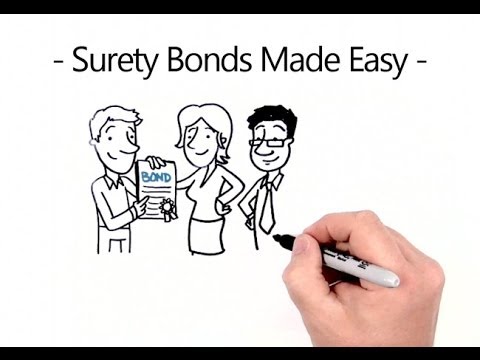
bookmark_borderSurety Bonds Made Easy

Navigating the world of surety bonds can seem complex, but understanding the fundamentals is crucial for contractors and business owners. This guide breaks down the essentials to help you secure the right bond for your needs.

What is a Surety Bond?

A surety bond is a three-party agreement that guarantees the performance of a contract or obligation. The three parties involved are the principal (the party required to perform), the obligee (the party receiving the obligation), and the surety (the company that guarantees the principal’s performance). It is a crucial risk management tool designed to protect project owners and ensure contractual completion. Unlike traditional insurance, which transfers risk to the insurer, a surety bond functions as a credit instrument that pre-qualifies the principal’s capability to fulfill the contract.

Types of Surety Bonds

There are many types of surety bonds, but they generally fall into three main categories: contract bonds, commercial bonds, and court bonds. Contract bonds are common in the construction industry, while commercial bonds are often required for licensing and permits. Understanding which category your project falls into is the first step. Misclassifying a bond can lead to an incorrect application and unnecessary delays in securing coverage.

For example, a contractor bidding on a public works project will typically need a bid bond, followed by performance and payment bonds upon award. The U.S. Small Business Administration provides resources on bonding programs for small businesses.

How to Get a Surety Bond

The process involves applying with a surety company or an authorized agent. You will need to provide detailed financial and business information. The surety will evaluate your application, which includes a review of your credit history, work experience, and financial strength. This underwriting process determines your premium rate and bonding capacity. A common mistake is assuming that a strong credit score alone will secure the lowest premium; however, sureties weigh a combination of liquidity, industry track record, and the specific risk profile of the job.

To streamline your application, ensure you have the following documentation organized:

  • Business and personal financial statements
  • Resumes detailing relevant experience
  • A detailed work portfolio or project history
  • Information on the specific bond requirement (e.g., obligee name, bond amount)

For contract bonds, be prepared to provide a signed copy of the underlying contract and a schedule of values. These documents allow the underwriter to assess the project’s scope and verify that your bid accurately reflects the cost of labor and materials.

Why Surety Bonds Matter

Surety bonds provide a vital layer of financial protection and project assurance. They ensure that projects are completed according to the terms of the contract and that subcontractors and suppliers are paid. For the obligee, it mitigates the risk of financial loss. For the principal, it enhances credibility and enables the pursuit of larger contracts that require bonding. Without a bond, a contractor can be disqualified from bidding on most government-funded projects, which limits growth opportunities.

bookmark_borderWhat Is A Surety Bond?

A surety bond is a three-party agreement that legally binds a principal, an obligee, and a surety. It guarantees that the principal will fulfill an obligation, such as performing a contract or meeting legal requirements. If the principal fails, the surety is financially responsible to the obligee for the losses incurred. This mechanism provides a critical safety net, ensuring projects are completed and regulations are adhered to, thereby protecting public funds and consumer interests.

Surety bonds are not insurance; they are a form of credit guarantee. While insurance protects the policyholder from unforeseen losses, a surety bond protects the obligee (the project owner or government entity) from the principal’s failure to perform. The principal remains fully liable to reimburse the surety for any claims paid out, including fees and legal costs. In practical terms, the surety acts as a co-signer on a performance obligation, not as an insurer of the principal’s business risks.

Common types of surety bonds include contract bonds, commercial bonds, and court bonds. Contract bonds are frequently used in the construction industry to guarantee project completion. Commercial bonds are often required by government agencies for licensing and permitting. Court bonds are used in judicial proceedings to protect against potential losses.

For businesses, securing a surety bond often involves an underwriting process where the surety assesses the principal’s creditworthiness, financial strength, and industry experience. This evaluation helps determine the bond premium and the likelihood of bond approval. A strong business track record and healthy finances are key to obtaining favorable bonding terms. Underwriters also closely review the principal’s working capital and liquidity, as these factors directly indicate the ability to absorb unexpected project costs without defaulting.

Understanding the specific bond requirements for your project or license is essential. Requirements can vary significantly by state, municipality, and industry. For authoritative information on federal bonding requirements, you can refer to resources provided by the U.S. Small Business Administration.

  • License and Permit Bonds: Required by government agencies to obtain a business license, ensuring compliance with local laws and regulations.
  • Payment Bonds: Guarantee that subcontractors and suppliers on a project will be paid, protecting them from non-payment by the general contractor.
  • Fidelity Bonds: Protect businesses from financial losses caused by fraudulent or dishonest acts committed by employees.
  • Bid Bonds: Provide financial assurance that a contractor will honor their bid and enter into the contract if selected.

When applying for a surety bond, a common mistake is assuming the premium is the only cost. In reality, the surety may require collateral for higher-risk applicants, and the principal is contractually obligated to indemnify the surety for any claim payments, which can include substantial legal defense costs. Reviewing the indemnity agreement carefully before signing is essential, as personal guarantees are often required from business owners.

The cost of a surety bond, known as the premium, is typically a small percentage of the total bond amount. This percentage is influenced by the applicant’s personal credit score, financial statements, and professional history. Maintaining good credit is one of the most effective ways to manage bonding costs over time.

In summary, surety bonds are a vital risk management tool that facilitates trust in business and regulatory relationships. They enable projects to move forward, licenses to be issued, and legal protections to be in place, all while ensuring accountability across various sectors of the economy.

bookmark_borderBond Insurance Requirements : Insurance Facts

Bond insurance is a specialized form of coverage that guarantees the performance of a contract or compliance with regulations. It is often required for projects in the construction, public works, and service sectors to protect project owners from financial loss. Understanding the specific requirements for your project is a critical first step in the procurement process.

What is a Bond Insurance Requirement?

A bond insurance requirement is a stipulation in a contract or regulation that mandates a party to obtain a surety bond. This bond acts as a three-party agreement between the principal (the party required to get the bond), the obligee (the party requiring the bond), and the surety (the insurance company backing the bond). The surety provides a financial guarantee to the obligee that the principal will fulfill their contractual or legal duties. For a comprehensive overview of surety bonds, you can refer to the U.S. Small Business Administration’s guide.

Common Types of Required Bonds

Several bond types are frequently mandated to mitigate risk across different industries. Bid bonds ensure a contractor will honor their bid and enter into a contract if awarded. Performance bonds protect the project owner from losses if the contractor fails to perform according to the contract terms. Payment bonds guarantee that subcontractors and suppliers will be paid, preventing liens against the project property.

Other common types include license and permit bonds, which are required by government agencies to ensure businesses comply with laws, and maintenance or warranty bonds that provide a guarantee for workmanship after project completion.

Who Needs Bond Insurance?

Contractors are the most common entities required to secure bond insurance, especially for public construction projects subject to regulations like the Miller Act. However, they are not the only ones. Many other professionals and businesses need bonds to operate legally and build client trust.

  • General contractors and subcontractors
  • Auto dealers (via dealer bonds)
  • Notaries public (via notary bonds)
  • Collection agencies and telemarketers
  • Freight brokers and other licensed professionals

How to Get Bond Insurance

The process begins with identifying the exact bond type and amount required by the contract or regulating body. Next, you must apply through a surety company or an authorized bond agent. The surety will conduct a thorough underwriting assessment, examining your personal and business financial statements, credit history, industry experience, and the project’s specifics. This evaluation determines your premium rate and bonding capacity. Strong financials and a solid track record are essential for favorable terms.

Before applying, gather your business tax returns, audited financial statements, and a current schedule of ongoing projects. Surety underwriters will cross-reference these documents against the bond amount requested, and discrepancies between reported revenue and bank statements are a common reason for application delays. For smaller contractors, be prepared to provide personal guarantees, as underwriters frequently require owners to personally indemnify the surety for the bond’s full value.

Key Factors Influencing Bond Approval

Surety companies carefully evaluate several key factors before issuing a bond. Your personal and business credit scores are significant indicators of financial responsibility. The company will also perform an in-depth review of your work history and professional references to assess your capability and reliability. A robust business plan and healthy cash flow demonstrate your ability to manage projects and financial obligations successfully. Underwriters place particular emphasis on your bank credit line availability, as this serves as a direct measure of liquidity during periods of operational strain.

bookmark_borderWhat are Municipal Bonds? | Fidelity

Municipal bonds, often called “munis,” are debt securities issued by state and local governments, as well as their agencies, to fund public projects. When you purchase a municipal bond, you are essentially lending money to the issuer in exchange for regular interest payments and the return of your principal at a specified maturity date.

One of the most significant advantages of municipal bonds is their tax treatment. The interest income earned from most municipal bonds is exempt from federal income taxes and, in many cases, state and local taxes if you reside in the state of issuance. This tax-advantaged status can make them a compelling component of an investment portfolio, particularly for investors in higher tax brackets.

There are two primary types of municipal bonds: general obligation bonds and revenue bonds. General obligation bonds are backed by the full faith and credit of the issuing municipality, which has the power to tax residents to repay bondholders. Revenue bonds are secured by the specific revenues generated by the project they finance, such as tolls from a highway or fees from a water treatment facility.

Like all investments, municipal bonds carry certain risks that investors should understand. Credit risk refers to the possibility that the issuer may default on its payments. Interest rate risk is the risk that rising market interest rates will cause the value of existing bonds to fall. It is also important to consider liquidity, as some bonds may be harder to sell quickly without a price concession.

Before investing, it is crucial to assess your own financial goals, risk tolerance, and tax situation. Municipal bonds can offer a relatively stable source of tax-advantaged income, but they are not suitable for every investor. Consulting with a financial advisor can help you determine if they align with your overall investment strategy.

Investors should be aware of the key factors that influence a municipal bond’s risk and return profile. These include the credit rating of the issuer, the bond’s maturity date, the structure of its interest payments (callable or non-callable), and the overall health of the regional economy supporting the issuer.

  • Credit Rating: Agencies like Moody’s and S&P assess the financial strength of bond issuers. Higher-rated bonds (e.g., AAA, AA) typically offer lower yields but carry less default risk.
  • Maturity: Bonds with longer maturities generally offer higher interest rates to compensate investors for the increased risk of interest rate fluctuations over time.
  • Call Provisions: Some bonds give the issuer the right to repay the bond before its maturity date, which can impact an investor’s expected income stream.
  • Economic Base: The economic diversity and growth prospects of the municipality can affect its ability to generate tax revenue or project income to meet its obligations.

When evaluating a municipal bond, investors often overlook the impact of the secondary market on pricing. Unlike stocks that trade continuously on exchanges, many munis trade over-the-counter, and bid-ask spreads can be wide for smaller issues. This means that selling a bond before maturity may result in a price that differs significantly from its stated value, especially if the issue is thinly traded or the market is volatile. A practical approach is to hold bonds to maturity whenever possible or to focus on larger, more actively traded issues to minimize transaction costs.

For more detailed information on public finance and municipal debt, you can refer to resources from the U.S. Securities and Exchange Commission.

bookmark_borderWhat is a Performance Bond and Payment Bond?

Performance bonds and payment bonds are two essential types of surety bonds used in the construction industry. They are often required on public projects and provide crucial financial protection for project owners and subcontractors.

What is a Performance Bond?

A performance bond is a guarantee that a contractor will complete a project according to the terms and conditions of the contract. If the contractor fails to perform or defaults, the surety company that issued the bond will step in to ensure the project is finished. This might involve arranging for a new contractor, providing financial compensation, or offering other remedies as defined in the bond agreement. This protection is vital for project owners, as it shields them from the significant financial losses and legal complications that can arise from contractor default. In practice, the surety will first attempt to cure the default by financing the original contractor to complete the work before invoking more disruptive remedies like rebidding the project.

What is a Payment Bond?

A payment bond guarantees that a contractor will pay their subcontractors, laborers, and material suppliers for the work performed and materials supplied on a project. If the contractor fails to make these payments, the claimants can file a claim against the bond to seek compensation. This ensures that those who contribute to a project’s completion are paid fairly and on time, which helps maintain a stable and ethical supply chain. Without this protection, subcontractors would have little recourse beyond mechanic’s liens, which are often unavailable on public projects.

Key Differences Between Performance and Payment Bonds

While both bonds are often issued together as a “bond pair,” they protect different parties. The performance bond primarily protects the project owner or the public entity funding the project. The payment bond protects the subcontractors and suppliers working beneath the primary contractor. Understanding this distinction is critical for all parties involved in a construction contract.

For contractors seeking to work on federal projects, it’s important to know that performance and payment bonds are mandated by the Miller Act for contracts exceeding $150,000. The Federal Acquisition Regulation (FAR) outlines these requirements in detail.

Why Are These Bonds Important?

These bonds mitigate risk for everyone involved. For project owners, they provide assurance that the project will be completed and that they won’t be liable for unpaid bills to subs and suppliers. For subcontractors and suppliers, payment bonds offer a secure payment mechanism beyond just the general contractor’s promise. This system of guarantees helps foster trust and enables larger, more complex projects to be undertaken with confidence.

When preparing to bid on a bonded project, contractors should ensure their financial and operational records are in order. Surety companies will typically conduct a thorough prequalification process that examines:

  • Financial Health: Detailed review of balance sheets, cash flow, and banking relationships.
  • Work History & Experience: Evaluation of past project performance, including timeliness and adherence to budget.
  • Industry Reputation: Assessment of references and history with previous clients and subcontractors.
  • Project-Specific Risk: Analysis of the current project’s scope, complexity, and contract terms.

A common mistake contractors make is waiting until they have a signed contract in hand before applying for bonding. Surety underwriting takes time, and a rushed application during the bid window can lead to unfavorable terms or missed deadlines. Establishing a relationship with a surety agent early, ideally before bidding season begins, allows for a smoother review process and gives the surety confidence in your forward-looking pipeline.

How to Obtain a Bond

Contractors obtain these bonds through a surety company or a bond producer. The process involves an application and underwriting review where the surety assesses the contractor’s financial strength, work history, and capacity to complete the project. It is not simply an insurance policy; it is a form of credit based on the contractor’s proven reliability. A surety bond is a three-party agreement, whereas insurance is a two-party contract, and this fundamental distinction shapes how claims are handled and how underwriting decisions are made.

bookmark_borderHow to Get Licensed and Bonded

Starting a contracting business requires more than just skill; it demands formal recognition of your professionalism and financial accountability. To operate legally and build trust with clients, obtaining the proper license and a surety bond is essential. This guide walks you through the key steps.

Why Being Licensed and Bonded Matters

Being licensed and bonded is not just a legal formality—it’s a powerful signal of your credibility and reliability. A license proves you have met your state’s mandatory standards for knowledge and competence. Meanwhile, a bond acts as a financial guarantee to your clients, protecting them if the job is not completed as per your contract. Together, they mitigate risk for the customer and set you apart from unregulated competitors.

Step 1: Research Your State Requirements

Licensing is regulated at the state level, and requirements vary significantly. Your first action should be to investigate the specific rules for your profession and location. For authoritative information, a good starting point is your state’s official licensing board or department of consumer affairs. For a broad overview of contractor licensing, you can refer to resources like Wikipedia’s entry on contractor licensing.

You will typically need to provide proof of experience, pass an exam, and submit an application with fees. Some common requirements across many states include:

  • Proof of a minimum number of years of hands-on experience in the trade.
  • Passing a comprehensive trade knowledge and business law examination.
  • Providing financial statements or proof of a minimum net worth.
  • Securing adequate general liability and workers’ compensation insurance.

Before you begin gathering paperwork, verify whether your local municipality imposes additional business-level requirements beyond the state’s jurisdiction. Many contractors complete their state license only to discover they also need a separate city permit, a local business tax certificate, or a zoning clearance. Failing to account for these overlapping layers is a leading cause of delayed project starts and avoidable compliance headaches.

Step 2: Apply for Your License

Once you understand the prerequisites, gather all necessary documentation. This often includes personal identification, proof of experience, financial records, and insurance certificates. Submit your complete application package to the appropriate state board and prepare for any required examinations. The process can take several weeks, so plan accordingly to avoid business delays.

Step 3: Obtain Your Surety Bond

A surety bond is a three-party agreement between you (the principal), your client (the obligee), and the bonding company (the surety). It guarantees your performance and adherence to codes and regulations. The required bond amount is usually set by the state licensing board. To get bonded, you will apply through a surety company or agency, which will evaluate your credit and business financials to determine your premium, which is a small percentage of the total bond amount.

Step 4: Maintain Your Credentials

Getting licensed and bonded is not a one-time task. You must renew your license periodically, which may involve completing continuing education courses. Your surety bond must also remain active; if a claim is paid out against it, you are legally obligated to reimburse the surety company. Staying current with these obligations is critical for maintaining your legal right to operate and your professional reputation.

Common Mistakes to Avoid

Many new contractors underestimate the time and detail required. A frequent error is submitting an incomplete application, which causes significant delays. Others mistakenly believe a bond is insurance for their business, when it actually protects the client. Finally, failing to renew credentials on time can lead to costly penalties and a suspension of your right to contract.

By methodically following these steps and avoiding common pitfalls, you establish a solid foundation for a reputable and legally compliant contracting business. The upfront investment in becoming properly licensed and bonded pays for itself through increased client trust and reduced personal liability.

bookmark_borderHCC Surety Group

HCC Surety Group is a leading provider of surety bonds for contractors and businesses across the United States. With decades of industry experience, our team possesses a deep understanding of the bonding requirements for projects of all sizes and complexities. We specialize in helping clients secure the necessary bonds to bid on and complete projects, ensuring they meet their contractual obligations and protect their financial interests.

Our expertise extends across a wide range of surety products, including contract bonds, commercial bonds, and license and permit bonds. We work closely with a network of top-rated surety markets to find the most competitive terms for our clients. This collaborative approach allows us to provide tailored solutions that address the specific risk profiles and financial needs of each business we serve.

Navigating the surety bond process can be complex, especially for new contractors or those undertaking larger projects. Our dedicated underwriters and agents guide clients through every step, from the initial application and financial review to the final issuance of the bond. We are committed to building long-term partnerships by providing reliable support and expert advice throughout the lifecycle of our clients’ projects.

For many businesses, understanding the different types of bonds and their purposes is the first step. Here is a brief overview of common bond categories:

  • Contract Bonds: Guarantee the performance and payment obligations of a contractor on a specific construction project, protecting the project owner.
  • Commercial Bonds: Required for various business operations, these can include court bonds, fiduciary bonds, and public official bonds.
  • License & Permit Bonds: Often mandated by government agencies, these bonds ensure businesses comply with local, state, or federal regulations and laws.

When preparing a bond application, underwriters will scrutinize your business’s working capital, credit history, and prior project performance. A common mistake contractors make is submitting incomplete financial statements, which delays the approval process and can jeopardize a bid deadline. Organizing your financial documents—including bank statements, tax returns, and an up-to-date schedule of ongoing projects—before you begin the application will significantly streamline the underwriting review.

Choosing the right surety partner is a critical business decision. HCC Surety Group stands out for our financial strength, market access, and unwavering commitment to client service. We empower businesses to grow with confidence, knowing their bonding needs are managed by a trusted advisor. For more detailed information on the surety industry and its function, you can refer to resources like the U.S. Small Business Administration website, which discusses bonding in the context of government contracting.

bookmark_borderWhat is a ERISA Surety Bond?

What is an ERISA Surety Bond?

An ERISA surety bond is a type of fiduciary bond required by the Employee Retirement Income Security Act of 1974. This federal law mandates that individuals who handle funds or property of an employee benefit plan must be bonded. The bond is a protective measure designed to safeguard the plan’s assets from potential losses due to fraudulent or dishonest acts by plan fiduciaries.

Unlike insurance, which protects the plan fiduciaries themselves, an ERISA bond specifically protects the employee benefit plan and its participants. It acts as a form of financial guarantee, ensuring that the plan can recover funds if a fiduciary commits fraud, theft, or other dishonest acts. This crucial distinction underscores the bond’s role in promoting accountability and securing retirement assets. In practice, the bonding requirement applies to any individual with physical or constructive access to plan assets, not just those with signature authority.

Who Needs an ERISA Bond?

The requirement applies to every person who “handles” plan funds or other property. This is a broad definition that typically includes plan administrators, officers, trustees, and anyone with the ability to transfer, disburse, or otherwise exercise control over plan assets. Even if a third-party service provider has access to plan funds, they may need to be bonded.

There are limited exceptions, but they are narrow. For example, certain entities like banks or insurance companies that are already subject to state or federal regulation may be exempt, but specific conditions apply. It is essential to consult the official regulations or a compliance expert to determine if an exception is valid for your situation. For detailed regulatory guidance, you can refer to the U.S. Department of Labor’s website.

How Much Coverage is Required?

The minimum bond amount is 10% of the plan funds handled, with a minimum of $1,000 per plan. There is also a maximum requirement, which is currently set at $500,000 per plan. However, for plans that hold employer securities, the maximum required amount increases to $1,000,000.

It’s important to note that the bond amount must be adjusted annually if the value of the plan assets increases. Failing to maintain adequate bonding coverage can result in significant penalties from the Department of Labor. A common oversight occurs when plans add new service providers mid-year or when a plan trustee changes, both of which can trigger a re-evaluation of the required bond amount.

Key Steps to Obtain an ERISA Bond

  • Determine the Required Amount: Calculate 10% of the plan assets handled as of the beginning of the plan year, ensuring it falls within the $1,000 minimum and applicable maximum.
  • Contact a Reputable Surety Provider: Work with a surety company or agency experienced in issuing fiduciary bonds, as they understand the specific ERISA requirements.
  • Complete the Application: Provide details about the plan, the fiduciaries to be bonded, and the plan’s financials. The surety will assess the risk before issuing the bond.
  • File and Maintain Documentation: Once obtained, the bond must be filed with the plan records. It must be renewed annually and adjusted if plan assets grow significantly.

When applying, be prepared to disclose any prior claims against the plan or its fiduciaries. Surety providers will underwrite the bond based on the creditworthiness and history of the individuals being bonded, and a prior fraud claim can complicate approval. Most standard ERISA bonds are issued without a credit check for small plans, but larger plans may face additional scrutiny.

Consequences of Non-Compliance

Failing to secure the required ERISA bond is a serious violation. The Department of Labor can impose civil penalties on the plan fiduciaries personally. Furthermore, being unbonded exposes the plan and its participants to direct financial risk if mismanagement occurs. Maintaining an active and sufficient bond is a fundamental fiduciary duty.

In summary, an ERISA surety bond is a non-negotiable compliance requirement for most employee benefit plans. It serves as a critical line of defense, protecting the hard-earned retirement savings of employees from the risk of fiduciary dishonesty. Plan sponsors and administrators must prioritize obtaining and maintaining the correct bond to ensure both legal compliance and the financial security of the plan.

bookmark_borderSpelling Bee Words and Definitions — Surety

Welcome to our series on spelling bee words and definitions. Today, we focus on the word surety.

Definition of Surety

Surety is a noun with a few related meanings. Primarily, it refers to a formal promise or guarantee, often one that assumes financial responsibility for another’s debt or obligation. It can also mean the state of being sure or certain, and in legal contexts, it refers to a person who takes on such a promise. In commercial practice, the party providing the surety is typically a specialized bonding company, not an individual, and the guarantee is formalized through a written contract.

Examples of Surety in a Sentence

Using a word in context helps solidify its meaning. Here are a few example sentences:

  • The contractor was required to provide a financial surety before beginning the public works project.
  • She had the surety of someone who had thoroughly prepared for the examination.
  • He acted as a surety for his brother’s loan, agreeing to repay the bank if necessary.

Origin and History

The word surety entered English in the 14th century. It comes from the Old French seurte, which itself derives from the Latin securitas, meaning security or freedom from care. This etymological journey from Latin, through French, and into English is common for many legal and financial terms we use today. The legal usage of the term became firmly established in English common law, where it has been a cornerstone of contractual obligations for centuries.

Related Terms and Concepts

Understanding surety is easier when you know related terms. A surety bond is a common three-party contract where the surety guarantees an obligor’s performance to an obligee. This is a cornerstone of many construction and service agreements. The concept is distinct from insurance, as it involves a credit-based guarantee of performance rather than just risk indemnification. When a claim occurs on a surety bond, the surety must pay the obligee but then has the legal right to seek reimbursement from the principal, a recovery mechanism that does not exist in traditional insurance.

For a deeper understanding of the legal and financial framework, you can explore the U.S. Department of the Treasury’s page on surety bonds.

Tips for Remembering the Word

To remember the spelling and meaning of surety, link it to the more familiar word “sure.” Think of the “-ty” ending as signifying a noun form, turning the adjective “sure” into the concept of a guarantee or certainty. Breaking it into syllables (sure-ty) can also aid in spelling. A common spelling pitfall is adding an extra “i” after the “e” (writing “sureity”), so focus on the straightforward progression from “sure” to “surety.”

Mastering terms like “surety” not only aids in spelling competitions but also builds a stronger vocabulary for professional and academic writing. To effectively study such words, consider these focused strategies:

  • Contextual Learning: Always write your own original sentence using the new word.
  • Root Analysis: Break the word into its root, prefix, or suffix to understand its structure (e.g., connecting “surety” to “sure” and the noun-forming “-ty”).
  • Regular Review: Use flashcards or a digital app to schedule spaced repetition of challenging vocabulary.
  • Practical Application: When studying a term like “surety,” look up a real surety bond form or court ruling that uses the word to see how it functions in an actual legal document, which reinforces both spelling and meaning through authentic exposure.

bookmark_borderHow Much Does A Surety Bond Cost?

If you need a surety bond for your business, one of the first questions you likely have is, “How much will it cost?” The price of a surety bond is not a fixed number; it varies based on several key factors. Understanding these factors can help you budget accurately and secure the best possible rate for your financial guarantee. Because the premium is a percentage of the total bond amount, even a small difference in your rate can translate into significant annual savings or expenses.

What Is a Surety Bond?

A surety bond is a three-party agreement that guarantees compliance with laws, regulations, or terms of a contract. The three parties are the principal (you or your business who needs the bond), the obligee (the entity requiring the bond, often a government agency), and the surety (the company that underwrites and issues the bond). If the principal fails to meet their obligations, the surety provides financial compensation to the obligee, but the principal is always legally responsible for repaying the surety for any claims paid. This distinction is critical: a surety bond is not an insurance policy for you; it is a credit extension that ultimately must be repaid.

Key Factors That Determine Your Surety Bond Cost

The cost you pay for a surety bond is called the premium. This premium is typically a small percentage of the total bond amount, which is the maximum coverage the bond provides. The surety assesses your risk level to determine your exact rate. Here are the primary factors that influence your surety bond cost:

  • Bond Type and Required Amount: Different bonds have different risk profiles. A license bond for a contractor might be a $15,000 bond, while a large contract performance bond could be for $1 million or more. The required bond amount is set by the obligee.
  • Your Personal Credit Score: For many standard commercial bonds, your personal credit history is a significant rating factor. Strong credit suggests financial responsibility and typically qualifies you for the lowest premium rates.
  • Industry Experience and Financial Statements: For larger contract bonds, sureties will closely examine your company’s track record, work history, and financial health, including balance sheets and income statements.
  • Claim History: If you or your business has had past claims on surety bonds, it signals higher risk to the surety company and will likely increase your premium cost.

For businesses or individuals with complex financial situations or those seeking large contract bonds, the underwriting process is more rigorous. The surety will conduct a thorough review of your business operations, assets, and liabilities before issuing a quote. This detailed evaluation helps the surety accurately price the risk they are assuming by guaranteeing your performance. In practice, a single missed payment on a business line of credit or a recent tax lien can delay approval by several weeks, so it is wise to address any outstanding financial issues before submitting your application.

Typical Surety Bond Premium Ranges

While rates vary, most applicants with good credit can expect to pay between 1% and 3% of the total bond amount per year. For example, a $10,000 bond with a 2% premium would cost $200 annually. Applicants with lower credit scores or higher-risk applications may see rates from 3% up to 10% or more. It’s important to get a personalized quote from a surety bond specialist, as they can shop your application to multiple surety companies to find you the most competitive rate.

To navigate the bonding process effectively, consider these steps:

  1. Determine the exact bond type and amount required by the obligee (e.g., state agency, project owner).
  2. Gather necessary documentation, which may include a bond application, personal and business financial statements, and relevant licenses.
  3. Apply with a reputable surety bond agency that has access to multiple markets to compare rates on your behalf.

How to Get the Best Surety Bond Rate

Improving your credit score is one of the most effective ways to lower your bond cost over time. Paying bills on time, reducing debt, and correcting errors on your credit report can make a significant difference. Furthermore, working with an experienced surety bond producer who understands the underwriting criteria of various companies can help you present your application in the best possible light. They can advocate for you and often secure more favorable terms than if you applied directly.

Conclusion

The cost of a surety bond is a variable expense influenced by your personal financial strength, business history, and the specific bond requirements. By understanding the factors that sureties evaluate and taking proactive steps to improve your financial standing, you can secure the necessary bond coverage at a manageable cost, ensuring your business meets its legal and contractual obligations. For official information on bonding requirements for federal contracts, you can refer to the U.S. Small Business Administration website.

bookmark_borderBid Bonds

A bid bond is a type of surety bond that guarantees a contractor will enter into a contract and provide the required performance and payment bonds if they are awarded the project. It protects the project owner from financial loss if the winning bidder fails to honor their bid. This assurance is crucial for maintaining the integrity and financial stability of the procurement process.

When a contractor submits a bid bond, they are making a serious commitment. The bond ensures they will sign the contract at their bid price. Without it, a bidder could withdraw without consequence, causing delays and increased costs for the project owner. This financial instrument acts as a safeguard, ensuring only qualified and serious contractors participate.

The process of obtaining a bid bond involves a surety company evaluating the contractor’s financial strength, work history, and capacity to complete the project. This underwriting process is rigorous because the surety is taking on risk. If the contractor defaults, the surety may be required to pay the bond penalty to the project owner.

For public construction projects in the United States, bid bonds are often a mandatory requirement. The Federal Acquisition Regulation (FAR) outlines bonding requirements for federal contracts, establishing a standard practice that is widely mirrored in state and municipal projects. This ensures taxpayer funds are protected during the bidding phase.

If a contractor is awarded the project but refuses to sign the contract, the project owner can make a claim on the bid bond. The surety will then investigate the claim. If it is valid, the surety will compensate the owner for the difference between the defaulted bid and the next lowest responsible bid, up to the bond’s penalty amount. This claim process is typically initiated in writing, and the surety must respond within the timeframe specified in the bond agreement to determine the validity of the claim.

Understanding the key requirements and implications of a bid bond is essential for both contractors and project owners. For contractors, securing a bond is a demonstration of credibility and financial health. For project owners, it is a critical tool for risk management that helps ensure project timelines and budgets are adhered to from the outset. A common mistake contractors make is assuming that a line of credit or a strong reputation alone will suffice; however, sureties assess liquidity, current work backlog, and past performance on similar-sized projects before issuing a bond.

  • Proof of Financial Responsibility: Demonstrates the contractor has the backing of a surety company.
  • Bid Seriousness Guarantee: Ensures the bidder intends to enter the contract if selected.
  • Project Owner Protection: Provides financial recourse if the winning bidder defaults.
  • Process Integrity: Helps maintain a fair and competitive bidding environment.

In summary, a bid bond is a fundamental component of the construction bidding process. It provides security and promotes fair competition, benefiting all parties involved in a project.

bookmark_borderInvesting Basics: Bonds

What Are Bonds?

When you buy a bond, you are essentially lending money to the issuer. In return, the issuer promises to pay you a specified rate of interest during the life of the bond and to repay the face value of the bond (the principal) when it “matures,” or comes due after a set period. This makes bonds a cornerstone of fixed-income investing, providing a predictable stream of returns in exchange for capital. Because the payment schedule is established in advance, bonds can serve as a reliable mechanism for preserving capital while generating income.

Types of Bonds

There are several main categories of bonds, each with distinct characteristics and risk profiles. Your choice among them should align with your specific investment objectives and your capacity to withstand potential volatility.

Government Bonds

These are issued by national governments and are generally considered among the safest investments, particularly those from stable countries. For example, U.S. Treasury bonds are backed by the full faith and credit of the federal government. You can learn more about these securities directly from the source at the U.S. Treasury Department website. This direct backing makes them a common benchmark for risk-free returns in financial modeling.

Municipal Bonds

Municipal bonds are issued by states, cities, counties, and other local government entities to fund public projects like schools, highways, and infrastructure. The interest earned is often exempt from federal income tax and, in some cases, state and local taxes. This tax advantage can make them particularly attractive to investors in higher tax brackets, effectively boosting their after-tax return relative to comparable taxable bonds.

Corporate Bonds

Companies issue corporate bonds to raise capital for expansion, operations, or acquisitions. They typically offer higher interest rates than government bonds to compensate investors for the greater risk that the company could default on its payments. Credit ratings from agencies like Moody’s or S&P provide a useful starting point for gauging that default risk, but investors should also review the issuer’s financial statements to understand its debt load and cash flow stability.

Key Bond Investment Terms

Understanding the following terms is crucial for evaluating any bond investment:

  • Face Value (Par Value): The amount the bond will be worth at maturity and the reference amount used when calculating interest payments.
  • Coupon Rate: The annual interest rate paid on the bond’s face value, usually distributed in semi-annual payments.
  • Maturity Date: The future date on which the bond’s principal amount is scheduled to be repaid to the investor in full.
  • Yield: A measure of the annual return on a bond, which considers both its interest payments and its current market price, providing a more comprehensive picture than the coupon rate alone.
  • Call Provision: A feature that allows the issuer to repurchase the bond before its maturity date, often when interest rates have fallen. This can cap your total return and force you to reinvest at lower prevailing rates, so it is essential to check whether a bond is callable before purchasing it in a declining rate environment.

Risks of Bond Investing

While often considered safer than stocks, bonds are not without risk. Interest rate risk is a primary concern; when market interest rates rise, the prices of existing bonds typically fall. Credit risk, or the chance that the bond issuer will default and fail to make payments, varies significantly between a stable government treasury and a high-yield corporate bond. Additionally, inflation can erode the purchasing power of a bond’s future interest and principal payments. For long-dated bonds, inflation risk compounds over time, which is why many investors allocate a portion of their fixed-income holdings to Treasury Inflation-Protected Securities (TIPS) to hedge against unexpected price increases.

Before investing, it’s essential to assess your own financial goals, time horizon, and risk tolerance. A well-constructed portfolio often uses bonds to provide stability and income, balancing the potential for higher growth from other asset classes like equities. Diversifying across different issuers, sectors, and maturities can also reduce the impact of any single bond defaulting or underperforming.

bookmark_borderTerm and whole life insurance policies

When planning your financial future, understanding the difference between term and whole life insurance is crucial. Both serve the fundamental purpose of providing a death benefit to your beneficiaries, but they are structured very differently to meet distinct financial goals and timelines.

What is Term Life Insurance?

Term life insurance provides coverage for a specific period, or “term,” such as 10, 20, or 30 years. It is often chosen for its affordability and simplicity. If the policyholder passes away during the term, the death benefit is paid out to the beneficiaries. If the term expires and the policyholder is still living, the coverage typically ends unless the policy is renewed or converted, often at a higher cost. This makes it an excellent tool for covering temporary needs, like a mortgage or dependent children’s education.

What is Whole Life Insurance?

Whole life insurance provides lifelong coverage, as long as premiums are paid. A key feature is the cash value component, which grows at a guaranteed rate over time and can be borrowed against. This type of policy is more complex and has higher premiums than term life. It is designed for permanent needs, such as estate planning or leaving a legacy, and functions as a long-term financial asset. For a detailed overview of its regulatory and structural framework, you can refer to the California Department of Insurance.

Key Differences at a Glance

The primary distinction lies in the duration and the financial structure. Term life is temporary and pure protection, while whole life is permanent and includes an investment-like savings element. This fundamental difference influences the cost, flexibility, and long-term utility of each policy type.

Duration of Coverage

Term life insurance offers protection for a set number of years, aligning with specific financial responsibilities. Whole life insurance, in contrast, guarantees coverage for your entire lifetime, provided premiums are maintained, offering certainty for final expenses and estate obligations.

Cost Comparison

Term life insurance premiums are generally significantly lower than whole life premiums for the same initial death benefit. This is because term policies lack a cash value component and the insurer’s risk is limited to the term period. Whole life premiums are higher but remain level, and part of the premium contributes to the policy’s growing cash value.

Cash Value and Investment Component

Only whole life insurance includes a cash value account. This savings element accumulates on a tax-deferred basis and can be a source of funds through policy loans or withdrawals. Term life has no such feature; it is solely a death benefit.

Which Policy is Right for You?

Choosing between term and whole life depends on your individual financial situation, goals, and stage of life. Consider the following key factors to guide your decision:

  • Financial Obligations: Term life is often ideal for covering time-bound debts like a mortgage or loans.
  • Dependents: If you have young children or other dependents, term coverage can secure their needs until they are financially independent.
  • Long-Term Wealth Goals: Whole life can play a role in estate planning, business succession, or creating a guaranteed legacy.
  • Budget: Assess the affordability of level, lifelong whole life premiums versus the lower initial cost of term coverage.

One practical point to keep in mind: when comparing quotes, always examine the policy’s renewal and conversion provisions. Many term policies allow conversion to a permanent policy without a medical exam, but this option typically expires at a certain age or after a set number of years. If you miss that window, you may be locked out of converting even if your health has declined. Additionally, whole life policies often pay dividends if issued by a mutual company, but those dividends are not guaranteed and should not be the sole reason for purchasing a policy.

For most people, a combination of both policies can effectively address both temporary and permanent needs. Consulting with a qualified financial advisor is highly recommended to analyze your specific circumstances. They can help you determine the appropriate coverage amount and policy type to integrate seamlessly into your overall financial plan.

bookmark_borderIntro to Insurance: Property and Casualty Insurance

Property and Casualty (P&C) insurance is a broad category of coverage that protects individuals and businesses from financial loss. It encompasses two main types: property insurance, which covers damage to or loss of physical assets, and casualty insurance, which provides liability coverage for legal responsibilities towards others.

For a business, a robust P&C policy is not just a safety net; it is a fundamental component of operational risk management and financial stability. Common commercial policies include Commercial Property, General Liability, Workers’ Compensation, and Commercial Auto insurance.

When selecting a P&C policy, it’s crucial to conduct a thorough assessment of your specific risks. This involves evaluating your assets, operational activities, and potential liability exposures. A qualified insurance broker can be invaluable in this process, helping you navigate complex policy language and ensuring you obtain appropriate coverage limits without unnecessary gaps.

Understanding the key components of a policy is essential for making an informed decision. Here are the primary elements to review:

  • Declarations Page: Summarizes the policyholder, insured property, coverage periods, limits, and premiums.
  • Insuring Agreement: The core of the contract, outlining what the insurer promises to cover and the associated obligations.
  • Exclusions: Specific situations, perils, or types of damage that are not covered by the policy.
  • Conditions: The rules, duties, and procedures that both the insurer and policyholder must follow, such as how to file a claim.

Premiums for P&C insurance are calculated based on the perceived risk. Insurers evaluate factors like the value of the insured property, the business’s claims history, its location, and the industry in which it operates. Implementing strong safety and loss prevention programs can often lead to more favorable premium rates over time.

One practical step that many businesses overlook is conducting an annual review of your policy’s coverage limits against current replacement costs. Inflation and supply chain disruptions can cause the value of equipment and inventory to rise significantly, leaving you underinsured if you only rely on the original purchase price. Additionally, be aware that standard policies often exclude certain perils like flood or earthquake, so you may need separate endorsements or standalone policies to close those gaps. A periodic audit of your exposures ensures that your coverage evolves alongside your operations.

In the event of a loss, promptly notifying your insurer and providing detailed documentation is critical for a smooth claims process. Maintaining an up-to-date inventory of business property, supported by photos or videos, can significantly expedite claims settlement. For more detailed information on insurance fundamentals, you can refer to resources from the Insurance Information Institute.

bookmark_borderThe New A 24 Hour Bonding Company

When you or a loved one is arrested, the process of securing release can be confusing and stressful, especially outside of standard business hours. A 24-hour bail bonds company provides a critical service by making bail bonds accessible at any time of day or night. This immediate availability is essential for minimizing time spent in custody and allowing individuals to return to their families and begin preparing their defense.

Unlike traditional agencies that close in the evening, a 24-hour bonding service operates continuously. This means you can get help whether it’s midnight, a weekend, or a holiday. The process is designed to be as swift and straightforward as possible, with agents ready to guide you through the necessary paperwork and financial arrangements without delay.

Choosing a reputable 24-hour bail bonds service requires careful consideration. You should verify the company’s licensing to ensure they are authorized to operate in your state. It is also wise to seek a service that offers clear, upfront explanations of all fees and payment plans, avoiding any hidden costs. Finally, prioritize companies known for their professional and discreet handling of sensitive situations.

For individuals unfamiliar with the legal system, the concept of bail can be particularly daunting. Bail is a financial guarantee made to the court to ensure the defendant returns for all required hearings. When this amount is set too high for someone to pay in full, a bail bonds company posts a bond on their behalf for a non-refundable premium, typically a percentage of the total bail amount. This system is a cornerstone of the U.S. judicial process, designed to uphold the principle that individuals are innocent until proven guilty while ensuring court appearances. You can learn more about the legal foundations of this system from the United States Courts website.

When you contact a 24-hour service, be prepared to provide specific information to expedite the process. This typically includes:

  • The full legal name and booking number of the detained individual.
  • The name and location of the jail or detention facility.
  • The exact bail amount set by the court.
  • Your own contact information and details for the co-signer.

A common mistake people make in a panic is calling the first number they find without confirming the agent is actually available to meet at the facility. A true 24-hour operation will dispatch a local agent to the jail promptly, not just answer a phone line. Before you commit, ask for the agent’s direct line and confirm they are physically on call for immediate posting, as delays often occur when an out-of-state call center must transfer your information to a local affiliate.

Facing an arrest is a challenging experience, but you don’t have to navigate it alone. A reliable 24-hour bail bonds company acts as your advocate during this difficult time, providing not just financial assistance but also crucial guidance. Their around-the-clock support ensures that the path to release is never blocked by the clock, offering peace of mind and a faster return to normalcy so you can focus on your legal strategy.

bookmark_borderWhat are surety bonds?

A surety bond is a three-party agreement that legally binds a principal, an obligee, and a surety. It guarantees that the principal will fulfill an obligation, such as performing a contract or meeting legal requirements. If the principal fails, the surety company steps in to provide financial compensation or arrange for the obligation to be completed.

This system protects the obligee—often a project owner or government entity—from financial loss. It also provides a mechanism for recourse that is more efficient than traditional litigation. For the principal, securing a bond serves as a tangible demonstration of financial stability and professional credibility, which can be a decisive factor when competing for new business opportunities.

How do surety bonds work?

The process begins when an obligee requires a principal to obtain a bond. The principal then applies to a surety company, which rigorously evaluates the principal’s creditworthiness, financial statements, and industry experience before underwriting the bond. Upon approval, the surety issues the bond to the obligee, guaranteeing the principal’s performance.

If the principal defaults, the obligee can file a claim against the bond. The surety will investigate the claim’s validity. If it is substantiated, the surety will pay compensation up to the bond’s penal sum. Critically, the principal is always legally obligated to reimburse the surety for any losses or payouts incurred, which is a fundamental distinction from traditional insurance. This indemnity agreement means the surety acts as a credit extension rather than a risk-transfer mechanism, which is why underwriting standards are so stringent.

Types of surety bonds

Surety bonds fall into two primary categories: contract bonds and commercial bonds. Contract bonds guarantee the performance of a contractor according to the terms of a construction or service contract. Commercial bonds, also known as license and permit bonds, are often required by government agencies to ensure businesses comply with laws and regulations.

Common examples include bid bonds, performance bonds, and payment bonds for contractors. On the commercial side, common types are license bonds for motor vehicle dealers or notaries public. The specific requirements are typically mandated by state or federal law to protect public interests.

Why are surety bonds important?

Surety bonds play a critical role in managing risk and fostering trust in commercial and public sectors. They provide a vital safety net for project owners and taxpayers by ensuring that contracted work is completed and that businesses operate ethically. For more detailed information on federal bonding requirements, you can refer to the U.S. Small Business Administration website.

They enable smaller contractors to compete for larger projects by vouching for their capability. The rigorous underwriting process acts as a pre-qualification, signaling to obligees that the bonded principal is a trustworthy and viable entity. This system helps maintain standards and accountability across many industries.

One practical consideration when obtaining a bond is the difference between aggregate and per-occurrence limits. A contractor who secures a bond with an aggregate limit that is too low may find themselves underinsured after filing just one substantial claim, leaving them unable to bid on subsequent projects. Additionally, principals should be aware that bond premiums are typically non-refundable, even if the bond is never used, so it is wise to compare rates across multiple sureties before committing.

When selecting a surety bond provider, consider the following key factors to ensure you receive reliable service and appropriate coverage:

  • Financial Strength: Choose a surety with high ratings from agencies like A.M. Best, indicating stability and the capacity to pay claims.
  • Industry Expertise: Look for a provider with deep experience in your specific sector, whether it’s construction, transportation, or licensing.
  • Claims Process: Understand the surety’s claims handling procedure—efficient and fair resolution is crucial if a dispute arises.
  • Customer Support: Ensure they offer accessible and knowledgeable support to guide you through the bonding process and answer questions.

bookmark_borderWhat is Indemnity?

Indemnity is a contractual agreement where one party agrees to compensate another for any losses or damages incurred. This concept is a cornerstone of risk management, ensuring that a business or individual is not left financially responsible for specific, predefined events. It is a key component in many professional contracts, particularly in industries like construction, consulting, and insurance.

How Does Indemnity Work?

In practice, an indemnity clause outlines the specific scenarios where compensation is required. For example, a contractor might indemnify a client against any third-party injury claims that occur on a worksite. The party providing the indemnity (the indemnifier) assumes the liability, thereby shielding the indemnified party from direct financial harm. This transfer of risk is fundamental to fostering secure business partnerships and enabling project execution to proceed with clear accountability.

Types of Indemnity Clauses

Not all indemnity agreements are the same. The scope of protection can vary significantly.

  • Broad Form: This offers the most extensive protection, where Party A indemnifies Party B for losses arising from the project, even if caused solely by Party B’s negligence.
  • Intermediate Form: Party A indemnifies Party B for losses caused in whole or in part by Party A’s acts or omissions. This is a common middle-ground approach.
  • Limited Form: This offers the narrowest protection, where Party A only indemnifies Party B for losses or damages caused solely by Party A’s negligence.

Understanding the type of clause in your contract is critical, as it dictates who bears the financial risk under different circumstances. It is advisable to consult with a legal professional before signing any agreement containing indemnity language.

A frequent point of contention arises when the indemnifying party’s insurance policy does not align with the contractual indemnity obligations. For instance, a standard general liability policy may exclude coverage for liabilities assumed under contract, leaving the indemnifier personally exposed. Before finalizing any agreement, verify that your insurance program includes contractual liability coverage that matches the scope of the indemnity clause you are signing.

Why is Indemnity Important?

Indemnity clauses are vital for allocating risk in business relationships. They provide a clear, pre-agreed mechanism for handling potential losses, which can prevent costly and time-consuming disputes later. For the party being indemnified, it offers significant financial security and peace of mind. For the indemnifier, it clearly defines their potential liabilities, allowing for accurate risk assessment and appropriate insurance coverage. This clarity helps all parties enter agreements with a better understanding of their potential exposures and responsibilities.

When negotiating contracts, pay close attention to indemnity provisions. Key elements to scrutinize include the specific activities or events covered, any financial caps or limits on liability, the procedures for notifying the indemnifier of a claim, and the duration of the indemnity obligation. Ensuring these terms are fair and clearly defined is a crucial step in protecting your business interests.

bookmark_borderWhat is a Performance Bond? How Do Performance Bonds Work?

What is a Performance Bond?

A performance bond is a type of surety bond issued by a bank or an insurance company to guarantee satisfactory completion of a project by a contractor. It provides a financial safety net for the project owner, also known as the obligee, ensuring they are compensated if the contractor fails to fulfill the contract’s terms. This instrument is a critical risk management tool in construction and large-scale projects, protecting the obligee from financial loss and project delays. The bond effectively shifts the risk of contractor non-performance from the project owner to a financially qualified third party, which is why it is a standard requirement in most commercial and public sector construction contracts.

How Do Performance Bonds Work?

The process involves three primary parties: the principal (the contractor), the obligee (the project owner), and the surety (the bond issuer). The contractor purchases the bond from the surety as a guarantee of their performance. If the contractor defaults or fails to meet the contractual obligations, the project owner can make a claim against the bond to recover financial losses or to cover the cost of hiring a replacement contractor.

The surety company will then investigate the claim. If it is valid, the surety will pay compensation up to the bond’s full amount. However, the contractor is ultimately liable to reimburse the surety for any claims paid out, making this a secured form of credit rather than traditional insurance. In practice, the surety does not simply write a check; it will first explore options to help the contractor cure the default, such as providing technical assistance or financing, before triggering a formal claim payout.

For a claim to be successful, the obligee must typically demonstrate a clear breach of the contract terms by the principal. Common grounds for a claim include failure to complete the project on time, substandard work that does not meet specifications, or abandonment of the project altogether. It is also worth noting that the obligee must provide proper notice of default to both the contractor and the surety within the timeframe specified in the bond document; failing to do so can invalidate the claim even when the breach is evident.

  • The project owner (obligee) requires a bond in the contract.
  • The contractor (principal) applies for the bond from a surety company.
  • The surety assesses the contractor’s financial health, track record, and project feasibility before underwriting the bond.
  • Upon approval, the bond is issued to the obligee as a guarantee.
  • If the contractor defaults, the obligee files a claim with the surety.
  • The surety investigates and, if valid, compensates the obligee.
  • The contractor is legally obligated to repay the surety for any claims paid.

One practical detail contractors often overlook is that the surety’s underwriting process is far more rigorous than obtaining a standard loan. The surety evaluates not only the contractor’s current financial statements but also their historical performance on similar projects, their equipment capacity, and even their key personnel’s experience. A contractor with excellent revenue but a history of litigation or delayed projects will find it difficult to secure a bond, regardless of their bank balance. Additionally, the cost of a bond—typically 1% to 3% of the contract value—is not refundable, so contractors should factor this expense directly into their bid pricing from the outset.

Performance Bond vs. Payment Bond

It’s important to distinguish a performance bond from a payment bond. While a performance bond ensures the project is completed according to the contract, a payment bond guarantees that the contractor will pay for labor, materials, and subcontractors. Often, project owners require both bonds to ensure comprehensive protection. For more detailed definitions, you can refer to resources like the U.S. Small Business Administration which outlines bonding requirements for federal contracts. The distinction matters because a subcontractor or material supplier cannot file a claim against a performance bond—they must rely on the payment bond for their protection, which is a common source of confusion in the industry.

Who Needs a Performance Bond?

Performance bonds are most common in public construction projects, as laws often require them for any public work beyond a certain value. They are also frequently used in large private construction projects, major IT implementations, and other significant contracts where project failure would result in substantial financial harm to the owner. Contractors working as subcontractors on bonded projects may also need to provide their own bonds to the general contractor, a requirement that is often stipulated in the subcontract agreement but frequently surprises smaller firms unfamiliar with surety requirements.

bookmark_borderWhat is a Fidelity Bond?

A fidelity bond is a form of insurance protection that covers policyholders for losses incurred as a result of fraudulent acts by specified individuals. It is most commonly used by businesses to protect against dishonest acts by employees, such as theft, forgery, or embezzlement. While it functions like insurance, it is technically a surety bond, which involves a three-party agreement between the insured party, the insurer, and the obligee requiring the bond.

Fidelity bonds are a critical risk management tool for organizations of all sizes. They provide a financial safety net that can help a company recover from internal fraud, which can be devastating both financially and to workplace morale. Many industries and professional standards consider them a best practice for financial safeguards.

How Does a Fidelity Bond Work?

When a business purchases a fidelity bond, it enters into a contract with a surety company. The surety company agrees to compensate the business (the insured) for covered losses up to the bond’s limit. If a claim is filed and validated, the surety will pay the business. The business is then typically responsible for reimbursing the surety for the amount paid out, unless the bond is written on a “non-reimbursement” basis.

It is important to understand that these bonds are not a substitute for thorough hiring practices and internal financial controls. They are a last line of defense. Proactive measures like background checks, audit procedures, and separation of financial duties are essential to prevent fraud in the first place.

When filing a claim, the documentation burden often surprises policyholders. Insurers typically require a detailed accounting of the loss, police reports when applicable, and evidence that the fraudulent act was committed by a named covered individual. Claims involving embezzlement frequently take months to resolve because the surety will conduct its own independent investigation, and any ambiguity about whether the loss falls within the bond’s specific definitions can delay or reduce payout. A common pitfall is assuming a blanket bond covers all employee misconduct, when in reality most policies exclude acts like simple negligence or unauthorized personal use of company resources.

Types of Fidelity Bonds

There are several primary types of fidelity bonds, each designed for different situations:

  • Business Services Bonds: These protect clients of a business (like a cleaning service or home healthcare provider) if an employee steals from the client’s property.
  • ERISA Bonds: Required by the Employee Retirement Income Security Act for anyone who handles funds or property of an employee benefit plan. This bond specifically protects the plan’s participants and beneficiaries.
  • Financial Institution Bonds: Also known as Financial Institution Blanket Bonds, these are designed for banks, credit unions, and similar entities to cover a wide range of fraudulent acts, including robbery, computer fraud, and counterfeit currency.

For businesses that manage employee retirement plans, understanding the specific requirements for an ERISA bond is crucial. The U.S. Department of Labor provides detailed guidelines on coverage amounts and who must be bonded.

Who Needs a Fidelity Bond?

Any business that has employees handling money, sensitive data, or valuable property should seriously consider a fidelity bond. They are particularly vital for companies in finance, accounting, payroll services, and those administering employee benefit plans. Furthermore, many client contracts, especially in government or large corporate projects, now require proof of a fidelity bond as a condition of doing business.

Obtaining a bond generally involves an application process where the surety assesses the company’s risk. Factors like the number of employees, internal controls, industry, and claims history will influence the premium cost and the bond’s terms. A strong operational history and robust internal procedures can lead to more favorable bonding conditions. Premiums for most fidelity bonds are relatively modest compared to the potential exposure, often ranging from a few hundred to a few thousand dollars annually depending on coverage limits and risk profile.

bookmark_borderGet Your Contractor’s License – Business Tip #1

Securing a contractor’s license is the most critical first step for establishing a legitimate and credible construction business. It is a legal requirement in virtually every state for anyone performing work over a specific monetary threshold, which protects both you and your clients. Beyond legal compliance, holding a valid license signals to potential clients and general contractors that you operate with accountability and meet established industry standards.

Operating without the required license can lead to severe penalties, including hefty fines, an inability to legally enforce contracts to collect payment, and even criminal charges in some jurisdictions. The specific requirements, such as passing a trade and business law exam, proving financial stability, and securing a surety bond, vary significantly from state to state. Many states also impose a minimum number of years of documented work experience before you are even eligible to sit for the licensing exam.

To navigate this complex process efficiently, consider the following structured approach:

  • Identify Your Exact Classification: Determine the specific trade (e.g., general building, electrical, plumbing) and license classification you need, as defined by your state’s licensing board. Choosing the wrong classification can delay your application by weeks, so verify the scope of work for each category.
  • Compile Documentation: Gather all necessary documents in advance, which typically include proof of experience, financial statements, and personal identification. Notarized letters from previous employers or clients detailing your specific duties are often the most scrutinized part of the application, so ensure they are thorough and accurate.
  • Schedule Examinations: Register for and prepare thoroughly for any required trade, law, and business management examinations. Candidates frequently fail the business law portion on their first attempt because they underestimate its focus on lien laws and contract administration, so allocate significant study time to those areas.
  • Secure Insurance and Bonding: Obtain the mandatory general liability insurance and a surety bond as stipulated by your state’s regulations. The bond amount is often tied to your license classification, and your insurance policy must name the licensing board as a certificate holder to prove active coverage.

For authoritative information on licensing boards and regulations, a valuable resource is the Contractors License Reference Site, which provides state-by-state guidance. The process demands a considerable investment of time and money, but it establishes the essential legal foundation for your business, enabling you to bid on larger projects, build trust with customers, and qualify for necessary business insurance and financing.

Remember, a contractor’s license is not a one-time formality. Most states require ongoing continuing education and license renewal to ensure you stay current with evolving building codes, safety standards, and business practices. This commitment to maintaining your license underscores your professionalism and dedication to quality workmanship. Track your renewal deadline and continuing education hours in a calendar system from day one, as missing a renewal window can result in lapse fees and a suspension of your ability to pull permits, which brings active jobs to a halt.

bookmark_borderWhat is a surety bond?

In the world of business contracts and regulatory compliance, a surety bond is a crucial three-party agreement that guarantees the performance or obligations of one party to another. It involves a principal, an obligee, and a surety. The principal is the party who purchases the bond and is required to fulfill an obligation, such as completing a construction project or adhering to licensing laws. The obligee is the entity (often a government agency or project owner) that requires the bond for protection. The surety is the insurance company or bonding agency that provides a financial guarantee to the obligee that the principal will perform as promised.

If the principal fails to meet their obligations, the obligee can file a claim against the bond to recover financial losses. The surety company will then investigate the claim. If it is valid, the surety will pay compensation to the obligee, up to the bond’s penal sum. However, this payment is not a gift; the surety will then seek reimbursement from the principal for the full amount paid, plus any associated fees. This fundamental principle, known as the principle of indemnity, underscores that the bond is a form of credit extended to the principal, not insurance for them. In practice, the surety conducts a thorough investigation before releasing funds, and valid claims are typically paid promptly, but principals should expect a demand for full reimbursement, including legal costs, shortly thereafter.

Surety bonds are not a one-size-fits-all solution. They come in many specialized types, each designed for specific industries and purposes. The two broadest categories are contract bonds and commercial bonds. Contract bonds are used primarily in the construction industry to guarantee that a contractor will fulfill the terms of a contract. Commercial bonds, also known as license and permit bonds, are often mandated by government agencies to ensure businesses comply with laws and regulations, protecting the public from potential harm or financial loss.

For a business, obtaining a surety bond typically involves an application and underwriting process where the surety assesses the principal’s creditworthiness, financial strength, and industry experience. This is more akin to a loan application than purchasing standard insurance. The cost of the bond, known as the premium, is usually a small percentage of the total bond amount required and is influenced by the perceived risk the principal represents. A common mistake is assuming that a poor credit score automatically disqualifies an applicant; in reality, many sureties offer programs for higher-risk principals, albeit at a higher premium rate, so it is worthwhile to shop around and compare quotes from multiple agencies.

Understanding the specific bond requirements for your project or license is essential. Key steps include:

  • Identifying the correct bond type and amount, which is usually specified by the obligee (e.g., in a contract or statute).
  • Working with a licensed surety bond producer or agency that specializes in your industry.
  • Preparing necessary financial documentation, such as business financial statements and personal credit information, for the underwriting review.

In essence, a surety bond acts as a powerful risk management tool that fosters trust in business relationships. It assures the obligee that they have recourse if things go wrong, while simultaneously holding the principal accountable for their professional and legal commitments. For more detailed information on the legal framework and public policy behind these instruments, you can refer to resources like the U.S. Small Business Administration, which discusses bonds in the context of federal contracting.

bookmark_borderLiability Insurance for Small Business – “liability insurance for small business”

What is Liability Insurance?

Liability insurance is a type of coverage that protects your business if you are found legally responsible for injuries to others or damage to their property. It helps cover the costs of legal defense, settlements, and court-ordered judgments, which can be financially devastating for a small business to pay out-of-pocket. Beyond the immediate financial outlay, a single uninsured claim can quickly consume a company’s operating capital, disrupt cash flow, and force difficult decisions about staffing or reinvestment.

Why Your Business Needs It

Accidents and lawsuits can happen to any business, no matter how careful you are. A customer could slip and fall in your store, a client could sue you for a professional mistake, or your product could cause unintended harm. Without liability insurance, your business assets, and even your personal assets, could be at risk to cover these costs. It is a fundamental layer of financial protection that safeguards your company’s future and provides peace of mind, allowing you to focus on daily operations rather than worst-case scenarios.

Types of Liability Coverage

There are several common types of liability insurance for small businesses:

  • General Liability Insurance: This is the most common form, covering third-party bodily injury, property damage, and personal/advertising injury claims.
  • Professional Liability Insurance: Also known as Errors and Omissions (E&O) insurance, it covers claims of negligence, mistakes, or failure to deliver a service as promised.
  • Product Liability Insurance: Essential for businesses that manufacture or sell goods, this covers injuries or damages caused by a product you made or sold.

Many businesses start with a Business Owner’s Policy (BOP), which bundles general liability with property insurance at a discounted rate. This integrated approach is often recommended by the U.S. Small Business Administration as a cost-effective foundation for coverage.

How to Choose the Right Policy

Selecting the right liability insurance requires a careful assessment of your specific business risks. Consider the nature of your work, the number of employees you have, your business location, and the types of clients you serve. It is highly advisable to consult with a licensed insurance agent or broker who specializes in commercial policies. They can conduct a thorough risk analysis and help you compare quotes and coverage details from multiple carriers to find a policy that offers robust protection without unnecessary extras.

When evaluating policies, pay close attention to the coverage limits, deductibles, and any exclusions listed in the terms. A policy with a lower premium might have significant coverage gaps or sub-limits that could leave you exposed in the event of a major claim. For instance, a standard general liability policy often excludes employee injuries and professional errors by default, so those exposures require separate workers’ compensation and professional liability policies respectively.

  • Review Industry Requirements: Some professions or commercial leases legally require specific types and minimum amounts of liability coverage.
  • Assess Client Contracts: Many client agreements, especially for contractors and consultants, stipulate mandatory insurance coverage and additional insured status.
  • Plan for Growth: Consider how your policy can scale with your business, as taking on larger projects or hiring employees typically increases your liability exposure.

Next Steps

Getting liability insurance is a critical step in operating a responsible and resilient business. Start by gathering information about your operations and reaching out to insurance providers for quotes. Make sure you fully understand what each policy covers and what it excludes before making your final decision. Once you have coverage in place, review it annually or whenever you make significant changes to your operations, such as adding new services, moving locations, or signing major contracts, to ensure your protection keeps pace with your evolving risk profile.

bookmark_borderExodus – Bonded By Blood

Exodus’s debut album, Bonded by Blood, is widely regarded as a foundational pillar of the thrash metal genre. Originally recorded in 1984, its release was delayed until 1985, a circumstance that, despite the setback, only heightened its legendary status among fans. The album’s raw aggression, breakneck tempos, and socially conscious lyrics cemented its influence, inspiring countless bands that followed. Its impact is particularly evident in the Bay Area thrash scene, where it set a benchmark for speed and intensity that contemporaries and successors alike sought to match.

The recording process for Bonded by Blood was characterized by a DIY ethos and a limited budget, which contributed to its distinctive, gritty sound. This raw production quality is now often celebrated as a key element of its enduring appeal, perfectly capturing the band’s intense live energy. The decision to keep the production unpolished was not merely a financial constraint but an artistic one, ensuring that the final product mirrored the ferocity of their club performances.

For bands or music producers looking to capture a similar raw intensity in their own work, focusing on a few key production aspects can be highly effective:

  • Embrace Live Tracking: Record the band playing together in one room to preserve the natural interplay and energy between musicians.
  • Prioritize Guitar Tone: Use high-gain amplifier settings and aggressive palm-muted riffing to achieve that classic thrash rhythm foundation.
  • Utilize Strategic Overdubs: While keeping a live core, layer additional guitar harmonies or vocal shouts to add depth without sacrificing urgency.
  • Control Room Bleed: When tracking live, place amplifiers strategically and use baffles to manage cymbal bleed into guitar microphones, which can muddy the mix if left unchecked. A little leakage adds authenticity, but excessive bleed can make the final master sound indistinct and fatiguing.

Lyrically, the album moved beyond typical metal themes of the era, tackling subjects like war, violence, and societal hypocrisy. Tracks like “A Lesson in Violence” and “Piranha” delivered these messages with a confrontational directness that became a thrash metal hallmark. The band’s approach reflected a keen awareness of global tensions during the Cold War period, adding a layer of real-world relevance to the music. This period of geopolitical strife directly shaped the dystopian and aggressive lyrical imagery that permeates the record, distinguishing it from the fantasy-based lyrics common in earlier heavy metal. You can explore more about this historical context on Wikipedia.

Despite the tragic death of original vocalist Paul Baloff in 2002, the album’s legacy continues. It is consistently featured on lists of the greatest metal albums of all time, a testament to its uncompromising power and historical importance. The album’s enduring relevance is also reinforced by its influence on modern thrash revivalists, who frequently cite it as a primary inspiration for their own aggressive musical direction.

bookmark_borderSummary of Commercial Property Insurance : Commercial Insurance Tips

What is Commercial Property Insurance?

Commercial property insurance is a type of coverage that protects a business’s physical assets from various perils. This includes the building itself if you own it, along with essential items like inventory, equipment, furniture, and important documents. It is a fundamental component of a business’s risk management strategy, designed to provide financial protection against unexpected physical losses. Without it, a single major incident could jeopardize your company’s operational continuity and financial stability.

What Does Commercial Property Insurance Cover?

This insurance typically covers damage or loss caused by events like fire, storms, theft, and vandalism. It’s important to understand that most standard policies have exclusions; for instance, they generally do not cover floods or earthquakes. For these specific risks, you would need to purchase separate, specialized policies or endorsements to ensure complete protection.

When considering coverage, it’s crucial to know the difference between replacement cost value (RCV) and actual cash value (ACV). RCV coverage pays to repair or replace damaged property with new materials of similar kind and quality, without deducting for depreciation. In contrast, ACV coverage factors in depreciation, meaning you receive the current market value of the aged item, which may not be sufficient to cover the full cost of a new replacement. Choosing the right valuation method directly impacts your financial recovery after a claim. Many business owners overlook this distinction until a claim occurs, and the difference in payout can be substantial—often the gap between full restoration and a significant out-of-pocket expense.

Why Do You Need Commercial Property Insurance?

For most businesses, physical assets represent a significant financial investment. Commercial property insurance helps safeguard that investment. It ensures that if a covered disaster strikes, you have the necessary funds to repair, rebuild, or replace what was lost. This allows your business to recover and resume operations with minimal disruption. Furthermore, many landlords and lenders require tenants or borrowers to carry this insurance as a condition of their lease or loan agreement.

  • Inventory and Stock: Raw materials, finished goods, and products for sale.
  • Business Equipment: Computers, machinery, specialized tools, and point-of-sale systems.
  • Furniture and Fixtures: Desks, chairs, shelving, and retail display cases.
  • Essential Documents: Physical records, blueprints, or accounting files (consider additional coverage for digital data).
  • Improvements and Betterments: Upgrades you made to a leased space, such as new walls, lighting, or flooring.

When documenting your assets for a policy, take photographs or videos of each item and store them off-site or in the cloud. A common mistake is underestimating the value of smaller tools or specialized equipment, which can add up quickly. Also, remember that business interruption coverage, which compensates for lost income during a shutdown, is often sold as a separate endorsement and is not automatically included in a standard property policy.

How to Choose the Right Policy

Selecting the appropriate policy requires a careful assessment of your business’s unique needs. Start by conducting a thorough inventory of all your business property to determine an accurate value for your coverage limits. You should also review the policy’s list of covered perils and exclusions in detail. Consulting with a knowledgeable insurance agent or broker who specializes in commercial lines can provide invaluable guidance. They can help you navigate complex terms, identify potential gaps in coverage, and ensure you are neither underinsured nor overpaying for unnecessary protections. For a comprehensive overview of business risk management, you can refer to resources from the U.S. Small Business Administration.

Final Thoughts

Commercial property insurance is not merely an optional expense; it is a critical safeguard for your business’s tangible assets. By securing the right coverage, you are making a strategic decision to protect your company’s financial foundation from unforeseen physical damage. Taking the time to understand your policy details today can prevent significant financial hardship and support a swift recovery tomorrow.

bookmark_border6. What is a Bond

When you purchase a bond, you are essentially lending money to the issuer. In return, the issuer promises to pay you a specified rate of interest during the life of the bond and to repay the face value of the bond (the principal) when it “matures,” or comes due after a set period. This contractual obligation distinguishes bonds from equity investments, where returns are not guaranteed.

Bonds are a cornerstone of the global financial markets, providing a critical mechanism for governments and corporations to raise capital for long-term projects and operational needs. They are issued by corporations, municipalities, states, and sovereign governments to finance a variety of projects and activities, ranging from infrastructure development to corporate expansion.

Investors choose bonds for their potential to provide a predictable income stream. The interest payments from bonds can offer stability and balance to a portfolio that might also contain more volatile assets like stocks, acting as a counterweight during periods of equity market turbulence.

Before investing, it is crucial to understand the key risks associated with bonds. These primarily include interest rate risk and credit risk. If interest rates rise, the market value of existing bonds typically falls. Credit risk refers to the possibility that the bond issuer will fail to make timely interest or principal payments. Additionally, inflation risk can erode the real purchasing power of your fixed interest payments over time.

Key Characteristics of Bonds

  • Face Value (Par Value): The amount paid to the bondholder at maturity.
  • Coupon Rate: The fixed annual interest rate paid on the bond’s face value.
  • Maturity Date: The future date on which the bond’s principal amount is scheduled to be repaid.
  • Issuer: The entity (e.g., government or corporation) that borrows the funds and issues the bond.

Bonds can be bought and sold in the secondary market before they mature. Their market price will fluctuate based on changes in prevailing interest rates, the creditworthiness of the issuer, and the time remaining until maturity. This means you may receive more or less than the bond’s face value if you sell it before the maturity date. A common mistake investors make is assuming a bond’s yield is static; however, if you purchase a bond at a premium or discount to its par value, your effective yield will differ from the stated coupon rate. Always calculate the yield-to-maturity, which accounts for both the coupon payments and any capital gain or loss you will realize by holding the bond to maturity.

For authoritative information on U.S. government securities, you can refer to resources from the U.S. Department of the Treasury.

In summary, bonds are fundamental debt instruments that offer investors a way to generate income while helping issuers fund their objectives. They play a vital role in both personal investment strategies and the broader economic system.

bookmark_borderWhat Is Surety

What Is a Surety Bond?

A surety bond is a three-party agreement that legally binds a principal, an obligee, and a surety. It is a risk transfer mechanism used to guarantee the performance of a duty or obligation. The principal is the party who must perform the obligation, such as a contractor fulfilling a construction contract. The obligee is the party who requires the bond and is protected by it, often a project owner or government entity. The surety is the company that guarantees the principal’s performance and provides the financial backing for the bond.

How Does Surety Work?

When a principal fails to meet their obligations, the obligee can make a claim against the bond. The surety company will then investigate the claim to verify its validity. If the claim is legitimate, the surety will provide compensation to the obligee, up to the bond’s penal sum. The principal is then legally obligated to reimburse the surety for all costs incurred, including the claim payout and any associated fees. This system ensures that projects are completed and obligations are met, even if the original party defaults.

For a deeper understanding of the legal principles underpinning these agreements, you can explore the concept of suretyship.

Types of Surety Bonds

There are two primary categories of surety bonds: contract bonds and commercial bonds. Contract bonds are specifically tied to construction or service contracts and guarantee the contractor’s performance and payment of subcontractors and suppliers. Commercial bonds, also known as license and permit bonds, are often required by government agencies to ensure businesses comply with laws and regulations, protecting the public from financial harm.

Common examples within these categories include:

  • Bid Bonds: Guarantee a contractor will enter a contract at their bid price.
  • Performance Bonds: Ensure a project is completed according to contract terms.
  • Payment Bonds: Protect subcontractors and suppliers from non-payment.
  • License & Permit Bonds: Required for various business licenses to ensure regulatory compliance.

Beyond these standard categories, principals should be aware that bond underwriting is not a one-size-fits-all process. Sureties evaluate each applicant’s credit history, industry experience, and financial statements individually, which means the cost and availability of a bond can vary significantly between companies. A common mistake is assuming that a strong personal credit score alone will secure favorable terms; in practice, sureties place equal weight on the principal’s business liquidity and track record on comparable projects. Contractors who maintain clean financial records and can document a history of completing jobs on time will consistently receive better rates than those who cannot.

Why Are Surety Bonds Important?

Surety bonds play a critical role in managing financial and performance risk across industries. They provide a vital layer of protection for project owners and the public, ensuring that contractual and legal obligations are fulfilled. For the principal, obtaining a bond is a sign of credibility and financial stability, as the surety company conducts a thorough vetting process before issuing the bond. This pre-qualification helps create a more reliable and trustworthy marketplace for major projects and business operations.

bookmark_borderWhat Is Liability Coverage? | Allstate Auto Insurance

Liability coverage is a foundational component of your auto insurance policy that provides essential financial protection. If you are found legally responsible for causing a car accident, this coverage helps pay for the other party’s resulting bodily injuries and property damage. It is a critical safeguard that helps protect your personal assets from being used to cover these potentially significant costs.

Most states require drivers to carry a minimum amount of liability insurance, making it not just a prudent choice but a legal necessity. You can learn more about specific state requirements from the Insurance Information Institute.

Liability coverage is typically broken down into two main categories, which are expressed as three numbers in your policy (e.g., 25/50/25).

  • Bodily Injury Liability (BI): This covers medical expenses, lost wages, and legal fees for other people injured in an accident you cause. The first two numbers (e.g., 25/50) represent, per person and per accident, limits for this coverage.
  • Property Damage Liability (PD): This covers repairs or replacement of another person’s vehicle or other property you damage, such as a fence or building. The third number (e.g., 25) represents the per accident limit for this coverage.

Choosing the right limits is a crucial financial decision. State minimums are often quite low and may not be sufficient to cover the full costs of a serious accident. If damages exceed your policy limits, you could be held personally responsible for the difference, which could put your savings, home, or other assets at risk. Therefore, selecting liability limits that adequately reflect your financial situation and potential risk is a key aspect of responsible financial planning.

For instance, if you cause an accident resulting in $75,000 of bodily injury costs and your BI limit is $50,000 per accident, you may be liable for the remaining $25,000. This scenario underscores the importance of evaluating your coverage limits carefully, potentially with the guidance of an insurance agent, to ensure you have robust protection.

When evaluating your limits, consider that medical costs and vehicle repair prices have risen steadily in recent years. A modest fender-bender with airbag deployment can easily generate thousands of dollars in property damage alone, while a multi-vehicle collision can quickly exhaust a low six-figure bodily injury limit. Drivers with significant savings, home equity, or other valuable assets should particularly weigh the benefits of higher limits, as a single lawsuit can far exceed what minimum coverage provides. Umbrella policies are another option worth discussing with your agent, as they can extend liability protection beyond your auto policy’s limits for an additional layer of security.

It is also vital to understand what liability coverage does not include. It does not cover repairs to your own vehicle or your own medical expenses after an accident. For that protection, you would need to add other coverages like collision and comprehensive insurance or medical payments coverage to your policy.

bookmark_borderBusiness.com – What Is General Liability Insurance and How Much Do I Need?

What Is General Liability Insurance?

General liability insurance is a foundational business policy that protects your company from common third-party risks. It covers claims of bodily injury, property damage, and personal and advertising injury that occur because of your business operations. Without this coverage, a single lawsuit could threaten your company’s financial stability and future. This policy serves as a critical safety net, ensuring that everyday business activities do not expose owners to catastrophic personal financial loss.

What Does General Liability Insurance Cover?

This insurance typically addresses three core areas:

  • Bodily Injury: If a client slips and falls in your office, this can cover their medical expenses and related legal costs.
  • Property Damage: If an employee accidentally damages a client’s property, this policy can pay for repairs or replacement.
  • Personal and Advertising Injury: This protects against claims of slander, libel, copyright infringement, or false advertising arising from your promotional activities.

It’s important to understand that general liability insurance is designed for third-party claims, not for incidents involving your own employees or damage to your own business property, which require separate policies like workers’ compensation or commercial property insurance. A common mistake is assuming this policy covers professional errors or negligence in the services you provide; those exposures typically fall under a separate professional liability (errors and omissions) policy.

How Much General Liability Insurance Do I Need?

The amount of coverage your business requires depends on several key factors. Industry standards, your company’s size and revenue, the number of client interactions, and specific contract requirements are all critical considerations. For instance, a construction firm typically needs significantly higher limits than a freelance consultant due to the inherent risks on a job site.

Many small businesses start with a standard policy offering $1 million per occurrence and $2 million in aggregate coverage, but this may not be sufficient for all operations. Consulting with a licensed insurance agent who understands your specific industry is the best way to determine appropriate coverage limits. They can perform a thorough risk assessment to identify potential exposures you might not have considered.

Before finalizing your coverage limits, review your client contracts and lease agreements carefully. Many commercial leases and larger client contracts mandate specific minimum coverage amounts, often requiring $2 million per occurrence or higher. If your policy falls short of these contractual requirements, you may be held personally liable for the gap, or you could lose a valuable business opportunity. Additionally, factor in the potential legal defense costs, which are often paid from your policy limits and can quickly deplete a low-limit policy even if the settlement itself is modest.

For authoritative information on business risk management, you can refer to resources from the U.S. Small Business Administration.

How to Get General Liability Insurance

Purchasing a policy is a straightforward process. You can obtain quotes from multiple providers, either directly from insurance carriers or through an independent broker who can compare options. Be prepared to provide details about your business operations, revenue, number of employees, and any prior claims history. After comparing coverage details and premiums, you can select the policy that best fits your needs and budget.

bookmark_borderNew York Court Surety Bonds

In New York, court surety bonds are a critical financial instrument required by the judicial system to guarantee the fulfillment of an obligation, such as appealing a judgment or securing the release of property. They act as a three-party contract between the principal (the party required to post the bond), the obligee (the court or opposing party requiring the bond), and the surety (the company guaranteeing the principal’s performance).

When you obtain a court bond, you are essentially providing a financial guarantee to the court that you will comply with its orders. This is a formal assurance that specific legal or financial duties will be met. If you fail to meet the terms set by the court, a claim can be made against the bond to provide compensation. The surety will typically investigate the claim, and if it is valid, it will pay damages up to the bond’s penal sum, though you remain ultimately responsible for reimbursing the surety for any payouts made on your behalf.

There are several common types of court bonds used in New York proceedings. These include appeal bonds, which are necessary when challenging a court’s decision, and injunction bonds, which may be required when seeking a court order to stop or compel an action. Fiduciary bonds, such as those for guardians or estate administrators, are also prevalent and ensure the responsible management of assets on behalf of another party. Each bond type carries distinct underwriting criteria and statutory requirements that must be carefully reviewed before application.

Securing a court surety bond involves an application and underwriting process where the surety company assesses the risk. The cost, known as the premium, is typically a small percentage of the total bond amount and is based on the applicant’s financial strength and creditworthiness. It is not a direct payment of the bond’s full value but rather the fee for the surety’s guarantee. For larger bond amounts, sureties often require collateral, such as cash, a letter of credit, or a lien on real property, to mitigate their exposure—a common point of confusion for first-time applicants who assume the premium covers the entire risk.

For businesses and individuals navigating the New York court system, understanding the specific bond requirements for your case is essential. Each court and type of proceeding may have distinct rules regarding the necessary bond amount and conditions. Consulting with a knowledgeable surety bond provider or legal counsel can help ensure you meet all statutory requirements efficiently. A frequent mistake is waiting until the last minute to secure a bond; underwriting can take several days or even weeks for complex cases, so initiating the process immediately after receiving a court order is strongly advised.

To navigate this process effectively, consider the following key steps:

  • Identify the exact type and amount of bond required by the court order or statute.
  • Gather necessary financial documentation for the surety’s underwriting review.
  • Compare quotes from several licensed surety companies to secure a competitive premium.
  • File the officially issued bond with the correct court clerk to complete the requirement.
  • Verify whether the court requires original signatures, notarization, or a specific bond form before submission—these details vary by county and can delay acceptance if overlooked.

Failure to secure a required court bond can have serious consequences, including dismissal of an appeal or the inability to proceed with a legal action. It is a mandatory step that upholds the integrity of the judicial process. For official information on New York court procedures, you can refer to the New York State Unified Court System website.

bookmark_borderWhat is a Surety Bond? How Do Surety Bonds Work?

What is a Surety Bond?

A surety bond is a legally binding contract that guarantees one party (the principal) will fulfill an obligation to another (the obligee). If the principal fails to meet the terms, the surety company that issued the bond will provide financial compensation or arrange for the obligation to be completed. This three-party agreement is a key risk management tool in many industries, designed to protect project owners and taxpayers from financial loss.

How Do Surety Bonds Work?

The process involves three distinct parties, each with a specific role and responsibility. The principal is the party that purchases the bond and is obligated to perform the task or comply with the law. The obligee is the entity that requires the bond, typically a project owner or government agency. The surety is the insurance company or financial institution that guarantees the principal’s performance and provides the bond.

When a principal fails to meet their bonded obligation, the obligee can file a claim against the bond. The surety company will then investigate the claim’s validity. If the claim is justified, the surety will pay compensation to the obligee, up to the bond’s penal sum. Crucially, this payment is not the end of the matter. The surety will then seek full reimbursement from the principal for all costs paid out, plus any associated fees, as the principal remains ultimately liable. This indemnity agreement means the surety acts as a line of credit backed by the principal’s own financial standing, rather than a traditional insurance policy that absorbs the loss.

For businesses, obtaining a surety bond often involves a thorough underwriting process similar to applying for a loan. Sureties evaluate the principal’s creditworthiness, financial statements, industry experience, and work history before issuing a bond. This vetting helps ensure that bonded contractors and businesses are financially stable and capable of fulfilling their commitments.

Understanding the different types of surety bonds is essential for compliance and risk management. The primary categories include:

  • Contract Bonds: Guarantee the performance of a contractor according to the terms of a construction contract, including bid bonds, performance bonds, and payment bonds.
  • Commercial Bonds: Required by government agencies for licensing and permitting, covering a wide range of industries from auto dealerships to notaries public.
  • Court Bonds: Used in judicial proceedings to protect against loss in matters such as appeals, guardianships, or estate administration.

When securing a bond, principals should be prepared for the surety to scrutinize their personal and business credit scores, liquidity, and track record on similar projects. A common mistake is assuming that a bond premium is the total cost; in reality, the premium is just the fee for the guarantee, and the principal remains fully responsible for the underlying obligation. Additionally, bonding capacity is not static—it can increase over time as a business completes bonded work successfully and builds its financial history. Contractors who fail to maintain accurate financial records often find their bonding limits reduced exactly when they need them most.

Why Are Surety Bonds Important?

Surety bonds provide a critical layer of financial security and trust in business transactions. For obligees, they offer a guarantee that projects will be completed or regulations will be followed without having to shoulder the full risk themselves. For principals, being bonded enhances their credibility and can be a prerequisite for competing on major projects, especially in the public sector where they are frequently mandated by law. This system helps maintain ethical and financial standards across industries, safeguarding public funds and promoting fair business practices. For more detailed information on federal bonding requirements, you can refer to the U.S. Small Business Administration website.

bookmark_borderTypes of Business Insurance Coverage : Business Insurance Tips

General Liability Insurance

This is foundational coverage for most businesses. It protects against claims of bodily injury, property damage, and personal injury (like slander) that occur due to your business operations. For instance, if a client slips and falls in your office, general liability insurance can help cover associated medical expenses and legal fees. Without this coverage, a single incident could expose your company to significant out-of-pocket costs that threaten its financial viability.

Professional Liability Insurance

Also known as Errors and Omissions (E&O) insurance, this is crucial for service-based businesses. It provides protection if a client alleges negligence, mistakes, or failure to deliver a service as promised. This coverage can help with legal defense costs and potential settlements. Even when claims are unfounded, legal defense expenses alone can be substantial, making this policy a critical safeguard for consultants, accountants, and other professionals.

Commercial Property Insurance

This insurance covers your business’s physical assets from covered perils like fire, theft, or storm damage. It applies to the building if you own it, as well as to equipment, inventory, furniture, and other essential business property located at the premises. A common mistake is underestimating the replacement cost of specialized equipment; ensure your policy limits reflect current market values rather than depreciated book values to avoid being underinsured after a total loss.


Business Interruption Insurance

Often added to a property insurance policy, this coverage helps replace lost income and cover operating expenses if your business is temporarily unable to operate due to a covered physical loss, such as fire or major weather damage. It is a vital safeguard for maintaining cash flow during recovery periods. Many business owners overlook that this coverage also typically includes extra expenses, such as renting temporary office space or expedited shipping costs, which can be essential for resuming operations quickly.

Workers’ Compensation Insurance

In most states, this insurance is legally required if you have employees. It provides benefits to employees who suffer work-related injuries or illnesses, covering medical costs and a portion of lost wages. In return, it typically protects the employer from lawsuits related to those incidents. For detailed information on state-specific requirements, you can refer to the U.S. Department of Labor’s Office of Workers’ Compensation Programs. Premiums are largely calculated based on your payroll and industry classification code, so accurate payroll reporting is essential to avoid audit adjustments and potential penalties.

Choosing the Right Coverage

Selecting the appropriate insurance portfolio requires a careful assessment of your specific business risks. The optimal coverage mix depends heavily on your industry, location, number of employees, and the nature of your assets and operations.

To effectively evaluate your needs, consider the following key factors:

  • Industry & Services: High-risk fields like construction or healthcare have vastly different liability exposures than a consulting firm.
  • Business Assets: The value of your physical property, inventory, and specialized equipment directly influences necessary coverage levels.
  • Number of Employees: This determines requirements for workers’ compensation and can affect liability premiums.
  • Client Contracts: Many agreements require you to carry specific types and amounts of insurance.
  • Cyber Exposure: If you store customer data or process payments online, cyber liability insurance may be a necessary addition to your portfolio, as standard policies typically exclude data breaches and related claims.

Consulting with a licensed commercial insurance agent or broker is highly recommended. They can conduct a thorough risk assessment and help you tailor a policy that provides comprehensive protection without unnecessary overlap or costly gaps. An experienced broker will also know which carriers offer the most favorable terms for your specific industry and can negotiate on your behalf during the underwriting process.

bookmark_borderWhat is a bond – contract surety bond

What is a Contract Surety Bond?

A contract surety bond is a three-party agreement that guarantees a construction project will be completed according to the terms laid out in the contract. It protects the project owner (the obligee) from financial loss if the contractor (the principal) fails to perform. The surety company (the guarantor) provides a financial guarantee that the contractor will fulfill their obligations.

How Does a Contract Surety Bond Work?

Unlike insurance, which protects the policyholder from unforeseen events, a surety bond protects the project owner by ensuring contractor performance. The bond provides a source of funds and a mechanism to find a replacement contractor if the original one defaults. This system is crucial for public infrastructure projects to ensure taxpayer money is protected and projects are finished.

For the contractor, obtaining a bond is a rigorous process that involves a thorough prequalification of their financial health, work history, and operational capacity. This vetting provides a competitive advantage, signaling to project owners that they are a reliable and qualified business. A surety bond is not a loan or a line of credit; it is a form of credit extended by the surety based on the contractor’s demonstrated ability to perform, and any claims paid by the surety must be reimbursed by the contractor.

The Three Main Types of Contract Bonds

Bid Bond: This guarantees that a contractor will honor their bid price and enter into the contract if awarded the project.

Performance Bond: This ensures the contractor will complete the project according to the contract terms, specifications, and price.

Payment Bond: This guarantees that the contractor will pay their subcontractors, laborers, and suppliers for work and materials.

These three bonds are often required together on public works projects exceeding $100,000, as mandated by the federal Miller Act, and by similar state-level “Little Miller Acts.”

Why Are Contract Surety Bonds Important?

They mitigate risk for project owners, especially in government contracts where public funds are at stake. For contractors, being bondable is often a prerequisite to bidding on lucrative projects. The process promotes a more stable and reliable construction marketplace by prequalifying contractors based on their credit, track record, and financial strength.

To successfully secure bonding, contractors should focus on maintaining strong financial statements, a history of successful project completion, and a solid reputation. Proactive communication with a surety specialist is also key to navigating the underwriting process efficiently. In practice, the surety will scrutinize your work-in-progress schedule closely; an overextended contractor with too many concurrent jobs is a common reason for a denial, regardless of a strong balance sheet.

  • Organize Financial Records: Keep detailed, up-to-date balance sheets, income statements, and cash flow projections.
  • Build a Strong Track Record: Document past project completions on time and within budget, with positive client references.
  • Understand Your Needs: Work with your surety agent to determine the appropriate bond capacity for your business growth goals.
  • Plan for Renewals: The bonding process is recurring; start the renewal application well before your current bonds expire.
  • Maintain a Clean Claims History: Even a single disputed claim on a past bond can trigger a more intensive underwriting review and reduce your available bonding capacity for years.