bookmark_borderClaiming Under A Surety Contract Performance Bond

What is a Performance Bond?

A performance bond is a three-party contract between a principal (the contractor), an obligee (the project owner), and a surety (the bond provider). It guarantees the obligee that the principal will fulfill the terms of the underlying contract. If the contractor defaults or fails to perform, the surety is obligated to step in and provide a remedy, which can include financial compensation or arranging for another contractor to complete the work. This instrument is a cornerstone of risk management in construction and large-scale projects, protecting the project owner from financial loss and delays.

When Can You Claim Under a Performance Bond?

You can make a claim on a performance bond when the principal has demonstrably failed to meet their contractual obligations. This failure is typically defined as a material breach of the contract. Common triggers for a claim include the contractor abandoning the project, failing to complete the work by the agreed-upon deadline, or delivering work that is substantially non-compliant with the project specifications and quality standards. It is crucial to formally declare the contractor in default according to the contract terms before proceeding with a bond claim. Failure to issue this declaration in the precise manner required by the contract can give the surety grounds to deny coverage entirely, regardless of the underlying breach.

The Claim Process: Step-by-Step

The process for claiming under a performance bond is formal and must be followed precisely to ensure the surety honors its obligations. Sureties strictly enforce these procedural requirements, and any deviation from the stated timeline or notice format can jeopardize the entire claim.

  1. Formal Notice of Default: The obligee must provide written notice to both the contractor and the surety company, formally declaring the contractor in default and citing the specific contractual failures. This notice must be sent via certified mail or another method that provides proof of delivery, as sureties routinely dispute claims where receipt cannot be verified.
  2. Submit a Formal Claim: A detailed, written claim is submitted to the surety, including all supporting documentation such as the bond itself, the underlying contract, evidence of default, and records of any attempts to resolve the issue. Organize these documents chronologically in a single indexed binder; sureties process claims faster when the evidence is presented in a clear, logical sequence rather than as a disorganized document dump.
  3. Surety Investigation: Upon receipt, the surety will conduct a thorough investigation to validate the claim. This process is governed by strict timelines and regulations, such as those outlined by the U.S. Small Business Administration for federal projects, and may involve interviews and site visits. Expect the surety to interview your project managers and the contractor’s personnel separately; inconsistent recollections between these interviews are a common reason for claim delays.
  4. Surety’s Options: After investigation, the surety has several options: it can finance the existing contractor to complete the work, hire a new contractor, pay the penal sum of the bond, or deny the claim if it’s found invalid. In practice, sureties most frequently choose to finance the original contractor when the default stems from a temporary cash-flow issue rather than from systemic performance failures.
  5. Resolution: The surety will work with the obligee to implement the chosen remedy and bring the project to completion, thereby fulfilling the bond’s guarantee. During this phase, maintain direct and documented communication with the surety’s assigned adjuster, as the surety will seek your cooperation in approving change orders and site access for the completion contractor.

Common Challenges and How to Avoid Them

Claimants often face challenges such as delayed responses from the surety or disputes over whether a default has actually occurred. To avoid these issues, maintain meticulous project records from day one. Document all communications, change orders, and performance issues. Ensure every step of the claim process is followed exactly as stipulated in the bond form and the underlying contract. Proactive and detailed documentation is your strongest asset in facilitating a smooth and successful claim process. One frequent oversight is failing to preserve evidence of the contractor’s incomplete or defective work through dated photographs and third-party inspection reports; without this objective proof, the surety may treat the dispute as a simple contractual disagreement rather than a bondable default.

Conclusion

Understanding how to properly claim under a performance bond is essential for protecting your financial interests on a project. By knowing the triggers, following the formal process meticulously, and maintaining comprehensive documentation, you can navigate a claim effectively. Always consult with legal counsel experienced in construction law to ensure your rights are fully protected throughout the proceedings.

bookmark_borderHow to Get Bond Insurance

Bond insurance, also known as a surety bond, is a three-party agreement that guarantees the performance of a principal’s obligation to an obligee. It is a critical risk management tool for contractors, businesses, and professionals undertaking projects or fulfilling contractual duties. Obtaining this insurance involves a detailed process where a surety company assesses your financial health and business practices before backing your commitments.

To secure bond insurance, you must first identify the specific type and amount of bond required by your project or licensing authority. This is a non-negotiable first step, as requirements vary significantly across industries and jurisdictions. Consulting the obligee directly or reviewing the contract specifications will provide the precise bond form and penal sum needed.

Next, you will need to compile a comprehensive application package. This typically includes detailed financial statements, business history, project specifics, and professional references. The surety uses this information to perform a rigorous underwriting assessment, evaluating your company’s creditworthiness, operational capacity, and track record. A strong financial position and proven experience in your field are paramount for a favorable outcome. Underwriters will closely scrutinize your working capital, liquidity ratios, and the experience of your key project managers, as these factors are strong indicators of future performance.

Once you submit your application, an underwriter will analyze your materials. They are looking for stability and a low risk of default. This evaluation determines not only your eligibility but also the premium rate you will be offered. It is a thorough vetting process designed to protect all parties involved.

After approval, you will review and sign the surety bond agreement and pay the premium. The premium is typically a small percentage of the total bond amount. The surety company then issues the official bond document, which you must file with the obligee—usually a government agency or project owner—to demonstrate your guaranteed compliance.

Maintaining bond coverage requires ongoing financial responsibility. Surety companies may monitor your business health, and any significant negative change could affect your ability to secure future bonds. It is essential to manage your finances prudently and communicate proactively with your surety provider. For instance, a sudden increase in debt, a major lawsuit, or the loss of a key client should be reported to your surety agent immediately, as transparency can help preserve your bonding capacity.

For a deeper understanding of the legal framework and common types of surety bonds used in public projects, you can refer to the U.S. Department of Transportation’s overview.

To improve your chances of approval and secure the best terms, consider the following best practices:

  • Prepare Accurate Financials: Ensure your balance sheets, income statements, and cash flow projections are up-to-date, organized, and prepared according to standard accounting principles.
  • Build a Strong Track Record: Document past project completions on time and within budget, and gather positive client testimonials.
  • Establish Banking Relationships: Maintain a strong line of credit and a positive history with your financial institutions.
  • Work with a Specialized Agent/Broker: An experienced surety bond professional can guide you through the process, present your case effectively to underwriters, and help you navigate complex requirements.

Common challenges include weak credit history, insufficient working capital, or lack of relevant experience. Addressing these areas proactively before applying can significantly strengthen your submission. If initially denied, work with your broker to understand the underwriter’s concerns and develop a plan to remediate them. A denial is not a permanent bar; many contractors successfully obtain bonding after a year of improved financial management and a renewed application.

In conclusion, securing bond insurance is a structured process that hinges on demonstrating financial stability and professional reliability. By understanding the requirements, preparing diligently, and seeking expert guidance, you can successfully obtain the necessary bonding to grow your business and bid on new opportunities.

bookmark_borderWhat is a License and Permit Surety Bonds ?

License and permit surety bonds are a specific type of financial guarantee required by government agencies for individuals or businesses to obtain certain professional licenses or operational permits. They function as a three-party contract that ensures the bonded party will comply with all applicable laws and regulations governing their licensed activity. If the principal fails to adhere to these rules, a claim can be made against the bond to provide financial compensation for any resulting damages or losses incurred by the public or the government.

Unlike traditional insurance, which protects the policyholder, a surety bond is designed to protect the public and the government entity that required the bond. The three parties involved are: the principal (the business or individual required to get the bond), the obligee (the government agency requiring the bond), and the surety (the company that underwrites and issues the bond). This distinction is fundamental: insurance spreads risk among a pool of policyholders, whereas a surety bond is a credit instrument where the surety extends a line of credit to the principal and expects full reimbursement for any claims paid.

For example, a contractor might need a license bond to legally operate in a state, or a business might need a permit bond to secure a permit for street construction or to serve alcohol. The bond provides a mechanism for recourse if the work is performed improperly or if laws are violated. In practice, most claims arise from unpaid taxes, uncompleted work, or violations of local building codes—issues that directly impact the public’s welfare and trust.

Understanding the specific requirements for your license or permit bond is crucial. Key factors that influence the bond include the type of license, the state or municipality’s regulations, and the financial strength of the applicant. The surety company will assess the principal’s creditworthiness and business history during the underwriting process to determine the bond premium, which is typically a small percentage of the total bond amount. Applicants with strong personal credit scores often secure more favorable premium rates, while those with blemished credit may face higher costs or collateral requirements.

  • Research Your Exact Requirement: Contact your state’s licensing board or the specific municipal agency to confirm the exact bond amount and form needed.
  • Gather Financial Documentation: Be prepared to provide business financials, personal credit information, and relevant professional history.
  • Compare Surety Quotes: Obtain quotes from several reputable surety bond providers to ensure you receive a competitive premium rate.
  • Understand the Claims Process: Familiarize yourself with the conditions that could lead to a claim and your obligations to avoid them.

Failure to maintain an active and valid bond can result in severe penalties, including the suspension or revocation of the essential license or permit, fines, and an inability to legally conduct business. Therefore, it is critical to work with a knowledgeable surety provider and stay informed about renewal dates and any changes in bonding requirements. Many bonds are issued for one-year terms and must be renewed annually; missing a renewal deadline can trigger an automatic lapse, leaving you exposed to regulatory action and potential claims without coverage. For a comprehensive overview of surety bonds, you can refer to the U.S. Small Business Administration website.

In essence, license and permit bonds are not a mere bureaucratic formality but a vital consumer protection tool. They help ensure that businesses operate ethically and within the legal framework, thereby safeguarding the community’s interests and upholding industry standards.

bookmark_borderWhat Is A Fidelity Bond?

What Is a Fidelity Bond?

A fidelity bond is a form of insurance that protects a business from financial losses caused by fraudulent acts committed by its employees. This type of coverage is essential for companies that want to safeguard their assets and ensure operational integrity. It is particularly important for businesses that handle significant amounts of money, sensitive data, or valuable assets. Without this protection, a single act of internal fraud can jeopardize a company’s solvency and long-term viability.

How Does a Fidelity Bond Work?

When an employee commits a dishonest act, such as theft or embezzlement, the business can file a claim against the fidelity bond. The insurance provider will then investigate the claim and, if validated, provide financial compensation to the business for the covered loss. This process helps the company recover from the incident without suffering a devastating financial impact. It is a critical risk management tool for maintaining financial stability. Claims must typically be filed promptly after discovery, and insurers will require documented evidence of the loss and the employee’s fraudulent conduct.

Types of Fidelity Bonds

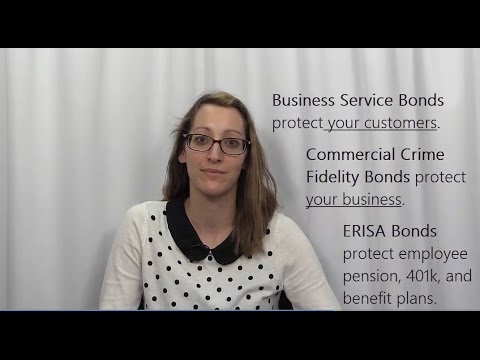
There are several common types of fidelity bonds, each designed for specific situations. Business Services Bonds protect clients of a business from theft by the business’s employees. Standard Employee Dishonesty Bonds cover losses from fraudulent acts by employees. ERISA bonds are specifically required by the U.S. Department of Labor for those who handle retirement plan funds, as outlined in the Employee Retirement Income Security Act (ERISA). The bonding requirement mandates that plan fiduciaries and individuals who handle plan funds be covered for up to 10% of the plan’s assets.

Choosing the right type of bond depends on your company’s specific risks and exposures. A thorough risk assessment with an insurance professional is the best way to determine the appropriate coverage. When evaluating policies, pay close attention to whether the bond covers all employees or only specific named positions, as this distinction can significantly affect your exposure to loss.

Who Needs a Fidelity Bond?

While any business with employees can benefit from a fidelity bond, they are especially crucial for certain industries. Financial institutions, such as banks and credit unions, are almost always required to have them. Companies with employees who handle cash, client property, or sensitive financial information are also prime candidates. Furthermore, businesses that must comply with specific client contracts or regulatory standards often find a bond is mandatory. Even small businesses with a single bookkeeper are vulnerable, as segregation of duties is rarely possible at that scale.

  • Financial Advisors & Brokerages: To protect client assets under management.
  • Government Contractors: Often required to bid on and fulfill public sector contracts.
  • Non-Profit Organizations: To safeguard donor funds and ensure trustee accountability.
  • Technology Companies: Especially those managing client data or intellectual property.

Key Benefits of a Fidelity Bond

The primary benefit is direct financial protection against employee dishonesty. This security allows business owners to focus on growth rather than worrying about internal threats. Additionally, having a fidelity bond can enhance a company’s reputation, demonstrating to clients and partners that it takes risk management seriously. It can also be a requirement for securing certain contracts or professional licenses. Beyond the financial payout, the insurer’s investigative resources often help uncover the full scope of the fraud, which may reveal losses that were not initially apparent.

Conclusion

In today’s business environment, internal risks are as significant as external ones. A fidelity bond provides a vital safety net, offering financial recourse and peace of mind. By understanding what a fidelity bond is and how it functions, business leaders can make informed decisions to better protect their enterprises from potentially crippling losses due to employee fraud. Regularly reviewing your bond coverage as your workforce and operations evolve ensures that your protection remains aligned with your actual risk profile.

bookmark_borderwhat is a payment bond | Payment bonds and performance bonds

What is a Payment Bond?

A payment bond is a type of surety bond that guarantees a contractor will pay their subcontractors, laborers, and material suppliers for work completed on a project. This bond provides crucial financial protection for those down the supply chain, ensuring they receive compensation even if the contractor defaults. It is often required alongside a performance bond on public construction projects to create a secure financial environment for all parties involved. Without this protection, subcontractors and suppliers would bear significant financial risk when working on government-funded projects, where mechanics’ liens against public property are typically unavailable as a remedy.

How Payment Bonds Work

The payment bond is a three-party agreement between the surety (the bond provider), the principal (the contractor), and the obligee (the project owner). If the contractor fails to pay its suppliers or subcontractors, those unpaid parties can file a claim against the bond. The surety company will then investigate the claim and, if valid, provide compensation up to the bond’s penal sum, which is the maximum amount covered.

This process helps maintain project stability by preventing liens from being placed on the property due to non-payment. For a deeper understanding of the legal framework, the Federal Acquisition Regulation (FAR) Part 28 outlines bonding requirements for federal contracts. Claimants must typically provide proper notice of non-payment within the timeframe specified in the bond, and failing to meet these deadlines can permanently forfeit their right to recover under the bond.

Payment Bonds vs. Performance Bonds

While both are essential for construction projects, payment bonds and performance bonds serve distinct purposes. A performance bond guarantees that the contractor will complete the project according to the terms of the contract. If the contractor fails to perform, the surety may step in to arrange for the project’s completion or provide financial compensation.

In contrast, a payment bond specifically guarantees payment to the parties who furnished labor and materials. Together, they form a comprehensive risk management package: the performance bond protects the project owner, and the payment bond protects the subcontractors and suppliers. On federal projects exceeding $150,000, both bonds are generally mandated by law, reflecting how these instruments work in tandem rather than as substitutes.

Why Are Payment Bonds Important?

Payment bonds are vital for several reasons. They protect subcontractors and suppliers from financial loss, which encourages broader participation in public projects by reducing the risk of non-payment. For project owners, they prevent mechanics’ liens from clouding the property title, which can cause significant legal and financial complications. This system fosters trust and ensures that all contributors to a project are paid fairly and on time.

To successfully secure a payment bond, contractors must typically demonstrate strong financial health, a solid business track record, and relevant industry experience. Sureties assess these factors to determine the contractor’s likelihood of fulfilling their payment obligations. The underwriting process is more rigorous than many contractors expect, and sureties frequently scrutinize the aging of accounts payable and receivable to uncover any hidden cash flow problems before issuing a bond.

  • Provide detailed financial statements for the past few years.
  • Showcase a portfolio of successfully completed projects, especially those of similar scope and size.
  • Maintain a good business credit score and be prepared for a thorough credit check.
  • Have the necessary licenses and insurance in good standing.
  • Prepare a current work-in-progress schedule that shows all ongoing projects, their completion percentages, and remaining contract balances, as this gives sureties a clear view of your current capacity and financial exposure.

Conclusion

Understanding payment bonds is crucial for anyone involved in construction, particularly on public projects. They are a key instrument for ensuring financial responsibility and project integrity. By guaranteeing payment to all parties, they help create a more stable and reliable construction industry.

bookmark_bordernature of surety’s Liability

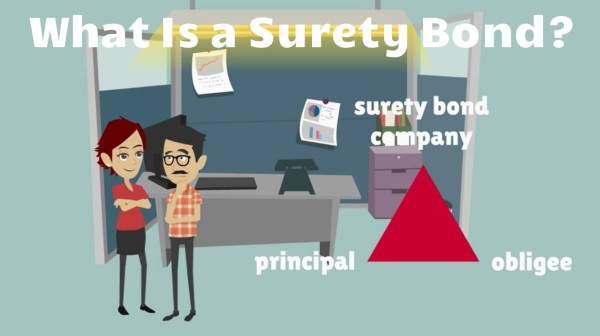
In the world of contracts and guarantees, a surety’s liability is a critical concept. It refers to the legal obligation undertaken by a surety to answer for the debt, default, or miscarriage of another party, known as the principal debtor. This liability is not primary but is secondary and co-extensive with that of the principal debtor, unless stated otherwise in the surety agreement.

This means the surety’s obligation to perform only arises upon the failure of the principal debtor to fulfill their own contractual duties. The creditor must first seek recourse from the principal debtor before approaching the surety, establishing the conditional nature of this guarantee. However, this right to demand payment from the surety is explicitly triggered the moment the principal debtor defaults. In practice, this distinction matters greatly: a surety who pays the creditor without verifying that the principal debtor actually defaulted may forfeit the right to seek reimbursement from the principal.

The extent of the surety’s liability is strictly governed by the terms of the surety bond or contract. It can be limited to a specific amount, cover a particular transaction, or be continuous for a series of obligations. A crucial protection for the surety is that their liability is not fixed; it is discharged proportionally if the principal debtor makes a partial payment or if the creditor releases any security held for the debt. For example, if a creditor holds collateral worth 30% of the outstanding debt and voluntarily surrenders it, the surety’s exposure is reduced by that same proportion.

Key Characteristics of Suretyship Liability

  • Accessory Nature: The surety’s obligation is dependent on the existence of a valid primary obligation of the principal debtor.
  • Secondary Responsibility: The surety is liable only if the principal debtor fails to perform.
  • Co-extensiveness: Generally, the surety is liable for everything the principal debtor is liable for, unless the contract specifies limits.
  • Conditional Enforcement: The creditor typically must exhaust remedies against the principal before claiming from the surety, a principle often called “exhaustion of the principal remedy.”

Understanding the nature of a surety’s liability is essential for all parties involved in a contract of guarantee. For the creditor, it defines the pathway to recovery; for the surety, it outlines the precise scope and triggers of their financial risk; and for the principal debtor, it clarifies the backup support in place for their promise. This framework ensures that the surety is not a mere volunteer but a party with a defined and enforceable legal commitment.

It is also vital to note that the liability of a surety can be enforced in a court of law just like any other contractual obligation. The legal principles governing these agreements are well-established in common law and are detailed in resources such as the Legal Information Institute’s overview on suretyship.
A common pitfall in suretyship arrangements is the failure to document any modifications to the underlying contract. If the creditor and principal debtor agree to extend the repayment term, increase the loan amount, or alter the scope of work without the surety’s written consent, the surety may be entirely discharged from liability. Courts have consistently held that a material change to the principal obligation, made without the surety’s knowledge, releases the surety from its commitment. Therefore, all parties should insist on written amendments and obtain the surety’s explicit approval before any change to the original agreement takes effect.

bookmark_borderHow Much Does a Surety Bond Cost?

If you’re in the market for a surety bond, your first question is likely about cost. The price of a surety bond, known as the premium, is not a fixed number. It is determined by a combination of key factors that underwriters evaluate to assess risk. Understanding these variables is the first step to getting an accurate quote for your specific situation.

What Factors Influence Surety Bond Costs?

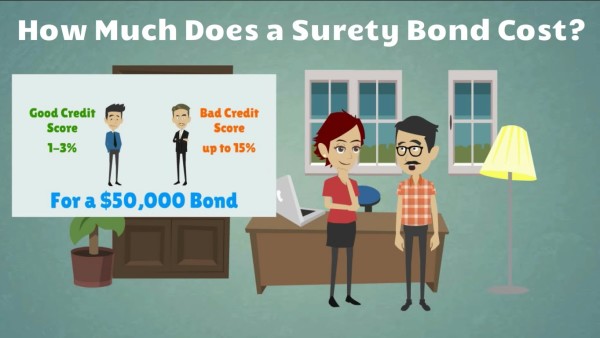
Several core elements directly impact your bond premium. The single most important factor is the applicant’s personal credit score. Individuals with strong credit histories represent a lower risk to the surety company and will qualify for the lowest premium rates, typically between 1% and 3% of the bond amount. Conversely, applicants with lower credit scores may see premiums ranging from 3% to 10% or higher, as the perceived financial risk increases.

The bond amount itself, also called the penal sum, is the next major determinant. This is the maximum financial guarantee the bond provides. Since the premium is a percentage of this amount, a higher bond limit directly results in a higher premium cost. For example, a $50,000 bond at a 2% rate costs $1,000, while a $100,000 bond at the same rate costs $2,000. Understanding this relationship helps you avoid overbonding—purchasing a higher limit than required—which unnecessarily inflates your premium without adding compliance value.

Industry risk and bond type also play a significant role. Certain professions, like construction contractors or those handling client funds, are viewed as higher risk. A performance bond for a large project will be underwritten more rigorously—and often cost more—than a simple license bond for a low-risk business. Underwriters may also factor in your business history, litigation exposure, and prior bond claims when setting your rate.

Finally, the required bond term influences the total price. Most bonds are issued for one-year terms and must be renewed annually, with premiums paid each term. Some bonds may be written for multiple years, which can affect the total cost calculation. Be aware that some states require continuous bonds that remain in force until canceled, which can change how and when premiums are billed.

How to Get the Best Surety Bond Rate

To secure the most favorable rate, preparation is key. Start by obtaining a copy of your personal and business credit reports to understand your financial standing. Disclose all relevant information accurately on your application, as transparency builds trust with underwriters. It is also highly advisable to work with an experienced surety bond agency. A knowledgeable agent can advocate on your behalf, present your financials in the best light, and leverage their relationships with multiple surety companies to find you the most competitive offer.

When comparing quotes, look beyond just the premium percentage. Consider the surety company’s financial strength, its reputation for handling claims, and the agency’s level of customer service. The cheapest bond is not always the best value if the provider is difficult to work with or financially unstable. A common mistake is assuming that all surety companies price risk identically—in practice, rates for the same applicant can differ meaningfully between carriers, which is why shopping through a wholesale broker with access to multiple markets often yields better results than going direct.

Common Surety Bond Types and Typical Costs

While costs vary, here are general premium ranges for common bond types, assuming standard credit:

  • License & Permit Bonds: Often required by government agencies for businesses like contractors, motor vehicle dealers, and notaries. Premiums are typically 1% to 3% of the bond amount.
  • Court Bonds: These include fiduciary (e.g., estate executor) and appeal bonds. They are highly case-specific but generally range from 1% to 5%.
  • Contract Bonds: Required for construction projects (bid, performance, and payment bonds). These are heavily underwritten and typically cost 1% to 3% of the contract value.
  • Commercial Bonds: This broad category includes bonds like those for freight brokers or Medicare providers. Premiums can vary widely, from 1% to 10%, based on risk.

For contractors, note that bid bonds are often issued at no additional premium when bundled with performance and payment bonds on the same project—a detail many first-time applicants overlook when budgeting. Similarly, some states set statutory minimum and maximum premium rates for specific license bonds, so check your state’s regulations before assuming a quoted rate is negotiable.

Next Steps for Your Surety Bond

Getting a surety bond doesn’t have to be a complex process. By understanding the cost factors and preparing your financial information, you can approach the market with confidence. The best course of action is to request quotes from a few reputable surety bond providers to compare rates and terms specific to your bonding requirement.

bookmark_borderWhat is a Notary Surety Bond ?

In the world of notary publics, a surety bond is a fundamental requirement for licensure in most states. It acts as a crucial financial guarantee that protects the public from potential errors or misconduct by the notary. If a notary makes a mistake or commits a wrongful act that causes financial loss, the bond provides a source of funds to compensate the injured party. The notary is then legally obligated to reimburse the surety company for any claims paid out.

Think of it as a three-party agreement. The notary (the principal) purchases the bond from a surety company (the obligor) to guarantee their performance to the state (the obligee). This system ensures accountability and upholds the integrity of notarial acts, which are essential for the proper execution of legal documents.

It is critical to understand that a notary bond is not insurance for the notary. It does not cover the notary’s own losses or legal defense costs. Its sole purpose is to protect the public. For personal protection against lawsuits, a notary should consider obtaining separate errors and omissions (E&O) insurance.

The bond amount, often set by state statute, is the maximum limit the surety will pay for claims against that notary. Common bond amounts range from $5,000 to $25,000, but requirements vary significantly. You must check with your state’s notary regulating authority for exact specifications.

How Does a Notary Bond Claim Work?

If a member of the public suffers a financial loss due to a notary’s error or misconduct, they can file a claim against the bond. The surety company will investigate the claim’s validity. If the claim is approved, the surety will pay compensation up to the bond’s penal sum. Importantly, the notary is then personally liable to repay the surety company in full for the claim amount, plus any associated fees. This repayment obligation is why many notaries mistakenly believe their bond covers them; in reality, the bond functions as a line of credit extended by the surety, which the notary must fully replenish after any payout.

Key Differences: Bond vs. Insurance

Confusion between bonds and insurance is common. To clarify:

  • Notary Bond: Protects the public. Provides a financial guarantee for the notary’s performance. The notary must repay any claims.
  • Notary E&O Insurance: Protects the notary. Covers the notary’s legal defense fees and damages if they are sued for a professional mistake.

Most states mandate the bond, while E&O insurance is typically optional but highly recommended for comprehensive risk management.

Obtaining Your Notary Surety Bond

The process usually begins when you apply for your notary commission through your state’s appointed office, often the Secretary of State. They will provide the specific bond requirement. You then purchase the bond from a licensed surety bond company or agency. After purchase, you file the bond with the appropriate state office as part of your official application package.

When selecting a surety provider, consider their reputation, customer service, and experience with notary bonds in your state. The cost, known as the premium, is a small percentage of the total bond amount and is typically paid annually. A common pitfall is assuming the cheapest premium is always the best deal; however, some low-cost providers offer minimal support when a claim arises, leaving you to navigate the claims process alone. Verify that your provider has a dedicated claims department and a track record of responsive communication before committing.

Maintaining an active bond is a continuous requirement for your commission. If your bond lapses or is exhausted by claims, your commissioning authority will likely suspend your notary privileges until a new bond is in place. Proactive management of this requirement is essential for a sustainable notary practice.

bookmark_borderGregory E. Marco – Surety Bonds: An Obscure but Important Cog in the World of Finance

Surety bonds are a critical, yet often misunderstood, financial instrument that guarantees performance or compliance. They act as a three-party contract between the principal (who needs the bond), the obligee (who requires it), and the surety (who provides the guarantee).

Unlike traditional insurance, which protects the policyholder against unforeseen losses, a surety bond protects the project owner or government entity by ensuring the principal fulfills their contractual or legal obligations. This fundamental distinction is crucial for businesses to understand when navigating bonded contracts.

For contractors, surety bonds are frequently mandatory for public construction projects, serving as a prerequisite to bid on and secure work. They provide a vital layer of financial protection for taxpayers and public agencies by ensuring a project will be completed even if the contractor defaults.

Common types of surety bonds include bid bonds, performance bonds, and payment bonds. Each serves a specific purpose in the lifecycle of a project, from the initial proposal through to final completion and payment of all subcontractors and suppliers.

  • Bid Bond: Guarantees that the contractor will enter into the contract at their bid price.
  • Performance Bond: Protects the project owner from financial loss if the contractor fails to perform according to the contract terms.
  • Payment Bond: Ensures that subcontractors, laborers, and material suppliers are paid, preventing liens against the project property.

The underwriting process for a surety bond is rigorous and focuses heavily on the principal’s creditworthiness, financial strength, and industry experience. Surety companies, often referred to as U.S. Small Business Administration preferred lenders, conduct thorough evaluations because they assume significant risk by backing the principal’s promise.

A common misconception is that a surety bond functions like an insurance policy that shields the principal from liability. In practice, the surety expects full reimbursement from the principal for any claims paid out to the obligee, plus legal fees and costs. Contractors who treat bonding capacity as a form of risk transfer rather than a credit extension often find themselves facing financial strain when a default occurs. Maintaining open communication with the surety underwriter and providing accurate, timely financial statements are essential practices for preserving a healthy bonding line.

In essence, surety bonds are a cornerstone of trust in commercial and public sector transactions. They enable projects to move forward by mitigating risk and providing a secure financial guarantee that obligations will be met, thereby facilitating economic activity and protecting public interests.

bookmark_borderBond and Oath information for all states

Navigating the requirements for notary bonds and oaths can be a complex process, as regulations vary significantly from one state to another. A notary bond is a type of surety bond that provides financial protection to the public against potential errors or misconduct by the notary public. This bond is a mandatory requirement in most states before a notary commission can be issued. The purpose of the bond is to ensure that the notary carries out their duties with integrity and in accordance with the law.

In contrast, the notary oath is a solemn promise made by the notary to perform their duties ethically and faithfully. This oath is typically administered by an authorized official, such as a county clerk or a judge, and is a separate legal requirement from the bond. Submitting the oath is a critical final step to activate your commission. While the bond protects the public, the oath holds the notary personally accountable to the state for their professional conduct. The oath must be taken in the precise form prescribed by state statute, and any deviation from that language can delay the issuance of your commission.

It is crucial to understand that a notary bond is not an insurance policy for the notary themselves; it protects the public. For personal liability coverage, notaries must purchase a separate errors and omissions (E&O) insurance policy. A common misconception is that the bond premium is a one-time cost; however, if your state requires a bond for each commission term, you will need to pay a new premium every time you renew, and rates can vary between surety providers.

To ensure you complete all steps correctly, follow this general sequence:

  • Apply for your state notary commission.
  • Purchase the required surety bond from a licensed provider.
  • File your bond and any other required paperwork with the appropriate state or county office.
  • Take your official oath of office before an authorized official.
  • Submit your oath form to the commissioning authority to finalize your appointment.

State-Specific Bond Amounts

Bond amounts are not uniform across the country. For instance, California requires a $15,000 bond, while Texas mandates a $10,000 bond. You must verify the exact amount with your state’s commissioning agency, as these figures are subject to change by state legislatures. Some states also impose additional county-level bonds, so check both state and local requirements before purchasing your bond.

Where to File Your Documents

The filing location for your bond and oath depends entirely on your state’s statutes. Commonly, documents are filed with the Secretary of State’s office, the Governor’s office, or the county clerk in your county of residence. Always confirm the correct filing office to avoid delays in your commissioning process. In many jurisdictions, the bond must be filed before the oath is administered, so review the statutory order of operations carefully to avoid a rejected submission.

Penalties for Non-Compliance

Failing to maintain a valid bond or to properly file your oath can result in the suspension or revocation of your notary commission. Additionally, you could be held personally liable for damages that exceed the bond’s penal sum if a claim is made against you. Some states also impose monetary fines for practicing as a notary with an expired bond, which can accumulate daily until the issue is corrected.

Renewal Procedures

Notary commissions are valid for a set term, after which you must renew. The renewal process often requires purchasing a new bond and retaking the oath. Do not assume your previous bond automatically renews; you must secure a new one for each commission term. For authoritative information on state-level requirements, you can consult resources like the National Association of Secretaries of State (NASS).

bookmark_borderEpisode 98: Introduction to Financial Securities: How Bonds Work

In this episode, we break down the fundamentals of bonds, a cornerstone of the fixed-income market. We’ll explain how they function as debt instruments and why they are a critical component of both corporate finance and diversified investment portfolios.

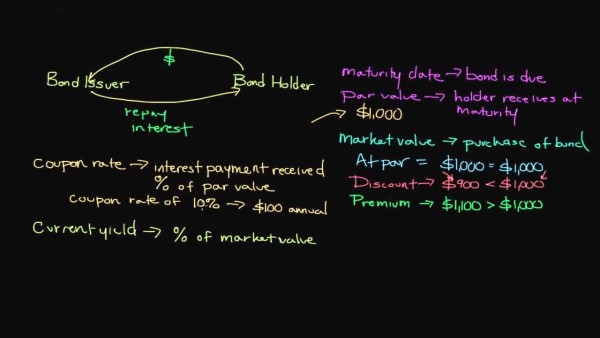
When you purchase a bond, you are essentially lending money to the issuer, which could be a corporation, a municipality, or a national government. In return for this loan, the issuer promises to pay you periodic interest payments, known as coupons, and to return the principal amount, or face value, on a specified maturity date. This contractual obligation makes bonds a more predictable investment compared to equities, as the cash flow schedule is established at issuance and remains fixed for the life of the instrument.

Understanding the relationship between bond prices and interest rates is crucial for any investor. When prevailing market interest rates rise, the fixed coupon payments of existing bonds become less attractive, causing their market prices to fall. Conversely, when market rates fall, existing bonds with higher fixed coupons become more valuable, and their prices tend to increase. This inverse relationship, which operates with the greatest magnitude on long-duration bonds, is a fundamental principle of bond investing.

Several key factors influence a bond’s risk and return profile:

  • Credit Risk: The financial health of the issuer and its ability to make timely interest and principal payments. This is often reflected in credit ratings from agencies like Moody’s or Standard & Poor’s.
  • Interest Rate Risk: The risk that rising market interest rates will cause the bond’s market value to decline, as explained above.
  • Inflation Risk: The danger that inflation will erode the purchasing power of the bond’s future fixed interest payments and principal repayment.
  • Term to Maturity: Generally, bonds with longer maturity dates are more sensitive to interest rate changes and may offer higher yields to compensate for this increased risk.

In practice, a common mistake new investors make is assuming a bond’s yield to maturity equals its coupon rate. In reality, the yield to maturity reflects the total return an investor receives if the bond is held until it matures, accounting for the price paid relative to its face value and the reinvestment of coupon payments. A bond purchased at a discount will have a yield to maturity higher than its coupon, while a bond purchased at a premium will have a yield below its coupon. Always confirm the yield to maturity before executing a trade, as this figure provides the most accurate apples-to-apples comparison across different bonds with varying prices and coupon structures.

Bonds are not just simple loans; they are tradable securities with valuations that fluctuate daily in the secondary market. This liquidity allows investors to buy and sell bonds before they mature, providing flexibility that a standard bank loan does not offer. The U.S. Securities and Exchange Commission provides educational resources for investors looking to understand these public securities markets in greater depth.

For a deeper dive into specific bond types, such as municipal bonds which often offer tax-exempt income, you can refer to resources like the Investor.gov guide on bonds. We’ll explore different categories, including Treasuries, corporates, and municipals, in future episodes to help you build a robust fixed-income strategy.

bookmark_borderSurety Solutions Summer Giveaway

Surety Solutions is excited to announce our Summer Giveaway, designed to show our appreciation for the contractors and business owners who are the backbone of the construction industry. This is our way of giving back to the community that supports us throughout the year.

Participating is straightforward. To enter the giveaway, simply visit our official entry page and complete the submission form with your details. We’ve made the process quick and easy because we value your time.

One lucky winner will receive an exceptional prize package designed to enhance both productivity and leisure. The grand prize includes top-of-the-line tools, premium safety gear, and a generous gift card to a home improvement retailer.

Beyond the grand prize, we will also be awarding several secondary prizes to additional entrants. These prizes are curated to provide practical value and support for your daily operations.

To ensure you have the best chance of winning, consider the following strategies:

  • Submit your entry early, as some promotions may feature early-bird bonus draws.
  • Follow our social media channels for potential bonus entry opportunities and the latest updates.
  • Ensure all your contact information is entered accurately to prevent any issues with notification.
  • Set a calendar reminder for the deadline; entries submitted after the cutoff are automatically disqualified, regardless of when they were started.

When completing the form, double-check that your email address and phone number are spelled correctly—a single typo in a domain name or a missing digit can render a valid entry unreachable. Many participants overlook this step and only realize the error after the winner announcement has already been made.

The construction industry operates on principles of trust and bonded agreements, which are fundamental to project completion and risk management. You can learn more about the importance of these financial instruments from the U.S. Small Business Administration.

All entries must be submitted by the specified deadline, which will be clearly posted on the entry form. The winner will be selected at random from all eligible entries and notified directly using the contact information provided during entry.

We extend our best wishes to every participant. Thank you for being a vital part of the Surety Solutions community and for all the incredible work you do.

bookmark_borderGuide to: Freight Broker License Bonds

What is a Freight Broker Bond?

A freight broker bond, officially known as a BMC-84 bond, is a type of surety bond required by the Federal Motor Carrier Safety Administration (FMCSA). This financial guarantee ensures that freight brokers operate ethically and can cover financial claims made by carriers or shippers if the broker fails to meet its legal obligations. It is a critical component of maintaining trust and financial accountability in the logistics industry.

Why Do You Need a Broker Bond?

The primary purpose is consumer protection. The bond provides a recourse for motor carriers and shippers if a broker engages in fraudulent activities or fails to pay for services rendered. Without this bond, a broker cannot legally arrange for the transportation of goods. It acts as a safeguard, ensuring all parties in the supply chain are protected from potential financial losses due to broker misconduct. In practice, this protection is most frequently invoked when a broker receives payment from a shipper but fails to remit the agreed-upon compensation to the carrier that actually moved the freight.

How Much Does a Freight Broker Bond Cost?

The required bond amount is $75,000. However, you do not pay this full amount. Instead, you pay an annual premium, which is a small percentage of the $75,000, based on your personal and business financial strength. For applicants with good credit, premiums typically range from 1% to 5% of the bond amount. This means your annual cost could be as low as $750 or as high as $3,750, depending on the surety company’s assessment of your risk.

To secure the best possible rate, it is advisable to prepare your financial documentation in advance. This includes having clear business financial statements, a strong personal credit history, and a solid business plan ready for review by potential surety providers.

Applicants with credit scores below 650 should expect to pay at the higher end of the premium scale, and some sureties may require collateral for the full bond amount. One common mistake is assuming that a strong business bank balance can offset a poor personal credit score—surety underwriters weigh personal credit history far more heavily than business assets when pricing a new bond.

The Application Process

Obtaining a bond involves several key steps. First, you must complete the FMCSA’s OP-1 application form to get your MC Number. Concurrently, you apply for the bond through a licensed surety bond company. The surety will evaluate your application, focusing on your personal credit score, business financials, and industry experience. Once approved and you pay the premium, the surety will issue the bond, which you then file with the FMCSA to complete your licensing requirement. The entire process typically takes between three and ten business days, though delays often occur when applicants submit incomplete financial statements or fail to disclose prior bankruptcies or judgments.

Maintaining Your Bond

After securing your bond, you must maintain it in good standing for the entire time you operate as a broker. This involves renewing your bond annually and paying the premium on time. It is also crucial to operate your business in compliance with all FMCSA regulations to avoid claims against your bond. A claim can lead to financial liability and make it significantly more difficult and expensive to secure bonding in the future. If a claim is filed against your bond, the surety will investigate before paying, and you will have the opportunity to dispute the claim with supporting documentation such as rate confirmations, delivery receipts, and payment records.

Common Misconceptions

Many new brokers confuse the bond with insurance. A bond is not insurance for your business; it is a guarantee of your financial responsibility to others. Furthermore, while the bond protects the public, it does not absolve you from debt—if a claim is paid out by the surety, you are legally obligated to reimburse the surety company for the full amount. This reimbursement obligation is a contractual right of the surety under the indemnity agreement you sign at the time of bonding, and it remains enforceable even if your brokerage closes.

Next Steps

If you’re ready to begin the process, your next step is to contact a reputable surety bond agency that specializes in transportation bonds. They can guide you through the application, help you understand the exact costs, and ensure your paperwork is filed correctly with the FMCSA. Before contacting an agency, pull your personal credit report from all three major bureaus and review it for errors—a simple correction can save you hundreds of dollars annually on your premium.

bookmark_borderSC Jayachandra Taken into CBI Custody as No One Signs Surety Bond

In a significant development in the ongoing investigation, former minister SC Jayachandra has been remanded to CBI custody after no individual or entity came forward to sign the requisite surety bond for his release. The court’s decision underscores the serious nature of the allegations and the investigative agency’s need for uninterrupted questioning.

The Central Bureau of Investigation (CBI) had argued that custodial interrogation was essential to uncover further evidence and trace the flow of funds in the corruption case. The defense’s request for bail was denied, highlighting the court’s view on the potential risks of evidence tampering or witness influence.

This turn of events marks a pivotal moment in the legal proceedings, shifting the focus to the CBI’s ability to gather conclusive evidence while the accused remains in custody. Legal experts suggest the inability to secure a surety often reflects the complexities and perceived liabilities associated with high-profile cases.

For those unfamiliar with the process, a surety bond is a court-ordered agreement where a third party guarantees the defendant’s future court appearances. The refusal or inability to obtain such a bond can significantly alter the course of a legal proceeding, as seen here.

  • A surety bond involves a contractual promise to pay the court a specified sum if the defendant fails to appear.
  • Potential sureties often undergo financial and background checks by the court.
  • The decision to act as a surety carries considerable financial risk and legal responsibility.
  • In high-stakes cases, finding a willing and qualified surety can be a major challenge for the defense.

In practice, the absence of a surety bond in politically sensitive matters frequently stems from the reluctance of associates and family members to expose themselves to prolonged judicial scrutiny or potential financial forfeiture. Even when a defendant has substantial personal assets, courts typically require a third-party guarantor who is not directly implicated in the case, which can be an insurmountable hurdle when the accused has held high public office and the allegations involve systemic misconduct.

The case continues to draw considerable public attention, with many viewing the custody as a test of accountability for public officials. Further updates are expected as the CBI’s custody period proceeds and new findings are presented to the court.

For more detailed information on the legal procedures involved in such investigations, you can refer to the official resources provided by the Central Bureau of Investigation.

bookmark_borderFinance & Investment Tips : What Is a Dishonesty Bond?

In the world of finance and investment, protecting assets is paramount. One tool used for this purpose is a dishonesty bond. Also known as a fidelity bond, this is a form of insurance that protects a business from losses caused by fraudulent acts committed by its employees. These acts can include theft, embezzlement, or forgery.

Unlike a standard insurance policy that covers physical damage or liability, a dishonesty bond specifically addresses the risk of internal financial crime. It is a crucial risk management tool for companies that handle significant cash flows, sensitive financial data, or valuable assets. For instance, banks, investment firms, and companies with large treasury operations often require these bonds.

The process of obtaining a dishonesty bond typically involves an application where the business outlines its internal controls and employee screening procedures. The cost, or premium, is influenced by the company’s size, the number of employees covered, the specific roles of those employees, and the overall strength of its financial safeguards. A robust system of internal checks can lead to more favorable premium rates. Additionally, insurers will scrutinize the company’s claims history and any prior incidents of internal fraud, as these factors directly signal the level of risk the underwriter is assuming.

It’s important to understand that a dishonesty bond is a form of third-party guarantee. The bonding company provides financial compensation to the employer (the obligee) if a covered employee (the principal) causes a loss through a dishonest act. This creates a direct financial backstop for the business.

Who Needs a Dishonesty Bond?

While financial institutions are common candidates, any business where employees have access to money or valuable property should consider a fidelity bond. This includes retail stores, non-profits handling donations, and technology firms managing intellectual property. In some cases, client contracts or regulatory frameworks may mandate that a company carry this type of bond. For example, many government contracts require prime contractors to carry fidelity coverage as a condition of award, ensuring public funds are protected from misappropriation.

Key Considerations Before Purchasing

Before securing a bond, businesses must evaluate their specific exposure. Key factors to assess include:

  • The total value of assets accessible to employees.
  • The specific roles and level of financial authority granted to staff.
  • The existing internal control environment and audit procedures.
  • Any industry-specific regulations that dictate bonding requirements.

Furthermore, a dishonesty bond does not replace the need for sound internal policies. It should be integrated into a broader risk management strategy that includes thorough background checks, segregation of financial duties, and regular audits. Proactive measures are the first line of defense against fraud.

One common oversight is assuming that a blanket bond covers all employees equally. In practice, policies often have sub-limits for specific positions, such as tellers versus loan officers, and a single dishonest act can trigger a complex investigation before any payout is made. Businesses should document their internal investigation procedures in advance, as the surety will require detailed evidence of the loss and the employee’s culpability before releasing funds.

For authoritative information on related commercial insurance and bonding concepts, you can refer to resources like the Insurance Information Institute.

Conclusion

In summary, a dishonesty bond is a specialized financial safeguard. It provides essential protection against a specific and potentially devastating risk: employee dishonesty. By transferring this risk to a surety, businesses can operate with greater confidence and financial security. Consulting with a knowledgeable insurance broker or risk advisor is the best step to determine if this coverage is necessary for your organization.

bookmark_borderHow to open a Bail Bonds Company, start a Bail Bonds Business

Understanding the Bail Bonds Industry

The bail bonds industry is a specialized financial service within the criminal justice system. When a defendant cannot afford the full bail amount set by the court, a bail bonds company posts a bond, guaranteeing the defendant’s appearance at all required court dates. In return, the defendant or their family pays the bondsman a non-refundable premium, typically 10% of the total bail amount. This system allows defendants to await trial outside of jail while ensuring the court that they will return.

Legal and Licensing Requirements

Starting a bail bonds business is heavily regulated, and requirements vary significantly by state. You will need to obtain a specific bail bond license, which usually involves completing pre-licensing education, passing a state exam, and undergoing a thorough background check. Many states also require you to secure a surety bond from an insurance company, which acts as a financial guarantee for your business operations. It is critical to consult with your state’s Department of Insurance or a similar regulatory body to understand the precise legal framework. For a comprehensive overview of the U.S. bail system, you can refer to the U.S. Department of Justice.

Creating a Business Plan

A solid business plan is your roadmap to success. It should detail your market analysis, startup budget, funding sources, marketing strategy, and financial projections. This document is essential not only for guiding your decisions but also for securing financing from banks or investors who need to see a viable path to profitability. A well-structured plan also helps you anticipate seasonal fluctuations in demand and prepare for economic downturns that may affect your clients’ ability to pay premiums.

Securing Financing and Insurance

Startup costs for a bail bonds company can be substantial. You’ll need capital to cover licensing fees, office space, marketing, and, most importantly, the reserve funds required to post bonds. Since you are acting as a guarantor for potentially large sums, establishing a line of credit or securing investment is often necessary. Furthermore, in addition to the mandatory surety bond, you should consider general liability and professional liability insurance to protect your business from other potential risks.

Choosing the right business structure is a foundational decision with significant legal and financial implications. The most common structures for bail bonds agencies include:

  • Sole Proprietorship: Simple to establish but offers no personal liability protection.
  • Limited Liability Company (LLC): Provides a shield for your personal assets from business debts and lawsuits, which is highly advisable in this industry.
  • Partnership: Suitable if starting the business with one or more licensed agents, outlining roles and profit-sharing in a formal agreement is crucial.
  • Corporation (S-Corp or C-Corp): Offers the strongest liability protection but involves more complex regulations and tax requirements.

Many new agency owners underestimate how much working capital is needed to sustain operations during the first six months. Beyond the initial licensing and office setup, you must maintain a dedicated cash reserve for posting bonds, which can tie up significant funds for months until cases conclude. Some sureties require a collateral trust account, so verify the specific requirements with your carrier before you commit to a structure.

Marketing Your Bail Bonds Business

Effective marketing is crucial for attracting clients in a competitive and localized industry. Your strategy should focus on building trust within the community. This can involve creating a professional website optimized for local search terms like “bail bonds near me,” maintaining active listings on Google My Business and other directories, and building relationships with local attorneys and law firms. Traditional methods, such as print advertising in legal journals and community outreach, also remain valuable.

Daily Operations and Risk Management

Running a bail bonds company involves more than just posting bond. Day-to-day operations include client screening, diligent paperwork processing, and, critically, monitoring clients to ensure they comply with all court mandates. Effective risk assessment is paramount to minimize the financial exposure associated with a defendant failing to appear in court, an event known as a forfeiture, which can result in significant financial loss for your agency. Implementing a thorough intake procedure that verifies employment, residential stability, and prior criminal history can dramatically reduce your forfeiture rates from the outset.

bookmark_borderGetting a Bond On a Fresh Lvl 3 F2P in 1 Day

Earning a bond on a fresh level 3 F2P account in just one day is an ambitious but achievable goal in Old School RuneScape. It requires a focused strategy and efficient use of your initial time. This guide will walk you through the most effective methods to generate the necessary gold, primarily through free-to-play activities.

Initial Setup and Early Gameplay

Your first hour is critical. Complete the tutorial and head to Lumbridge. You should immediately start the Stronghold of Security for the 10,000 gold coin reward. This capital is essential for funding your first money-making activities. After that, consider completing a few easy quests like “Cook’s Assistant” and “Sheep Shearer” for the early experience. Completing these tasks also provides useful access to key locations and basic items that reduce early overhead costs.

Primary Money-Making Methods

With your starting capital, you have several viable options. Crafting and selling gold rings is a classic and reliable method. You will need to mine gold ore in the Crafting Guild or Al Kharid mine, smelt it into bars, and then craft them. Another strong option is killing cows in the Lumbridge cow pen, tanning the cowhides, and then selling the leather. For players with slightly higher combat, killing Hill Giants in the Edgeville Dungeon for big bones and limpwurt roots can be profitable.

To maximize your efficiency, it is crucial to understand the Grand Exchange. This centralized marketplace allows you to buy supplies and sell your gathered resources quickly. By checking prices before you begin grinding, you can ensure you are pursuing the most lucrative activity at that moment and avoid wasting time on items with low demand. Price checking is especially important on weekends, when bond prices tend to rise due to increased player activity and demand.

One practical approach that often gets overlooked is diversifying your sell orders at the Grand Exchange. Rather than dumping all of your crafted rings or tanned leather into a single offer, place multiple offers at slightly different prices. This increases the likelihood of your items selling through more quickly, as you capture both patient buyers and those seeking immediate purchases. Additionally, always keep a few thousand coins in reserve for unexpected expenses, such as re-buying supplies if a batch fails to sell or covering death fees if you misclick in a dangerous area.

Essential Tips for Efficiency

Time management is your most important resource. Avoid distractions and stick to your chosen method once you start. Use the OSRS Wiki to look up exact details for training spots, item locations, and optimal quest guides. Every minute counts when you are on a one-day timeline. A common mistake is spending too long hopping worlds to find a less crowded mining spot; the time lost often outweighs the marginal gain in ore yield.

  • Leverage the Grand Exchange: Always buy materials in bulk and sell your finished products in batches to save time.
  • Minimize Travel: Use the free-to-play teleport spells (like Varrock Teleport) and know the closest bank to your activity.
  • Focus on One Goal: Do not split your efforts between multiple money-makers; choose one and execute it efficiently.

Reaching Your Goal

As you approach the bond price, stay vigilant on the Grand Exchange prices. Bonds fluctuate in price based on market demand, so it is wise to check the current rate on the official RuneScape website. Once you have enough gold, purchase the bond from the Grand Exchange and redeem it for membership. Congratulations, you have successfully funded your membership through in-game effort! Be sure to redeem your bond promptly after purchase, as holding onto it in your inventory offers no benefit and leaves you exposed to accidental loss if you die in the Wilderness.
bookmark_borderHow to Get the Correct Insurance and Bonding for Your Business

Securing the right insurance and bonding is a critical step in establishing a trustworthy and resilient business. These financial safeguards protect your company from unforeseen liabilities and provide your clients with essential peace of mind. Navigating the requirements can seem complex, but a methodical approach will ensure you obtain the correct coverage.

Understanding the Difference: Insurance vs. Bonding

While both are risk management tools, insurance and bonding serve distinct purposes. Business insurance primarily protects your company from losses due to events like accidents, lawsuits, or property damage. A bond, however, is a three-party agreement that guarantees your business will fulfill its contractual obligations, providing financial recourse to your client if it fails to do so. For a detailed overview of common business insurance types, you can refer to the U.S. Small Business Administration’s guide.

Assessing Your Business Risks

Before contacting providers, conduct a thorough risk assessment. Identify the specific liabilities inherent to your industry, the value of your assets, and the requirements of your clients or local regulations. This foundational analysis is crucial for determining the types and levels of coverage you need, rather than making arbitrary or insufficient choices. A common mistake is overlooking contractual requirements from larger clients, which often mandate specific coverage limits or additional insured endorsements that standard policies may not include.

Researching and Selecting Providers

Look for insurers and surety companies with strong financial ratings and expertise in your specific industry. Obtain multiple quotes to compare coverage terms and premiums. It is highly advisable to consult with a licensed commercial insurance broker who can interpret policy language and help you navigate the nuances of different offers. When comparing quotes, pay close attention to exclusions and sub-limits, as these often vary significantly between carriers and can leave you exposed in critical areas.

The Application and Underwriting Process

Be prepared to provide detailed information about your business operations, financial history, and safety protocols. The underwriting process for bonds, in particular, will scrutinize your company’s creditworthiness and professional track record. Maintaining organized financial records and a clean business history will significantly streamline this phase. For contractors, surety underwriters typically evaluate your work-in-progress schedule and accounts receivable aging reports, so having these reconciled and current will accelerate approval.

To ensure a smooth application process, gather these key documents in advance:

  • Business financial statements (last 2-3 years)
  • Business license and relevant professional licenses
  • Details of past projects and client contracts
  • A resume outlining key personnel experience
  • Any existing safety manuals or operational procedures
  • Certificate of insurance from your current carrier, if applicable

Maintaining Your Coverage

Once secured, proactively manage your policies and bonds. Review your coverage annually or whenever your business undergoes a significant change, such as expansion, new services, or increased revenue. Promptly renew your bonds to avoid lapses that could breach client contracts and damage your professional reputation. Set calendar reminders at least 60 days before renewal dates, as last-minute renewals can trigger additional underwriting scrutiny or result in non-renewal if your financial picture has shifted.

bookmark_borderArizona Contractor License Bond

An Arizona contractor license bond is a type of surety bond required by the Arizona Registrar of Contractors (ROC) for most contractors seeking licensure in the state. This bond serves as a financial guarantee that the contractor will adhere to state laws and regulations governing the construction industry. It protects the public by providing a source of funds for restitution if the contractor fails to comply with the terms of their license, such as by performing substandard work or violating contract terms.

When you purchase this bond, you are entering into a three-party agreement. The contractor (the principal) is obligated to follow the law, the client or project owner (the obligee) is protected by the bond’s terms, and the surety company (the surety) guarantees the contractor’s compliance. If a valid claim is filed and proven, the surety will pay compensation up to the bond’s penal sum, though the contractor is ultimately responsible for repaying the surety for any claims paid out.

The required bond amount varies depending on the specific license classification and the scope of work the contractor is licensed to perform. It is not an insurance policy for the contractor but rather a safeguard for their clients and the public. The bond remains in effect as long as the contractor’s license is active and must be renewed accordingly.

To secure an Arizona contractor license bond, contractors typically undergo a review of their personal and business financial health, including credit history. This underwriting process helps the surety assess the risk of issuing the bond. Maintaining a strong financial profile can lead to more favorable bonding terms and premiums, which are a percentage of the total bond amount.

Common reasons for claims against a contractor license bond include abandonment of a project, use of defective materials, negligence, and failure to pay subcontractors or suppliers. Such claims can lead to financial losses for the surety and legal complications for the contractor, potentially jeopardizing their license. Therefore, understanding and adhering to the Arizona Registrar of Contractors statutes and rules is essential for risk management.

If you need to obtain a bond, it is advisable to work with a surety bond agency experienced with Arizona contractor licensing. They can guide you through the application process and help you find the most competitive rates. Be sure to compare quotes from multiple providers and understand all the terms before committing.

Steps to Maintain Your Bond in Good Standing

  • Renew Promptly: Submit your bond renewal well before the expiration date to avoid a lapse in coverage, which can result in license suspension.
  • Understand Obligations: Thoroughly review the Arizona Administrative Code relevant to your license class to ensure all work complies with state standards.
  • Manage Claims Proactively: Address any customer complaints or disputes immediately to prevent them from escalating into formal bond claims.
  • Keep Records: Maintain detailed project records, contracts, and communication to defend against unfounded claims.
  • Notify Your Surety: Inform your bonding company of any major changes to your business structure or contact information.

Failing to maintain your bond can have serious consequences, including license revocation and difficulty securing bonding in the future. It is a core component of your professional credibility and legal ability to operate. Always ensure your bond coverage is active and sufficient for your contracting business.

One practical detail contractors often overlook is that the bond amount is not a cap on your liability; it is the maximum the surety will pay on your behalf for a single claim or aggregate claims during the bond period. If a claim exceeds the bond amount, you are personally responsible for the difference, and the surety will seek full reimbursement from you for any payouts made. Additionally, a single claim—even one that is ultimately resolved in your favor—can trigger a significant premium increase or non-renewal at your next bond term, so proactive dispute resolution is often more cost-effective than letting a disagreement escalate to a formal claim.

bookmark_borderPractical Advice for Contractors Seeking to Increase Their Bonding Capacity – Part 1

For contractors, bonding capacity is a critical financial metric that directly influences the scale and type of projects you can pursue. It represents the maximum amount of surety credit a surety company is willing to extend to your business. Increasing this capacity is essential for growth, allowing you to bid on larger, more complex, and more profitable contracts.

This two-part series provides actionable strategies to strengthen your financial profile and build a more compelling case for your surety. In this first part, we focus on the foundational financial and operational practices that underwriters scrutinize most closely.

Understanding What Sureties Evaluate

Surety bond underwriters conduct a thorough risk assessment, analyzing your company’s financial health, operational history, and management expertise. Their primary goal is to evaluate your firm’s ability to successfully complete projects and fulfill contractual obligations. A strong track record of completed projects and sound financial management are paramount to a favorable evaluation.

They look for stability, consistent profitability, and a management team with a proven history in the industry. Underwriters will meticulously review your work-in-progress (WIP) schedules, balance sheets, and cash flow statements to assess liquidity and overall financial stability. The sureties’ evaluation also considers the caliber of your surety bond agent and the quality of the information you present, as incomplete submissions often delay decisions or result in reduced capacity recommendations.

Strengthen Your Financial Statements

Your corporate financial statements are the cornerstone of your bonding application. They must be accurate, timely, and prepared according to Generally Accepted Accounting Principles (GAAP) by a qualified accountant. Audited or reviewed statements carry significantly more weight with sureties than compiled statements, as they provide a higher level of assurance regarding their accuracy.

To present the strongest possible financial picture, focus on maintaining healthy liquidity ratios and a strong balance sheet. This means managing debt levels prudently and ensuring you have sufficient working capital to cover project needs and unforeseen costs. A consistent pattern of profitability over several years demonstrates financial resilience and effective management. Ensure that your financial statements are prepared no later than 90 to 120 days after your fiscal year-end, as outdated statements can undermine an otherwise strong application.

Key Financial Ratios Underwriters Analyze

Sureties rely on specific financial ratios to benchmark your company’s performance against industry standards. Key metrics include the current ratio (current assets divided by current liabilities), the debt-to-equity ratio, and the working capital turnover. Proactively monitoring and improving these ratios signals strong financial stewardship to potential sureties.

  • Current Ratio: Measures short-term liquidity and ability to pay obligations coming due. A ratio above 1.0 is essential, but sureties often look for a higher threshold.
  • Debt-to-Working Capital Ratio: Evaluates leverage by comparing total debt to the company’s available operating liquidity. A lower ratio is generally preferred.
  • Backlog-to-Working Capital Ratio: Assesses whether your current working capital is sufficient to support your existing project commitments.

Beyond these standard metrics, underwriters also examine the quality of your accounts receivable aging and the concentration of your backlog. A common mistake contractors make is carrying excessive receivables from slow-paying public owners, which artificially inflates working capital on paper but provides no immediate liquidity. Similarly, if a single project constitutes more than 30–40% of your total backlog, sureties may view that concentration as a significant risk, regardless of your other ratios.

Build a Solid Track Record

Your company’s past performance is a powerful predictor of future success in the eyes of a surety. A history of completing projects on time, within budget, and with minimal claims is invaluable. Document this success meticulously with project references, completion certificates, and letters of recommendation from past clients or general contractors.

Start by bidding on and successfully completing projects within your current bonding capacity. This demonstrates prudent management and builds a credible performance history. As you establish reliability, you can gradually pursue larger projects, using each success as a stepping stone to justify increased bonding limits.

For authoritative information on the surety bond process and contractor requirements, you can refer to resources from the U.S. Small Business Administration.

Communicate Proactively with Your Surety

Developing a transparent, ongoing relationship with your surety provider and agent is crucial. Don’t communicate only when it’s time to renew a bond or seek an increase. Schedule regular meetings to discuss your company’s performance, upcoming projects, and long-term growth strategy. This proactive communication builds trust and ensures the surety has a clear, current understanding of your business health.

Be upfront about any challenges or setbacks, such as a project experiencing delays or cost overruns. Explaining the situation and your mitigation plan is far better than allowing the surety to discover problems independently. This forthright approach demonstrates responsible management and can foster a stronger, more supportive partnership.

bookmark_borderSurety Bonds – Contractor Business Tip #182

For many contractors, surety bonds are a necessary part of doing business. They are often required for public projects and large private contracts. A bond is a three-party agreement that guarantees project completion. It protects the project owner from financial loss if you fail to meet the contract terms.

There are several common types of bonds you might encounter. A bid bond ensures your bid is submitted in good faith. A performance bond guarantees you will complete the project as specified in the contract. A payment bond assures that you will pay your subcontractors and suppliers. Knowing which type you need is crucial, as most public agencies require both performance and payment bonds on contracts exceeding a specific dollar threshold.

Maintaining bond eligibility requires strong financials. Sureties look at your company’s credit history, work experience, and financial stability. They want to see that you have the capacity to complete the job. A history of successful, profitable projects is your best asset, but consistent working capital and a positive net worth are equally decisive factors in the underwriting process.

To improve your chances of approval, organize your financial documents. This includes balance sheets, profit and loss statements, and cash flow projections. Be prepared to explain your business plan and the specifics of the project you’re bidding on. Transparency builds trust with the surety. A common mistake is submitting interim financial statements that are not reconciled with your year-end tax returns—sureties frequently cross-check these figures, and discrepancies can delay approval or trigger additional scrutiny.

Before applying for a bond, it’s wise to review your company’s financial health. Address any outstanding debts or liens. Ensure your business licenses and registrations are current. A clean operational record demonstrates reliability to the surety company. Also, verify that your workers’ compensation and general liability insurance policies are active and meet the minimum coverage limits required by the project owner.

Building a relationship with a surety bond agent or broker can be highly beneficial. They can guide you through the process and help you present your business in the best light. A good agent will explain the underwriting criteria and help you find the right bond for your specific needs. They also serve as an intermediary if you need to negotiate terms or address a claim.

  • Gather and organize two to three years of business and personal tax returns.
  • Prepare detailed job cost histories for your recent major projects.
  • Update your business plan to include current market positioning and future goals.
  • Obtain a current business credit report to identify and address any discrepancies.

When you begin the application process, expect the surety to request a personal financial statement from each principal owner. This is standard practice even for established LLCs or corporations, because personal creditworthiness is a significant factor in the underwriting decision. If you have a prior bond claim or bankruptcy on your record, disclose it upfront—attempting to hide it will almost certainly result in a denial.

Remember, a surety bond is not insurance. It is a guarantee of your performance and financial responsibility. The surety company is taking a risk on your ability to fulfill the contract. If a claim is made against your bond, you are ultimately responsible for reimbursing the surety for any losses paid, including legal fees and settlement costs.

For more detailed information on the legal framework and public policy behind surety bonds, you can refer to the U.S. Small Business Administration website.

bookmark_borderBond Market : How Much Does a Surety Bond Cost?

Understanding the cost of a surety bond is a critical first step for contractors, business owners, and professionals navigating licensing and project requirements. The price isn’t a one-size-fits-all figure but is determined by a careful assessment of risk by the surety company.

What Is a Surety Bond?

A surety bond is a three-party agreement that guarantees compliance with laws, regulations, or contract terms. The three parties are the principal (who needs the bond), the obligee (who requires the bond, often a government entity), and the surety (the company that issues the bond and guarantees the principal’s performance). If the principal fails to meet their obligations, a claim can be filed against the bond for financial compensation. This financial guarantee protects the obligee from losses arising from the principal’s non-compliance or default.

How Is the Cost of a Surety Bond Determined?

The premium you pay is primarily based on your credit score and financial strength. This is because the surety is taking a risk on your ability to fulfill your bonded obligations. Other factors include your industry experience, the bond amount, and the specific bond type’s inherent risk level. The surety underwriter weighs these variables to arrive at a premium that reflects the likelihood of a claim being filed.

For many standard commercial bonds, applicants with strong credit may pay a premium between 1% and 3% of the total bond amount. For example, a $50,000 bond might cost between $500 and $1,500 annually. However, for higher-risk contract bonds or applicants with credit challenges, rates can be significantly higher, ranging from 5% to 15% or more. In some cases, a surety may require collateral for applicants with severely impaired credit, which is a separate agreement from the premium payment.

Key Factors Influencing Your Bond Premium

Several key elements directly impact the rate you are offered:

  • Personal Credit History: This is often the most significant factor. A higher credit score typically secures a lower premium rate.
  • Financial Statements: Sureties will review business and personal financials, including liquidity and debt-to-equity ratios, to assess stability.
  • Industry and Bond Type: Some professions, like construction contracting, are viewed as higher risk than others, such as notary publics.
  • Bond Amount and Term: The required coverage amount and the length of the bond obligation directly influence the cost.

To navigate this process effectively, it is essential to prepare the necessary documentation in advance. This typically includes a completed bond application, personal and business financial statements, and relevant details about the project or license requiring the bond. Having these documents organized can expedite underwriting.

A common mistake applicants make is assuming the quoted rate is the final total cost. Always confirm whether the premium covers the full bond term or if it must be renewed annually. For multi-year projects, some sureties offer a non-refundable premium for the entire duration, while others charge an annual renewal fee that can catch contractors off guard if not budgeted for upfront. Clarify this with your agent before signing any indemnity agreement.

How to Get the Best Surety Bond Rate

To secure the most favorable rate, it is advisable to work with an experienced surety bond agency that has access to multiple markets. They can shop your application to various sureties to find the best fit for your specific profile. Furthermore, improving your credit score and maintaining strong, organized financial records are the most effective long-term strategies for reducing your bond costs.

For a formal definition and further details on the legal framework, you can refer to the U.S. Small Business Administration’s guide on bonding for small businesses.

Conclusion

The cost of a surety bond is a variable investment in your business’s credibility and compliance. By understanding the key rating factors and preparing your financial profile, you can approach the bonding process with confidence and secure the necessary coverage at a competitive rate.

bookmark_borderBrian Linnekens – Types of Surety Bonds – GI20.wmv

Surety bonds are a critical financial instrument used to guarantee performance, payment, or compliance with laws and regulations. They involve three parties: the principal (who needs the bond), the obligee (who requires the bond), and the surety (the company that backs the bond). This three-party agreement distinguishes them from insurance, which is a two-party contract between the insurer and the insured.

There are two primary categories of surety bonds: contract bonds and commercial bonds. Contract bonds are specifically tied to construction projects or large contracts, ensuring the principal fulfills the terms of the agreement. Commercial bonds, on the other hand, are required by government agencies to ensure compliance with various laws and regulations across many industries.

Understanding the specific bond required for your situation is essential. The application process involves a thorough review of the principal’s financial statements, work history, and creditworthiness by the surety company. This underwriting process determines the bond’s premium and the likelihood of approval, with stronger financial profiles typically securing more favorable rates.

For businesses, securing the right surety bond is not just about meeting a legal requirement; it’s a strategic step that builds trust with clients and government entities, demonstrating financial reliability and a commitment to fulfilling obligations. A strong bonding capacity can be a significant competitive advantage when bidding on projects, as it signals to project owners that the contractor has passed rigorous financial scrutiny.

When selecting a surety provider, consider their expertise in your specific industry, their financial strength, and their reputation for customer service. A knowledgeable surety agent can guide you through the complexities of different bond types and help you navigate the underwriting requirements efficiently. Working with an agent who understands your niche can also prevent costly delays caused by incomplete applications or mismatched bond classifications.

Common Types of Surety Bonds

Within the main categories, there are numerous specific bond types. A bid bond guarantees that a contractor will enter into a contract if awarded the project and will provide the required performance and payment bonds. A performance bond protects the project owner from financial loss if the contractor fails to perform according to the contract terms. A payment bond ensures that subcontractors and suppliers are paid for their labor and materials.

Other prevalent commercial bonds include license and permit bonds, which are often mandated by local or state governments for businesses to operate legally, and court bonds, which may be required for various legal proceedings such as appeals or the appointment of an estate executor.

For more detailed information on the legal framework and public procurement rules surrounding surety bonds, you can refer to resources from the U.S. Small Business Administration.

  • Bid Bonds: Ensure a contractor will honor their bid and proceed with the contract.
  • Performance Bonds: Guarantee the project will be completed as specified in the contract.
  • Payment Bonds: Protect subcontractors and suppliers from non-payment.
  • License & Permit Bonds: Required by municipalities for businesses to obtain necessary licenses.
  • Court Bonds: Used to guarantee compliance with court orders or fiduciary responsibilities.

One practical consideration that often surprises first-time bond applicants is the distinction between a bond’s penal sum and its premium. The penal sum is the maximum amount the surety will pay if the principal defaults, while the premium is the fee the principal pays for the bond—typically a small percentage of the penal sum. Many business owners mistakenly assume the premium is the bond’s full value, leading to confusion when comparing quotes. Additionally, some bonds, such as license and permit bonds, may be written for a fixed term and require annual renewal, whereas contract bonds expire once the underlying project is completed and the warranty period lapses. Confirming these terms in writing before purchasing a bond can prevent unexpected costs and coverage gaps.

In conclusion, surety bonds play a fundamental role in managing risk and fostering trust in commercial and contractual relationships. By ensuring that obligations are met, they provide security for all parties involved and help projects and businesses proceed with greater confidence.

bookmark_borderWhat Is a Surety Bond?

A surety bond is a three-party agreement that legally binds a principal, an obligee, and a surety. It guarantees that the principal will fulfill an obligation, such as performing a task or complying with regulations, to the obligee. If the principal fails, the surety is financially responsible to the obligee for the losses incurred, up to the bond’s penal sum.

This financial instrument is not insurance for the principal but rather a guarantee of performance or compliance provided to a third party. The principal remains ultimately liable for the obligation and must reimburse the surety for any claims paid out. Unlike an insurance policy, which transfers risk to the insurer, a surety bond actually preserves risk with the principal, who must indemnify the surety for any loss.

How Does a Surety Bond Work?

The process involves three distinct entities. The principal is the party who needs the bond and is responsible for performing the obligated task. The obligee is the party requiring the bond, typically a government agency or project owner, who is protected by its terms. The surety is the company, often a specialized insurer, that underwrites the bond and guarantees the principal’s performance to the obligee.

If the principal defaults, the obligee can file a claim against the bond to recover financial losses. The surety will investigate the claim and, if valid, compensate the obligee. The surety then has the right to seek full reimbursement from the principal for the claim amount plus any associated fees, as outlined in the indemnity agreement signed when the bond was issued. This indemnity agreement is a critical component of the bond arrangement, and it is what distinguishes a surety bond from traditional insurance coverage.

Common Types of Surety Bonds

Surety bonds are broadly categorized by their purpose. Contract bonds guarantee the performance of contractors on construction projects, ensuring they adhere to the terms of their bid and complete the work. Commercial bonds are often required by government agencies to ensure businesses comply with laws and regulations, such as licensing or permit requirements. Court bonds, also known as judicial bonds, are used to guarantee compliance with court orders, often in probate or fiduciary cases.

For a comprehensive overview of the different categories and their uses, the U.S. Small Business Administration provides valuable resources on bonding requirements for contractors.

Why Are Surety Bonds Important?

They provide critical financial security and risk management in business and legal contexts. For obligees, bonds offer a layer of protection against financial loss due to non-performance, fraud, or non-compliance. This assurance allows projects to proceed and regulations to be enforced with greater confidence.

For principals, obtaining a bond is often a mandatory step to operate legally, bid on projects, or obtain licenses. The underwriting process also serves as a vetting mechanism, as sureties assess the principal’s financial health and track record before issuing a bond, which can enhance the principal’s credibility in the marketplace. A principal who successfully secures a bond demonstrates financial stability and reliability to potential clients and partners.

  • License and Permit Bonds: Required by state or local governments for businesses to obtain a professional or operational license.
  • Bid Bonds: Guarantee that a contractor will honor their bid price and enter into the contract if awarded the project.
  • Performance Bonds: Protect the project owner from financial loss if the contractor fails to perform according to the contract terms.
  • Payment Bonds: Ensure that subcontractors and suppliers on a project will be paid, preventing mechanic’s liens.

Getting a Surety Bond

The application involves a detailed review of the principal’s financial statements, credit history, industry experience, and the specific project or obligation. Strong financials and a solid track record typically result in better rates and terms. The cost, known as the premium, is usually a small percentage of the total bond amount and is based on the assessed risk. For standard commercial bonds, premiums typically range from 1% to 3% of the bond amount, but this can vary significantly based on creditworthiness and the specific bond type.

One common misconception is that a surety bond provides coverage for the principal’s own mistakes or poor workmanship. In practice, the bond protects the obligee, not the principal, and the surety will pursue the principal for full reimbursement of any claim paid. Contractors who fail to budget for potential claims often find themselves facing significant financial strain when a surety exercises its right of subrogation to recover losses.

bookmark_border2013 – Fiduciary Liability, Cyber Liability, and Fidelity Bond: A Policy Coverage Update

In the evolving landscape of corporate risk, understanding the nuances of your insurance portfolio is more critical than ever. This update focuses on three key areas of coverage that demand renewed attention from business leaders and risk managers: fiduciary liability, cyber liability, and fidelity bonds.

Fiduciary Liability Insurance: Protecting Plan Sponsors

Fiduciary Liability Insurance is designed to protect the individuals and entities responsible for managing employee benefit plans. If you serve as a plan sponsor, trustee, or committee member, you can be held personally liable for alleged errors in the administration of these plans. This coverage is distinct from a standard Directors and Officers (D&O) policy and is essential for anyone with fiduciary duties under ERISA. Claims can arise from a variety of issues, including investment selection, plan fees, and disclosure failures. Importantly, the Department of Labor continues to scrutinize plan fee reasonableness and investment oversight, making robust fiduciary coverage a non-negotiable component of a comprehensive risk profile.

Cyber Liability Insurance: Beyond Data Breach

While many businesses now recognize the need for some form of cyber protection, policies vary widely in scope. A robust Cyber Liability policy should address both first-party and third-party exposures. This means it covers your direct costs, such as forensic investigation, data restoration, and business interruption, as well as your liabilities to others, including legal defense, regulatory fines, and customer notification expenses. It is a critical tool for managing the financial impact of a cyber incident, which can be devastating even for smaller organizations. A common oversight is failing to secure coverage for social engineering fraud, a distinct peril that often requires a separate insuring agreement and is frequently excluded from standard cyber forms.

Fidelity Bonds: A Specific Safeguard

A Fidelity Bond, often called a crime policy, protects a business from financial losses caused by fraudulent acts committed by employees. This can include theft, embezzlement, or forgery. It is a specific form of coverage that is frequently required for businesses that handle client funds or have employees in positions of financial trust. Unlike broad commercial crime policies, a fidelity bond specifically indemnifies the employer for losses resulting from employee dishonesty.

When reviewing your fidelity bond, ensure you understand the key terms that define its protection:

  • Discovery Period: The timeframe after a policy ends during which you can report a loss that occurred while the policy was active.
  • Single Loss vs. Aggregate Limits: Whether the limit applies per incident or is a total cap for the policy period.
  • Insured Persons: Clarifies which employees (e.g., all, only those handling money) are covered under the bond.

In practice, one of the most frequent errors we encounter is the assumption that a fidelity bond automatically covers losses from third-party fraud or vendor impersonation. Standard employee dishonesty coverage does not extend to losses caused by outsiders, even if an employee unknowingly facilitated the scheme. Verify whether your policy includes a separate computer fraud or funds transfer fraud insuring agreement, as these are often the only mechanisms that respond to sophisticated electronic payment manipulation.

Integrating Your Coverage

The most effective risk management strategy views these policies not in isolation, but as interconnected components of your financial defense. Gaps can easily occur where one policy ends and another begins. For instance, a data theft by an employee might trigger questions of coverage under both a Cyber Liability policy and a Fidelity Bond. A thorough review with your insurance advisor is necessary to identify potential overlaps and ensure there are no dangerous coverage silos. Proactive alignment of these coverages strengthens your organization’s overall resilience.

bookmark_borderSurebond Sealer Application Video

This video provides a step-by-step visual guide to applying Surebond joint sealant, ensuring a proper and durable seal for your paving project. Following the demonstrated techniques is crucial for achieving a professional finish that resists water ingress and weed growth. Mastery of these methods directly correlates with the longevity of the installation, preventing costly callbacks and premature pavement deterioration.

For comprehensive technical specifications and safety data, professionals can refer to the product’s official documentation. Understanding these details ensures the sealant is used within its optimal parameters for climate and substrate type. Consulting the technical data sheet prior to deployment is a best practice that mitigates the risk of adhesive failure in demanding environmental conditions.

Before you begin, ensure you have all necessary tools and materials ready. A well-prepared workspace significantly improves application efficiency and final results. Organizing your tools and staging the work area to match the sequence of operations minimizes downtime during the critical application window.

  • A clean, dry joint free of debris, vegetation, and moisture.
  • The appropriate Surebond sealant cartridge for your project scale.
  • A standard caulking gun.
  • A joint tool or smoothing tool for finishing.
  • Personal protective equipment, including gloves and safety glasses.

Pay close attention to the application temperature and moisture conditions shown in the video, as these environmental factors directly impact curing time and adhesive performance. Proper surface preparation, as thoroughly illustrated, is the most critical step for long-term bond integrity. When working in cooler conditions, allow for extended cure times before allowing traffic back onto the sealed surface; rushing this process is a common cause of tracking and sealant displacement. Conversely, in high heat, work in smaller sections to ensure the sealant is tooled before it begins to skin over.

bookmark_borderMaintenance Bonds

A maintenance bond, also known as a warranty bond, is a specific type of surety bond that guarantees a contractor’s work will remain free from defects for a specified period after project completion. This bond protects the project owner from the financial burden of repairing or replacing faulty workmanship or materials. It is a crucial risk management tool in construction and other industries where long-term performance is essential.

Unlike a performance bond, which ensures the project is completed, a maintenance bond specifically covers the warranty period. This period is typically defined within the contract and can last for one year or longer, depending on the project’s scope and requirements. The bond provides a financial guarantee that the contractor will honor their warranty obligations. Because the bond is tied to specific contractual language, owners should verify that the bond’s effective dates align precisely with the warranty commencement and expiration dates stated in the agreement.

If defects arise during the warranty period and the contractor fails to address them, the project owner can file a claim against the maintenance bond. The surety company that issued the bond will then investigate the claim. If the claim is valid, the surety will provide compensation to the project owner to cover the cost of repairs, up to the bond’s full amount.

For a claim to be successful, the project owner must demonstrate that the issues are a direct result of the contractor’s work and fall within the bond’s specified terms and coverage period. This process underscores the importance of clear contract language defining the warranty’s scope and duration. In practice, disputed claims often hinge on whether the reported issue stems from defective workmanship or from normal wear and tear, which is typically excluded from coverage.

Obtaining a maintenance bond involves the contractor applying through a surety company, which will assess the contractor’s financial stability, work history, and expertise. Strong credentials and a solid track record are essential for securing favorable bond terms. The cost, known as the premium, is typically a small percentage of the bond amount and is influenced by the contractor’s creditworthiness and the perceived risk of the project.

  • They provide project owners with financial recourse for post-completion defects.
  • They incentivize contractors to perform high-quality, durable work to avoid claims.
  • They enhance a contractor’s credibility and competitiveness when bidding on projects.
  • They help ensure compliance with contractual warranty obligations.

A practical consideration for project owners is that a maintenance bond does not eliminate the need for a thorough final inspection and punch list process. Even with a bond in place, owners should document all observed deficiencies in writing before the warranty period begins, as this creates a clear baseline for any future claims. Contractors, meanwhile, should keep detailed records of all warranty-related communications and repair work to demonstrate good-faith compliance if a dispute arises.

Maintenance bonds are commonly required on public infrastructure projects, such as roads, bridges, and public buildings, where long-term structural integrity is paramount. They are also frequently used in private construction for large commercial developments. Understanding the role of a maintenance bond is vital for both contractors and project owners to ensure a project’s lasting success and to mitigate post-construction risk.

For more detailed information on surety bonds in federal contracting, you can refer to the U.S. Small Business Administration website.

bookmark_borderCONTRACTOR INSURANCE QUOTES, QUOTE , CONTRACTORS

Securing the right insurance is a fundamental step for any contracting business, serving as a critical safeguard against unforeseen liabilities and financial losses. Obtaining contractor insurance quotes is the essential first move in this protective process. It allows you to compare coverage options and premiums from various providers to find a policy that aligns with your specific trade, project scope, and risk profile.

Never underestimate the importance of being properly insured. A single jobsite accident or client lawsuit could lead to devastating costs that threaten your company’s survival. The right insurance policy acts as a financial shield, covering legal fees, medical expenses, and repair costs so your business can continue operating smoothly.

When requesting quotes, be prepared to provide detailed information. Insurers will typically ask for your business history, number of employees, annual revenue, types of projects you undertake, and the value of your tools and equipment. Providing accurate and comprehensive details ensures the quotes you receive are realistic and applicable to your operations.

  • General Liability Insurance: Covers third-party bodily injury and property damage claims.
  • Workers’ Compensation: Provides benefits to employees injured on the job, as required by state law.
  • Commercial Auto Insurance: Covers vehicles used for business purposes.
  • Tools and Equipment Coverage: Protects your valuable tools from theft, loss, or damage, whether on-site or in transit.
  • Professional Liability (Errors & Omissions): Protects against claims of negligence, mistakes, or inadequate work in your professional services.

When comparing quotes, pay close attention to how each insurer defines “additional insured” status for the property owners or general contractors you work under. Many project contracts require you to add them to your policy, and failing to secure this endorsement can void your coverage on that job or make you contractually non-compliant. Verify that the quote explicitly includes this provision, as some carriers charge extra for it, and a missed detail here can stall a project start or expose you to liability.

It’s also wise to review the specific requirements for contractors in your state, as regulations can vary significantly. For authoritative information on state-specific workers’ compensation programs and regulations, you can refer to the U.S. Department of Labor’s Office of Workers’ Compensation Programs.

Remember, the cheapest quote is not always the best value. Scrutinize the coverage limits, deductibles, and exclusions in each proposal. A policy with slightly higher premiums might offer substantially broader protection, which could prove invaluable in the event of a major claim. Investing time in this evaluation is an investment in your business’s long-term stability and reputation.

bookmark_borderContractors Insurance | California Contractor Bonds | Contractors Bonding and Insurance Company

Operating a contracting business in California requires navigating a complex landscape of financial and legal protections. Two of the most critical components for your operation are contractors insurance and California contractor bonds. While they are often discussed together, they serve fundamentally different purposes for your business.

What is the Difference Between a Bond and Insurance?

Understanding the distinction between a bond and insurance is crucial for compliance and risk management. A contractor bond is a three-party guarantee that protects the project owner or public entity by ensuring you fulfill the terms of a contract or license. If you fail to meet your obligations, a claim can be made against the bond, and the surety company will seek reimbursement from you for any damages paid. In contrast, contractors insurance is a two-party policy that protects your business assets from covered losses like property damage, bodily injury, or lawsuits. It is a direct shield for your company’s financial health, transferring specific risks to the insurer in exchange for a premium.

Why Do California Contractors Need a Bond?

The Contractors State License Board (CSLB) mandates that most licensed contractors obtain and maintain a contractor license bond. This requirement is not merely a formality; it is a foundational element of consumer protection and industry standards in the state. The bond provides a financial recourse for clients if a contractor violates licensing law, such as by committing fraud or failing to complete a project as agreed. Without a valid bond, a contractor cannot legally operate in California, making it non-negotiable for business legitimacy. The bond amount is set by law and serves as a ceiling for eligible claims, so understanding your specific bond limit is essential for managing potential liability.

Essential Insurance Policies for Contractors

While a bond is legally required, a robust insurance portfolio is a hallmark of a prudent and professional contracting business. General Liability Insurance is the cornerstone, covering third-party bodily injury and property damage. Other vital coverages include:

  • Commercial Auto Insurance: For vehicles used for business purposes.
  • Tools and Equipment Coverage (Inland Marine): Protects your valuable tools and machinery, whether on your premises, in transit, or at a job site.
  • Workers’ Compensation: Legally required if you have employees, providing benefits for work-related injuries or illnesses.
  • Builder’s Risk Insurance: Covers buildings and materials during construction against risks like fire, theft, or vandalism.

Choosing the right policies depends on your trade, project size, and specific risk exposures. A common oversight is assuming a subcontractor’s insurance covers your liability on a project—always verify certificates of insurance and request to be named as an additional insured where appropriate. This simple step can prevent significant financial exposure if a subcontractor’s coverage lapses or proves inadequate.

How to Get Bonded and Insured in California

The process involves working with a specialized surety and insurance agency like Contractors Bonding and Insurance Company. We streamline the application process for both bonds and insurance. For bonds, we assess your personal credit, business financials, and experience. For insurance, we evaluate your operations to tailor a policy that fits your specific trade and risk profile. Our expertise allows us to secure the best possible terms and premiums for your contracting business, ensuring you are fully protected and compliant. Be prepared to provide detailed information about your business structure, safety protocols, and project history—the more accurate your disclosures, the more competitive your rates will be.

Choosing the Right Partner for Your Coverage

Selecting a provider with deep expertise in the construction industry is paramount. A partner who understands the unique challenges California contractors face can offer more than just a policy—they provide risk management guidance and claims support. Look for a company with a proven track record of reliability and service in the contractor community. This ensures your business is built on a solid foundation of protection. A knowledgeable agent will also review your coverage annually to account for changes in your operations, such as new trades, higher-value projects, or additional employees, so your protection keeps pace with your growth.

bookmark_borderSurety Bonds vs Insurance Policies

Understanding the Core Concepts

Surety bonds and insurance policies are both risk management tools, but they function on fundamentally different principles. An insurance policy is a two-party contract between the insurer and the insured, designed to protect the insured from unforeseen losses and transfer that risk to the insurance company. In contrast, a surety bond is a three-party agreement that guarantees the performance or obligation of the principal (the party required to have the bond) to the obligee (the party protected by the bond), with the surety company providing a financial guarantee of that performance.

Key Differences in Purpose and Function

The primary purpose of insurance is to indemnify and protect the policyholder against future accidental losses, spreading risk across a large pool of similar policyholders. Conversely, a surety bond is a form of credit extended by the surety to guarantee the principal’s reliability and ability to fulfill a specific contractual or legal obligation, such as completing a construction project or complying with licensing regulations. The surety company will seek reimbursement from the principal for any claims paid out, a concept known as indemnification, which is not a standard feature in insurance contracts. This fundamental distinction means that insurance underwriters evaluate the likelihood of loss, while surety underwriters assess the principal’s character, capacity, and financial strength to determine whether they are worthy of the credit being extended.

For a more detailed overview of surety bonds, including their history and legal framework, you can refer to the U.S. Small Business Administration website.

Who is Protected?

This is a critical distinction. With an insurance policy, the protected party is the policyholder who pays the premium. The insurance company’s duty is to its customer. With a surety bond, the protected party is the obligee (e.g., a project owner or government entity), not the principal who purchases the bond. The bond serves as a safeguard for the party requiring the guarantee. In practice, many principals are surprised to learn that the surety’s loyalty lies with the obligee, not with them, which fundamentally changes how disputes and claims are handled.

Common Types and Use Cases

Insurance policies are ubiquitous, covering areas like health, auto, property, and liability for businesses and individuals. Surety bonds are often mandatory for specific industries and activities. Common bond types include:

  • Contract Bonds: Required for construction projects (bid bonds, performance bonds, payment bonds).
  • Commercial Bonds: Needed for licenses, permits, and compliance (license & permit bonds, court bonds).
  • Fidelity Bonds: Protect businesses from employee dishonesty or theft.

When securing a surety bond, applicants should expect a thorough financial review that is far more rigorous than a typical insurance application. Surety underwriters will scrutinize personal credit scores, business financial statements, and industry experience, and they often require collateral or an indemnity agreement from business owners. A common mistake is assuming that a strong insurance history automatically qualifies a business for bonding capacity; in reality, surety approval is a separate and often more demanding process that requires a proven track record of completing similar obligations successfully.

The Claims Process

When an insurance claim is filed, the insurer investigates and, if valid, compensates the insured. The relationship is adversarial only in the sense of validating the claim. In a surety bond scenario, a claim by the obligee triggers an investigation by the surety. If the claim is valid, the surety will pay the obligee up to the bond’s penal sum but will then seek full reimbursement from the principal, as the principal remains ultimately liable for their own failure. This means that a bond claim can have severe financial consequences for the principal, including potential bankruptcy, which is why principals should exhaust all contractual remedies before a claim is filed.

Choosing the Right Tool

Choosing between a surety bond and insurance is not a matter of preference but of requirement and function. You typically purchase insurance to protect your own assets and manage your own risk exposure. You obtain a surety bond because a third party (a client, government agency, or court) requires a guarantee of your performance, financial responsibility, or compliance. Often, businesses will need both instruments to operate fully and securely, and understanding the distinct roles each plays is essential for proper risk management and regulatory compliance.

bookmark_borderHow to Get Bonded?

What is a Bond?

A surety bond is a three-party agreement that guarantees compliance with laws, regulations, or contractual terms. It involves the principal (the party required to have the bond), the obligee (the entity requiring the bond, often a government agency), and the surety (the company that underwrites and issues the bond). If the principal fails to meet their obligations, a claim can be filed against the bond for financial compensation.

Why Get Bonded?

Being bonded is often a legal requirement for obtaining a business license or operating in a regulated industry, such as construction or auto dealerships. Beyond compliance, it provides a powerful signal of trustworthiness to clients and partners, demonstrating that your business is financially accountable for its work. This can be a decisive competitive advantage when bidding on projects, as many public and private contracts explicitly require proof of bonding before proposals are even considered.

Types of Surety Bonds

There are two primary categories of surety bonds: contract bonds and commercial bonds. Contract bonds are tied to specific construction or service projects, ensuring the job is completed as agreed. Commercial bonds, often called license and permit bonds, are required by government agencies to ensure businesses adhere to industry regulations and laws. Understanding which type you need is the first critical step in the application process, as applying for the wrong category will delay your approval and may require a separate underwriting cycle.

The Bonding Process

To get bonded, you must apply through a licensed surety bond company or an authorized agent. The surety will evaluate your application, which typically involves a review of your personal and business financial health, including credit history, assets, and experience in your field. This underwriting process determines your risk level and the premium you will pay, which is usually a small percentage of the total bond amount. Applicants with credit scores below 650 should expect a more rigorous review and may need to provide collateral or a co-signer to secure approval.

To prepare for a smooth application, gather these key documents in advance:

  • A completed bond application form.
  • Business and personal financial statements.
  • Details about the project or license requiring the bond.
  • Relevant business licenses and resumes showcasing industry experience.

One practical detail often overlooked: the surety will verify your financial statements against tax returns, so discrepancies between what you report and what you filed with the IRS will stall the process. Additionally, if you are applying for a contractor license bond, some states require a separate affidavit of work history, which must be notarized before submission.

Costs and Premiums

The cost of a surety bond is not its face value but a premium, typically ranging from 1% to 15% of the total bond amount. For applicants with strong credit and financials, premiums are generally on the lower end of this scale. It’s important to note that the premium is an annual cost for as long as the bond is required. For more detailed information on bonding requirements and regulations, you can refer to the U.S. Small Business Administration website.

Maintaining Your Bond

Once you secure a bond, you must maintain it in good standing for the duration of its term. This means paying premiums on time and, more importantly, adhering to all the obligations the bond guarantees. Any valid claim filed and paid out by the surety must be reimbursed by you, the principal. Failure to do so can lead to legal action and make it extremely difficult and expensive to obtain bonding in the future, as the surety will report the claim to industry databases that other underwriters consult.

bookmark_borderHow to get a Surety Bond in 5 Minutes!

Securing a surety bond quickly is a priority for many contractors and business owners. The process can be streamlined significantly by preparing the necessary documentation in advance. This includes financial statements, business licenses, and details about the specific contract or obligation requiring the bond. Having these items ready is the most effective way to accelerate the underwriting process and avoid unnecessary delays.

To ensure a smooth and rapid application, follow these key steps:

  • Gather all required financial and business documentation.
  • Complete the application form with accurate, detailed information.
  • Submit your application to a reputable, A-rated surety provider.
  • Be prepared to discuss your application with an underwriter if needed.

It’s important to understand that a surety bond is a three-party agreement. The principal (you) is obligated to perform, the obligee (the project owner or government entity) requires the bond, and the surety (the bonding company) guarantees the principal’s performance. For more detailed information on the legal framework, you can refer to resources from the U.S. Small Business Administration.

While “5 minutes” is an ideal, the actual time can vary based on your preparedness and the bond type. A simple bond with a strong application can be approved in minutes, while more complex bonds may require additional review. The key is to work with an efficient provider and have your information organized.

One practical distinction that accelerates approvals is knowing whether your bond falls under standard or distressed underwriting. Standard bonds—such as license and permit or small contractor bonds—often receive instant approval when the applicant has a clean claims history and verifiable financials. Distressed cases, however, involve prior bond forfeitures, pending litigation, or poor credit, and these routinely require additional collateral or a co-signer regardless of how quickly you submit the paperwork. Preparing bank references and a current work-in-progress schedule in advance can cut days off the review process for larger contract bonds.

bookmark_borderBROKERS — Fastest & Easiest Surety Bond Issuance Web Service (FREE!)

Our proprietary technology platform is designed to streamline the entire surety bond process for brokers, delivering unparalleled speed and efficiency. By leveraging advanced automation and a vast network of A-rated carriers, we eliminate traditional bottlenecks, allowing you to secure quotes and bind coverage in minutes, not days. This service is completely free for brokers, with no hidden fees or subscription costs, ensuring you can offer your clients the best surety solutions without increasing your operational overhead.

We understand that time is your most valuable asset. That’s why our system provides instant preliminary indications and firm quotes directly through our secure online portal. You can manage all your bond submissions, quotes, and documents in one centralized dashboard, dramatically reducing administrative tasks and follow-up calls.

To get started, simply register for your free account. The registration process is quick and straightforward, requiring only basic information to verify your brokerage credentials. Once approved, you gain immediate access to our full suite of bonding services.

Here are the key advantages of using our platform:

  • Instant Quotes: Receive real-time, bindable quotes for a wide range of bond types.
  • Centralized Dashboard: Track all submissions, quotes, and executed bonds in one secure location.
  • Direct Carrier Access: Our platform connects you directly to top-rated surety markets, ensuring competitive rates and reliable capacity.
  • Dedicated Support: Access expert underwriting support to navigate complex or large-bond requests.

Surety bonds are a critical tool for managing risk and ensuring contractual compliance across numerous industries, from construction to licensing. For a comprehensive overview of how surety bonds function and their importance, you can refer to the U.S. Small Business Administration’s surety bond program page.

When submitting a bond request, ensure all principal financial statements and indemnity agreements are uploaded in full — incomplete submissions are the leading cause of underwriting delays. Additionally, verify that the obligee’s name and bond form number match the contract documents exactly; discrepancies here often trigger costly rewrites and re-execution. A quick pre-submission checklist against these two items will save you and your client significant turnaround time.

Our commitment is to empower brokers with the tools needed to grow their surety business effortlessly. Join the hundreds of brokers who have transformed their bonding operations with our service. Experience the future of surety bond issuance today.

bookmark_borderSurety bond Meaning

A surety bond is a legally binding contract that ensures specific obligations are met, providing a financial guarantee to a project owner, known as the obligee, that a contractor, the principal, will fulfill the terms of a contract. It is a crucial risk management tool in construction and other industries, protecting against financial loss if the principal fails to perform. The surety company, which issues the bond, assumes the liability and guarantees the obligee will be compensated if the principal defaults.

There are three primary parties involved in every surety bond agreement. The principal is the party required to obtain the bond and perform the contractual obligation. The obligee is the party receiving the bond’s protection, typically a project owner or government entity. The surety is the company that underwrites and issues the bond, guaranteeing the principal’s performance or financial commitment to the obligee. Each party’s role is clearly defined in the bond language, which specifies the exact conditions under which a claim can be made and the surety’s liability is triggered.

Surety bonds are not insurance; they are a form of credit. While insurance protects the policyholder from unforeseen events and spreads risk, a surety bond guarantees the performance or behavior of the principal. The principal remains fully liable for any claims and must reimburse the surety for any losses paid out. This fundamental distinction underscores that bonds are a pre-qualification tool, ensuring a contractor is capable and credible before work begins. Because the surety conducts a thorough financial and operational review before issuing a bond, the approval process itself serves as a meaningful endorsement of the contractor’s stability.

For contractors, securing a surety bond involves a rigorous underwriting process similar to applying for a line of credit. Sureties evaluate the company’s financial statements, work history, industry experience, and creditworthiness. Maintaining a strong financial position and a solid track record of completing projects is essential for bond approval and favorable rates. Contractors should also be prepared to provide detailed project schedules and references from past clients, as sureties often verify performance history directly.

Common types of surety bonds include bid bonds, performance bonds, and payment bonds. A bid bond guarantees that a contractor will enter into a contract if awarded the project and will provide the required performance and payment bonds. A performance bond ensures the contractor will complete the project according to the contract terms. A payment bond guarantees that the contractor will pay subcontractors, laborers, and material suppliers. In practice, a contractor who fails to secure a performance bond after winning a bid may face legal action from the obligee, and the bid bond surety may be called upon to cover the difference in cost if the project is rebid at a higher price.

  • License and Permit Bonds: Required by government agencies to obtain a business license, ensuring compliance with laws and regulations.
  • Court Bonds: Used in judicial proceedings, including appeal bonds or fiduciary bonds, to guarantee compliance with court orders.
  • Commercial Bonds: A broad category covering various obligations, such as ensuring payment of taxes or compliance with specific regulations.

The benefits of surety bonds are significant for all parties. For obligees, they provide a secure financial guarantee and a mechanism for project completion without additional cost. For principals, being bondable enhances credibility, allowing them to compete for and win larger contracts. The surety’s pre-qualification process helps ensure only qualified contractors are awarded work, which raises industry standards and reduces overall project risk. A common mistake among new contractors is assuming that bonding capacity is unlimited; in reality, sureties set a maximum aggregate exposure based on the contractor’s working capital and current workload, so overextending on multiple projects can quickly exhaust available capacity.

If a claim is made on a bond, the surety will investigate to determine its validity. Valid claims will be paid, up to the bond’s penal sum, to fulfill the principal’s obligation to the obligee. However, because the bond is a guarantee of the principal’s debt, the principal is legally obligated to reimburse the surety for any claim payments, plus associated fees and interest. This recourse is a key feature distinguishing bonds from insurance. In some cases, the surety may also require the principal to sign an indemnity agreement before issuing the bond, which further solidifies the principal’s responsibility for any losses.

Understanding surety bonds is essential for anyone involved in contracting, project management, or regulated commerce. They are a foundational component of trust and financial security in business transactions, ensuring projects are completed and obligations are met. For more detailed information on the legal framework and public policy behind surety bonds, you can refer to resources like the U.S. Small Business Administration website.

bookmark_borderWhat is a Surety Bond in Houston

Understanding the Basics

A surety bond is a three-party agreement that guarantees the performance of a specific obligation. In Houston, these bonds are often required for contractors, businesses, and professionals to ensure they adhere to laws and contractual duties. The three parties involved are the principal (who needs the bond), the obligee (who requires the bond), and the surety (the company that backs the bond). If the principal fails to meet their obligations, the surety provides financial compensation to the obligee. Unlike traditional insurance, which protects the policyholder, a surety bond protects the obligee from the principal’s non-performance or non-compliance.

Common Types of Surety Bonds in Houston

Houston businesses encounter several key bond types. License and permit bonds are mandated by the city or state to legally operate in certain industries. Contract bonds, including bid, performance, and payment bonds, are essential for public and private construction projects to protect project owners and subcontractors. Court bonds may be required for various legal proceedings, such as appealing a judgment or acting as a fiduciary.

For a comprehensive overview of how these instruments function in a regulatory context, you can refer to the U.S. Small Business Administration’s guide.

Why They Are Required

Surety bonds serve as a critical risk management tool for the Houston economy. They protect public funds on municipal projects and ensure consumers are not financially harmed by unethical business practices. For contractors, securing a bond is a mark of credibility, demonstrating to clients and agencies that they are financially stable and trustworthy. This system helps maintain high standards of professionalism and compliance across numerous industries. Without this layer of financial assurance, many public projects would face significant exposure to contractor default and incomplete work.

How to Obtain a Surety Bond

The process begins by identifying the specific bond type and amount required by the Houston obligee, which is often a city department or project owner. Next, you must apply with a licensed surety company or agency, which will evaluate your personal and business financial health, including credit history and industry experience. Strong financials typically lead to lower premium rates. Upon approval and payment, the surety issues the bond, which you then file with the requiring authority to become compliant.

To streamline your application, ensure you have the following documentation readily available:

  • A completed and signed surety bond application form.
  • Business and personal financial statements (last 2-3 years).
  • Details of the project or contract requiring the bond.
  • Any relevant business licenses and resumes of key personnel.

One of the most frequent delays in the bonding process occurs when applicants underestimate the underwriter’s scrutiny of their liquidity ratios. A surety will closely examine your current assets versus current liabilities, and a ratio below 1.2:1 often triggers additional collateral requirements or a higher premium. Additionally, if you are a newly formed entity, the surety will typically review the personal credit of every owner with a 10% or greater stake, so ensure those individuals are prepared for a hard credit inquiry.

Costs and Factors

The cost of a surety bond in Houston is primarily determined by the required bond amount and the perceived risk of the principal. This premium is a small percentage of the total bond amount, often ranging from 1% to 15%. Key risk factors assessed by the surety include the applicant’s personal credit score, business financial strength, industry experience, and any previous claims history. Maintaining a strong credit profile is one of the most effective ways to secure favorable bond rates. For principals with credit scores below 650, expect a premium on the higher end of that range, and be prepared to provide additional collateral for particularly large contract bonds.

bookmark_borderHiranandani kidney racket: Five doctors granted bail on personal bond

The five doctors arrested in connection with the alleged kidney transplant racket at Mumbai’s Hiranandani Hospital have been granted bail by a sessions court. The bail was granted on a personal bond of Rs 50,000 each. The court noted that the police had already filed a chargesheet and that the accused were medical professionals with deep roots in the community, making them unlikely to flee.

The investigation, led by the Mumbai Police Crime Branch, alleges a sophisticated organ trafficking network that exploited financially vulnerable individuals. The accused doctors are charged with criminal conspiracy, cheating, and violations of the Transplantation of Human Organs and Tissues Act. This legislation establishes the legal framework for organ donation in India, aiming to prevent commercial dealings and ensure ethical practices. The Act’s provisions mandate that all transplants be conducted only after thorough verification of the donor-recipient relationship and with explicit approval from a registered authorization committee. For detailed information on the Act’s provisions, you can refer to the Ministry of Health and Family Welfare website.

The prosecution argued that the accused were central to the racket’s operations, which involved fraudulent approvals and the fabrication of donor-recipient relationships. However, the defense successfully contended that their clients’ continued custody was unnecessary for the ongoing probe. The court’s decision underscores that the investigation has reached a stage where further custodial interrogation is not required, particularly given the documentary nature of the evidence already collected.

This case has intensified scrutiny on the oversight mechanisms within private healthcare institutions. It raises critical questions about the enforcement of existing laws designed to protect donors and maintain the integrity of transplant procedures. In practice, hospital authorization committees often rely heavily on submitted paperwork rather than conducting independent, in-person interviews with both parties, a gap that can be exploited when documentation is forged.

To understand the ethical and legal requirements for a legitimate transplant, consider the following key criteria that must be verified:

  • Documented proof of a genetic or emotional relationship between donor and recipient, as defined by law.
  • Approval from an authorized hospital committee, which must interview both parties separately.
  • Comprehensive medical and psychological evaluations of the donor to ensure fitness and informed, voluntary consent.
  • Official certification from a magistrate confirming the donor’s consent is given freely and without coercion.
  • Verification of the donor’s residential address and identity through government-issued identification, as discrepancies here are a common red flag in fraudulent cases.

The next hearing in the case is scheduled for next month. Hospital administration has stated it is cooperating fully with authorities and has initiated its own internal review of protocols.

bookmark_borderWhat is a Tax Preparer Surety Bond ?

A tax preparer surety bond is a type of license bond required by many states for individuals and firms that prepare tax returns for a fee. It serves as a three-party agreement between the tax preparer (the principal), the state government (the obligee), and the surety company that issues the bond. This bond provides a financial guarantee that the tax preparer will comply with all applicable state laws and regulations governing their profession.

The primary purpose of the bond is to protect consumers from potential financial harm caused by fraudulent, negligent, or unethical actions by a tax preparer. For example, if a preparer commits fraud, engages in willful misconduct, or makes significant errors that cost a client money, the client can file a claim against the bond to seek compensation. This mechanism offers a layer of financial recourse for clients beyond the preparer’s own assets.

It is crucial to understand that a surety bond is not an insurance policy for the tax preparer. Instead, it functions more like a line of credit. If a valid claim is paid out by the surety company, the tax preparer is legally obligated to reimburse the surety for the full claim amount, plus any associated fees or interest. This indemnification agreement is a fundamental condition of the bond.

States that mandate these bonds set specific bond amounts, which can range from $5,000 to $100,000 or more. The required amount is not a premium but the maximum penalty the surety will cover. The tax preparer pays an annual premium, typically a small percentage of the total bond amount, which is determined by the surety based on the applicant’s personal credit history and financial strength.

To successfully obtain a tax preparer surety bond, applicants must undergo an underwriting process. This process involves a review of the applicant’s personal credit score, business financials (if applicable), and professional history. A strong application demonstrates financial stability and a clean professional record, which can lead to a lower premium rate. Conversely, issues like poor credit may result in a higher premium or the need to work with a specialty surety provider.

Beyond state requirements, holding a surety bond can significantly enhance a tax preparer’s professional credibility. It signals to potential clients that the preparer is licensed, bonded, and operates with a commitment to ethical standards. This can be a powerful differentiator in a competitive market, building trust before a client even shares their sensitive financial information.

Common Reasons for Bond Claims

Understanding what can trigger a claim is vital for risk management. Typical scenarios include:

  • Fraud or Misrepresentation: Knowingly filing false information on a client’s return.
  • Negligence: Making substantial errors due to carelessness or lack of due diligence.
  • Failure to Remit Payments: Misusing client funds intended for tax payments to the IRS or state.
  • Violation of State Regulations: Operating without a proper license or violating specific state tax preparation laws.

Maintaining an active and valid surety bond is a non-negotiable aspect of legal compliance for regulated tax preparers. Failure to secure or renew the bond can result in severe penalties, including the suspension or revocation of the preparer’s license to operate. This would effectively shut down their business. Therefore, proactive bond management is as essential as any other business operation.

One practical consideration that often catches new preparers off guard is the timeline for bond activation. Many states require proof of an active bond before issuing or renewing a license, and the underwriting process can take several business days—not hours. Applying for a bond at the last minute before a licensing deadline frequently leads to costly delays or temporary suspensions. Additionally, bond amounts are not static; some states adjust required coverage periodically, so it is wise to verify your state’s current requirements each renewal cycle rather than assuming the prior year’s amount still applies.

For authoritative information on federal tax preparer guidelines, you can refer to resources from the Internal Revenue Service (IRS). In conclusion, a tax preparer surety bond is a critical tool for consumer protection and professional integrity. It ensures accountability, fosters trust, and provides a structured path for redress in the event of malpractice, thereby upholding standards across the tax preparation industry.

bookmark_borderHope House Construction – Low Cost Feature (Rat Trap Bond Walls)

What is Rat Trap Bond Construction?

Rat Trap Bond is a brick masonry method where bricks are placed on their edges, creating a hollow cavity within the wall. This technique forms a series of vertical and horizontal cavities, resembling a “rat trap,” which provides inherent thermal insulation. The method significantly reduces the number of bricks required compared to traditional solid walls, lowering material costs and the overall structural weight. This approach is particularly well-suited for regions with hot climates, as the trapped air slows heat transfer through the wall envelope.

Benefits of Rat Trap Bond Walls

This construction method offers several compelling advantages for affordable housing projects:

  • Cost Reduction: Uses approximately 25-30% fewer bricks than conventional solid brick walls, directly decreasing material expenses.
  • Thermal Insulation: The internal air cavities act as a barrier, keeping interiors cooler in summer and warmer in winter, which enhances occupant comfort and reduces energy costs.
  • Material Efficiency: Lower brick consumption also means less mortar is needed, and the reduced weight can allow for lighter, less expensive foundations.
  • Structural Strength: When built correctly, RTB walls maintain excellent load-bearing capacity for low-rise structures.

For a detailed technical overview and historical context of this technique, you can refer to the Rat-trap bond page on Wikipedia.

Implementation in Hope House

In the Hope House project, Rat Trap Bond is a cornerstone of the design philosophy, which prioritizes affordability without sacrificing quality or comfort. The walls are meticulously laid by skilled masons to ensure structural integrity and optimal performance. This approach allows us to allocate resources to other critical aspects of the home, such as improved roofing, flooring, and sanitation facilities.

Challenges and Considerations

While highly beneficial, Rat Trap Bond construction requires careful planning and execution. Precise brickwork is essential to maintain wall strength and prevent mortar from falling into the cavities. Furthermore, proper detailing around openings for doors and windows is crucial to ensure stability and weatherproofing. It is less suitable for walls that require extensive embedded plumbing or electrical conduits without additional planning.

One practical point often overlooked during construction is the curing process. Because the hollow cavities reduce the thermal mass of the wall, freshly laid brickwork can dry out faster than solid masonry, especially in hot, dry weather. This makes regular and consistent water curing for at least seven days essential to prevent the mortar from cracking and losing its bond strength. Additionally, when cutting bricks to fit at corners or openings, always cut from the face side to keep a clean, uniform appearance on the exterior.

To ensure a successful build, consider these key steps during the planning phase:

  • Source high-quality, uniformly sized bricks.
  • Engage masons experienced with the Rat Trap Bond technique.
  • Plan all electrical and plumbing routes in advance to avoid compromising the wall structure.
  • Incorporate a robust damp-proof course to protect the wall from moisture.
  • Schedule adequate curing time after wall erection to ensure mortar strength development.

Conclusion

The adoption of Rat Trap Bond wall construction in the Hope House project demonstrates a commitment to innovative, cost-effective, and sustainable building practices. By leveraging this smart masonry technique, we can build more homes with the same resources, making a tangible difference in providing affordable housing. This method proves that thoughtful design and traditional knowledge can combine to create modern, efficient, and comfortable living spaces.

bookmark_borderPerformance and Payment Bonds

Performance and payment bonds are a critical component of risk management in the construction industry, providing a financial guarantee that a contractor will fulfill their contractual obligations. These bonds protect project owners from financial loss if a contractor fails to complete the project or pay subcontractors and suppliers.

What is a Performance Bond?

A performance bond is a guarantee issued by a surety company to the project owner. It ensures the contractor will complete the project according to the terms and conditions of the contract. If the contractor defaults, the surety will step in to arrange for the completion of the project or provide financial compensation. This bond is essential for securing the project owner’s investment and mitigating the risk of contractor failure. The surety’s obligation typically extends to covering the cost difference between the original contract price and the expense of hiring a replacement contractor, up to the bond’s penal sum.

What is a Payment Bond?

A payment bond guarantees that the contractor will pay all subcontractors, laborers, and material suppliers involved in the project. This protects the project owner from liens and financial claims if the contractor fails to make these payments. It ensures that all parties contributing to the project are compensated fairly, promoting a stable and ethical project environment. Without this protection, unpaid subcontractors could file mechanics liens against the property, potentially halting the project or complicating its financing.

Key Benefits of Performance and Payment Bonds

These bonds offer significant advantages for all parties involved in a construction project. For project owners, they provide a powerful layer of financial security and help ensure project completion. For contractors, securing these bonds can enhance their credibility and help them win more substantial contracts. Subcontractors and suppliers benefit from the assurance that they will be paid for their work and materials.

  • Project Owner Security: Protects against contractor default and financial loss.
  • Contractor Credibility: Demonstrates financial reliability and professionalism to win bids.
  • Subcontractor & Supplier Protection: Guarantees payment, preventing liens and fostering trust.
  • Project Continuity: Ensures funds and resources are available to complete the project even if issues arise.

When evaluating a claim, sureties conduct a thorough investigation before releasing funds. They review the contract documents, the default notice, and the contractor’s performance to determine whether the default was legitimate or whether the owner’s actions contributed to the problem. Owners should document every instance of nonperformance carefully, including dates, communications, and financial impacts, because the surety’s obligation is contractual and strictly construed.

When Are These Bonds Required?

Performance and payment bonds are commonly required on public construction projects, as mandated by laws like the Miller Act for federal projects over a specific value. They are also increasingly used in large private projects where the financial risk is significant. Owners include them in contract specifications to transfer key project risks to a third-party surety. State-level equivalents, often called “Little Miller Acts,” impose similar requirements on state and municipal projects, so contractors should verify the specific thresholds and forms required in each jurisdiction where they bid.

How to Obtain a Bond

Contractors obtain these bonds through a surety company or bond producer. The surety will evaluate the contractor’s financial strength, work history, and reputation before issuing the bond. This process is similar to applying for a line of credit. Maintaining strong financial records and a solid track record is crucial for securing bonding capacity. Sureties typically review three to five years of audited financial statements, bank references, and the contractor’s current work-in-progress schedule to assess capacity and liquidity before committing to a bond.

bookmark_borderWhat Are Contract Surety Bonds?

What Are Contract Surety Bonds?

Contract surety bonds are three-party agreements that guarantee a construction project will be completed according to the terms laid out in the contract. They are a critical form of risk management in the construction industry, protecting the project owner (the obligee) from financial loss if the contractor (the principal) fails to perform. The surety company provides a financial guarantee of the contractor’s performance and adherence to payment of subcontractors and suppliers.

How Do Contract Surety Bonds Work?

The process involves three key parties: the principal (the contractor who needs the bond), the obligee (the project owner requiring the bond), and the surety (the company that underwrites and issues the bond). If the contractor defaults on the contract, the project owner can make a claim against the bond. The surety company will then investigate and, if the claim is valid, ensure the project is completed, often by arranging for a new contractor or providing financial compensation.

This system is designed to ensure project completion and protect public funds, which is why these bonds are frequently mandated for public construction projects. For contractors, obtaining these bonds requires a rigorous pre-qualification process that assesses their financial strength, work history, and operational capacity.

Common types of contract surety bonds include bid bonds, performance bonds, and payment bonds. Each serves a distinct purpose at different stages of a construction project:

  • Bid Bond: Guarantees that the contractor will enter into the contract at the bid price and provide the required performance and payment bonds if awarded the project.
  • Performance Bond: Protects the project owner from financial loss if the contractor fails to perform the contract according to its terms and specifications.
  • Payment Bond: Ensures that subcontractors, laborers, and material suppliers will be paid for the work and materials they provide, preventing mechanics’ liens on the project property.

During underwriting, surety companies evaluate a contractor’s three C’s—capital, capacity, and character—to gauge the risk of default. A common mistake contractors make is assuming bonding capacity is a fixed number; in reality, it fluctuates based on the size and complexity of current projects in progress. For example, a contractor with $10 million in single-project bonding capacity may find that capacity significantly reduced if they already have multiple large projects underway, as the surety considers the aggregate exposure across all active contracts.

Why Are They Required?

Contract surety bonds are primarily required on public projects at the federal, state, and municipal levels. Laws like the federal Miller Act mandate bonds for public works contracts over a certain value, ensuring taxpayer money is protected. They provide a secure mechanism to guarantee completion and proper payment without the project owner resorting to lengthy and costly litigation as a first step. Private project owners also increasingly use them to mitigate risk on large, complex developments.

Key Takeaways

In essence, contract surety bonds are not insurance for the contractor but a guarantee of performance and payment for the project owner. They are a vital tool for maintaining stability, trust, and financial security in the construction sector, enabling projects of all sizes to proceed with confidence.

bookmark_borderHow To Get A Surety Bond: A 6 Step Guide

What Is a Surety Bond?

A surety bond is a three-party agreement that guarantees a specific obligation will be fulfilled. The three parties involved are the principal (the party required to get the bond), the obligee (the party requiring the bond, often a government agency), and the surety (the company that issues the bond and guarantees the principal’s performance). If the principal fails to meet the obligation, the surety steps in to provide financial compensation to the obligee.

Why Are Surety Bonds Required?

Surety bonds are required to protect the public and government entities from financial loss. They ensure that businesses and individuals comply with laws, regulations, and contractual terms. Common examples include license bonds for professionals, construction bonds for contractors, and court bonds for legal proceedings. By securing a bond, you demonstrate financial responsibility and a commitment to ethical business practices. Without a bond, many regulated industries would be unable to secure the licenses or permits necessary to operate legally.

Step 1: Determine Your Bond Requirements

The first step is to identify the exact type and amount of surety bond you need. This information is typically mandated by a state law, a municipal regulation, or a specific contract. Contact the entity requiring the bond (the obligee) to get the precise details, as incorrect information can delay the process. Verify the bond amount, the effective date, and the filing deadline directly with the obligee before you begin shopping for a provider.

Step 2: Find a Reputable Surety Bond Provider

Once you know your requirements, you need to find a surety bond company or agency. Look for providers with strong financial ratings and a solid reputation in the industry. It is advisable to work with a specialist who understands your specific industry, as bond requirements can vary significantly between fields like construction, auto dealerships, and freight brokerage. Request quotes from multiple providers to compare pricing and confirm that the bond form they issue will be accepted by your obligee.

Step 3: Complete the Bond Application

You will need to fill out a detailed application provided by the surety. This application will ask for personal, financial, and business information. Be prepared to provide documentation such as financial statements, business licenses, and a resume. The surety uses this information to assess your risk level and determine your premium rate. Incomplete applications are a common cause of processing delays, so double-check every field before submission.

Step 4: Underwriting and Premium Quote

After submitting your application, the surety’s underwriters will review it. They evaluate your credit history, financial strength, industry experience, and the specific bond risk. Based on this assessment, they will provide you with a premium quote—the cost you will pay for the bond, typically a percentage of the total bond amount. For standard-risk applicants, premiums typically range from 1% to 5% of the bond amount, but high-risk applicants may pay significantly more.

Step 5: Sign Indemnity Agreement and Pay Premium

If you accept the quote, you will sign an indemnity agreement. This is a crucial legal contract where you agree to reimburse the surety for any losses or expenses they incur if a claim is made against your bond. After signing, you pay the premium to activate the bond. Read the indemnity agreement carefully—some bonds require a personal guarantee, which means your personal assets could be at risk if a claim is paid out.

Step 6: Receive and File Your Bond

Upon payment, the surety will issue your official bond document. You must then submit this document (often called the “bond form” or “power of attorney”) to the obligee that required it. This filing is the final step to prove you have met the bonding requirement. Keep a copy for your records. If you are renewing an existing bond, confirm whether your obligee requires a new filing each year or if a continuous bond remains in effect until canceled.

Common Challenges and How to Overcome Them

Applicants with poor credit may face higher premiums or difficulty getting approved. In such cases, work with a surety bond agent who has access to specialty markets for high-risk clients. Providing additional documentation, such as business financials or character references, can also help underwriters make a favorable decision. Another frequent issue is selecting the wrong bond type—for example, a contractor purchasing a license bond when the project actually requires a performance bond. Always confirm the bond classification with the obligee before applying to avoid paying for a bond that does not satisfy the requirement.

For a comprehensive overview of the different categories and their purposes, you can refer to the U.S. Small Business Administration’s guide on surety bonds.

Conclusion

Obtaining a surety bond is a systematic process that involves understanding your requirements, choosing the right provider, and completing the necessary paperwork. By following these six steps and preparing your documentation thoroughly, you can secure the bond you need to operate your business compliantly and build trust with clients and regulators. Taking the time to verify details at each stage will help you avoid costly delays and ensure your bond is accepted without complications.

bookmark_borderWhat is a Contractor License Surety Bond ?

In the construction industry, a contractor license surety bond is a critical requirement for obtaining and maintaining a state-issued license to operate legally. This three-party agreement involves the contractor (the principal), the state licensing board (the obligee), and the surety company that issues the bond. Its primary purpose is to guarantee that the contractor will adhere to all applicable laws, codes, and regulations governing their professional work. If the contractor fails to comply, causing financial harm to a client or violating public trust, a claim can be filed against the bond.

Unlike traditional insurance, which protects the contractor, a surety bond is a form of credit that protects the public and the project owner. The bond ensures that the obligee—typically the state or local government—will receive compensation for damages resulting from the contractor’s unlawful or unethical actions. This system helps maintain industry standards and fosters trust between contractors, clients, and regulatory authorities.

When a valid claim is made, the surety company will investigate and, if justified, provide financial compensation to the claimant up to the bond’s penal sum. The contractor is then legally obligated to reimburse the surety company in full for any payouts, plus any associated fees and interest. This fundamental principle of indemnity distinguishes surety bonds from other financial instruments and underscores the contractor’s ultimate financial responsibility for their professional conduct.

Securing a contractor license bond involves an underwriting process where the surety assesses the contractor’s creditworthiness, financial stability, and professional experience. The cost, known as the premium, is typically a small percentage of the total bond amount required by the state, often ranging from 1% to 15% annually. Contractors with strong credit and a solid business history generally qualify for the most favorable rates. Conversely, applicants with poor credit may face higher premiums or, in some cases, may be required to pay the full bond amount upfront as a cash bond, which is a common alternative for those who cannot secure standard surety credit.

It is crucial to understand that a surety bond is not a one-time fee but a recurring obligation that must be maintained for the duration of the license. Allowing a bond to lapse or be canceled can result in the immediate suspension of the contractor’s license, halting all legal business operations. Therefore, proactive management of this requirement is essential for continuous compliance. Contractors should set calendar reminders well before the renewal date and maintain open communication with their surety agent, as last-minute renewals can lead to unnecessary gaps in coverage and potential regulatory penalties.

  • Bid Bonds: Guarantee that a contractor will honor their bid price and enter into the contract if awarded the project.
  • Performance Bonds: Protect the project owner by ensuring the contractor will complete the job according to the contract terms.
  • Payment Bonds: Guarantee that the contractor will pay their subcontractors, laborers, and suppliers for work and materials.

For more detailed information on state-specific licensing and bonding laws, contractors can refer to resources like the U.S. Small Business Administration guide.

In summary, a contractor license surety bond is a non-negotiable safeguard that benefits the entire ecosystem of a construction project. It provides a financial guarantee of professional conduct, protects public interests, and upholds the integrity of the licensed contracting profession. Any contractor seeking to build a reputable and sustainable business must prioritize understanding and securing the correct bond for their licensing needs.

bookmark_borderGood To Go Bail Bonds | Cash Bail, Surety Bond, Property Bond & Cite Out Services in Denver, CO

Understanding Your Bail Options in Denver

When someone is arrested in Denver, the court may set a bail amount to secure their release until their court date. Navigating this process can be confusing, which is why understanding the different types of bail bonds is crucial for making an informed decision. Good To Go Bail Bonds provides several reliable options to help you or your loved one regain freedom swiftly.

Cash Bail

Cash bail requires the full bail amount to be paid directly to the court in cash, a cashier’s check, or sometimes a credit card. This sum is held as a guarantee that the defendant will appear for all required court hearings. If all court obligations are met, the full amount is refunded, minus any applicable administrative fees. However, this option requires having immediate access to substantial liquid funds, which can be a significant financial burden. Many families overlook the fact that cash bail refunds can take several weeks to process after the case concludes, so plan accordingly if you need those funds returned promptly.

Surety Bond

A surety bond is the most common solution, where a bail bondsman, like Good To Go Bail Bonds, acts as a guarantor to the court for the full bail amount. The client typically pays a non-refundable premium, which is a percentage of the total bail set by the state. We assume the full financial risk and ensure the defendant’s compliance with all court-mandated appearances. This process is efficient and allows for release without depleting personal savings. The premium rate in Colorado is regulated by state law, so the fee you pay is standardized across all licensed bondsmen — what differentiates one agency from another is response time, availability, and the quality of communication throughout the case.

Property Bond

In some cases, property of significant equity can be used as collateral with the court instead of cash. The court places a lien on the property for the bail’s value. This is a more complex and lengthy process, as the court must verify ownership and equity, and it carries the risk of property forfeiture if court conditions are not met. Property bonds typically require a title search, appraisal, and formal court approval, so they are rarely the fastest path to release — expect the process to take several days rather than hours.

Cite Out (Released on Citation)

For minor offenses, an arresting officer may issue a “cite out” or citation release, requiring the individual to sign a promise to appear in court on a specified date. No monetary payment is required at the time of release. This is at the discretion of law enforcement and is typically reserved for low-level, non-violent misdemeanors. A common misconception is that a cite out means the charges are dropped — in reality, you still must appear on the assigned court date, and failing to do so can result in a warrant for your arrest and additional charges.

Why Choose Good To Go Bail Bonds?

Our team brings years of specialized experience navigating the Denver court system. We are available 24/7 because we know arrests don’t only happen during business hours. We explain every step of the process clearly, ensuring you understand your obligations and rights. Our goal is to provide a fast, confidential, and professional service during a stressful time.

When you call, have the defendant’s full legal name, date of birth, booking number, and the jail’s location ready. This information speeds up the verification process significantly. Also, be prepared to identify who will act as the indemnitor — the person financially responsible for the bond — since this individual must meet basic credit and employment criteria. Having a valid government-issued ID and proof of address on hand will help avoid delays when we begin the paperwork.

For more detailed information on the legal framework surrounding bail, you can refer to resources from the Colorado Judicial Branch.

Contact Us for Fast Bail Bond Service

If you need immediate assistance with a bail bond in Denver, don’t wait. Contact Good To Go Bail Bonds anytime, day or night. We’re here to help you through the process and get your loved one released as quickly as possible.

bookmark_borderBondability Definition | FastBond vs. Standard Bond Programs

In the construction and contracting industry, securing a surety bond is a critical step for qualifying to bid on and perform work, particularly on public projects. Bondability refers to a contractor’s financial and operational qualifications to obtain these essential guarantees from a surety company. A strong bondability profile signals to project owners that a contractor is a reliable and low-risk partner, capable of fulfilling contractual obligations.

Standard bond programs are the traditional pathway, involving a comprehensive underwriting process for each individual bond request. This method requires contractors to submit extensive documentation—including financial statements, work histories, and project details—for review every time they need a new bond. While thorough, this process can be time-consuming and administratively burdensome, potentially slowing down a contractor’s ability to seize new opportunities quickly. Contractors who rely on this model must maintain meticulous records and be prepared to provide updated financial data at a moment’s notice.

In contrast, FastBond programs offer a modern, streamlined alternative designed for efficiency and speed. Instead of underwriting each bond individually, these programs pre-qualify the contractor for a specific aggregate bonding capacity. Once approved, contractors can obtain bonds for projects within their pre-approved limit often through a simplified, automated online system. This significantly reduces the time and paperwork required for each new bond, allowing contractors to respond to bid requests with greater agility.

Choosing between these approaches depends on your business’s specific needs and workflow. For contractors who bid on numerous projects frequently and value operational speed, a FastBond program can provide a decisive competitive advantage. The streamlined process eliminates repetitive administrative hurdles, enabling you to focus on bidding and building rather than paperwork. A practical consideration is that FastBond limits are typically calculated based on your company’s working capital and current backlog, so contractors should review their capacity quarterly to ensure it aligns with their growth trajectory.

  • Speed: Obtain bonds in minutes or hours, not days or weeks.
  • Simplicity: Reduced documentation and a simplified application process.
  • Predictability: Work within a clear, pre-approved bonding capacity.
  • Competitive Edge: Submit bids faster and with greater confidence.

It’s important to understand that surety bonds are a foundational requirement for public works. For more detailed information on federal bonding requirements, you can refer to the U.S. Small Business Administration website.

Ultimately, a standard bond program may still be the best fit for contractors working on exceptionally large, complex, or irregular projects where detailed, custom underwriting for each job is necessary. The traditional method allows for nuanced evaluation of unique risks and project specifics that may fall outside the parameters of a streamlined program. When a project involves joint ventures, unusual risk allocation, or substantial self-performance requirements, the individual underwriting process provides the flexibility to present a complete operational picture to the surety.

bookmark_borderHow much does a Surety Bond Cost?

Surety bond costs are not one-size-fits-all; they are calculated as a percentage of the total bond amount required, known as the bond premium. This percentage, typically ranging from 1% to 15%, is primarily determined by the applicant’s personal credit score, as it is a strong indicator of financial reliability and risk for the surety company. Other critical factors influencing the final premium include the applicant’s financial statements, industry experience, and the specific obligations and risk profile of the bond itself.

For applicants with excellent credit, rates can be as low as 1% to 3%. Those with average credit might see premiums between 3% and 10%. High-risk applicants or those with poor credit histories could face premiums from 10% to 15% or higher, and may even be required to provide collateral. It’s crucial to understand that the surety bond premium is an annual cost, though some bonds may be written for multiple years. Additionally, a common misconception is that the premium is a one-time fee; in reality, most bonds must be renewed annually, and failure to renew can result in the bond being cancelled, which may trigger a notice to your obligee and potentially jeopardize your license or contract.

Common Surety Bond Types and Their Typical Cost Ranges

To give you a clearer picture of potential costs, here are typical premium ranges for some common bond types, assuming standard market conditions and an applicant with good credit:

  • License & Permit Bonds: Often range from $100 to $500, but can be higher for specialized industries.
  • Contract Bonds (Bid & Performance): Typically range from 1% to 3% of the contract value.
  • Court Bonds: Premiums can vary widely but often fall between 1% and 5% of the bond amount.
  • Commercial Surety Bonds (e.g., DMV, ERISA): Frequently have fixed premiums or low percentages, commonly between 1% and 5%.

How to Get the Best Surety Bond Rate

Improving your credit score is the most effective long-term strategy for securing a lower bond premium, as surety providers heavily weigh this metric. You should also prepare comprehensive financial documentation, including balance sheets and profit & loss statements, to demonstrate stability. Finally, working with an experienced surety bond agency that has access to multiple markets is essential, as they can leverage relationships with various surety companies to find you the most competitive rate for your specific situation. For official information on the role of sureties, you can refer to the U.S. Small Business Administration website.

Always request quotes from several reputable surety bond providers to compare rates and terms. Be wary of rates that seem unusually low, as they may indicate a non-admitted carrier or come with hidden fees. A trustworthy agent will explain all the terms and conditions clearly. When comparing quotes, pay close attention to whether the premium is fully earned at issuance; if you cancel the bond mid-term, some carriers will not refund the unused portion, so clarify the cancellation and refund policy before committing. Also, verify that the bond is issued by an admitted carrier in your state, as this ensures regulatory oversight and protects your interests if a claim arises.

bookmark_borderBaltimore Business Insurance: Fidelity Bonds

For Baltimore businesses that handle client funds, sensitive data, or valuable assets, a fidelity bond is a critical component of a comprehensive risk management strategy. This type of surety bond protects your company from financial losses caused by fraudulent or dishonest acts committed by your employees.

While often associated with financial institutions, fidelity bonds are increasingly vital for a wide range of modern businesses. Companies managing digital assets, proprietary information, or large inventories are also at significant risk. The bond provides a layer of financial security, ensuring that your business can recover from internal theft without devastating operational losses.

Who Needs a Fidelity Bond in Baltimore?

Many business owners mistakenly believe that employee dishonesty is covered under a standard commercial insurance policy. In most cases, it is not. A separate fidelity bond is required to specifically address this exposure. Certain industries and professional services may even be legally required to carry this coverage.

Common examples of Baltimore businesses that should strongly consider a fidelity bond include:

  • Accounting firms and bookkeepers
  • Property management companies
  • Non-profit organizations
  • Technology companies with access to client systems
  • Retailers with high-value inventory
  • Any business that grants employees access to cash, checks, or financial accounts

How Fidelity Bonds Protect Your Business

When a covered dishonest act occurs, such as embezzlement or theft of company property, the bond provides indemnification. This means the bonding company will cover the financial loss up to the bond’s penalty amount, subject to its terms and conditions. This protection is crucial for maintaining business continuity and safeguarding your company’s assets and reputation.

Beyond direct financial reimbursement, having a fidelity bond in place demonstrates to clients, partners, and regulators that your business operates with integrity and has robust internal safeguards. This can be a significant competitive advantage, especially when bidding for contracts or establishing trust with new clients.

Before purchasing a bond, review the policy’s exclusions carefully. Many standard fidelity bonds do not cover losses from fraudulent acts committed by owners, partners, or principals, and they often exclude losses discovered only after a prolonged period. Ensure your coverage includes third-party liability if your employees handle client funds directly, as this exposure is frequently overlooked until a claim arises.

To understand the legal framework for surety bonds, including fidelity bonds, businesses can refer to resources from the U.S. Department of the Treasury.

Key Considerations for Baltimore Businesses

The cost of a fidelity bond, known as the premium, is influenced by several factors. These typically include the number of employees, the type of business and its inherent risks, the coverage amount required, and your company’s financial history and claims record. It is not a one-size-fits-all product.

Working with an insurance professional who understands the local Baltimore market is essential. They can help you accurately assess your specific risks, determine the appropriate coverage limit, and navigate the underwriting process to secure a bond that provides optimal protection for your unique business operations. A knowledgeable broker will also verify that your bond amount satisfies any contractual requirements from clients or state licensing boards, which often mandate specific minimum limits that differ by industry.

bookmark_borderBlog 2- Bonded & Insured: What Does It Actually Mean?

When you hire a contractor, you’ll often see the phrase “licensed, bonded, and insured” in their marketing materials. But what does “bonded and insured” actually mean for you as a client? Understanding this distinction is crucial for managing your risk and ensuring a project is completed professionally.

What Does It Mean to Be Bonded?

A surety bond is a three-party agreement that protects the client if the contractor fails to fulfill the terms of a contract. It involves the contractor (the principal), the client (the obligee), and the bonding company (the surety). If the contractor doesn’t complete the job or pay for permits or materials, you can file a claim against the bond to seek financial compensation.

It’s important to know that bonds are specific. A contractor might have a license bond required by the state and a separate performance bond for a particular project. Always ask for proof of the correct bond for your job. In practice, many clients mistakenly assume a single bond covers all aspects of a project, but bond coverage is typically tied to a defined scope and dollar amount, so verifying the bond’s terms against your specific contract is essential.

What Does It Mean to Be Insured?

Insurance protects against accidents and unforeseen events. General liability insurance, for instance, covers property damage or injuries that occur during the project. If a worker accidentally damages your property, the contractor’s liability insurance should cover the repairs.

Workers’ compensation insurance is another critical type. If a worker is injured on your property, this insurance covers their medical bills and lost wages. Without it, you could be held liable. Always request a certificate of insurance directly from the contractor’s provider to verify active and adequate coverage. A common oversight is accepting a certificate that lists the contractor as the sole insured; for maximum protection, you should request to be named as an additional insured on the policy, which extends coverage to you for claims arising from the contractor’s work.

Key Differences Between Bonding and Insurance

While both provide financial protection, they address different risks. A bond is a guarantee of contract completion and ethical business practices, essentially serving as a safeguard against contractor default. Conversely, insurance is a policy that covers accidents, injuries, and unforeseen damages during the course of work.

The process for claims also differs. With a bond, you file a claim against it for compensation if the contractor fails their obligations. With insurance, the contractor or affected party files a claim with the insurance company to cover specific losses or liabilities. Another practical distinction: bond claims are often subject to a surety’s investigation, and the bonding company may seek reimbursement from the contractor if the claim is paid, whereas insurance claims do not require the contractor to repay the insurer for covered losses.

Why It Matters for Your Project

Hiring a bonded and insured contractor is a fundamental step in responsible project management. It provides you with essential financial recourse and peace of mind. You are not just hiring for skill; you are mitigating significant potential risks.

Before work begins, you should always verify a contractor’s credentials. Don’t just take their word for it. For more detailed information on contractor requirements and consumer protections, you can refer to resources from the Federal Trade Commission.

Questions to Ask Your Contractor

To ensure you’re fully protected, ask these key questions before signing a contract:

  • Can you provide certificates of insurance for general liability and workers’ compensation?
  • What type and amount of surety bond do you carry, and is it current?
  • Can I be listed as an additional insured on your liability policy for this project?
  • Will you provide proof of bonding and insurance directly from the issuing companies?

Getting clear answers and documentation is the best way to protect your investment. A reputable contractor will be transparent and happy to provide this information. One practical tip: call the insurance agency listed on the certificate to confirm the policy is active and has not lapsed, as certificates can be forged or outdated, and a quick verification takes only a few minutes.

bookmark_borderConstruction Surety Bonds

What Are Construction Surety Bonds?

Construction surety bonds are three-party agreements that guarantee a construction project will be completed according to the terms of a contract. They provide a financial guarantee from a surety company to the project owner (obligee) that the contractor (principal) will fulfill their obligations. This system protects public and private project owners from financial loss if a contractor fails to perform.

Main Types of Construction Bonds

There are three primary types of bonds used in construction, each serving a distinct purpose in managing project risk. Understanding the distinctions between them is critical for contractors who must secure the correct coverage for each bid and project phase.

Bid Bonds

A bid bond guarantees that a contractor will enter into a contract and provide the required performance and payment bonds if their bid is accepted. It ensures the bid is submitted in good faith. Without this protection, a project owner could be left with no recourse if a low bidder withdraws their offer after the award decision.

Performance Bonds

Performance bonds protect the project owner by guaranteeing the contractor will complete the project according to the contract terms and specifications. If the contractor defaults, the surety may finance the completion, hire a replacement contractor, or provide financial compensation. The surety’s primary objective is to mitigate the owner’s loss and ensure the project reaches substantial completion without unnecessary delay.

Payment Bonds

Payment bonds guarantee that the contractor will pay for labor, materials, and subcontractors used on the project. This protects suppliers and sub-contractors from non-payment and helps prevent mechanics liens from being filed against the property. On public works projects, payment bonds are particularly vital because mechanics liens cannot typically be enforced against government-owned property.

Why Are They Required?

Surety bonds are often mandated by law on public projects to protect taxpayer funds. For private projects, owners require them to mitigate financial risk and ensure contractor reliability. They provide a pre-qualification filter, as bonding companies perform rigorous financial and operational checks before issuing a bond. The underwriting process is a credit extension, not an insurance policy, meaning the contractor remains ultimately liable for any losses the surety incurs on their behalf.

To understand the legal framework for bonds on federal projects, you can refer to the Federal Acquisition Regulation (FAR) Part 28.

How to Get a Construction Bond

The process begins with the contractor applying to a surety company or bond agent. The surety conducts a thorough evaluation of the contractor’s financial health, work history, industry experience, and project management capabilities. This underwriting process assesses the contractor’s ability to successfully complete the project. Contractors who lack a dedicated line of credit or who have prior default history will face substantially higher scrutiny and may be required to provide collateral before any bond is issued.

  • Prepare Financial Statements: Have up-to-date and accurate financial documents, including balance sheets and profit/loss statements. Most sureties require statements prepared by a CPA for bonds above a certain threshold.
  • Demonstrate Experience: Provide a detailed track record of past projects, including references and a history of successful completions. Be ready to explain any project that finished over budget or behind schedule.
  • Outline Project Details: Be prepared to present the specific contract, project plans, and a clear execution strategy for the job requiring the bond. The surety will verify that the project scope aligns with your company’s core competencies.
  • Maintain Good Credit: A strong personal and business credit history is a significant factor in underwriting decisions and premium costs. Even a single outstanding tax lien can delay or derail the approval process.

Conclusion

Construction surety bonds are a cornerstone of risk management in the building industry, safeguarding project owners, subcontractors, and suppliers. By understanding the different bond types and the process to obtain them, contractors can better position themselves to secure the bonds necessary to bid on and win new projects.

bookmark_borderBid Bond and Performance Bond

What is a Bid Bond?

A bid bond is a type of surety bond that guarantees a contractor’s bid is made in good faith. It ensures the contractor will enter into the contract at the bid price if selected. This protects the project owner from frivolous bids and provides financial security during the bidding process. If the winning bidder fails to honor their bid, the bond compensates the project owner for the cost difference with the next lowest bidder.

What is a Performance Bond?

A performance bond is a guarantee that a contractor will complete a project according to the contract terms. It protects the project owner from financial loss if the contractor defaults or fails to perform. This bond provides crucial assurance that the project will be finished as specified. The surety company may step in to arrange for another contractor to complete the work or provide financial compensation.

Key Differences Between Bid Bonds and Performance Bonds

While both are essential in construction and large projects, they serve different purposes. A bid bond is active during the bidding phase, while a performance bond comes into effect after the contract is awarded. The bid bond ensures the seriousness of the bid, and the performance bond ensures the completion of the work. Understanding this sequence is vital for project owners and contractors alike, as it determines when each instrument’s protections become available.

For a comprehensive overview of these financial instruments and their role in public contracts, the U.S. Small Business Administration provides valuable resources on bonding requirements for federal projects.

Why Are These Bonds Required?

Project owners require these bonds to mitigate risk. They ensure that only qualified and serious contractors participate in bidding. Bonds also provide a financial recourse if something goes wrong, safeguarding the project’s budget and timeline. This requirement is standard in public sector projects and many large private contracts.

  • Risk Management: Bonds transfer the risk of contractor default from the project owner to the surety company.
  • Financial Protection: They offer a guaranteed financial remedy, protecting the project’s funding.
  • Pre-Qualification: The bonding process itself verifies the contractor’s financial stability and track record, as surety companies perform due diligence before issuing bonds.
  • Bidder Accountability: Without a bid bond, a low bidder could simply walk away after winning, forcing the owner to re-run the entire bid process — a costly delay that bonding eliminates. Contractors with weak cash flow often underestimate how much surety capacity they will need, so it is wise to secure a line of credit with a surety well before any bid deadline.

How to Obtain a Bid Bond or Performance Bond

Contractors obtain these bonds through a surety company or an insurance agent. The process involves an application and a review of the contractor’s financial health, experience, and project details. Strong financial statements and a solid business history are critical for approval. The cost, or premium, is typically a small percentage of the bond amount, and it is paid upfront for each individual bond.

bookmark_borderHow to Choose a Bonding Company

Understanding Surety Bonds

Before choosing a company, you must understand the product. A surety bond is not insurance; it is a guarantee of performance or compliance. If a principal fails to meet their obligations, the surety company will pay the obligee (the project owner or government entity) up to the bond’s penal sum. The principal is then legally obligated to reimburse the surety for any losses paid out. Understanding this distinction is fundamental, as it shapes the financial relationship and risk exposure between all parties involved.

Key Factors to Consider

Not all bonding companies are created equal. Look for a provider with a strong reputation and a history of reliability. You should assess their financial strength, as this indicates their ability to pay claims. It’s also wise to consider their expertise in your specific industry, whether it’s construction, licensing, or court bonds. Evaluating these factors systematically will help you narrow the field to providers that align with your operational needs.

When evaluating potential sureties, a structured approach is essential. Focus on these core areas:

  • Financial Stability: Verify the company’s ratings from agencies like A.M. Best to ensure they can fulfill large or multiple claims. A rating below A- can be a red flag for high-value projects.
  • Industry Specialization: Choose a surety with proven experience and dedicated underwriters for your field, which can lead to faster approvals and better terms. A generalist may not understand the nuances of your contract language or regulatory environment.
  • Claims Process: Understand their claims handling procedure. A transparent and efficient process is crucial if a claim arises. Ask for a sample of how they handle disputes or performance issues.
  • Customer Service: Prioritize companies known for responsive support and clear communication throughout the bonding lifecycle. A dedicated account manager who knows your business by name can make a significant difference during tight bid deadlines.

Questions to Ask Potential Providers

Prepare a list of questions for any bonding company you are considering. Ask about their experience with bonds similar to yours. Inquire about their underwriting process and typical turnaround times. You should also understand their premium structure and any potential for rate increases. Don’t forget to ask for references from current clients in your industry. When contacting those references, ask specifically about the surety’s responsiveness during a claim or a rapid bid situation—those moments reveal the true quality of service.

The Application and Underwriting Process

The underwriting process for a surety bond involves a detailed review of your financial health and business track record. Underwriters will examine your credit score, business financials, work history, and industry experience. Be prepared to provide comprehensive documentation. A company with a streamlined application process can save you significant time and hassle. In practice, many contractors underestimate the importance of personal credit scores; even a single unresolved judgment can delay approval or require collateral, so review your credit report before applying.

Making Your Final Decision

After gathering information and quotes, compare your options carefully. The cheapest premium is not always the best value. Consider the overall relationship, the surety’s expertise, and their willingness to support your business as it grows. For more detailed information on the types and functions of surety bonds, you can refer to the U.S. Small Business Administration website.

Ultimately, choosing a bonding company is about building a partnership with a financial guarantor you can trust. The right surety will act as an advocate for your business, helping you secure the bonds you need to win contracts and operate with confidence. A strong surety relationship also provides a layer of credibility with project owners, signaling that your operations have passed rigorous financial scrutiny.

bookmark_borderWhat is a Surety bond?

A surety bond is a three-party agreement that legally binds a principal, an obligee, and a surety. The principal is the party required to fulfill an obligation, such as a contractor completing a construction project. The obligee is the party receiving the obligation’s benefit, like a project owner. The surety is the company that guarantees the principal’s performance or compliance to the obligee.

If the principal fails to meet the terms of the bond, the obligee can file a claim against it to recover financial losses. The surety company will then investigate the claim. If it is valid, the surety will pay the claim up to the bond’s penal sum, but the principal is always legally obligated to reimburse the surety for all costs incurred. This reimbursement obligation is absolute and distinct from the surety’s duty to pay the obligee, meaning the surety operates as a guarantor of last resort rather than a primary insurer.

How Does a Surety Bond Work?

Surety bonds provide a critical financial guarantee in contractual relationships. They function as a specialized form of credit extended by the surety company on behalf of the principal. The process typically involves a thorough underwriting assessment of the principal’s creditworthiness, financial strength, and capacity to perform the bonded obligation.

Unlike traditional insurance, which protects the policyholder against unforeseen loss, a surety bond is a guarantee of performance or compliance that protects the project owner or public entity (the obligee). The principal’s failure triggers the bond’s protection for the obligee, not for the principal themselves.

For businesses, securing the necessary bonds is often a prerequisite for licensing, permitting, and bidding on major contracts, particularly in government sectors. The U.S. Small Business Administration provides resources on bonding programs that can assist smaller contractors in meeting these requirements.

Types of Surety Bonds

There are two primary categories of surety bonds: contract bonds and commercial bonds. Contract bonds guarantee the performance of a specific contract, commonly in the construction industry. Commercial bonds, also known as license and permit bonds, are required by government agencies to ensure businesses comply with laws and regulations.

Common examples include:

  • Bid Bonds: Guarantee a contractor will enter a contract if awarded the bid.
  • Performance Bonds: Ensure a project will be completed according to the contract terms.
  • Payment Bonds: Guarantee suppliers and subcontractors will be paid.
  • License & Permit Bonds: Required for various professional licenses, ensuring legal and ethical operation.

Why Are Surety Bonds Important?

Surety bonds play a vital role in managing risk and fostering trust in business and regulatory environments. For obligees, they provide a secure financial backstop, ensuring projects can be completed or financial losses recovered without costly litigation. This protection is essential for public projects where taxpayer funds are at stake.

For principals, being bondable is a mark of reliability and financial stability, which can provide a significant competitive advantage. The underwriting process itself encourages strong business practices, as sureties evaluate a company’s work history, financial health, and management expertise before issuing a bond.

Understanding the specific bond requirements for your industry and projects is crucial for smooth operations. Key steps to ensure you are prepared include:

  1. Consulting with a knowledgeable surety bond agent or broker.
  2. Preparing detailed financial statements and business records for underwriting.
  3. Reviewing contract terms carefully to understand all bonded obligations.
  4. Maintaining a strong credit profile and positive business track record.

One common mistake principals make is assuming a bond’s penal sum represents the total project cost. In practice, the penal sum is the maximum liability the surety will cover for a single claim, and it is often set at a percentage of the contract value. Additionally, sureties frequently require indemnity agreements from business owners, which means personal or corporate assets may be pledged as collateral. Understanding these nuances before applying can prevent surprises when a claim arises or when renewal time approaches.

Getting a Surety Bond

The process begins by applying with a surety company or an authorized bond producer. The surety will underwrite the application, assessing the principal’s credit score, financial statements, industry experience, and the specific job or obligation details. Based on this risk assessment, the surety will issue the bond for a premium, which is typically a small percentage of the total bond amount.

If you have a lower credit score or are a new business, you may still qualify for a bond, though the premium might be higher. Some surety companies specialize in bonds for higher-risk principals. It is important to work with a reputable provider who can guide you through the process and explain all terms and conditions clearly.