bookmark_borderSurety Bonds – Contractor Business Tip #182

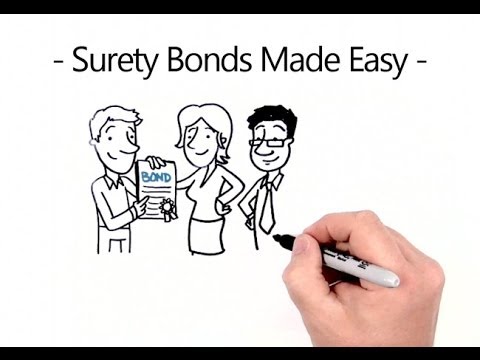
For many contractors, surety bonds are a necessary part of doing business. They are often required for public projects and large private contracts. A bond is a three-party agreement that guarantees project completion. It protects the project owner from financial loss if you fail to meet the contract terms.

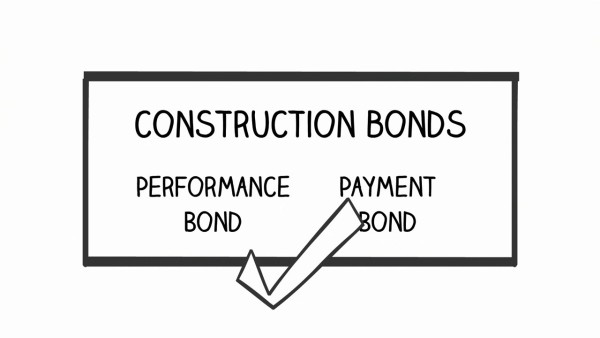
There are several common types of bonds you might encounter. A bid bond ensures your bid is submitted in good faith. A performance bond guarantees you will complete the project as specified in the contract. A payment bond assures that you will pay your subcontractors and suppliers. Knowing which type you need is crucial, as most public agencies require both performance and payment bonds on contracts exceeding a specific dollar threshold.

Maintaining bond eligibility requires strong financials. Sureties look at your company’s credit history, work experience, and financial stability. They want to see that you have the capacity to complete the job. A history of successful, profitable projects is your best asset, but consistent working capital and a positive net worth are equally decisive factors in the underwriting process.

To improve your chances of approval, organize your financial documents. This includes balance sheets, profit and loss statements, and cash flow projections. Be prepared to explain your business plan and the specifics of the project you’re bidding on. Transparency builds trust with the surety. A common mistake is submitting interim financial statements that are not reconciled with your year-end tax returns—sureties frequently cross-check these figures, and discrepancies can delay approval or trigger additional scrutiny.

Before applying for a bond, it’s wise to review your company’s financial health. Address any outstanding debts or liens. Ensure your business licenses and registrations are current. A clean operational record demonstrates reliability to the surety company. Also, verify that your workers’ compensation and general liability insurance policies are active and meet the minimum coverage limits required by the project owner.

Building a relationship with a surety bond agent or broker can be highly beneficial. They can guide you through the process and help you present your business in the best light. A good agent will explain the underwriting criteria and help you find the right bond for your specific needs. They also serve as an intermediary if you need to negotiate terms or address a claim.

  • Gather and organize two to three years of business and personal tax returns.
  • Prepare detailed job cost histories for your recent major projects.
  • Update your business plan to include current market positioning and future goals.
  • Obtain a current business credit report to identify and address any discrepancies.

When you begin the application process, expect the surety to request a personal financial statement from each principal owner. This is standard practice even for established LLCs or corporations, because personal creditworthiness is a significant factor in the underwriting decision. If you have a prior bond claim or bankruptcy on your record, disclose it upfront—attempting to hide it will almost certainly result in a denial.

Remember, a surety bond is not insurance. It is a guarantee of your performance and financial responsibility. The surety company is taking a risk on your ability to fulfill the contract. If a claim is made against your bond, you are ultimately responsible for reimbursing the surety for any losses paid, including legal fees and settlement costs.

For more detailed information on the legal framework and public policy behind surety bonds, you can refer to the U.S. Small Business Administration website.


bookmark_borderBond Market : How Much Does a Surety Bond Cost?

Understanding the cost of a surety bond is a critical first step for contractors, business owners, and professionals navigating licensing and project requirements. The price isn’t a one-size-fits-all figure but is determined by a careful assessment of risk by the surety company.

What Is a Surety Bond?

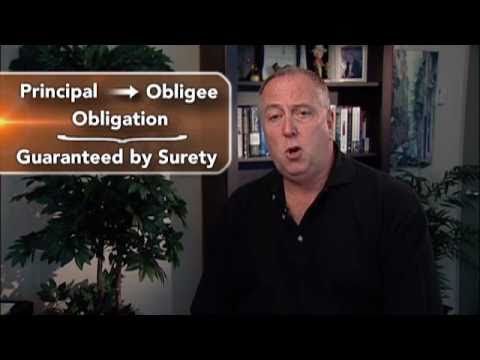
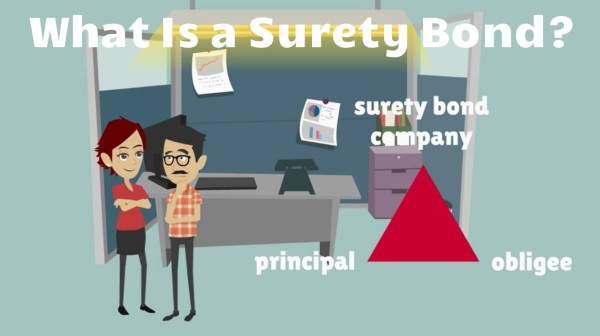
A surety bond is a three-party agreement that guarantees compliance with laws, regulations, or contract terms. The three parties are the principal (who needs the bond), the obligee (who requires the bond, often a government entity), and the surety (the company that issues the bond and guarantees the principal’s performance). If the principal fails to meet their obligations, a claim can be filed against the bond for financial compensation. This financial guarantee protects the obligee from losses arising from the principal’s non-compliance or default.

How Is the Cost of a Surety Bond Determined?

The premium you pay is primarily based on your credit score and financial strength. This is because the surety is taking a risk on your ability to fulfill your bonded obligations. Other factors include your industry experience, the bond amount, and the specific bond type’s inherent risk level. The surety underwriter weighs these variables to arrive at a premium that reflects the likelihood of a claim being filed.

For many standard commercial bonds, applicants with strong credit may pay a premium between 1% and 3% of the total bond amount. For example, a $50,000 bond might cost between $500 and $1,500 annually. However, for higher-risk contract bonds or applicants with credit challenges, rates can be significantly higher, ranging from 5% to 15% or more. In some cases, a surety may require collateral for applicants with severely impaired credit, which is a separate agreement from the premium payment.

Key Factors Influencing Your Bond Premium

Several key elements directly impact the rate you are offered:

  • Personal Credit History: This is often the most significant factor. A higher credit score typically secures a lower premium rate.
  • Financial Statements: Sureties will review business and personal financials, including liquidity and debt-to-equity ratios, to assess stability.
  • Industry and Bond Type: Some professions, like construction contracting, are viewed as higher risk than others, such as notary publics.
  • Bond Amount and Term: The required coverage amount and the length of the bond obligation directly influence the cost.

To navigate this process effectively, it is essential to prepare the necessary documentation in advance. This typically includes a completed bond application, personal and business financial statements, and relevant details about the project or license requiring the bond. Having these documents organized can expedite underwriting.

A common mistake applicants make is assuming the quoted rate is the final total cost. Always confirm whether the premium covers the full bond term or if it must be renewed annually. For multi-year projects, some sureties offer a non-refundable premium for the entire duration, while others charge an annual renewal fee that can catch contractors off guard if not budgeted for upfront. Clarify this with your agent before signing any indemnity agreement.

How to Get the Best Surety Bond Rate

To secure the most favorable rate, it is advisable to work with an experienced surety bond agency that has access to multiple markets. They can shop your application to various sureties to find the best fit for your specific profile. Furthermore, improving your credit score and maintaining strong, organized financial records are the most effective long-term strategies for reducing your bond costs.

For a formal definition and further details on the legal framework, you can refer to the U.S. Small Business Administration’s guide on bonding for small businesses.

Conclusion

The cost of a surety bond is a variable investment in your business’s credibility and compliance. By understanding the key rating factors and preparing your financial profile, you can approach the bonding process with confidence and secure the necessary coverage at a competitive rate.

bookmark_borderBrian Linnekens – Types of Surety Bonds – GI20.wmv

Surety bonds are a critical financial instrument used to guarantee performance, payment, or compliance with laws and regulations. They involve three parties: the principal (who needs the bond), the obligee (who requires the bond), and the surety (the company that backs the bond). This three-party agreement distinguishes them from insurance, which is a two-party contract between the insurer and the insured.

There are two primary categories of surety bonds: contract bonds and commercial bonds. Contract bonds are specifically tied to construction projects or large contracts, ensuring the principal fulfills the terms of the agreement. Commercial bonds, on the other hand, are required by government agencies to ensure compliance with various laws and regulations across many industries.

Understanding the specific bond required for your situation is essential. The application process involves a thorough review of the principal’s financial statements, work history, and creditworthiness by the surety company. This underwriting process determines the bond’s premium and the likelihood of approval, with stronger financial profiles typically securing more favorable rates.

For businesses, securing the right surety bond is not just about meeting a legal requirement; it’s a strategic step that builds trust with clients and government entities, demonstrating financial reliability and a commitment to fulfilling obligations. A strong bonding capacity can be a significant competitive advantage when bidding on projects, as it signals to project owners that the contractor has passed rigorous financial scrutiny.

When selecting a surety provider, consider their expertise in your specific industry, their financial strength, and their reputation for customer service. A knowledgeable surety agent can guide you through the complexities of different bond types and help you navigate the underwriting requirements efficiently. Working with an agent who understands your niche can also prevent costly delays caused by incomplete applications or mismatched bond classifications.

Common Types of Surety Bonds

Within the main categories, there are numerous specific bond types. A bid bond guarantees that a contractor will enter into a contract if awarded the project and will provide the required performance and payment bonds. A performance bond protects the project owner from financial loss if the contractor fails to perform according to the contract terms. A payment bond ensures that subcontractors and suppliers are paid for their labor and materials.

Other prevalent commercial bonds include license and permit bonds, which are often mandated by local or state governments for businesses to operate legally, and court bonds, which may be required for various legal proceedings such as appeals or the appointment of an estate executor.

For more detailed information on the legal framework and public procurement rules surrounding surety bonds, you can refer to resources from the U.S. Small Business Administration.

  • Bid Bonds: Ensure a contractor will honor their bid and proceed with the contract.
  • Performance Bonds: Guarantee the project will be completed as specified in the contract.
  • Payment Bonds: Protect subcontractors and suppliers from non-payment.
  • License & Permit Bonds: Required by municipalities for businesses to obtain necessary licenses.
  • Court Bonds: Used to guarantee compliance with court orders or fiduciary responsibilities.

One practical consideration that often surprises first-time bond applicants is the distinction between a bond’s penal sum and its premium. The penal sum is the maximum amount the surety will pay if the principal defaults, while the premium is the fee the principal pays for the bond—typically a small percentage of the penal sum. Many business owners mistakenly assume the premium is the bond’s full value, leading to confusion when comparing quotes. Additionally, some bonds, such as license and permit bonds, may be written for a fixed term and require annual renewal, whereas contract bonds expire once the underlying project is completed and the warranty period lapses. Confirming these terms in writing before purchasing a bond can prevent unexpected costs and coverage gaps.

In conclusion, surety bonds play a fundamental role in managing risk and fostering trust in commercial and contractual relationships. By ensuring that obligations are met, they provide security for all parties involved and help projects and businesses proceed with greater confidence.

bookmark_borderWhat Is a Surety Bond?

A surety bond is a three-party agreement that legally binds a principal, an obligee, and a surety. It guarantees that the principal will fulfill an obligation, such as performing a task or complying with regulations, to the obligee. If the principal fails, the surety is financially responsible to the obligee for the losses incurred, up to the bond’s penal sum.

This financial instrument is not insurance for the principal but rather a guarantee of performance or compliance provided to a third party. The principal remains ultimately liable for the obligation and must reimburse the surety for any claims paid out. Unlike an insurance policy, which transfers risk to the insurer, a surety bond actually preserves risk with the principal, who must indemnify the surety for any loss.

How Does a Surety Bond Work?

The process involves three distinct entities. The principal is the party who needs the bond and is responsible for performing the obligated task. The obligee is the party requiring the bond, typically a government agency or project owner, who is protected by its terms. The surety is the company, often a specialized insurer, that underwrites the bond and guarantees the principal’s performance to the obligee.

If the principal defaults, the obligee can file a claim against the bond to recover financial losses. The surety will investigate the claim and, if valid, compensate the obligee. The surety then has the right to seek full reimbursement from the principal for the claim amount plus any associated fees, as outlined in the indemnity agreement signed when the bond was issued. This indemnity agreement is a critical component of the bond arrangement, and it is what distinguishes a surety bond from traditional insurance coverage.

Common Types of Surety Bonds

Surety bonds are broadly categorized by their purpose. Contract bonds guarantee the performance of contractors on construction projects, ensuring they adhere to the terms of their bid and complete the work. Commercial bonds are often required by government agencies to ensure businesses comply with laws and regulations, such as licensing or permit requirements. Court bonds, also known as judicial bonds, are used to guarantee compliance with court orders, often in probate or fiduciary cases.

For a comprehensive overview of the different categories and their uses, the U.S. Small Business Administration provides valuable resources on bonding requirements for contractors.

Why Are Surety Bonds Important?

They provide critical financial security and risk management in business and legal contexts. For obligees, bonds offer a layer of protection against financial loss due to non-performance, fraud, or non-compliance. This assurance allows projects to proceed and regulations to be enforced with greater confidence.

For principals, obtaining a bond is often a mandatory step to operate legally, bid on projects, or obtain licenses. The underwriting process also serves as a vetting mechanism, as sureties assess the principal’s financial health and track record before issuing a bond, which can enhance the principal’s credibility in the marketplace. A principal who successfully secures a bond demonstrates financial stability and reliability to potential clients and partners.

  • License and Permit Bonds: Required by state or local governments for businesses to obtain a professional or operational license.
  • Bid Bonds: Guarantee that a contractor will honor their bid price and enter into the contract if awarded the project.
  • Performance Bonds: Protect the project owner from financial loss if the contractor fails to perform according to the contract terms.
  • Payment Bonds: Ensure that subcontractors and suppliers on a project will be paid, preventing mechanic’s liens.

Getting a Surety Bond

The application involves a detailed review of the principal’s financial statements, credit history, industry experience, and the specific project or obligation. Strong financials and a solid track record typically result in better rates and terms. The cost, known as the premium, is usually a small percentage of the total bond amount and is based on the assessed risk. For standard commercial bonds, premiums typically range from 1% to 3% of the bond amount, but this can vary significantly based on creditworthiness and the specific bond type.

One common misconception is that a surety bond provides coverage for the principal’s own mistakes or poor workmanship. In practice, the bond protects the obligee, not the principal, and the surety will pursue the principal for full reimbursement of any claim paid. Contractors who fail to budget for potential claims often find themselves facing significant financial strain when a surety exercises its right of subrogation to recover losses.

bookmark_border2013 – Fiduciary Liability, Cyber Liability, and Fidelity Bond: A Policy Coverage Update

In the evolving landscape of corporate risk, understanding the nuances of your insurance portfolio is more critical than ever. This update focuses on three key areas of coverage that demand renewed attention from business leaders and risk managers: fiduciary liability, cyber liability, and fidelity bonds.

Fiduciary Liability Insurance: Protecting Plan Sponsors

Fiduciary Liability Insurance is designed to protect the individuals and entities responsible for managing employee benefit plans. If you serve as a plan sponsor, trustee, or committee member, you can be held personally liable for alleged errors in the administration of these plans. This coverage is distinct from a standard Directors and Officers (D&O) policy and is essential for anyone with fiduciary duties under ERISA. Claims can arise from a variety of issues, including investment selection, plan fees, and disclosure failures. Importantly, the Department of Labor continues to scrutinize plan fee reasonableness and investment oversight, making robust fiduciary coverage a non-negotiable component of a comprehensive risk profile.

Cyber Liability Insurance: Beyond Data Breach

While many businesses now recognize the need for some form of cyber protection, policies vary widely in scope. A robust Cyber Liability policy should address both first-party and third-party exposures. This means it covers your direct costs, such as forensic investigation, data restoration, and business interruption, as well as your liabilities to others, including legal defense, regulatory fines, and customer notification expenses. It is a critical tool for managing the financial impact of a cyber incident, which can be devastating even for smaller organizations. A common oversight is failing to secure coverage for social engineering fraud, a distinct peril that often requires a separate insuring agreement and is frequently excluded from standard cyber forms.

Fidelity Bonds: A Specific Safeguard

A Fidelity Bond, often called a crime policy, protects a business from financial losses caused by fraudulent acts committed by employees. This can include theft, embezzlement, or forgery. It is a specific form of coverage that is frequently required for businesses that handle client funds or have employees in positions of financial trust. Unlike broad commercial crime policies, a fidelity bond specifically indemnifies the employer for losses resulting from employee dishonesty.

When reviewing your fidelity bond, ensure you understand the key terms that define its protection:

  • Discovery Period: The timeframe after a policy ends during which you can report a loss that occurred while the policy was active.
  • Single Loss vs. Aggregate Limits: Whether the limit applies per incident or is a total cap for the policy period.
  • Insured Persons: Clarifies which employees (e.g., all, only those handling money) are covered under the bond.

In practice, one of the most frequent errors we encounter is the assumption that a fidelity bond automatically covers losses from third-party fraud or vendor impersonation. Standard employee dishonesty coverage does not extend to losses caused by outsiders, even if an employee unknowingly facilitated the scheme. Verify whether your policy includes a separate computer fraud or funds transfer fraud insuring agreement, as these are often the only mechanisms that respond to sophisticated electronic payment manipulation.

Integrating Your Coverage

The most effective risk management strategy views these policies not in isolation, but as interconnected components of your financial defense. Gaps can easily occur where one policy ends and another begins. For instance, a data theft by an employee might trigger questions of coverage under both a Cyber Liability policy and a Fidelity Bond. A thorough review with your insurance advisor is necessary to identify potential overlaps and ensure there are no dangerous coverage silos. Proactive alignment of these coverages strengthens your organization’s overall resilience.

bookmark_borderSurebond Sealer Application Video

This video provides a step-by-step visual guide to applying Surebond joint sealant, ensuring a proper and durable seal for your paving project. Following the demonstrated techniques is crucial for achieving a professional finish that resists water ingress and weed growth. Mastery of these methods directly correlates with the longevity of the installation, preventing costly callbacks and premature pavement deterioration.

For comprehensive technical specifications and safety data, professionals can refer to the product’s official documentation. Understanding these details ensures the sealant is used within its optimal parameters for climate and substrate type. Consulting the technical data sheet prior to deployment is a best practice that mitigates the risk of adhesive failure in demanding environmental conditions.

Before you begin, ensure you have all necessary tools and materials ready. A well-prepared workspace significantly improves application efficiency and final results. Organizing your tools and staging the work area to match the sequence of operations minimizes downtime during the critical application window.

  • A clean, dry joint free of debris, vegetation, and moisture.
  • The appropriate Surebond sealant cartridge for your project scale.
  • A standard caulking gun.
  • A joint tool or smoothing tool for finishing.
  • Personal protective equipment, including gloves and safety glasses.

Pay close attention to the application temperature and moisture conditions shown in the video, as these environmental factors directly impact curing time and adhesive performance. Proper surface preparation, as thoroughly illustrated, is the most critical step for long-term bond integrity. When working in cooler conditions, allow for extended cure times before allowing traffic back onto the sealed surface; rushing this process is a common cause of tracking and sealant displacement. Conversely, in high heat, work in smaller sections to ensure the sealant is tooled before it begins to skin over.

bookmark_borderMaintenance Bonds

A maintenance bond, also known as a warranty bond, is a specific type of surety bond that guarantees a contractor’s work will remain free from defects for a specified period after project completion. This bond protects the project owner from the financial burden of repairing or replacing faulty workmanship or materials. It is a crucial risk management tool in construction and other industries where long-term performance is essential.

Unlike a performance bond, which ensures the project is completed, a maintenance bond specifically covers the warranty period. This period is typically defined within the contract and can last for one year or longer, depending on the project’s scope and requirements. The bond provides a financial guarantee that the contractor will honor their warranty obligations. Because the bond is tied to specific contractual language, owners should verify that the bond’s effective dates align precisely with the warranty commencement and expiration dates stated in the agreement.

If defects arise during the warranty period and the contractor fails to address them, the project owner can file a claim against the maintenance bond. The surety company that issued the bond will then investigate the claim. If the claim is valid, the surety will provide compensation to the project owner to cover the cost of repairs, up to the bond’s full amount.

For a claim to be successful, the project owner must demonstrate that the issues are a direct result of the contractor’s work and fall within the bond’s specified terms and coverage period. This process underscores the importance of clear contract language defining the warranty’s scope and duration. In practice, disputed claims often hinge on whether the reported issue stems from defective workmanship or from normal wear and tear, which is typically excluded from coverage.

Obtaining a maintenance bond involves the contractor applying through a surety company, which will assess the contractor’s financial stability, work history, and expertise. Strong credentials and a solid track record are essential for securing favorable bond terms. The cost, known as the premium, is typically a small percentage of the bond amount and is influenced by the contractor’s creditworthiness and the perceived risk of the project.

  • They provide project owners with financial recourse for post-completion defects.
  • They incentivize contractors to perform high-quality, durable work to avoid claims.
  • They enhance a contractor’s credibility and competitiveness when bidding on projects.
  • They help ensure compliance with contractual warranty obligations.

A practical consideration for project owners is that a maintenance bond does not eliminate the need for a thorough final inspection and punch list process. Even with a bond in place, owners should document all observed deficiencies in writing before the warranty period begins, as this creates a clear baseline for any future claims. Contractors, meanwhile, should keep detailed records of all warranty-related communications and repair work to demonstrate good-faith compliance if a dispute arises.

Maintenance bonds are commonly required on public infrastructure projects, such as roads, bridges, and public buildings, where long-term structural integrity is paramount. They are also frequently used in private construction for large commercial developments. Understanding the role of a maintenance bond is vital for both contractors and project owners to ensure a project’s lasting success and to mitigate post-construction risk.

For more detailed information on surety bonds in federal contracting, you can refer to the U.S. Small Business Administration website.
bookmark_borderCONTRACTOR INSURANCE QUOTES, QUOTE , CONTRACTORS

Securing the right insurance is a fundamental step for any contracting business, serving as a critical safeguard against unforeseen liabilities and financial losses. Obtaining contractor insurance quotes is the essential first move in this protective process. It allows you to compare coverage options and premiums from various providers to find a policy that aligns with your specific trade, project scope, and risk profile.

Never underestimate the importance of being properly insured. A single jobsite accident or client lawsuit could lead to devastating costs that threaten your company’s survival. The right insurance policy acts as a financial shield, covering legal fees, medical expenses, and repair costs so your business can continue operating smoothly.

When requesting quotes, be prepared to provide detailed information. Insurers will typically ask for your business history, number of employees, annual revenue, types of projects you undertake, and the value of your tools and equipment. Providing accurate and comprehensive details ensures the quotes you receive are realistic and applicable to your operations.

  • General Liability Insurance: Covers third-party bodily injury and property damage claims.
  • Workers’ Compensation: Provides benefits to employees injured on the job, as required by state law.
  • Commercial Auto Insurance: Covers vehicles used for business purposes.
  • Tools and Equipment Coverage: Protects your valuable tools from theft, loss, or damage, whether on-site or in transit.
  • Professional Liability (Errors & Omissions): Protects against claims of negligence, mistakes, or inadequate work in your professional services.

When comparing quotes, pay close attention to how each insurer defines “additional insured” status for the property owners or general contractors you work under. Many project contracts require you to add them to your policy, and failing to secure this endorsement can void your coverage on that job or make you contractually non-compliant. Verify that the quote explicitly includes this provision, as some carriers charge extra for it, and a missed detail here can stall a project start or expose you to liability.

It’s also wise to review the specific requirements for contractors in your state, as regulations can vary significantly. For authoritative information on state-specific workers’ compensation programs and regulations, you can refer to the U.S. Department of Labor’s Office of Workers’ Compensation Programs.

Remember, the cheapest quote is not always the best value. Scrutinize the coverage limits, deductibles, and exclusions in each proposal. A policy with slightly higher premiums might offer substantially broader protection, which could prove invaluable in the event of a major claim. Investing time in this evaluation is an investment in your business’s long-term stability and reputation.

bookmark_borderContractors Insurance | California Contractor Bonds | Contractors Bonding and Insurance Company

Operating a contracting business in California requires navigating a complex landscape of financial and legal protections. Two of the most critical components for your operation are contractors insurance and California contractor bonds. While they are often discussed together, they serve fundamentally different purposes for your business.

What is the Difference Between a Bond and Insurance?

Understanding the distinction between a bond and insurance is crucial for compliance and risk management. A contractor bond is a three-party guarantee that protects the project owner or public entity by ensuring you fulfill the terms of a contract or license. If you fail to meet your obligations, a claim can be made against the bond, and the surety company will seek reimbursement from you for any damages paid. In contrast, contractors insurance is a two-party policy that protects your business assets from covered losses like property damage, bodily injury, or lawsuits. It is a direct shield for your company’s financial health, transferring specific risks to the insurer in exchange for a premium.

Why Do California Contractors Need a Bond?

The Contractors State License Board (CSLB) mandates that most licensed contractors obtain and maintain a contractor license bond. This requirement is not merely a formality; it is a foundational element of consumer protection and industry standards in the state. The bond provides a financial recourse for clients if a contractor violates licensing law, such as by committing fraud or failing to complete a project as agreed. Without a valid bond, a contractor cannot legally operate in California, making it non-negotiable for business legitimacy. The bond amount is set by law and serves as a ceiling for eligible claims, so understanding your specific bond limit is essential for managing potential liability.

Essential Insurance Policies for Contractors

While a bond is legally required, a robust insurance portfolio is a hallmark of a prudent and professional contracting business. General Liability Insurance is the cornerstone, covering third-party bodily injury and property damage. Other vital coverages include:

  • Commercial Auto Insurance: For vehicles used for business purposes.
  • Tools and Equipment Coverage (Inland Marine): Protects your valuable tools and machinery, whether on your premises, in transit, or at a job site.
  • Workers’ Compensation: Legally required if you have employees, providing benefits for work-related injuries or illnesses.
  • Builder’s Risk Insurance: Covers buildings and materials during construction against risks like fire, theft, or vandalism.

Choosing the right policies depends on your trade, project size, and specific risk exposures. A common oversight is assuming a subcontractor’s insurance covers your liability on a project—always verify certificates of insurance and request to be named as an additional insured where appropriate. This simple step can prevent significant financial exposure if a subcontractor’s coverage lapses or proves inadequate.

How to Get Bonded and Insured in California

The process involves working with a specialized surety and insurance agency like Contractors Bonding and Insurance Company. We streamline the application process for both bonds and insurance. For bonds, we assess your personal credit, business financials, and experience. For insurance, we evaluate your operations to tailor a policy that fits your specific trade and risk profile. Our expertise allows us to secure the best possible terms and premiums for your contracting business, ensuring you are fully protected and compliant. Be prepared to provide detailed information about your business structure, safety protocols, and project history—the more accurate your disclosures, the more competitive your rates will be.

Choosing the Right Partner for Your Coverage

Selecting a provider with deep expertise in the construction industry is paramount. A partner who understands the unique challenges California contractors face can offer more than just a policy—they provide risk management guidance and claims support. Look for a company with a proven track record of reliability and service in the contractor community. This ensures your business is built on a solid foundation of protection. A knowledgeable agent will also review your coverage annually to account for changes in your operations, such as new trades, higher-value projects, or additional employees, so your protection keeps pace with your growth.

bookmark_borderSurety Bonds vs Insurance Policies

Understanding the Core Concepts

Surety bonds and insurance policies are both risk management tools, but they function on fundamentally different principles. An insurance policy is a two-party contract between the insurer and the insured, designed to protect the insured from unforeseen losses and transfer that risk to the insurance company. In contrast, a surety bond is a three-party agreement that guarantees the performance or obligation of the principal (the party required to have the bond) to the obligee (the party protected by the bond), with the surety company providing a financial guarantee of that performance.

Key Differences in Purpose and Function

The primary purpose of insurance is to indemnify and protect the policyholder against future accidental losses, spreading risk across a large pool of similar policyholders. Conversely, a surety bond is a form of credit extended by the surety to guarantee the principal’s reliability and ability to fulfill a specific contractual or legal obligation, such as completing a construction project or complying with licensing regulations. The surety company will seek reimbursement from the principal for any claims paid out, a concept known as indemnification, which is not a standard feature in insurance contracts. This fundamental distinction means that insurance underwriters evaluate the likelihood of loss, while surety underwriters assess the principal’s character, capacity, and financial strength to determine whether they are worthy of the credit being extended.

For a more detailed overview of surety bonds, including their history and legal framework, you can refer to the U.S. Small Business Administration website.
Who is Protected?

This is a critical distinction. With an insurance policy, the protected party is the policyholder who pays the premium. The insurance company’s duty is to its customer. With a surety bond, the protected party is the obligee (e.g., a project owner or government entity), not the principal who purchases the bond. The bond serves as a safeguard for the party requiring the guarantee. In practice, many principals are surprised to learn that the surety’s loyalty lies with the obligee, not with them, which fundamentally changes how disputes and claims are handled.

Common Types and Use Cases

Insurance policies are ubiquitous, covering areas like health, auto, property, and liability for businesses and individuals. Surety bonds are often mandatory for specific industries and activities. Common bond types include:

  • Contract Bonds: Required for construction projects (bid bonds, performance bonds, payment bonds).
  • Commercial Bonds: Needed for licenses, permits, and compliance (license & permit bonds, court bonds).
  • Fidelity Bonds: Protect businesses from employee dishonesty or theft.

When securing a surety bond, applicants should expect a thorough financial review that is far more rigorous than a typical insurance application. Surety underwriters will scrutinize personal credit scores, business financial statements, and industry experience, and they often require collateral or an indemnity agreement from business owners. A common mistake is assuming that a strong insurance history automatically qualifies a business for bonding capacity; in reality, surety approval is a separate and often more demanding process that requires a proven track record of completing similar obligations successfully.

The Claims Process

When an insurance claim is filed, the insurer investigates and, if valid, compensates the insured. The relationship is adversarial only in the sense of validating the claim. In a surety bond scenario, a claim by the obligee triggers an investigation by the surety. If the claim is valid, the surety will pay the obligee up to the bond’s penal sum but will then seek full reimbursement from the principal, as the principal remains ultimately liable for their own failure. This means that a bond claim can have severe financial consequences for the principal, including potential bankruptcy, which is why principals should exhaust all contractual remedies before a claim is filed.

Choosing the Right Tool

Choosing between a surety bond and insurance is not a matter of preference but of requirement and function. You typically purchase insurance to protect your own assets and manage your own risk exposure. You obtain a surety bond because a third party (a client, government agency, or court) requires a guarantee of your performance, financial responsibility, or compliance. Often, businesses will need both instruments to operate fully and securely, and understanding the distinct roles each plays is essential for proper risk management and regulatory compliance.

bookmark_borderHow to Get Bonded?

What is a Bond?

A surety bond is a three-party agreement that guarantees compliance with laws, regulations, or contractual terms. It involves the principal (the party required to have the bond), the obligee (the entity requiring the bond, often a government agency), and the surety (the company that underwrites and issues the bond). If the principal fails to meet their obligations, a claim can be filed against the bond for financial compensation.

Why Get Bonded?

Being bonded is often a legal requirement for obtaining a business license or operating in a regulated industry, such as construction or auto dealerships. Beyond compliance, it provides a powerful signal of trustworthiness to clients and partners, demonstrating that your business is financially accountable for its work. This can be a decisive competitive advantage when bidding on projects, as many public and private contracts explicitly require proof of bonding before proposals are even considered.

Types of Surety Bonds

There are two primary categories of surety bonds: contract bonds and commercial bonds. Contract bonds are tied to specific construction or service projects, ensuring the job is completed as agreed. Commercial bonds, often called license and permit bonds, are required by government agencies to ensure businesses adhere to industry regulations and laws. Understanding which type you need is the first critical step in the application process, as applying for the wrong category will delay your approval and may require a separate underwriting cycle.

The Bonding Process

To get bonded, you must apply through a licensed surety bond company or an authorized agent. The surety will evaluate your application, which typically involves a review of your personal and business financial health, including credit history, assets, and experience in your field. This underwriting process determines your risk level and the premium you will pay, which is usually a small percentage of the total bond amount. Applicants with credit scores below 650 should expect a more rigorous review and may need to provide collateral or a co-signer to secure approval.

To prepare for a smooth application, gather these key documents in advance:

  • A completed bond application form.
  • Business and personal financial statements.
  • Details about the project or license requiring the bond.
  • Relevant business licenses and resumes showcasing industry experience.

One practical detail often overlooked: the surety will verify your financial statements against tax returns, so discrepancies between what you report and what you filed with the IRS will stall the process. Additionally, if you are applying for a contractor license bond, some states require a separate affidavit of work history, which must be notarized before submission.

Costs and Premiums

The cost of a surety bond is not its face value but a premium, typically ranging from 1% to 15% of the total bond amount. For applicants with strong credit and financials, premiums are generally on the lower end of this scale. It’s important to note that the premium is an annual cost for as long as the bond is required. For more detailed information on bonding requirements and regulations, you can refer to the U.S. Small Business Administration website.

Maintaining Your Bond

Once you secure a bond, you must maintain it in good standing for the duration of its term. This means paying premiums on time and, more importantly, adhering to all the obligations the bond guarantees. Any valid claim filed and paid out by the surety must be reimbursed by you, the principal. Failure to do so can lead to legal action and make it extremely difficult and expensive to obtain bonding in the future, as the surety will report the claim to industry databases that other underwriters consult.

bookmark_borderHow to get a Surety Bond in 5 Minutes!

Securing a surety bond quickly is a priority for many contractors and business owners. The process can be streamlined significantly by preparing the necessary documentation in advance. This includes financial statements, business licenses, and details about the specific contract or obligation requiring the bond. Having these items ready is the most effective way to accelerate the underwriting process and avoid unnecessary delays.

To ensure a smooth and rapid application, follow these key steps:

  • Gather all required financial and business documentation.
  • Complete the application form with accurate, detailed information.
  • Submit your application to a reputable, A-rated surety provider.
  • Be prepared to discuss your application with an underwriter if needed.

It’s important to understand that a surety bond is a three-party agreement. The principal (you) is obligated to perform, the obligee (the project owner or government entity) requires the bond, and the surety (the bonding company) guarantees the principal’s performance. For more detailed information on the legal framework, you can refer to resources from the U.S. Small Business Administration.

While “5 minutes” is an ideal, the actual time can vary based on your preparedness and the bond type. A simple bond with a strong application can be approved in minutes, while more complex bonds may require additional review. The key is to work with an efficient provider and have your information organized.

One practical distinction that accelerates approvals is knowing whether your bond falls under standard or distressed underwriting. Standard bonds—such as license and permit or small contractor bonds—often receive instant approval when the applicant has a clean claims history and verifiable financials. Distressed cases, however, involve prior bond forfeitures, pending litigation, or poor credit, and these routinely require additional collateral or a co-signer regardless of how quickly you submit the paperwork. Preparing bank references and a current work-in-progress schedule in advance can cut days off the review process for larger contract bonds.

bookmark_borderBROKERS — Fastest & Easiest Surety Bond Issuance Web Service (FREE!)

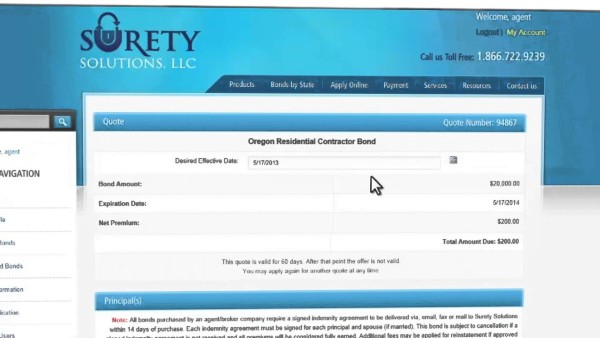
Our proprietary technology platform is designed to streamline the entire surety bond process for brokers, delivering unparalleled speed and efficiency. By leveraging advanced automation and a vast network of A-rated carriers, we eliminate traditional bottlenecks, allowing you to secure quotes and bind coverage in minutes, not days. This service is completely free for brokers, with no hidden fees or subscription costs, ensuring you can offer your clients the best surety solutions without increasing your operational overhead.

We understand that time is your most valuable asset. That’s why our system provides instant preliminary indications and firm quotes directly through our secure online portal. You can manage all your bond submissions, quotes, and documents in one centralized dashboard, dramatically reducing administrative tasks and follow-up calls.

To get started, simply register for your free account. The registration process is quick and straightforward, requiring only basic information to verify your brokerage credentials. Once approved, you gain immediate access to our full suite of bonding services.

Here are the key advantages of using our platform:

  • Instant Quotes: Receive real-time, bindable quotes for a wide range of bond types.
  • Centralized Dashboard: Track all submissions, quotes, and executed bonds in one secure location.
  • Direct Carrier Access: Our platform connects you directly to top-rated surety markets, ensuring competitive rates and reliable capacity.
  • Dedicated Support: Access expert underwriting support to navigate complex or large-bond requests.

Surety bonds are a critical tool for managing risk and ensuring contractual compliance across numerous industries, from construction to licensing. For a comprehensive overview of how surety bonds function and their importance, you can refer to the U.S. Small Business Administration’s surety bond program page.

When submitting a bond request, ensure all principal financial statements and indemnity agreements are uploaded in full — incomplete submissions are the leading cause of underwriting delays. Additionally, verify that the obligee’s name and bond form number match the contract documents exactly; discrepancies here often trigger costly rewrites and re-execution. A quick pre-submission checklist against these two items will save you and your client significant turnaround time.

Our commitment is to empower brokers with the tools needed to grow their surety business effortlessly. Join the hundreds of brokers who have transformed their bonding operations with our service. Experience the future of surety bond issuance today.

bookmark_borderSurety bond Meaning

A surety bond is a legally binding contract that ensures specific obligations are met, providing a financial guarantee to a project owner, known as the obligee, that a contractor, the principal, will fulfill the terms of a contract. It is a crucial risk management tool in construction and other industries, protecting against financial loss if the principal fails to perform. The surety company, which issues the bond, assumes the liability and guarantees the obligee will be compensated if the principal defaults.

There are three primary parties involved in every surety bond agreement. The principal is the party required to obtain the bond and perform the contractual obligation. The obligee is the party receiving the bond’s protection, typically a project owner or government entity. The surety is the company that underwrites and issues the bond, guaranteeing the principal’s performance or financial commitment to the obligee. Each party’s role is clearly defined in the bond language, which specifies the exact conditions under which a claim can be made and the surety’s liability is triggered.

Surety bonds are not insurance; they are a form of credit. While insurance protects the policyholder from unforeseen events and spreads risk, a surety bond guarantees the performance or behavior of the principal. The principal remains fully liable for any claims and must reimburse the surety for any losses paid out. This fundamental distinction underscores that bonds are a pre-qualification tool, ensuring a contractor is capable and credible before work begins. Because the surety conducts a thorough financial and operational review before issuing a bond, the approval process itself serves as a meaningful endorsement of the contractor’s stability.

For contractors, securing a surety bond involves a rigorous underwriting process similar to applying for a line of credit. Sureties evaluate the company’s financial statements, work history, industry experience, and creditworthiness. Maintaining a strong financial position and a solid track record of completing projects is essential for bond approval and favorable rates. Contractors should also be prepared to provide detailed project schedules and references from past clients, as sureties often verify performance history directly.

Common types of surety bonds include bid bonds, performance bonds, and payment bonds. A bid bond guarantees that a contractor will enter into a contract if awarded the project and will provide the required performance and payment bonds. A performance bond ensures the contractor will complete the project according to the contract terms. A payment bond guarantees that the contractor will pay subcontractors, laborers, and material suppliers. In practice, a contractor who fails to secure a performance bond after winning a bid may face legal action from the obligee, and the bid bond surety may be called upon to cover the difference in cost if the project is rebid at a higher price.

  • License and Permit Bonds: Required by government agencies to obtain a business license, ensuring compliance with laws and regulations.
  • Court Bonds: Used in judicial proceedings, including appeal bonds or fiduciary bonds, to guarantee compliance with court orders.
  • Commercial Bonds: A broad category covering various obligations, such as ensuring payment of taxes or compliance with specific regulations.

The benefits of surety bonds are significant for all parties. For obligees, they provide a secure financial guarantee and a mechanism for project completion without additional cost. For principals, being bondable enhances credibility, allowing them to compete for and win larger contracts. The surety’s pre-qualification process helps ensure only qualified contractors are awarded work, which raises industry standards and reduces overall project risk. A common mistake among new contractors is assuming that bonding capacity is unlimited; in reality, sureties set a maximum aggregate exposure based on the contractor’s working capital and current workload, so overextending on multiple projects can quickly exhaust available capacity.

If a claim is made on a bond, the surety will investigate to determine its validity. Valid claims will be paid, up to the bond’s penal sum, to fulfill the principal’s obligation to the obligee. However, because the bond is a guarantee of the principal’s debt, the principal is legally obligated to reimburse the surety for any claim payments, plus associated fees and interest. This recourse is a key feature distinguishing bonds from insurance. In some cases, the surety may also require the principal to sign an indemnity agreement before issuing the bond, which further solidifies the principal’s responsibility for any losses.

Understanding surety bonds is essential for anyone involved in contracting, project management, or regulated commerce. They are a foundational component of trust and financial security in business transactions, ensuring projects are completed and obligations are met. For more detailed information on the legal framework and public policy behind surety bonds, you can refer to resources like the U.S. Small Business Administration website.

bookmark_borderWhat is a Surety Bond in Houston

Understanding the Basics

A surety bond is a three-party agreement that guarantees the performance of a specific obligation. In Houston, these bonds are often required for contractors, businesses, and professionals to ensure they adhere to laws and contractual duties. The three parties involved are the principal (who needs the bond), the obligee (who requires the bond), and the surety (the company that backs the bond). If the principal fails to meet their obligations, the surety provides financial compensation to the obligee. Unlike traditional insurance, which protects the policyholder, a surety bond protects the obligee from the principal’s non-performance or non-compliance.

Common Types of Surety Bonds in Houston

Houston businesses encounter several key bond types. License and permit bonds are mandated by the city or state to legally operate in certain industries. Contract bonds, including bid, performance, and payment bonds, are essential for public and private construction projects to protect project owners and subcontractors. Court bonds may be required for various legal proceedings, such as appealing a judgment or acting as a fiduciary.

For a comprehensive overview of how these instruments function in a regulatory context, you can refer to the U.S. Small Business Administration’s guide.

Why They Are Required

Surety bonds serve as a critical risk management tool for the Houston economy. They protect public funds on municipal projects and ensure consumers are not financially harmed by unethical business practices. For contractors, securing a bond is a mark of credibility, demonstrating to clients and agencies that they are financially stable and trustworthy. This system helps maintain high standards of professionalism and compliance across numerous industries. Without this layer of financial assurance, many public projects would face significant exposure to contractor default and incomplete work.

How to Obtain a Surety Bond

The process begins by identifying the specific bond type and amount required by the Houston obligee, which is often a city department or project owner. Next, you must apply with a licensed surety company or agency, which will evaluate your personal and business financial health, including credit history and industry experience. Strong financials typically lead to lower premium rates. Upon approval and payment, the surety issues the bond, which you then file with the requiring authority to become compliant.

To streamline your application, ensure you have the following documentation readily available:

  • A completed and signed surety bond application form.
  • Business and personal financial statements (last 2-3 years).
  • Details of the project or contract requiring the bond.
  • Any relevant business licenses and resumes of key personnel.

One of the most frequent delays in the bonding process occurs when applicants underestimate the underwriter’s scrutiny of their liquidity ratios. A surety will closely examine your current assets versus current liabilities, and a ratio below 1.2:1 often triggers additional collateral requirements or a higher premium. Additionally, if you are a newly formed entity, the surety will typically review the personal credit of every owner with a 10% or greater stake, so ensure those individuals are prepared for a hard credit inquiry.

Costs and Factors

The cost of a surety bond in Houston is primarily determined by the required bond amount and the perceived risk of the principal. This premium is a small percentage of the total bond amount, often ranging from 1% to 15%. Key risk factors assessed by the surety include the applicant’s personal credit score, business financial strength, industry experience, and any previous claims history. Maintaining a strong credit profile is one of the most effective ways to secure favorable bond rates. For principals with credit scores below 650, expect a premium on the higher end of that range, and be prepared to provide additional collateral for particularly large contract bonds.

bookmark_borderHiranandani kidney racket: Five doctors granted bail on personal bond

The five doctors arrested in connection with the alleged kidney transplant racket at Mumbai’s Hiranandani Hospital have been granted bail by a sessions court. The bail was granted on a personal bond of Rs 50,000 each. The court noted that the police had already filed a chargesheet and that the accused were medical professionals with deep roots in the community, making them unlikely to flee.

The investigation, led by the Mumbai Police Crime Branch, alleges a sophisticated organ trafficking network that exploited financially vulnerable individuals. The accused doctors are charged with criminal conspiracy, cheating, and violations of the Transplantation of Human Organs and Tissues Act. This legislation establishes the legal framework for organ donation in India, aiming to prevent commercial dealings and ensure ethical practices. The Act’s provisions mandate that all transplants be conducted only after thorough verification of the donor-recipient relationship and with explicit approval from a registered authorization committee. For detailed information on the Act’s provisions, you can refer to the Ministry of Health and Family Welfare website.

The prosecution argued that the accused were central to the racket’s operations, which involved fraudulent approvals and the fabrication of donor-recipient relationships. However, the defense successfully contended that their clients’ continued custody was unnecessary for the ongoing probe. The court’s decision underscores that the investigation has reached a stage where further custodial interrogation is not required, particularly given the documentary nature of the evidence already collected.

This case has intensified scrutiny on the oversight mechanisms within private healthcare institutions. It raises critical questions about the enforcement of existing laws designed to protect donors and maintain the integrity of transplant procedures. In practice, hospital authorization committees often rely heavily on submitted paperwork rather than conducting independent, in-person interviews with both parties, a gap that can be exploited when documentation is forged.

To understand the ethical and legal requirements for a legitimate transplant, consider the following key criteria that must be verified:

  • Documented proof of a genetic or emotional relationship between donor and recipient, as defined by law.
  • Approval from an authorized hospital committee, which must interview both parties separately.
  • Comprehensive medical and psychological evaluations of the donor to ensure fitness and informed, voluntary consent.
  • Official certification from a magistrate confirming the donor’s consent is given freely and without coercion.
  • Verification of the donor’s residential address and identity through government-issued identification, as discrepancies here are a common red flag in fraudulent cases.

The next hearing in the case is scheduled for next month. Hospital administration has stated it is cooperating fully with authorities and has initiated its own internal review of protocols.

bookmark_borderWhat is a Tax Preparer Surety Bond ?

A tax preparer surety bond is a type of license bond required by many states for individuals and firms that prepare tax returns for a fee. It serves as a three-party agreement between the tax preparer (the principal), the state government (the obligee), and the surety company that issues the bond. This bond provides a financial guarantee that the tax preparer will comply with all applicable state laws and regulations governing their profession.

The primary purpose of the bond is to protect consumers from potential financial harm caused by fraudulent, negligent, or unethical actions by a tax preparer. For example, if a preparer commits fraud, engages in willful misconduct, or makes significant errors that cost a client money, the client can file a claim against the bond to seek compensation. This mechanism offers a layer of financial recourse for clients beyond the preparer’s own assets.

It is crucial to understand that a surety bond is not an insurance policy for the tax preparer. Instead, it functions more like a line of credit. If a valid claim is paid out by the surety company, the tax preparer is legally obligated to reimburse the surety for the full claim amount, plus any associated fees or interest. This indemnification agreement is a fundamental condition of the bond.

States that mandate these bonds set specific bond amounts, which can range from $5,000 to $100,000 or more. The required amount is not a premium but the maximum penalty the surety will cover. The tax preparer pays an annual premium, typically a small percentage of the total bond amount, which is determined by the surety based on the applicant’s personal credit history and financial strength.

To successfully obtain a tax preparer surety bond, applicants must undergo an underwriting process. This process involves a review of the applicant’s personal credit score, business financials (if applicable), and professional history. A strong application demonstrates financial stability and a clean professional record, which can lead to a lower premium rate. Conversely, issues like poor credit may result in a higher premium or the need to work with a specialty surety provider.

Beyond state requirements, holding a surety bond can significantly enhance a tax preparer’s professional credibility. It signals to potential clients that the preparer is licensed, bonded, and operates with a commitment to ethical standards. This can be a powerful differentiator in a competitive market, building trust before a client even shares their sensitive financial information.

Common Reasons for Bond Claims

Understanding what can trigger a claim is vital for risk management. Typical scenarios include:

  • Fraud or Misrepresentation: Knowingly filing false information on a client’s return.
  • Negligence: Making substantial errors due to carelessness or lack of due diligence.
  • Failure to Remit Payments: Misusing client funds intended for tax payments to the IRS or state.
  • Violation of State Regulations: Operating without a proper license or violating specific state tax preparation laws.

Maintaining an active and valid surety bond is a non-negotiable aspect of legal compliance for regulated tax preparers. Failure to secure or renew the bond can result in severe penalties, including the suspension or revocation of the preparer’s license to operate. This would effectively shut down their business. Therefore, proactive bond management is as essential as any other business operation.

One practical consideration that often catches new preparers off guard is the timeline for bond activation. Many states require proof of an active bond before issuing or renewing a license, and the underwriting process can take several business days—not hours. Applying for a bond at the last minute before a licensing deadline frequently leads to costly delays or temporary suspensions. Additionally, bond amounts are not static; some states adjust required coverage periodically, so it is wise to verify your state’s current requirements each renewal cycle rather than assuming the prior year’s amount still applies.

For authoritative information on federal tax preparer guidelines, you can refer to resources from the Internal Revenue Service (IRS). In conclusion, a tax preparer surety bond is a critical tool for consumer protection and professional integrity. It ensures accountability, fosters trust, and provides a structured path for redress in the event of malpractice, thereby upholding standards across the tax preparation industry.

bookmark_borderHope House Construction – Low Cost Feature (Rat Trap Bond Walls)

What is Rat Trap Bond Construction?

Rat Trap Bond is a brick masonry method where bricks are placed on their edges, creating a hollow cavity within the wall. This technique forms a series of vertical and horizontal cavities, resembling a “rat trap,” which provides inherent thermal insulation. The method significantly reduces the number of bricks required compared to traditional solid walls, lowering material costs and the overall structural weight. This approach is particularly well-suited for regions with hot climates, as the trapped air slows heat transfer through the wall envelope.

Benefits of Rat Trap Bond Walls

This construction method offers several compelling advantages for affordable housing projects:

  • Cost Reduction: Uses approximately 25-30% fewer bricks than conventional solid brick walls, directly decreasing material expenses.
  • Thermal Insulation: The internal air cavities act as a barrier, keeping interiors cooler in summer and warmer in winter, which enhances occupant comfort and reduces energy costs.
  • Material Efficiency: Lower brick consumption also means less mortar is needed, and the reduced weight can allow for lighter, less expensive foundations.
  • Structural Strength: When built correctly, RTB walls maintain excellent load-bearing capacity for low-rise structures.

For a detailed technical overview and historical context of this technique, you can refer to the Rat-trap bond page on Wikipedia.

Implementation in Hope House

In the Hope House project, Rat Trap Bond is a cornerstone of the design philosophy, which prioritizes affordability without sacrificing quality or comfort. The walls are meticulously laid by skilled masons to ensure structural integrity and optimal performance. This approach allows us to allocate resources to other critical aspects of the home, such as improved roofing, flooring, and sanitation facilities.

Challenges and Considerations

While highly beneficial, Rat Trap Bond construction requires careful planning and execution. Precise brickwork is essential to maintain wall strength and prevent mortar from falling into the cavities. Furthermore, proper detailing around openings for doors and windows is crucial to ensure stability and weatherproofing. It is less suitable for walls that require extensive embedded plumbing or electrical conduits without additional planning.

One practical point often overlooked during construction is the curing process. Because the hollow cavities reduce the thermal mass of the wall, freshly laid brickwork can dry out faster than solid masonry, especially in hot, dry weather. This makes regular and consistent water curing for at least seven days essential to prevent the mortar from cracking and losing its bond strength. Additionally, when cutting bricks to fit at corners or openings, always cut from the face side to keep a clean, uniform appearance on the exterior.

To ensure a successful build, consider these key steps during the planning phase:

  • Source high-quality, uniformly sized bricks.
  • Engage masons experienced with the Rat Trap Bond technique.
  • Plan all electrical and plumbing routes in advance to avoid compromising the wall structure.
  • Incorporate a robust damp-proof course to protect the wall from moisture.
  • Schedule adequate curing time after wall erection to ensure mortar strength development.

Conclusion

The adoption of Rat Trap Bond wall construction in the Hope House project demonstrates a commitment to innovative, cost-effective, and sustainable building practices. By leveraging this smart masonry technique, we can build more homes with the same resources, making a tangible difference in providing affordable housing. This method proves that thoughtful design and traditional knowledge can combine to create modern, efficient, and comfortable living spaces.

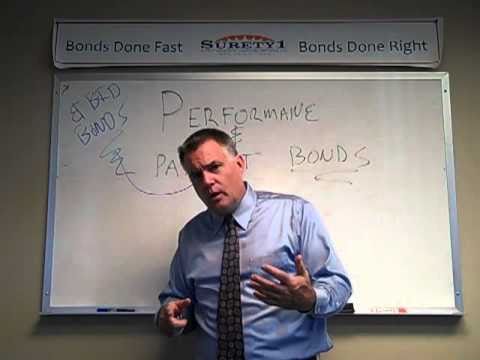
bookmark_borderPerformance and Payment Bonds

Performance and payment bonds are a critical component of risk management in the construction industry, providing a financial guarantee that a contractor will fulfill their contractual obligations. These bonds protect project owners from financial loss if a contractor fails to complete the project or pay subcontractors and suppliers.

What is a Performance Bond?

A performance bond is a guarantee issued by a surety company to the project owner. It ensures the contractor will complete the project according to the terms and conditions of the contract. If the contractor defaults, the surety will step in to arrange for the completion of the project or provide financial compensation. This bond is essential for securing the project owner’s investment and mitigating the risk of contractor failure. The surety’s obligation typically extends to covering the cost difference between the original contract price and the expense of hiring a replacement contractor, up to the bond’s penal sum.

What is a Payment Bond?

A payment bond guarantees that the contractor will pay all subcontractors, laborers, and material suppliers involved in the project. This protects the project owner from liens and financial claims if the contractor fails to make these payments. It ensures that all parties contributing to the project are compensated fairly, promoting a stable and ethical project environment. Without this protection, unpaid subcontractors could file mechanics liens against the property, potentially halting the project or complicating its financing.

Key Benefits of Performance and Payment Bonds

These bonds offer significant advantages for all parties involved in a construction project. For project owners, they provide a powerful layer of financial security and help ensure project completion. For contractors, securing these bonds can enhance their credibility and help them win more substantial contracts. Subcontractors and suppliers benefit from the assurance that they will be paid for their work and materials.

  • Project Owner Security: Protects against contractor default and financial loss.
  • Contractor Credibility: Demonstrates financial reliability and professionalism to win bids.
  • Subcontractor & Supplier Protection: Guarantees payment, preventing liens and fostering trust.
  • Project Continuity: Ensures funds and resources are available to complete the project even if issues arise.

When evaluating a claim, sureties conduct a thorough investigation before releasing funds. They review the contract documents, the default notice, and the contractor’s performance to determine whether the default was legitimate or whether the owner’s actions contributed to the problem. Owners should document every instance of nonperformance carefully, including dates, communications, and financial impacts, because the surety’s obligation is contractual and strictly construed.

When Are These Bonds Required?

Performance and payment bonds are commonly required on public construction projects, as mandated by laws like the Miller Act for federal projects over a specific value. They are also increasingly used in large private projects where the financial risk is significant. Owners include them in contract specifications to transfer key project risks to a third-party surety. State-level equivalents, often called “Little Miller Acts,” impose similar requirements on state and municipal projects, so contractors should verify the specific thresholds and forms required in each jurisdiction where they bid.

How to Obtain a Bond

Contractors obtain these bonds through a surety company or bond producer. The surety will evaluate the contractor’s financial strength, work history, and reputation before issuing the bond. This process is similar to applying for a line of credit. Maintaining strong financial records and a solid track record is crucial for securing bonding capacity. Sureties typically review three to five years of audited financial statements, bank references, and the contractor’s current work-in-progress schedule to assess capacity and liquidity before committing to a bond.

bookmark_borderWhat Are Contract Surety Bonds?

What Are Contract Surety Bonds?

Contract surety bonds are three-party agreements that guarantee a construction project will be completed according to the terms laid out in the contract. They are a critical form of risk management in the construction industry, protecting the project owner (the obligee) from financial loss if the contractor (the principal) fails to perform. The surety company provides a financial guarantee of the contractor’s performance and adherence to payment of subcontractors and suppliers.

How Do Contract Surety Bonds Work?

The process involves three key parties: the principal (the contractor who needs the bond), the obligee (the project owner requiring the bond), and the surety (the company that underwrites and issues the bond). If the contractor defaults on the contract, the project owner can make a claim against the bond. The surety company will then investigate and, if the claim is valid, ensure the project is completed, often by arranging for a new contractor or providing financial compensation.

This system is designed to ensure project completion and protect public funds, which is why these bonds are frequently mandated for public construction projects. For contractors, obtaining these bonds requires a rigorous pre-qualification process that assesses their financial strength, work history, and operational capacity.

Common types of contract surety bonds include bid bonds, performance bonds, and payment bonds. Each serves a distinct purpose at different stages of a construction project:

  • Bid Bond: Guarantees that the contractor will enter into the contract at the bid price and provide the required performance and payment bonds if awarded the project.
  • Performance Bond: Protects the project owner from financial loss if the contractor fails to perform the contract according to its terms and specifications.
  • Payment Bond: Ensures that subcontractors, laborers, and material suppliers will be paid for the work and materials they provide, preventing mechanics’ liens on the project property.

During underwriting, surety companies evaluate a contractor’s three C’s—capital, capacity, and character—to gauge the risk of default. A common mistake contractors make is assuming bonding capacity is a fixed number; in reality, it fluctuates based on the size and complexity of current projects in progress. For example, a contractor with $10 million in single-project bonding capacity may find that capacity significantly reduced if they already have multiple large projects underway, as the surety considers the aggregate exposure across all active contracts.

Why Are They Required?

Contract surety bonds are primarily required on public projects at the federal, state, and municipal levels. Laws like the federal Miller Act mandate bonds for public works contracts over a certain value, ensuring taxpayer money is protected. They provide a secure mechanism to guarantee completion and proper payment without the project owner resorting to lengthy and costly litigation as a first step. Private project owners also increasingly use them to mitigate risk on large, complex developments.

Key Takeaways

In essence, contract surety bonds are not insurance for the contractor but a guarantee of performance and payment for the project owner. They are a vital tool for maintaining stability, trust, and financial security in the construction sector, enabling projects of all sizes to proceed with confidence.

bookmark_borderHow To Get A Surety Bond: A 6 Step Guide

What Is a Surety Bond?

A surety bond is a three-party agreement that guarantees a specific obligation will be fulfilled. The three parties involved are the principal (the party required to get the bond), the obligee (the party requiring the bond, often a government agency), and the surety (the company that issues the bond and guarantees the principal’s performance). If the principal fails to meet the obligation, the surety steps in to provide financial compensation to the obligee.

Why Are Surety Bonds Required?

Surety bonds are required to protect the public and government entities from financial loss. They ensure that businesses and individuals comply with laws, regulations, and contractual terms. Common examples include license bonds for professionals, construction bonds for contractors, and court bonds for legal proceedings. By securing a bond, you demonstrate financial responsibility and a commitment to ethical business practices. Without a bond, many regulated industries would be unable to secure the licenses or permits necessary to operate legally.

Step 1: Determine Your Bond Requirements

The first step is to identify the exact type and amount of surety bond you need. This information is typically mandated by a state law, a municipal regulation, or a specific contract. Contact the entity requiring the bond (the obligee) to get the precise details, as incorrect information can delay the process. Verify the bond amount, the effective date, and the filing deadline directly with the obligee before you begin shopping for a provider.

Step 2: Find a Reputable Surety Bond Provider

Once you know your requirements, you need to find a surety bond company or agency. Look for providers with strong financial ratings and a solid reputation in the industry. It is advisable to work with a specialist who understands your specific industry, as bond requirements can vary significantly between fields like construction, auto dealerships, and freight brokerage. Request quotes from multiple providers to compare pricing and confirm that the bond form they issue will be accepted by your obligee.

Step 3: Complete the Bond Application

You will need to fill out a detailed application provided by the surety. This application will ask for personal, financial, and business information. Be prepared to provide documentation such as financial statements, business licenses, and a resume. The surety uses this information to assess your risk level and determine your premium rate. Incomplete applications are a common cause of processing delays, so double-check every field before submission.

Step 4: Underwriting and Premium Quote

After submitting your application, the surety’s underwriters will review it. They evaluate your credit history, financial strength, industry experience, and the specific bond risk. Based on this assessment, they will provide you with a premium quote—the cost you will pay for the bond, typically a percentage of the total bond amount. For standard-risk applicants, premiums typically range from 1% to 5% of the bond amount, but high-risk applicants may pay significantly more.

Step 5: Sign Indemnity Agreement and Pay Premium

If you accept the quote, you will sign an indemnity agreement. This is a crucial legal contract where you agree to reimburse the surety for any losses or expenses they incur if a claim is made against your bond. After signing, you pay the premium to activate the bond. Read the indemnity agreement carefully—some bonds require a personal guarantee, which means your personal assets could be at risk if a claim is paid out.

Step 6: Receive and File Your Bond

Upon payment, the surety will issue your official bond document. You must then submit this document (often called the “bond form” or “power of attorney”) to the obligee that required it. This filing is the final step to prove you have met the bonding requirement. Keep a copy for your records. If you are renewing an existing bond, confirm whether your obligee requires a new filing each year or if a continuous bond remains in effect until canceled.

Common Challenges and How to Overcome Them

Applicants with poor credit may face higher premiums or difficulty getting approved. In such cases, work with a surety bond agent who has access to specialty markets for high-risk clients. Providing additional documentation, such as business financials or character references, can also help underwriters make a favorable decision. Another frequent issue is selecting the wrong bond type—for example, a contractor purchasing a license bond when the project actually requires a performance bond. Always confirm the bond classification with the obligee before applying to avoid paying for a bond that does not satisfy the requirement.

For a comprehensive overview of the different categories and their purposes, you can refer to the U.S. Small Business Administration’s guide on surety bonds.

Conclusion

Obtaining a surety bond is a systematic process that involves understanding your requirements, choosing the right provider, and completing the necessary paperwork. By following these six steps and preparing your documentation thoroughly, you can secure the bond you need to operate your business compliantly and build trust with clients and regulators. Taking the time to verify details at each stage will help you avoid costly delays and ensure your bond is accepted without complications.

bookmark_borderWhat is a Contractor License Surety Bond ?

In the construction industry, a contractor license surety bond is a critical requirement for obtaining and maintaining a state-issued license to operate legally. This three-party agreement involves the contractor (the principal), the state licensing board (the obligee), and the surety company that issues the bond. Its primary purpose is to guarantee that the contractor will adhere to all applicable laws, codes, and regulations governing their professional work. If the contractor fails to comply, causing financial harm to a client or violating public trust, a claim can be filed against the bond.

Unlike traditional insurance, which protects the contractor, a surety bond is a form of credit that protects the public and the project owner. The bond ensures that the obligee—typically the state or local government—will receive compensation for damages resulting from the contractor’s unlawful or unethical actions. This system helps maintain industry standards and fosters trust between contractors, clients, and regulatory authorities.

When a valid claim is made, the surety company will investigate and, if justified, provide financial compensation to the claimant up to the bond’s penal sum. The contractor is then legally obligated to reimburse the surety company in full for any payouts, plus any associated fees and interest. This fundamental principle of indemnity distinguishes surety bonds from other financial instruments and underscores the contractor’s ultimate financial responsibility for their professional conduct.

Securing a contractor license bond involves an underwriting process where the surety assesses the contractor’s creditworthiness, financial stability, and professional experience. The cost, known as the premium, is typically a small percentage of the total bond amount required by the state, often ranging from 1% to 15% annually. Contractors with strong credit and a solid business history generally qualify for the most favorable rates. Conversely, applicants with poor credit may face higher premiums or, in some cases, may be required to pay the full bond amount upfront as a cash bond, which is a common alternative for those who cannot secure standard surety credit.

It is crucial to understand that a surety bond is not a one-time fee but a recurring obligation that must be maintained for the duration of the license. Allowing a bond to lapse or be canceled can result in the immediate suspension of the contractor’s license, halting all legal business operations. Therefore, proactive management of this requirement is essential for continuous compliance. Contractors should set calendar reminders well before the renewal date and maintain open communication with their surety agent, as last-minute renewals can lead to unnecessary gaps in coverage and potential regulatory penalties.

  • Bid Bonds: Guarantee that a contractor will honor their bid price and enter into the contract if awarded the project.
  • Performance Bonds: Protect the project owner by ensuring the contractor will complete the job according to the contract terms.
  • Payment Bonds: Guarantee that the contractor will pay their subcontractors, laborers, and suppliers for work and materials.

For more detailed information on state-specific licensing and bonding laws, contractors can refer to resources like the U.S. Small Business Administration guide.

In summary, a contractor license surety bond is a non-negotiable safeguard that benefits the entire ecosystem of a construction project. It provides a financial guarantee of professional conduct, protects public interests, and upholds the integrity of the licensed contracting profession. Any contractor seeking to build a reputable and sustainable business must prioritize understanding and securing the correct bond for their licensing needs.

bookmark_borderGood To Go Bail Bonds | Cash Bail, Surety Bond, Property Bond & Cite Out Services in Denver, CO

Understanding Your Bail Options in Denver

When someone is arrested in Denver, the court may set a bail amount to secure their release until their court date. Navigating this process can be confusing, which is why understanding the different types of bail bonds is crucial for making an informed decision. Good To Go Bail Bonds provides several reliable options to help you or your loved one regain freedom swiftly.

Cash Bail

Cash bail requires the full bail amount to be paid directly to the court in cash, a cashier’s check, or sometimes a credit card. This sum is held as a guarantee that the defendant will appear for all required court hearings. If all court obligations are met, the full amount is refunded, minus any applicable administrative fees. However, this option requires having immediate access to substantial liquid funds, which can be a significant financial burden. Many families overlook the fact that cash bail refunds can take several weeks to process after the case concludes, so plan accordingly if you need those funds returned promptly.

Surety Bond

A surety bond is the most common solution, where a bail bondsman, like Good To Go Bail Bonds, acts as a guarantor to the court for the full bail amount. The client typically pays a non-refundable premium, which is a percentage of the total bail set by the state. We assume the full financial risk and ensure the defendant’s compliance with all court-mandated appearances. This process is efficient and allows for release without depleting personal savings. The premium rate in Colorado is regulated by state law, so the fee you pay is standardized across all licensed bondsmen — what differentiates one agency from another is response time, availability, and the quality of communication throughout the case.

Property Bond

In some cases, property of significant equity can be used as collateral with the court instead of cash. The court places a lien on the property for the bail’s value. This is a more complex and lengthy process, as the court must verify ownership and equity, and it carries the risk of property forfeiture if court conditions are not met. Property bonds typically require a title search, appraisal, and formal court approval, so they are rarely the fastest path to release — expect the process to take several days rather than hours.

Cite Out (Released on Citation)

For minor offenses, an arresting officer may issue a “cite out” or citation release, requiring the individual to sign a promise to appear in court on a specified date. No monetary payment is required at the time of release. This is at the discretion of law enforcement and is typically reserved for low-level, non-violent misdemeanors. A common misconception is that a cite out means the charges are dropped — in reality, you still must appear on the assigned court date, and failing to do so can result in a warrant for your arrest and additional charges.

Why Choose Good To Go Bail Bonds?

Our team brings years of specialized experience navigating the Denver court system. We are available 24/7 because we know arrests don’t only happen during business hours. We explain every step of the process clearly, ensuring you understand your obligations and rights. Our goal is to provide a fast, confidential, and professional service during a stressful time.

When you call, have the defendant’s full legal name, date of birth, booking number, and the jail’s location ready. This information speeds up the verification process significantly. Also, be prepared to identify who will act as the indemnitor — the person financially responsible for the bond — since this individual must meet basic credit and employment criteria. Having a valid government-issued ID and proof of address on hand will help avoid delays when we begin the paperwork.

For more detailed information on the legal framework surrounding bail, you can refer to resources from the Colorado Judicial Branch.

Contact Us for Fast Bail Bond Service

If you need immediate assistance with a bail bond in Denver, don’t wait. Contact Good To Go Bail Bonds anytime, day or night. We’re here to help you through the process and get your loved one released as quickly as possible.

bookmark_borderBondability Definition | FastBond vs. Standard Bond Programs

In the construction and contracting industry, securing a surety bond is a critical step for qualifying to bid on and perform work, particularly on public projects. Bondability refers to a contractor’s financial and operational qualifications to obtain these essential guarantees from a surety company. A strong bondability profile signals to project owners that a contractor is a reliable and low-risk partner, capable of fulfilling contractual obligations.

Standard bond programs are the traditional pathway, involving a comprehensive underwriting process for each individual bond request. This method requires contractors to submit extensive documentation—including financial statements, work histories, and project details—for review every time they need a new bond. While thorough, this process can be time-consuming and administratively burdensome, potentially slowing down a contractor’s ability to seize new opportunities quickly. Contractors who rely on this model must maintain meticulous records and be prepared to provide updated financial data at a moment’s notice.

In contrast, FastBond programs offer a modern, streamlined alternative designed for efficiency and speed. Instead of underwriting each bond individually, these programs pre-qualify the contractor for a specific aggregate bonding capacity. Once approved, contractors can obtain bonds for projects within their pre-approved limit often through a simplified, automated online system. This significantly reduces the time and paperwork required for each new bond, allowing contractors to respond to bid requests with greater agility.

Choosing between these approaches depends on your business’s specific needs and workflow. For contractors who bid on numerous projects frequently and value operational speed, a FastBond program can provide a decisive competitive advantage. The streamlined process eliminates repetitive administrative hurdles, enabling you to focus on bidding and building rather than paperwork. A practical consideration is that FastBond limits are typically calculated based on your company’s working capital and current backlog, so contractors should review their capacity quarterly to ensure it aligns with their growth trajectory.

  • Speed: Obtain bonds in minutes or hours, not days or weeks.
  • Simplicity: Reduced documentation and a simplified application process.
  • Predictability: Work within a clear, pre-approved bonding capacity.
  • Competitive Edge: Submit bids faster and with greater confidence.

It’s important to understand that surety bonds are a foundational requirement for public works. For more detailed information on federal bonding requirements, you can refer to the U.S. Small Business Administration website.

Ultimately, a standard bond program may still be the best fit for contractors working on exceptionally large, complex, or irregular projects where detailed, custom underwriting for each job is necessary. The traditional method allows for nuanced evaluation of unique risks and project specifics that may fall outside the parameters of a streamlined program. When a project involves joint ventures, unusual risk allocation, or substantial self-performance requirements, the individual underwriting process provides the flexibility to present a complete operational picture to the surety.

bookmark_borderHow much does a Surety Bond Cost?

Surety bond costs are not one-size-fits-all; they are calculated as a percentage of the total bond amount required, known as the bond premium. This percentage, typically ranging from 1% to 15%, is primarily determined by the applicant’s personal credit score, as it is a strong indicator of financial reliability and risk for the surety company. Other critical factors influencing the final premium include the applicant’s financial statements, industry experience, and the specific obligations and risk profile of the bond itself.

For applicants with excellent credit, rates can be as low as 1% to 3%. Those with average credit might see premiums between 3% and 10%. High-risk applicants or those with poor credit histories could face premiums from 10% to 15% or higher, and may even be required to provide collateral. It’s crucial to understand that the surety bond premium is an annual cost, though some bonds may be written for multiple years. Additionally, a common misconception is that the premium is a one-time fee; in reality, most bonds must be renewed annually, and failure to renew can result in the bond being cancelled, which may trigger a notice to your obligee and potentially jeopardize your license or contract.

Common Surety Bond Types and Their Typical Cost Ranges

To give you a clearer picture of potential costs, here are typical premium ranges for some common bond types, assuming standard market conditions and an applicant with good credit:

  • License & Permit Bonds: Often range from $100 to $500, but can be higher for specialized industries.
  • Contract Bonds (Bid & Performance): Typically range from 1% to 3% of the contract value.
  • Court Bonds: Premiums can vary widely but often fall between 1% and 5% of the bond amount.
  • Commercial Surety Bonds (e.g., DMV, ERISA): Frequently have fixed premiums or low percentages, commonly between 1% and 5%.

How to Get the Best Surety Bond Rate

Improving your credit score is the most effective long-term strategy for securing a lower bond premium, as surety providers heavily weigh this metric. You should also prepare comprehensive financial documentation, including balance sheets and profit & loss statements, to demonstrate stability. Finally, working with an experienced surety bond agency that has access to multiple markets is essential, as they can leverage relationships with various surety companies to find you the most competitive rate for your specific situation. For official information on the role of sureties, you can refer to the U.S. Small Business Administration website.

Always request quotes from several reputable surety bond providers to compare rates and terms. Be wary of rates that seem unusually low, as they may indicate a non-admitted carrier or come with hidden fees. A trustworthy agent will explain all the terms and conditions clearly. When comparing quotes, pay close attention to whether the premium is fully earned at issuance; if you cancel the bond mid-term, some carriers will not refund the unused portion, so clarify the cancellation and refund policy before committing. Also, verify that the bond is issued by an admitted carrier in your state, as this ensures regulatory oversight and protects your interests if a claim arises.

bookmark_borderBaltimore Business Insurance: Fidelity Bonds

For Baltimore businesses that handle client funds, sensitive data, or valuable assets, a fidelity bond is a critical component of a comprehensive risk management strategy. This type of surety bond protects your company from financial losses caused by fraudulent or dishonest acts committed by your employees.

While often associated with financial institutions, fidelity bonds are increasingly vital for a wide range of modern businesses. Companies managing digital assets, proprietary information, or large inventories are also at significant risk. The bond provides a layer of financial security, ensuring that your business can recover from internal theft without devastating operational losses.

Who Needs a Fidelity Bond in Baltimore?

Many business owners mistakenly believe that employee dishonesty is covered under a standard commercial insurance policy. In most cases, it is not. A separate fidelity bond is required to specifically address this exposure. Certain industries and professional services may even be legally required to carry this coverage.

Common examples of Baltimore businesses that should strongly consider a fidelity bond include:

  • Accounting firms and bookkeepers
  • Property management companies
  • Non-profit organizations
  • Technology companies with access to client systems
  • Retailers with high-value inventory
  • Any business that grants employees access to cash, checks, or financial accounts

How Fidelity Bonds Protect Your Business

When a covered dishonest act occurs, such as embezzlement or theft of company property, the bond provides indemnification. This means the bonding company will cover the financial loss up to the bond’s penalty amount, subject to its terms and conditions. This protection is crucial for maintaining business continuity and safeguarding your company’s assets and reputation.

Beyond direct financial reimbursement, having a fidelity bond in place demonstrates to clients, partners, and regulators that your business operates with integrity and has robust internal safeguards. This can be a significant competitive advantage, especially when bidding for contracts or establishing trust with new clients.

Before purchasing a bond, review the policy’s exclusions carefully. Many standard fidelity bonds do not cover losses from fraudulent acts committed by owners, partners, or principals, and they often exclude losses discovered only after a prolonged period. Ensure your coverage includes third-party liability if your employees handle client funds directly, as this exposure is frequently overlooked until a claim arises.

To understand the legal framework for surety bonds, including fidelity bonds, businesses can refer to resources from the U.S. Department of the Treasury.

Key Considerations for Baltimore Businesses

The cost of a fidelity bond, known as the premium, is influenced by several factors. These typically include the number of employees, the type of business and its inherent risks, the coverage amount required, and your company’s financial history and claims record. It is not a one-size-fits-all product.

Working with an insurance professional who understands the local Baltimore market is essential. They can help you accurately assess your specific risks, determine the appropriate coverage limit, and navigate the underwriting process to secure a bond that provides optimal protection for your unique business operations. A knowledgeable broker will also verify that your bond amount satisfies any contractual requirements from clients or state licensing boards, which often mandate specific minimum limits that differ by industry.

bookmark_borderBlog 2- Bonded & Insured: What Does It Actually Mean?

When you hire a contractor, you’ll often see the phrase “licensed, bonded, and insured” in their marketing materials. But what does “bonded and insured” actually mean for you as a client? Understanding this distinction is crucial for managing your risk and ensuring a project is completed professionally.

What Does It Mean to Be Bonded?

A surety bond is a three-party agreement that protects the client if the contractor fails to fulfill the terms of a contract. It involves the contractor (the principal), the client (the obligee), and the bonding company (the surety). If the contractor doesn’t complete the job or pay for permits or materials, you can file a claim against the bond to seek financial compensation.

It’s important to know that bonds are specific. A contractor might have a license bond required by the state and a separate performance bond for a particular project. Always ask for proof of the correct bond for your job. In practice, many clients mistakenly assume a single bond covers all aspects of a project, but bond coverage is typically tied to a defined scope and dollar amount, so verifying the bond’s terms against your specific contract is essential.

What Does It Mean to Be Insured?

Insurance protects against accidents and unforeseen events. General liability insurance, for instance, covers property damage or injuries that occur during the project. If a worker accidentally damages your property, the contractor’s liability insurance should cover the repairs.

Workers’ compensation insurance is another critical type. If a worker is injured on your property, this insurance covers their medical bills and lost wages. Without it, you could be held liable. Always request a certificate of insurance directly from the contractor’s provider to verify active and adequate coverage. A common oversight is accepting a certificate that lists the contractor as the sole insured; for maximum protection, you should request to be named as an additional insured on the policy, which extends coverage to you for claims arising from the contractor’s work.

Key Differences Between Bonding and Insurance

While both provide financial protection, they address different risks. A bond is a guarantee of contract completion and ethical business practices, essentially serving as a safeguard against contractor default. Conversely, insurance is a policy that covers accidents, injuries, and unforeseen damages during the course of work.

The process for claims also differs. With a bond, you file a claim against it for compensation if the contractor fails their obligations. With insurance, the contractor or affected party files a claim with the insurance company to cover specific losses or liabilities. Another practical distinction: bond claims are often subject to a surety’s investigation, and the bonding company may seek reimbursement from the contractor if the claim is paid, whereas insurance claims do not require the contractor to repay the insurer for covered losses.

Why It Matters for Your Project

Hiring a bonded and insured contractor is a fundamental step in responsible project management. It provides you with essential financial recourse and peace of mind. You are not just hiring for skill; you are mitigating significant potential risks.

Before work begins, you should always verify a contractor’s credentials. Don’t just take their word for it. For more detailed information on contractor requirements and consumer protections, you can refer to resources from the Federal Trade Commission.

Questions to Ask Your Contractor

To ensure you’re fully protected, ask these key questions before signing a contract:

  • Can you provide certificates of insurance for general liability and workers’ compensation?
  • What type and amount of surety bond do you carry, and is it current?
  • Can I be listed as an additional insured on your liability policy for this project?
  • Will you provide proof of bonding and insurance directly from the issuing companies?

Getting clear answers and documentation is the best way to protect your investment. A reputable contractor will be transparent and happy to provide this information. One practical tip: call the insurance agency listed on the certificate to confirm the policy is active and has not lapsed, as certificates can be forged or outdated, and a quick verification takes only a few minutes.

bookmark_borderConstruction Surety Bonds

What Are Construction Surety Bonds?

Construction surety bonds are three-party agreements that guarantee a construction project will be completed according to the terms of a contract. They provide a financial guarantee from a surety company to the project owner (obligee) that the contractor (principal) will fulfill their obligations. This system protects public and private project owners from financial loss if a contractor fails to perform.

Main Types of Construction Bonds

There are three primary types of bonds used in construction, each serving a distinct purpose in managing project risk. Understanding the distinctions between them is critical for contractors who must secure the correct coverage for each bid and project phase.

Bid Bonds

A bid bond guarantees that a contractor will enter into a contract and provide the required performance and payment bonds if their bid is accepted. It ensures the bid is submitted in good faith. Without this protection, a project owner could be left with no recourse if a low bidder withdraws their offer after the award decision.

Performance Bonds

Performance bonds protect the project owner by guaranteeing the contractor will complete the project according to the contract terms and specifications. If the contractor defaults, the surety may finance the completion, hire a replacement contractor, or provide financial compensation. The surety’s primary objective is to mitigate the owner’s loss and ensure the project reaches substantial completion without unnecessary delay.

Payment Bonds

Payment bonds guarantee that the contractor will pay for labor, materials, and subcontractors used on the project. This protects suppliers and sub-contractors from non-payment and helps prevent mechanics liens from being filed against the property. On public works projects, payment bonds are particularly vital because mechanics liens cannot typically be enforced against government-owned property.

Why Are They Required?

Surety bonds are often mandated by law on public projects to protect taxpayer funds. For private projects, owners require them to mitigate financial risk and ensure contractor reliability. They provide a pre-qualification filter, as bonding companies perform rigorous financial and operational checks before issuing a bond. The underwriting process is a credit extension, not an insurance policy, meaning the contractor remains ultimately liable for any losses the surety incurs on their behalf.

To understand the legal framework for bonds on federal projects, you can refer to the Federal Acquisition Regulation (FAR) Part 28.

How to Get a Construction Bond

The process begins with the contractor applying to a surety company or bond agent. The surety conducts a thorough evaluation of the contractor’s financial health, work history, industry experience, and project management capabilities. This underwriting process assesses the contractor’s ability to successfully complete the project. Contractors who lack a dedicated line of credit or who have prior default history will face substantially higher scrutiny and may be required to provide collateral before any bond is issued.

  • Prepare Financial Statements: Have up-to-date and accurate financial documents, including balance sheets and profit/loss statements. Most sureties require statements prepared by a CPA for bonds above a certain threshold.
  • Demonstrate Experience: Provide a detailed track record of past projects, including references and a history of successful completions. Be ready to explain any project that finished over budget or behind schedule.
  • Outline Project Details: Be prepared to present the specific contract, project plans, and a clear execution strategy for the job requiring the bond. The surety will verify that the project scope aligns with your company’s core competencies.
  • Maintain Good Credit: A strong personal and business credit history is a significant factor in underwriting decisions and premium costs. Even a single outstanding tax lien can delay or derail the approval process.

Conclusion

Construction surety bonds are a cornerstone of risk management in the building industry, safeguarding project owners, subcontractors, and suppliers. By understanding the different bond types and the process to obtain them, contractors can better position themselves to secure the bonds necessary to bid on and win new projects.

bookmark_borderBid Bond and Performance Bond

What is a Bid Bond?

A bid bond is a type of surety bond that guarantees a contractor’s bid is made in good faith. It ensures the contractor will enter into the contract at the bid price if selected. This protects the project owner from frivolous bids and provides financial security during the bidding process. If the winning bidder fails to honor their bid, the bond compensates the project owner for the cost difference with the next lowest bidder.

What is a Performance Bond?

A performance bond is a guarantee that a contractor will complete a project according to the contract terms. It protects the project owner from financial loss if the contractor defaults or fails to perform. This bond provides crucial assurance that the project will be finished as specified. The surety company may step in to arrange for another contractor to complete the work or provide financial compensation.

Key Differences Between Bid Bonds and Performance Bonds

While both are essential in construction and large projects, they serve different purposes. A bid bond is active during the bidding phase, while a performance bond comes into effect after the contract is awarded. The bid bond ensures the seriousness of the bid, and the performance bond ensures the completion of the work. Understanding this sequence is vital for project owners and contractors alike, as it determines when each instrument’s protections become available.

For a comprehensive overview of these financial instruments and their role in public contracts, the U.S. Small Business Administration provides valuable resources on bonding requirements for federal projects.

Why Are These Bonds Required?

Project owners require these bonds to mitigate risk. They ensure that only qualified and serious contractors participate in bidding. Bonds also provide a financial recourse if something goes wrong, safeguarding the project’s budget and timeline. This requirement is standard in public sector projects and many large private contracts.

  • Risk Management: Bonds transfer the risk of contractor default from the project owner to the surety company.
  • Financial Protection: They offer a guaranteed financial remedy, protecting the project’s funding.
  • Pre-Qualification: The bonding process itself verifies the contractor’s financial stability and track record, as surety companies perform due diligence before issuing bonds.
  • Bidder Accountability: Without a bid bond, a low bidder could simply walk away after winning, forcing the owner to re-run the entire bid process — a costly delay that bonding eliminates. Contractors with weak cash flow often underestimate how much surety capacity they will need, so it is wise to secure a line of credit with a surety well before any bid deadline.

How to Obtain a Bid Bond or Performance Bond

Contractors obtain these bonds through a surety company or an insurance agent. The process involves an application and a review of the contractor’s financial health, experience, and project details. Strong financial statements and a solid business history are critical for approval. The cost, or premium, is typically a small percentage of the bond amount, and it is paid upfront for each individual bond.

bookmark_borderHow to Choose a Bonding Company

Understanding Surety Bonds

Before choosing a company, you must understand the product. A surety bond is not insurance; it is a guarantee of performance or compliance. If a principal fails to meet their obligations, the surety company will pay the obligee (the project owner or government entity) up to the bond’s penal sum. The principal is then legally obligated to reimburse the surety for any losses paid out. Understanding this distinction is fundamental, as it shapes the financial relationship and risk exposure between all parties involved.

Key Factors to Consider

Not all bonding companies are created equal. Look for a provider with a strong reputation and a history of reliability. You should assess their financial strength, as this indicates their ability to pay claims. It’s also wise to consider their expertise in your specific industry, whether it’s construction, licensing, or court bonds. Evaluating these factors systematically will help you narrow the field to providers that align with your operational needs.

When evaluating potential sureties, a structured approach is essential. Focus on these core areas:

  • Financial Stability: Verify the company’s ratings from agencies like A.M. Best to ensure they can fulfill large or multiple claims. A rating below A- can be a red flag for high-value projects.
  • Industry Specialization: Choose a surety with proven experience and dedicated underwriters for your field, which can lead to faster approvals and better terms. A generalist may not understand the nuances of your contract language or regulatory environment.
  • Claims Process: Understand their claims handling procedure. A transparent and efficient process is crucial if a claim arises. Ask for a sample of how they handle disputes or performance issues.
  • Customer Service: Prioritize companies known for responsive support and clear communication throughout the bonding lifecycle. A dedicated account manager who knows your business by name can make a significant difference during tight bid deadlines.

Questions to Ask Potential Providers

Prepare a list of questions for any bonding company you are considering. Ask about their experience with bonds similar to yours. Inquire about their underwriting process and typical turnaround times. You should also understand their premium structure and any potential for rate increases. Don’t forget to ask for references from current clients in your industry. When contacting those references, ask specifically about the surety’s responsiveness during a claim or a rapid bid situation—those moments reveal the true quality of service.

The Application and Underwriting Process

The underwriting process for a surety bond involves a detailed review of your financial health and business track record. Underwriters will examine your credit score, business financials, work history, and industry experience. Be prepared to provide comprehensive documentation. A company with a streamlined application process can save you significant time and hassle. In practice, many contractors underestimate the importance of personal credit scores; even a single unresolved judgment can delay approval or require collateral, so review your credit report before applying.

Making Your Final Decision

After gathering information and quotes, compare your options carefully. The cheapest premium is not always the best value. Consider the overall relationship, the surety’s expertise, and their willingness to support your business as it grows. For more detailed information on the types and functions of surety bonds, you can refer to the U.S. Small Business Administration website.

Ultimately, choosing a bonding company is about building a partnership with a financial guarantor you can trust. The right surety will act as an advocate for your business, helping you secure the bonds you need to win contracts and operate with confidence. A strong surety relationship also provides a layer of credibility with project owners, signaling that your operations have passed rigorous financial scrutiny.

bookmark_borderWhat is a Surety bond?

A surety bond is a three-party agreement that legally binds a principal, an obligee, and a surety. The principal is the party required to fulfill an obligation, such as a contractor completing a construction project. The obligee is the party receiving the obligation’s benefit, like a project owner. The surety is the company that guarantees the principal’s performance or compliance to the obligee.

If the principal fails to meet the terms of the bond, the obligee can file a claim against it to recover financial losses. The surety company will then investigate the claim. If it is valid, the surety will pay the claim up to the bond’s penal sum, but the principal is always legally obligated to reimburse the surety for all costs incurred. This reimbursement obligation is absolute and distinct from the surety’s duty to pay the obligee, meaning the surety operates as a guarantor of last resort rather than a primary insurer.

How Does a Surety Bond Work?

Surety bonds provide a critical financial guarantee in contractual relationships. They function as a specialized form of credit extended by the surety company on behalf of the principal. The process typically involves a thorough underwriting assessment of the principal’s creditworthiness, financial strength, and capacity to perform the bonded obligation.

Unlike traditional insurance, which protects the policyholder against unforeseen loss, a surety bond is a guarantee of performance or compliance that protects the project owner or public entity (the obligee). The principal’s failure triggers the bond’s protection for the obligee, not for the principal themselves.

For businesses, securing the necessary bonds is often a prerequisite for licensing, permitting, and bidding on major contracts, particularly in government sectors. The U.S. Small Business Administration provides resources on bonding programs that can assist smaller contractors in meeting these requirements.

Types of Surety Bonds

There are two primary categories of surety bonds: contract bonds and commercial bonds. Contract bonds guarantee the performance of a specific contract, commonly in the construction industry. Commercial bonds, also known as license and permit bonds, are required by government agencies to ensure businesses comply with laws and regulations.

Common examples include:

  • Bid Bonds: Guarantee a contractor will enter a contract if awarded the bid.
  • Performance Bonds: Ensure a project will be completed according to the contract terms.
  • Payment Bonds: Guarantee suppliers and subcontractors will be paid.
  • License & Permit Bonds: Required for various professional licenses, ensuring legal and ethical operation.

Why Are Surety Bonds Important?

Surety bonds play a vital role in managing risk and fostering trust in business and regulatory environments. For obligees, they provide a secure financial backstop, ensuring projects can be completed or financial losses recovered without costly litigation. This protection is essential for public projects where taxpayer funds are at stake.

For principals, being bondable is a mark of reliability and financial stability, which can provide a significant competitive advantage. The underwriting process itself encourages strong business practices, as sureties evaluate a company’s work history, financial health, and management expertise before issuing a bond.

Understanding the specific bond requirements for your industry and projects is crucial for smooth operations. Key steps to ensure you are prepared include:

  1. Consulting with a knowledgeable surety bond agent or broker.
  2. Preparing detailed financial statements and business records for underwriting.
  3. Reviewing contract terms carefully to understand all bonded obligations.
  4. Maintaining a strong credit profile and positive business track record.

One common mistake principals make is assuming a bond’s penal sum represents the total project cost. In practice, the penal sum is the maximum liability the surety will cover for a single claim, and it is often set at a percentage of the contract value. Additionally, sureties frequently require indemnity agreements from business owners, which means personal or corporate assets may be pledged as collateral. Understanding these nuances before applying can prevent surprises when a claim arises or when renewal time approaches.

Getting a Surety Bond

The process begins by applying with a surety company or an authorized bond producer. The surety will underwrite the application, assessing the principal’s credit score, financial statements, industry experience, and the specific job or obligation details. Based on this risk assessment, the surety will issue the bond for a premium, which is typically a small percentage of the total bond amount.

If you have a lower credit score or are a new business, you may still qualify for a bond, though the premium might be higher. Some surety companies specialize in bonds for higher-risk principals. It is important to work with a reputable provider who can guide you through the process and explain all terms and conditions clearly.

bookmark_borderAC Bail Bonds | New Jersey | Jail Release | Surety Bonds

AC Bail Bonds | New Jersey | Jail Release | Surety Bonds

If you or a loved one has been arrested in Atlantic City or anywhere in New Jersey, securing a quick release from jail is the top priority. The bail bond process can be confusing and stressful, especially when you’re dealing with it for the first time. Understanding how bail bonds work in New Jersey is crucial for navigating the legal system efficiently and regaining your freedom while awaiting court proceedings.

How Do Bail Bonds Work in New Jersey?

When a judge sets bail, it is a financial guarantee that the defendant will return for all required court dates. Most people cannot afford to pay the full bail amount in cash. This is where a licensed bail bond agent, like AC Bail Bonds, becomes essential. We post a surety bond on your behalf, which is a promise to the court to pay the full bail amount if the defendant fails to appear. In return, you pay us a non-refundable premium, which is typically a set percentage of the total bail amount as regulated by the state. New Jersey law caps this premium, ensuring the fee structure remains fair and transparent for all parties involved.

Our Bail Bond Services

We specialize in fast, confidential, and reliable bail bond services throughout New Jersey. Our expertise covers a wide range of situations, from minor misdemeanors to more serious felony charges. Our agents are available 24 hours a day, 7 days a week, because arrests don’t only happen during business hours. We will guide you through every step of the paperwork and explain all your obligations clearly, ensuring there are no surprises.

For many clients, understanding the specific charges and potential consequences is a critical part of the process. While we are not attorneys and cannot provide legal advice, we strongly recommend consulting with a criminal defense lawyer to discuss the details of your case. You can find valuable information on your legal rights and the court process through resources like the New Jersey Courts website.

When you contact us, have the following details ready to expedite the process:

  • The full legal name and date of birth of the person in custody
  • The exact jail or detention facility where they are being held
  • The booking number and the specific charges, if known
  • A list of any prior arrests or outstanding warrants, as this can affect the release timeline

Having this information on hand when you call can save critical minutes, as our agents will need it to verify the bail amount and begin preparing the necessary surety bond paperwork without delay.

Why Choose AC Bail Bonds?

With many bail bond companies to choose from, you need an agency you can trust during a difficult time. We have built our reputation on transparency, compassion, and speed. We never use high-pressure tactics and are always upfront about our fees and the process. Our deep knowledge of local courts and jails across the state allows us to expedite releases whenever possible, getting your loved one home faster. A common mistake we see is clients waiting until regular business hours to call, not realizing that a few hours’ delay can mean the difference between an overnight stay and an immediate release.

Contact Us for a Fast Release

Time is of the essence after an arrest. The sooner you call, the sooner we can begin the release process. Don’t spend another night in jail waiting for help. Our team is standing by to answer your questions and start the paperwork immediately. We offer flexible payment plans and are committed to finding a solution for every situation. Call AC Bail Bonds now for immediate assistance.

bookmark_borderThe basics of bonds – MoneyWeek Investment Tutorials

Bonds are essentially loans that you make to a government or a company. In return for your capital, the issuer promises to pay you a fixed rate of interest over a set period and to return your initial investment, known as the principal, when the bond matures. This makes them a cornerstone of fixed-income investing, offering a predictable return stream compared to the variable performance of equities.

When you buy a bond, you are becoming a creditor to the issuer. This is a fundamentally different relationship from buying a share, which makes you a part-owner. The bond market is vast and liquid, providing a critical mechanism for governments to fund public projects and for corporations to finance expansion and operations. In practice, bondholders stand ahead of shareholders in the capital structure, meaning they have a higher claim on assets if the issuer faces financial distress.

The price of an existing bond on the secondary market fluctuates inversely with interest rates. If prevailing rates rise after you buy, the fixed interest payment of your bond becomes less attractive, so its market price typically falls. Conversely, if rates fall, the fixed payment is more valuable, and the bond’s price usually rises. This inverse relationship is one of the most fundamental concepts to grasp, as it directly drives the mark-to-market value of any bond position held outside of a hold-to-maturity strategy.

Understanding a few key metrics is essential for any bond investor:

  • Coupon: The fixed annual interest rate paid on the bond’s face value.
  • Yield: The effective rate of return, which factors in the bond’s current market price.
  • Maturity Date: The specific future date when the principal amount will be repaid.
  • Credit Rating: An assessment of the issuer’s ability to repay its debt, provided by agencies like Standard & Poor’s or Moody’s.

When evaluating a bond, a common pitfall is confusing the coupon rate with the yield. The coupon is static, but the yield changes as the market price moves. A bond bought at a premium will have a yield lower than its coupon, while a bond bought at a discount will have a yield higher than its coupon. Always base your expected return on the yield to maturity, not the coupon rate, when comparing bonds with different prices and maturities.

Government bonds, such as UK Gilts or US Treasuries, are generally considered lower-risk investments because they are backed by the taxing power of the state. Corporate bonds typically offer higher yields to compensate investors for the greater risk of the company defaulting on its payments. For a detailed overview of UK government debt, you can refer to the Debt Management Office website.

Including bonds in a portfolio can provide diversification and reduce overall volatility. Their regular income and relative stability can balance out the higher growth potential, and risk, associated with stocks.

bookmark_borderFilm Production Completion Bond

What is a Film Completion Bond?

A film completion bond is a specialized form of insurance that guarantees a film will be delivered on time and on budget. It is a critical financial instrument used by producers to secure funding from investors and distributors. The bond company, known as the guarantor, pledges to cover any cost overruns or to take over production management if the project is in jeopardy of not finishing. In essence, it transforms an unproven creative endeavor into a bankable financial obligation, ensuring that financiers are not exposed to the risk of an incomplete picture.

Why is a Completion Bond Necessary?

For investors, a completion bond mitigates the substantial financial risk inherent in film production. It provides a legally enforceable guarantee that their capital will result in a finished, distributable product. Without this safeguard, a project could be abandoned mid-production due to budget exhaustion, resulting in a total loss. This assurance is often a prerequisite for securing funding from major studios, banks, and private equity firms. The bond effectively shifts the risk of non-delivery from the financier to the guarantor, making the entire financing structure far more stable and predictable.

How Does the Bond Process Work?

The producer applies for a bond through a specialized surety company. The bond company then conducts rigorous due diligence, scrutinizing the script, budget, schedule, and the track record of key personnel like the director and line producer. This underwriting phase is exhaustive and often takes several weeks; the surety will frequently challenge the budget line by line to verify that every department’s costs are realistic and that the schedule is achievable. If approved, the producer pays a premium, typically a percentage of the total production budget. Once filming begins, the bond company monitors progress through regular reports and may have a representative on set.

Should the project go over budget or fall behind schedule, the bond company typically has the contractual right to intervene. This intervention can range from providing additional funds to taking full creative and financial control to ensure completion. It is a powerful tool for risk management that protects all major stakeholders. A common practical mistake producers make is underestimating the importance of the line producer’s relationship with the bond company; a trusted line producer who communicates problems early can often negotiate a softer intervention than one who hides issues until they are critical.

Key Triggers for Bond Company Intervention

  • The production exceeds its approved budget contingency.
  • The shooting schedule falls behind by a significant number of days.
  • Key creative personnel (e.g., director, lead actor) become unavailable.
  • There is evidence of financial mismanagement or fraud.
  • Daily or weekly production reports reveal a pattern of escalating costs in a specific department, such as visual effects or location fees, that was not anticipated in the original budget.

The Cost of a Completion Bond

Premiums for completion bonds are not fixed and are negotiated based on the project’s perceived risk. They generally range from 1% to 3% of the total production budget. Factors influencing the cost include the script’s complexity, the filming locations, the experience of the director and producer, and the robustness of the initial budget and schedule. A higher-risk project will command a higher premium. Additionally, the bond premium is often paid upfront in full, which means producers must factor this cash outlay into their initial financing plan rather than treating it as a deferred cost.

Conclusion

A film completion bond is not merely an insurance policy; it is a fundamental pillar of modern film finance. By guaranteeing completion, it unlocks essential funding and provides a safety net for all parties involved. For any production with significant financial backing, securing a bond is a non-negotiable step in the journey from script to screen. For more detailed information on film financing mechanisms, you can refer to resources from the Library of Congress.

bookmark_borderHow Do Bid and Performance Bonds Work?

How Do Bid and Performance Bonds Work?

In the world of construction and large-scale contracting, bid bonds and performance bonds are essential financial instruments that protect project owners and ensure contract fulfillment. They are a critical part of the risk management strategy for any major project. These bonds function as a three-party agreement among the project owner (obligee), the contractor (principal), and the surety company that underwrites the risk.

What is a Bid Bond?

A bid bond is a guarantee provided by a surety company on behalf of a contractor submitting a proposal. It assures the project owner that the contractor has the financial capacity to accept the job if awarded and will enter into the contract at the bid price. If the contractor fails to honor their bid, the owner can claim the bond amount to cover the cost difference of awarding the project to the next lowest bidder. This claim process typically requires the owner to demonstrate that the contractor either withdrew the bid or refused to sign the contract after being selected.

What is a Performance Bond?

Once a contract is awarded, a performance bond comes into effect. This bond protects the owner from financial loss if the contractor fails to perform according to the contractual terms and specifications. If the contractor defaults or does not complete the project, the surety company may step in to finance the completion of the contract, hire a replacement contractor, or provide financial compensation. The surety’s obligation is triggered only after the owner formally declares the contractor in default and provides proper notice, which is a critical procedural step that owners often overlook.

For more detailed information on the legal and regulatory framework surrounding these instruments, you can refer to the U.S. Small Business Administration’s guide.

Key Differences Between Bid Bonds and Performance Bonds

While both are types of contract bonds, they serve distinct purposes at different project stages. The bid bond is about ensuring bid integrity during the proposal phase, while the performance bond is about guaranteeing the actual work execution after the contract is signed. A third common bond, the payment bond, guarantees that the contractor will pay its subcontractors and suppliers. On federal projects, the Miller Act requires both performance and payment bonds for contracts exceeding $150,000, making them a statutory requirement rather than a discretionary choice.

Why Are These Bonds Required?

Project owners, often public entities or large private developers, require these bonds to mitigate significant financial risk. They provide a layer of security and ensure that only qualified and serious contractors participate in the bidding process. This practice helps maintain project timelines and budgets. Without these protections, an owner would bear the full burden of a contractor’s insolvency or abandonment, which could delay the project for months and create substantial legal complications.

How to Obtain a Bid or Performance Bond

Contractors obtain these bonds through surety companies or bonding agencies. The surety will evaluate the contractor’s financial health, work history, and creditworthiness before issuing the bond. This process is similar to applying for a line of credit. Strong financial statements and a proven track record are crucial for approval and favorable rates. Newer contractors should expect a more rigorous underwriting process, often requiring personal guarantees from the principals, until they establish a multi-year history of profitable operations.

  • Financial Review: The surety conducts a thorough analysis of your company’s financial statements, including liquidity, assets, and debt.
  • Work History & References: Your past project performance, including completion records and references from owners, is critically examined.
  • Credit Assessment: The personal and business credit scores of the principals are evaluated to gauge financial responsibility.
  • Capacity Evaluation: The surety assesses your company’s current workload and management capacity to handle the new project.

One practical point contractors frequently miss: a surety’s capacity is not unlimited. Most sureties will only bond a single project up to a certain multiple of your net working capital, and they will also cap your total aggregate backlog across all active projects. When you are bidding on multiple jobs simultaneously, you must track your bonded backlog carefully, or you may win a bid only to discover that your surety will not issue the performance bond because you have already exhausted your bonding capacity.

Understanding bid and performance bonds is fundamental for contractors seeking to work on substantial projects and for owners aiming to safeguard their investments. These tools create a more stable and reliable contracting environment for all parties involved.

bookmark_borderTomorrow Never Dies Company Car Q James Bond 007

In the 1997 James Bond film Tomorrow Never Dies, the iconic agent is equipped with a remarkable piece of technology: a BMW 750iL that can be controlled remotely via a mobile phone. This concept, which seemed like pure science fiction at the time, has evolved into a tangible and increasingly common feature in modern vehicles known as remote parking. The film’s portrayal was a prescient glimpse into the future of automotive innovation, demonstrating a functionality that automakers would spend decades developing.

Today, several manufacturers offer systems that allow a driver to maneuver their car into or out of a tight parking space while standing outside the vehicle. These systems typically use the key fob or a smartphone app to control acceleration, braking, and steering over a short distance. While not an exact replica of Bond’s mobile phone control, the principle of externally guided vehicle movement is directly comparable.

The primary benefit of modern remote parking technology is enhanced convenience in constrained urban environments. It provides a significant advantage when dealing with narrow parking spots where opening the door is difficult, or when needing to extricate a vehicle from a particularly tight space. This capability helps prevent costly door dings and makes navigating congested parking structures considerably less stressful for the driver.

  • BMW Remote Control Parking: Available on certain models, it allows the vehicle to be moved forward or backward via the key fob.
  • Mercedes-Benz Remote Parking Pilot: Drivers can use a smartphone app to park and unpark their vehicle from outside.
  • Genesis Remote Smart Parking Assist (RSPA): This system enables both lateral and longitudinal remote parking maneuvers.

When using these systems, it is critical to maintain a clear line of sight to the vehicle and keep the key fob or smartphone within its specified operating range, typically around ten feet. The systems are designed to stop the vehicle instantly if an obstacle is detected, but they are not a substitute for careful visual monitoring. Drivers should also verify that the surface is level and free of debris, as steep inclines or loose gravel can affect the system’s precision and sensor readings.

Looking ahead, the trajectory from cinematic fantasy to consumer reality points toward even more integrated autonomous systems. The underlying technologies of sensors, cameras, and electronic control units that enable remote parking are the same foundational components required for higher levels of vehicle automation. As these systems become more sophisticated and reliable, we can expect them to handle increasingly complex parking scenarios without any driver intervention, ultimately fulfilling and surpassing the vision presented in Tomorrow Never Dies.

For audiences in 1997, the remote-controlled BMW was a thrilling gadget. For drivers today, it represents a clear example of how speculative fiction can inspire and accelerate real-world technological progress, transforming a secret agent’s tool into a practical feature for the everyday commute. The continued development in this field is closely tied to broader advancements in automotive safety and autonomy, as outlined by research from entities like the National Highway Traffic Safety Administration (NHTSA).

bookmark_borderwhat is a Bid Bond

What is a Bid Bond?

A bid bond is a type of surety bond that guarantees a contractor will honor their bid and enter into a contract if they are selected for the project. It is a crucial component of the public and private bidding process, providing financial security to the project owner. The bond ensures that the contractor is both serious and financially capable of undertaking the work at the proposed price.

How Does a Bid Bond Work?

When a contractor submits a bid for a project, they often must include a bid bond. This bond acts as a guarantee to the project owner. If the contractor wins the bid but then refuses to sign the contract or fails to provide the required performance bonds, the project owner can make a claim on the bid bond. The surety company that issued the bond will then compensate the owner for the financial loss incurred, typically up to the bond’s penal sum, which is often a percentage of the bid amount.

This process protects the project owner from frivolous or unqualified bids, ensuring only committed contractors participate. It also safeguards the project timeline by preventing delays caused by a winning bidder backing out. In practice, the claim process requires the obligee to provide documented evidence of the contractor’s failure to execute the contract, including proof that the bid was accepted and the contractor was formally notified before the bond can be enforced.

Why Are Bid Bonds Important?

Bid bonds are important because they establish a foundation of trust and financial accountability in the contracting process. For project owners, they mitigate the risk of accepting a bid from a contractor who may not be able to follow through, which could lead to costly project delays and the need to re-solicit bids. For contractors, providing a bid bond demonstrates their credibility and financial stability, which can be a competitive advantage in securing contracts, particularly on public works projects where they are frequently mandated.

Understanding the specific requirements for bid bonds on federal contracts can be essential for contractors. For detailed information on the bonding process for U.S. government projects, you can refer to the U.S. Small Business Administration’s guide. Contractors should also be aware that many state and local agencies impose their own bonding thresholds and forms, so verifying jurisdiction-specific requirements before submitting a bid is a prudent step to avoid disqualification.

Key Parties Involved

There are three primary parties in a bid bond agreement:

  1. The Principal: This is the contractor or bidder who is required to obtain the bond and is responsible for fulfilling the obligations of the bid.
  2. The Obligee: This is the project owner or entity requesting the bid, who is protected by the bond’s guarantee.
  3. The Surety: This is the insurance company or financial institution that issues the bond and guarantees the principal’s performance to the obligee.

Bid Bond vs. Performance Bond

It is common to confuse bid bonds with performance bonds, but they serve different purposes in the project lifecycle. A bid bond is submitted with the initial proposal to guarantee the contractor will enter into the contract. A performance bond, in contrast, is provided after the contract is awarded and guarantees the contractor will complete the project according to the terms and specifications outlined in the contract. Essentially, the bid bond ensures the contractor will sign the contract, while the performance bond ensures they will execute the work.

How to Get a Bid Bond

Contractors typically obtain bid bonds through a surety company or an authorized bonding agent. The process involves an evaluation of the contractor’s financial health, work history, and creditworthiness. The surety will assess the risk of issuing the bond and may require collateral. The cost, known as the premium, is usually a small percentage of the bond amount and is influenced by the contractor’s financial strength and the project’s perceived risk. A common pitfall for new contractors is underestimating the underwriting scrutiny on personal credit scores and liquidity; even a profitable business can be denied a bond if the owner’s personal finances are weak, so reviewing those factors before applying is advisable.

  • Gather Documentation: Prepare financial statements, business history, and project details.
  • Contact a Surety: Work with a reputable surety company or agent specializing in contract bonds.
  • Underwriting: The surety will review your application to assess risk and determine the premium.
  • Issuance: Upon approval, the surety issues the bond for you to submit with your bid.

bookmark_borderHow to Get Your Contractor License

Obtaining a contractor license is a critical step for anyone looking to operate a legitimate and successful construction business. The process varies significantly from state to state, but there are common steps that every aspiring contractor must follow. Understanding these steps before you begin can save you considerable time, money, and frustration down the road.

Understand Your State’s Requirements

The first and most important step is to understand the specific licensing requirements in your state. Some states have a single license for general contractors, while others have multiple classifications for different trades, such as electrical, plumbing, or HVAC. You must identify the correct license for the work you intend to perform. Contact your state’s licensing board or visit their official website for the most accurate and current information. For a comprehensive overview of federal workplace regulations that often influence state licensing criteria, you can refer to the Occupational Safety and Health Administration (OSHA) website.

Gain the Necessary Experience

Most states require proof of hands-on experience in the construction trade. This typically means working a certain number of years under a licensed contractor. You will need to document this experience thoroughly, often with notarized affidavits from your past employers detailing the scope and duration of your work. This requirement ensures that licensed contractors possess the practical knowledge necessary to manage projects safely and effectively. Be meticulous with these records; a single discrepancy in dates or job descriptions can trigger an audit and significantly delay your application.

Pass the Licensing Exam

After meeting the experience requirements, you will need to pass a licensing exam. These exams test your knowledge of building codes, business management, and trade-specific practices. Preparation is key, and many find it helpful to take a pre-licensing course or study from approved guidebooks. A passing score demonstrates your competency and commitment to professional standards. When you schedule your exam, confirm whether your state allows open-book testing, as this will dictate how thoroughly you must memorize specific code references versus knowing how to navigate the reference materials efficiently.

Secure Insurance and Bonding

Before your license is issued, you will likely need to obtain liability insurance and a surety bond. Insurance protects you and your clients from potential accidents or damages on a job site. A surety bond provides a financial guarantee of your compliance with state regulations and contractual obligations. The specific amounts required for both will be dictated by your state’s licensing board. It is wise to shop around with multiple insurance brokers who specialize in construction policies, as rates can vary widely for identical coverage levels depending on your claims history and the specific trades you list on your policy.

Submit Your Application and Fees

The final step is to complete and submit your official license application along with all required documentation and fees. This packet usually includes your exam results, proof of experience, insurance certificates, bond information, and the application fee. Ensure everything is filled out completely and accurately to avoid delays. Once approved, you will receive your contractor license, allowing you to bid on projects and operate legally.

Maintaining your license is an ongoing responsibility. Be prepared to complete continuing education courses and renew your license periodically, which includes paying renewal fees and proving that your insurance and bonding remain in good standing. Staying compliant protects your business and your reputation in the industry.

bookmark_borderWhat is a Bond

A bond is a fixed-income instrument that represents a loan made by an investor to a borrower, typically corporate or governmental. When you purchase a bond, you are essentially lending money to the issuer in exchange for periodic interest payments and the return of the bond’s face value when it matures.

Bonds are used by companies, municipalities, states, and sovereign governments to finance projects and operations. Owners of bonds are debt holders, or creditors, of the issuer. This makes them a cornerstone of the global capital markets, providing a predictable funding mechanism for entities and a relatively stable income stream for investors.

How Bonds Work

Bonds are often referred to as fixed-income securities because they traditionally pay a fixed interest rate to debtholders. The interest payment is called the coupon, and it is usually paid semiannually. The interest rate is determined at issuance and remains constant for the life of the bond.

The price of a bond in the secondary market will fluctuate with interest rates. When interest rates rise, bond prices generally fall, and vice versa. This inverse relationship is a fundamental principle of bond investing. The bond’s maturity date is the date on which the principal amount must be paid back in full.

Types of Bonds

There are four primary categories of bonds sold in the markets. However, you may also see foreign bonds issued by corporations and governments on some platforms.

  • Corporate Bonds: Issued by companies to raise capital for expansion, research, or other business needs.
  • Municipal Bonds: Issued by states and municipalities to fund public projects like schools, highways, and infrastructure.
  • Government Bonds: Issued by national governments, such as U.S. Treasury securities, which are backed by the full faith and credit of the issuing government.
  • Agency Bonds: Issued by government-affiliated organizations, such as Fannie Mae or Freddie Mac in the United States.

Each type carries different levels of risk and tax implications. For example, interest income from most municipal bonds is often exempt from federal income tax and, in some cases, state and local taxes.

Characteristics of Bonds

All bonds share some common characteristics. The face value is the money amount the bond will be worth at maturity. The coupon rate is the rate of interest the bond issuer will pay on the face value. The coupon dates are the dates on which the issuer will make interest payments.

Understanding these characteristics is crucial for evaluating a bond’s potential return and risk profile. For instance, a bond’s duration measures its sensitivity to interest rate changes, providing investors with a key metric for managing portfolio risk. The yield to maturity is the total return anticipated if the bond is held until it matures.

Before investing, it is wise to consider several key factors that directly impact a bond’s performance and suitability for your portfolio:

  • Credit Quality: Assess the issuer’s credit rating from agencies like Moody’s or Standard & Poor’s to gauge default risk.
  • Interest Rate Environment: Consider the current direction of interest rates, as rising rates can decrease the market value of existing bonds.
  • Maturity Date: Determine your investment time horizon, as longer-term bonds typically offer higher yields but are more sensitive to interest rate changes.
  • Tax Considerations: Evaluate the tax treatment of the bond’s interest income, especially for municipal bonds.

One common mistake investors make is assuming that a bond’s coupon rate equals its actual return. If you purchase a bond at a premium or discount in the secondary market, your effective yield will differ from the stated coupon rate. For example, buying a bond with a 5% coupon at a price above par reduces your effective yield, while buying it below par increases it. Always calculate the yield to maturity rather than relying solely on the coupon rate when comparing bonds.

Bonds vs. Stocks

Bonds are debt investments, while stocks are equity investments. This fundamental difference means bondholders have a higher claim on a company’s assets than shareholders in the event of bankruptcy. However, stockholders may benefit from unlimited upside potential through capital gains, whereas a bond’s return is generally limited to its stated interest payments.

Investors often use bonds to diversify a portfolio dominated by stocks, as they typically exhibit lower volatility. For authoritative information on U.S. government securities, you can refer to the U.S. TreasuryDirect website.

bookmark_borderQuantum of Solace Title sequence james bond

The title sequence for Quantum of Solace is a visually arresting and thematically rich component of the film, masterfully blending graphic artistry with the movie’s core narrative of betrayal and revenge. Created by the renowned studio MK12, the sequence employs a stark, granular aesthetic of shifting sand and abstract landscapes that directly mirrors the protagonist’s fractured mental state and relentless pursuit of truth. This approach marked a significant departure from the more traditionally glamorous Bond title sequences, grounding the film in a grittier, more contemporary reality. Rather than relying on the silhouetted dancers or elaborate set pieces of earlier entries, MK12’s work here feels almost geological in its texture, as if the screen itself is eroding in real time.

To fully appreciate the sequence’s innovation, it’s helpful to understand its key stylistic and technical components:

  • Primary Medium: The sequence was primarily created using high-resolution macro photography of materials like ink, dust, and colored sands, which were then manipulated digitally. This physical, tactile approach gives the imagery an organic unpredictability that pure computer-generated effects often lack.
  • Color Palette: A deliberate and restricted palette dominated by ochres, blacks, and whites reinforces the desolate, sun-baked settings of the film and the emotional bleakness of Bond’s journey. The absence of the franchise’s customary vibrant blues and golds is a pointed choice that signals a tonal shift.
  • Symbolic Motifs: Recurring visual motifs, including dissolving female silhouettes and morphing geographic contours, symbolize the elusive nature of the Quantum organization and the instability of Bond’s world. Pay close attention to the way the figures fracture into particles just as they seem to take shape—this mirrors the film’s central theme of trust perpetually dissolving.

Accompanied by the powerful theme song “Another Way to Die” performed by Jack White and Alicia Keys, the visuals synchronize perfectly with the music’s raw, blues-rock energy. The sequence does more than just list cast and crew; it serves as a vital prologue, visually articulating James Bond’s internal turmoil and the shadowy, pervasive threat he faces. This seamless integration of sound and graphic design establishes a tone of visceral urgency that carries throughout the entire film, making it one of the most conceptually cohesive openings in the franchise. A common mistake when analyzing this sequence is to view it solely as abstract art, but every grain of sand and every collapsing silhouette corresponds directly to a plot point or character motivation established in the screenplay. For a deeper exploration of the film’s context and themes, you can refer to its Wikipedia entry.

bookmark_borderWhat Are Insurance Bonds

What Are Insurance Bonds?

Insurance bonds, often called surety bonds, are three-party agreements that guarantee the performance or obligations of one party (the principal) to another (the obligee). They are a critical risk management tool, distinct from traditional insurance which protects the policyholder. Instead, a surety bond protects the project or entity requiring the guarantee by ensuring compensation if the principal fails to meet their contractual duties. Unlike an insurance policy that pools risk across many policyholders, a surety bond operates on a principle of pre-qualification and recourse, meaning the surety underwrites the principal’s capacity to perform before the bond is issued.

How Do They Work?

The three parties involved are the principal (who needs the bond), the obligee (who requires the bond), and the surety (the insurance company that issues the bond). If the principal fails to fulfill their obligation, the obligee can make a claim against the bond to recover financial losses. The surety company will then seek reimbursement from the principal for the amount paid out. This structure shifts the ultimate financial responsibility back to the principal, making bonds a form of credit. In practice, the surety will conduct a thorough investigation of any claim before paying it, and the principal is contractually obligated to indemnify the surety for any losses incurred, which is a key difference from standard insurance claims.

Common Types of Insurance Bonds

There are many types of bonds, each serving a specific purpose. Contract bonds are used in construction to guarantee project completion and payment to subcontractors. License and permit bonds are required by government agencies for certain professions. Court bonds are used in judicial proceedings, while commercial bonds cover a wide array of other business obligations.

For businesses, understanding the specific bond requirements for your industry and contracts is essential. Failing to secure a necessary bond can result in the loss of a project, a professional license, or the ability to bid on public work. The U.S. Small Business Administration provides resources on bonding requirements for federal contractors, which is a common application. A frequent mistake is assuming that a bond is a form of insurance that protects your own company; in reality, it protects the party requiring the bond, and your business remains liable for any claims paid out.

Why Are They Important?

Insurance bonds provide essential financial security and foster trust in business relationships. They ensure that projects are completed, laws are followed, and financial obligations are met. For obligees, bonds mitigate the risk of hiring a contractor or professional who may not perform. For principals, having a bond signals reliability and financial stability, which can be a competitive advantage when bidding for work. Furthermore, the underwriting process itself can help a business identify weaknesses in its financial management or operational capacity before they become costly problems on a live project.

Key steps to obtain a surety bond typically include:

  • Identifying the specific bond type and amount required by the contract or law.
  • Applying through a surety company or licensed bond agent.
  • Undergoing a review of personal and business credit, financial statements, and experience.
  • Paying the premium, which is a percentage of the total bond amount.

When securing a bond, be prepared for the underwriter to scrutinize your working capital and liquidity ratios. For smaller contractors, personal guarantees are almost always required, and a single missed payment or tax lien can immediately disqualify you from obtaining coverage. It is also wise to apply for a bond well before a bid deadline, as the underwriting process can take several days or even weeks for complex projects.

Conclusion

Insurance bonds are a foundational component of the modern business landscape, enabling trust and managing risk in transactions where significant financial commitments are at stake. Whether you are a contractor, a business owner, or a professional, understanding how to secure and manage these instruments is crucial for growth and compliance.

bookmark_borderSurity Hold

In the world of construction and large-scale service contracts, managing financial risk is paramount. A suretyship hold, often called a suretyship or bond holdback, is a specific financial mechanism designed to protect project owners and general contractors. It involves withholding a portion of the contract payment until the subcontractor or supplier provides proof that they have paid their laborers, material suppliers, and other related parties in full. This ensures that the project is free from liens and other financial encumbrances that could cause delays or legal disputes.

When a subcontractor completes their work, they submit a request for payment. Instead of releasing the final payment immediately, the general contractor or owner places a percentage of that payment—typically aligned with statutory requirements—into a hold. This withheld amount acts as a security against potential future claims. The hold is only released upon receipt of a release of lien from the subcontractor and, often, sworn statements confirming all obligations have been met. The timing of this release is critical; failing to secure the proper documentation before disbursing funds can expose the project owner to liability that far exceeds the holdback amount.

The primary benefit of a suretyship hold is lien protection. By ensuring all parties down the chain are paid, it prevents mechanics’ liens from being filed against the property. This is crucial for maintaining clear project title and securing financing. Furthermore, it promotes financial accountability among all contractors and suppliers, creating a more stable and trustworthy project environment. Without such safeguards, project owners could face double payment—once to the subcontractor and again to settle a valid lien claim from an unpaid supplier.

Implementing a suretyship hold effectively requires clear contractual language and diligent administration. The specific terms, including the percentage withheld and the conditions for release, must be explicitly detailed in the contract documents. All parties should understand their rights and responsibilities from the outset to avoid confusion and ensure a smooth payment process at project completion. In practice, the most common source of friction is a subcontractor submitting a partial lien waiver when the contract requires a final, unconditional waiver for the holdback amount—so verify the waiver type matches the payment stage.

To ensure a suretyship hold functions as intended, follow these key administrative steps:

  • Define the hold percentage and release conditions explicitly in the subcontract agreement.
  • Maintain detailed records of all payments, invoices, and lien waivers received.
  • Require conditional and final lien waivers from the subcontractor upon each payment request.
  • Verify that the subcontractor has obtained similar releases from their own material suppliers and sub-subcontractors before releasing the final holdback funds.
  • Set a firm internal deadline for reviewing waiver completeness and releasing the hold funds, as indefinite delays can trigger statutory interest penalties in many jurisdictions.

While highly effective, suretyship holds are not without challenges. They can tie up a subcontractor’s working capital, potentially straining their cash flow for the duration of the hold period. This can be particularly burdensome for smaller firms. Disputes can also arise over the adequacy of lien releases or the timeliness of the hold’s release. Therefore, it is essential for all parties to engage in transparent communication and adhere strictly to the agreed-upon contractual procedures to mitigate these potential issues.

bookmark_borderHow to get a Performance Bond

A performance bond is a crucial financial instrument that guarantees a contractor will complete a project according to the terms of a contract. It provides essential protection for project owners against financial loss if the contractor defaults or fails to meet the agreed-upon specifications. Obtaining one is a key step for contractors working on public and large private projects.

Understanding the Basics

Before applying, you must understand what surety companies evaluate. They look at your company’s financial strength, industry experience, and proven track record on past projects. This assessment is often referred to as the three C’s: Character, Capacity, and Capital. A strong application demonstrates stability and a high likelihood of successful project completion. Sureties weigh these factors differently depending on the project size and risk profile, so aligning your submission with their specific underwriting criteria is essential.

The Step-by-Step Application Process

The process begins with selecting a reputable surety bond provider or agent who specializes in contract bonds. You will then need to compile and submit a comprehensive application package. This typically includes detailed financial statements, project specifics, and relevant business history. The surety will underwrite your application, which involves a rigorous analysis of your financial health and operational capabilities to determine the bond premium and terms. Expect this review to take several business days; submitting a complete package upfront avoids costly delays and repeated follow-ups.

To streamline your application, ensure you have the following documents prepared:

  • Audited financial statements from the past 2-3 years.
  • A detailed resume of key personnel and their project experience.
  • Specifics of the project requiring the bond, including the full contract.
  • Bank references and lines of credit information.
  • A complete work-in-progress (WIP) schedule for current projects.

One common oversight is submitting a WIP schedule that does not reconcile with the financial statements. Sureties cross-check these figures closely, and any discrepancy—even a minor one—can trigger additional scrutiny or an outright rejection. Prepare a schedule that clearly ties out to your balance sheet, and be ready to explain any variances between projected and actual costs on ongoing jobs.

Common Challenges and Solutions

Many contractors, especially newer ones, face hurdles due to limited financial history or weaker balance sheets. In such cases, you may need to start with smaller bonds to build a relationship with a surety. Providing clear, organized documentation and maintaining open communication with your surety agent can significantly improve your chances of approval. For more detailed information on the role of surety bonds in federal projects, you can refer to resources from the U.S. Small Business Administration.

Maintaining Your Bonding Capacity

Once you secure a performance bond, focus on maintaining and growing your bonding capacity. This requires consistently managing your finances well, completing projects successfully and on time, and building a strong reputation in your industry. A long-term partnership with a surety company, built on trust and demonstrated performance, is the most reliable path to securing larger bonds for bigger projects in the future. Review your bonding limits annually with your agent, as steady growth in revenue and equity often qualifies you for higher limits without requiring a fresh underwriting cycle.

bookmark_borderWhat Is Bonding Insurance? : Basic Insurance Advice

What Is Bonding Insurance?

Bonding insurance, often called a surety bond, is a three-party agreement that guarantees a project or obligation will be completed as specified. It protects the party requiring the bond (the obligee) against financial loss if the principal (the business or individual bonded) fails to meet the terms. Unlike traditional insurance, which protects the policyholder, a surety bond is a form of credit extended by the surety company to guarantee the principal’s performance and financial responsibility. This distinction is fundamental: insurance transfers risk from the insured to the insurer, whereas a surety bond does not transfer risk but rather provides a financial guarantee backed by the principal’s creditworthiness and assets.

How Does It Work?

The three parties involved are the principal (who needs the bond), the obligee (who requires the bond), and the surety (the company issuing the bond). If the principal fails to fulfill their contractual duties, the obligee can file a claim against the bond to recover losses. The surety company will investigate the claim and, if valid, compensate the obligee. The principal is then legally obligated to repay the surety for the claim amount, plus any fees. This repayment obligation is a critical distinction from insurance, as the surety expects full reimbursement from the principal for any valid claim paid out.

Common Types of Bonds

There are several common types of surety bonds used across industries. Contract bonds are frequently required for construction projects to guarantee completion and payment of subcontractors. License and permit bonds are mandated by government agencies to obtain a professional license. Court bonds are used in judicial proceedings, such as appealing a court decision. Each bond type carries specific underwriting criteria, and the cost is typically a small percentage of the total bond amount, often ranging from 1% to 3% for well-qualified applicants.

To navigate the bonding process effectively, businesses should consider the following key steps:

  • Assess Requirements: Determine the exact type and amount of bond required by the contract or regulating authority.
  • Financial Review: Prepare necessary financial statements, as surety companies will closely examine credit history and business finances.
  • Choose a Reputable Surety: Work with a licensed and experienced surety bond provider or agent who understands your industry.
  • Understand the Terms: Carefully review the bond agreement, including the conditions for claims and your obligation to indemnify the surety.

Bonding vs. Insurance

It’s crucial to understand that bonding is not the same as standard liability insurance. A surety bond is a guarantee of performance and protects the project owner or public entity, while insurance is a two-party contract that protects the insured party from specific risks like property damage or lawsuits. For comprehensive protection, contractors and businesses often need both surety bonds and various insurance policies. More detailed definitions of financial guarantees can be found through authoritative sources like the Federal Reserve.

Who Needs a Bond?

Bonding insurance is often required by law or contract. General contractors, subcontractors, auto dealers, notaries public, and mortgage brokers are examples of professionals who typically need bonds. Government agencies frequently require bonds to ensure that public projects are completed and that businesses comply with regulations. For high-risk or newly established businesses, obtaining a bond may require a collateral deposit or an indemnity agreement from the business owner, which is a common practice that many applicants do not anticipate when they first apply.

bookmark_borderHow Do Construction Bond Lines Work?

For contractors, securing a surety bond is a standard requirement for most public and large private projects. A construction bond line of credit, often called a bond line, is a powerful financial tool that streamlines this process. Instead of applying for a single, large bond for each new project, a contractor can establish a revolving line of credit with a surety company. This pre-approved facility allows them to obtain bonds quickly and efficiently as they win new contracts, up to the established credit limit.

Think of it like a credit card for your bonding needs. You get approved for a certain limit, and you can draw against it as needed, repaying the “balance” as projects are completed and the bonds are released. This provides crucial financial flexibility and speeds up your ability to bid on and secure new work.

How a Bond Line Benefits Your Business

Establishing a bond line offers several strategic advantages for growing construction firms. The most significant benefit is operational efficiency; it eliminates the delay of underwriting for every single project. This means you can bid on opportunities with tighter deadlines and respond to client requests faster than competitors relying on traditional, per-bond approvals. Furthermore, it enhances your credibility with project owners and general contractors, signaling that a surety has conducted thorough due diligence and stands behind your company’s financial stability and performance capacity on an ongoing basis.

To effectively manage and potentially increase your bond line, sureties will consistently evaluate several key financial metrics. Maintaining a strong balance sheet with healthy liquidity is paramount. They will also closely monitor your work-in-progress (WIP) schedules and overall backlog to ensure your company is not over-leveraged. Consistent profitability and a history of completing projects on time and within budget are critical factors that demonstrate your firm’s reliability and financial health.

One common mistake contractors make is treating the bond line limit as a target rather than a ceiling. If you have a $10 million aggregate line, using the full amount across simultaneous projects leaves zero room for change orders, unexpected cost overruns, or a new bid that requires immediate bonding capacity. A prudent rule of thumb is to keep at least 20–30% of your bond line unutilized at all times. This buffer protects your ability to respond to new opportunities and prevents the surety from viewing your company as overextended, which can trigger heightened scrutiny or a reduction in your limit at renewal.

The Application and Underwriting Process

Applying for a bond line is a comprehensive process similar to securing a major bank loan. The surety will conduct an in-depth review of your company’s financial statements, banking relationships, and track record. They assess your management team’s experience, the company’s equity, and its overall financial health. The goal is to establish a long-term partnership, so transparency and a solid business plan are essential.

Once approved, you’ll receive a commitment letter outlining the terms, including the total line amount, fees, and collateral requirements if any. It’s vital to understand all terms before proceeding. With the line in place, obtaining a bond for a specific project typically requires submitting a simple request form along with the contract details, and the bond can often be issued within a day or two.

When preparing your application, be ready to provide detailed documentation. Key items sureties typically require include:

  • Audited financial statements for the past 2-3 years
  • Current year-to-date financials
  • A detailed schedule of work in progress (WIP)
  • Company and personal resumes for key principals
  • A backlog report of current and awarded projects
  • Bank reference letters and credit information

Is a Bond Line Right for Your Company?

A bond line is not for every contractor. It is best suited for established firms with a steady stream of bonded work, strong financials, and a clear growth trajectory. If your business only occasionally needs a bond, a traditional per-project application might be more cost-effective. However, for contractors looking to scale operations and bid more aggressively, the efficiency and competitive edge provided by a bond line are substantial. Consulting with a knowledgeable surety broker can help you analyze your specific situation and determine the best path forward. For official information on the role of surety bonds in federal contracting, you can refer to the U.S. Small Business Administration website.

bookmark_borderFidelity Bond

A fidelity bond is a form of business insurance that protects companies from financial losses caused by fraudulent acts committed by employees. These bonds are a critical risk management tool, particularly for organizations that handle significant client funds or sensitive financial data. The coverage typically includes losses from theft, forgery, or embezzlement.

Unlike traditional insurance policies that protect against accidents or external threats, fidelity bonds specifically address internal risks stemming from dishonest acts by staff members. This makes them an essential component of a comprehensive internal controls framework. Companies in the financial, advisory, and fiduciary sectors often find them indispensable for operational security and client assurance.

Implementing a fidelity bond involves a careful assessment of potential exposure. The bond’s coverage limit should be carefully chosen based on the total value of assets accessible to employees and the historical risk profile of the industry. It is a proactive measure that can safeguard a company’s financial health and reputation.

To determine if your organization needs a fidelity bond, consider the following key factors:

  • The volume of client funds or valuable assets under management.
  • Regulatory requirements specific to your industry, such as those for retirement plan administrators under ERISA.
  • The number of employees with access to sensitive financial systems or company accounts.
  • Your company’s overall risk tolerance and the potential impact of a significant internal fraud event.

Securing a bond usually requires an application process where the insurer evaluates the company’s internal controls and employment practices. A robust system of checks and balances can lead to more favorable terms. For certain regulated entities, such as those managing employee benefit plans, maintaining a fidelity bond is not just prudent but a legal requirement under statutes like the Employee Retirement Income Security Act (ERISA).

When structuring a fidelity bond, pay close attention to the distinction between first-party and third-party coverage. A standard bond covers direct losses to your own business, but it may not automatically extend to losses suffered by your clients due to employee misconduct. Many organizations discover this gap only after a claim is denied, which is why it is prudent to explicitly negotiate client coverage riders when your business handles third-party funds. Additionally, review the bond’s definition of “employee” carefully — independent contractors, temporary staff, and volunteers are frequently excluded, leaving a significant exposure gap if your workforce relies on these roles.

In conclusion, a fidelity bond acts as a financial safety net, providing crucial protection against a specific and damaging type of risk. By mitigating the threat of internal fraud, it helps ensure business continuity and fosters trust with clients and stakeholders. For many businesses, it is a non-negotiable element of sound financial governance.

bookmark_borderWhat is Ground and Bonding of the Electrical System in your Home or Office?

Understanding the grounding and bonding of your electrical system is a critical aspect of property safety and functionality. These two distinct but interconnected concepts work together to protect people and equipment from electrical faults and potential fire hazards.

The Purpose of Grounding

Grounding provides a safe, intentional path for stray electrical current to follow directly into the earth. This is typically achieved by connecting the electrical system to a grounding electrode, such as a metal rod driven into the soil. In the event of a fault, like a loose wire touching a metal appliance casing, grounding directs the dangerous current away from you and safely into the ground, which can prevent severe electric shock. This established path allows circuit protection devices to operate quickly and interrupt the flow of electricity, thereby minimizing the duration of exposure to hazardous voltage.

The Purpose of Bonding

Bonding ensures all metal components and conductive surfaces in a structure are electrically connected. This includes water pipes, gas lines, metal ductwork, and appliance enclosures. By bonding these elements together with a conductor like bare copper wire, you eliminate dangerous voltage differences between them. This crucial step prevents a shock hazard that could occur if you were to touch two objects at different electrical potentials simultaneously. In practice, bonding also plays a vital role in ensuring that overcurrent protection devices, such as circuit breakers, operate correctly; without a low-impedance bond between conductive parts, a fault may not draw enough current to trip the breaker, leaving a dangerous condition undetected.

For authoritative guidance on safe electrical installations, professionals often refer to the National Electrical Code (NEC), which sets the benchmark for grounding and bonding practices. You can review the code’s scope and purpose through resources like the National Fire Protection Association.

Key Differences Between Grounding and Bonding

While both are essential for safety, their primary functions differ:

  • Grounding is about creating a path to the earth to dissipate fault current.
  • Bonding is about connecting metal parts to ensure they are at the same electrical potential.

Think of grounding as the emergency exit for electricity, while bonding ensures the entire building is on the same “team,” so no single part becomes a lethal, energized island during a fault. A common mistake in older installations is assuming that a grounded outlet implies proper bonding; however, if metal conduit or piping is used as the sole grounding path, corrosion or loose fittings can silently compromise the connection. Periodic verification of continuity across bonded components is a prudent step that many property owners overlook.

Why It Matters for Your Home or Office

A properly grounded and bonded system is not just a technical requirement; it is a fundamental safeguard. It protects individuals from electrocution, shields sensitive electronic equipment from damage caused by power surges, and significantly reduces the risk of electrical fires. Without these protective measures, a simple wiring fault could energize metal surfaces you touch daily, such as a faucet or a computer case, leading to a dangerous or even fatal shock.

Ensuring Your System is Safe

Grounding and bonding should always be installed and verified by a qualified, licensed electrician. They have the expertise and tools to ensure your system complies with the National Electrical Code and local regulations. If you live in an older building or are experiencing signs of electrical problems—such as frequent breaker trips, tingling sensations from appliances, or burning smells—you should schedule a professional inspection immediately to assess the integrity of your grounding and bonding.

Regular maintenance and awareness of your electrical system’s condition are vital. Consider having a professional evaluation if you are planning a major renovation, adding significant new loads like an EV charger, or if your system has never been inspected. During such evaluations, electricians typically use a ground fault impedance tester to measure the resistance of the grounding path; readings above 25 ohms may indicate a degraded electrode or poor soil contact, which warrants corrective action to maintain reliable fault clearing performance.

bookmark_borderPrivate Discharging and Indemnity Bond

A Private Discharging and Indemnity Bond is a crucial legal instrument used to remove a charge or restriction from a property’s title when the original documentation, such as a mortgage deed, is unavailable. This situation often arises when a lender has ceased trading or cannot be located. The bond provides a financial guarantee to the Land Registry, indemnifying them against any future loss should the original charge holder reappear. Without this protection, the Land Registry will not remove the restriction, leaving the title permanently clouded.

Obtaining this bond is a specialized process that requires demonstrating to a surety provider that the charge is no longer enforceable. Applicants must provide substantial evidence, including documented attempts to contact the original chargee and proof of the debt’s discharge. The underwriting criteria are stringent, as the bond represents a significant contingent liability for the issuing company. In practice, underwriters will scrutinize the chronology of events to ensure there is no gap in the evidence that could suggest the charge was ever transferred to another party.

For property owners and conveyancers, navigating this process is essential for completing transactions where title is clouded by an obsolete restriction. The bond facilitates the marketability of the property by clearing the title, allowing sales or refinancing to proceed. Without it, properties can become effectively unsellable, which can be particularly problematic when dealing with inherited properties where the original mortgage was discharged decades ago.

To support a successful application, you should gather the following key pieces of evidence:

  • A copy of the official title register from the Land Registry showing the charge.
  • Documented proof of your attempts to contact the original lender or charge holder.
  • Bank statements or a redemption statement confirming the loan was repaid.
  • A statutory declaration detailing the history of the charge and efforts to resolve it.

One common oversight is failing to check the Companies House register for the lender’s dissolution date; if the company was struck off, the charge may have already vested in the Crown under bona vacantia rules, which requires a different application route. Additionally, ensure that your statutory declaration explicitly addresses any gaps in the title’s history, as underwriters will reject applications where the chain of ownership is unclear. Preparing these documents in advance can reduce the underwriting timeline from several weeks to just a few days.

The legal framework for removing such charges is supported by land registration statutes, which allow for the use of indemnity bonds as a practical solution to perfect a title. While the process can be complex, the outcome provides legal certainty and is widely recognized by property professionals. It is a definitive solution for an otherwise intractable problem.


bookmark_borderSurety Bonds 101: What is a notary bond?

In the world of surety bonds, a notary bond is a specific type of license bond required by most states for individuals to become a commissioned notary public. This bond serves as a financial guarantee that the notary will perform their duties ethically and in accordance with state laws. It is a three-party agreement between the notary (the principal), the state (the obligee), and the surety company providing the bond.

If a notary public makes an error or commits misconduct that causes a financial loss to a member of the public, a claim can be filed against the bond. The surety company will investigate the claim and, if it is valid, provide compensation to the injured party up to the bond’s penal sum. Critically, the notary is then legally obligated to reimburse the surety company for the full amount paid out on the claim, plus any associated fees. This reimbursement obligation is a contractual duty that remains enforceable even if the notary’s commission has since expired or been revoked.

It is essential to understand that a notary bond is not an insurance policy for the notary. Its primary purpose is to protect the public from potential mistakes or fraudulent acts. For protection against personal liability, a notary should purchase a separate notary errors and omissions (E&O) insurance policy.

To become a notary, you must first apply through your state’s commissioning authority, which is typically the Secretary of State’s office. The specific requirements, including the bond amount, application process, and exam, vary significantly from state to state. For example, California requires a $15,000 bond, while Texas requires a $10,000 bond. You can find official information on your state’s requirements through resources like the National Association of Secretaries of State (NASS).

When you are ready to purchase your bond, you will work with a licensed surety bond provider. The cost, or premium, is typically a small percentage of the total bond amount and is based on the notary’s credit and financial history. Most providers offer instant online quotes and same-day issuance, but you should verify that the bond is filed directly with your state’s commissioning authority to avoid any lapse in your commission status.

Key Differences Between a Notary Bond and E&O Insurance

Confusion between a notary bond and errors and omissions insurance is common. To clarify:

  • Notary Bond: Protects the public. It is a guarantee required by law for licensure. The notary is personally liable to repay any claims paid by the surety.
  • E&O Insurance: Protects the notary. It is an optional policy that covers legal defense costs and damages for which the notary is found liable, up to the policy limits.

Securing a notary bond is a fundamental step in the commissioning process. By obtaining this bond, you provide assurance to the state and the public that you understand the seriousness of the role and are financially accountable for your official actions. Always ensure you comply with your state’s specific statutes and renewal procedures to maintain an active and valid commission.

bookmark_borderPerformance Bonds

What is a Performance Bond?

A performance bond is a type of surety bond issued by a bank or insurance company to guarantee the satisfactory completion of a project by a contractor. It provides a financial guarantee to the project owner that the contractor will fulfill their obligations as outlined in the contract. If the contractor fails to perform according to the agreed terms, the bond compensates the project owner for any resulting financial loss. This instrument is a critical risk management tool in construction and large-scale projects.

How Does a Performance Bond Work?

The three parties involved in a performance bond are the principal (the contractor), the obligee (the project owner), and the surety (the bond issuer). The surety company assesses the contractor’s financial strength, track record, and capacity before issuing the bond. This rigorous underwriting process ensures that only qualified contractors receive bonding, which protects project owners from default. In the event of contractor default, the project owner can make a claim on the bond to recover costs for completing the work or remedying defects.

For a deeper understanding of the legal and financial principles underlying surety bonds, you can refer to resources from the U.S. Small Business Administration.

Key Benefits of Performance Bonds

Performance bonds offer significant advantages for project owners. They provide a secure financial safety net, ensuring that funds are available to complete the project even if the original contractor fails. This protection is crucial for maintaining project timelines and budgets. For contractors, being bondable enhances their credibility and can be a decisive factor in winning bids, especially for public and large private projects where bonding is often a mandatory requirement.

  • Pre-Qualification: The bonding process acts as a vetting system, as surety companies only bond contractors who demonstrate financial stability and a proven performance history.
  • Risk Transfer: It effectively transfers the risk of contractor default from the project owner to the surety company.
  • Dispute Resolution: The surety may intervene to help resolve project issues before they lead to a full default, facilitating project continuity.
  • Financial Assurance: Guarantees that sufficient capital is available to rectify problems without the project owner resorting to lengthy and costly litigation as a first step.

Contractors frequently underestimate the importance of maintaining clean financial records and a stable work history when applying for bonding. Surety underwriters scrutinize bank references, supplier credit lines, and completed project references, often going back several years. A single unresolved lien or a pattern of delayed project closeouts can raise red flags and result in higher premium rates or outright denial of coverage.

Performance Bond vs. Bid Bond

It’s important to distinguish between a performance bond and a bid bond. A bid bond is submitted with a contractor’s proposal to guarantee that the contractor will enter into the contract if selected and will also provide the required performance bond. Essentially, the bid bond ensures the seriousness of the bid, while the performance bond ensures the seriousness and completion of the work itself. Both are often sequential requirements in the contracting process.

When is a Performance Bond Required?

Performance bonds are commonly mandated in public construction projects due to regulations like the Miller Act, which requires them for federal projects over a certain value. They are also standard in large private construction contracts, infrastructure development, and sometimes in supply contracts for major goods. The requirement is typically specified in the project’s bidding documents and final contract, making it a non-negotiable condition for participation.

bookmark_borderSurety Bonds Made Easy

Navigating the world of surety bonds can seem complex, but understanding the fundamentals is crucial for contractors and business owners. This guide breaks down the essentials to help you secure the right bond for your needs.

What is a Surety Bond?

A surety bond is a three-party agreement that guarantees the performance of a contract or obligation. The three parties involved are the principal (the party required to perform), the obligee (the party receiving the obligation), and the surety (the company that guarantees the principal’s performance). It is a crucial risk management tool designed to protect project owners and ensure contractual completion. Unlike traditional insurance, which transfers risk to the insurer, a surety bond functions as a credit instrument that pre-qualifies the principal’s capability to fulfill the contract.

Types of Surety Bonds

There are many types of surety bonds, but they generally fall into three main categories: contract bonds, commercial bonds, and court bonds. Contract bonds are common in the construction industry, while commercial bonds are often required for licensing and permits. Understanding which category your project falls into is the first step. Misclassifying a bond can lead to an incorrect application and unnecessary delays in securing coverage.

For example, a contractor bidding on a public works project will typically need a bid bond, followed by performance and payment bonds upon award. The U.S. Small Business Administration provides resources on bonding programs for small businesses.

How to Get a Surety Bond

The process involves applying with a surety company or an authorized agent. You will need to provide detailed financial and business information. The surety will evaluate your application, which includes a review of your credit history, work experience, and financial strength. This underwriting process determines your premium rate and bonding capacity. A common mistake is assuming that a strong credit score alone will secure the lowest premium; however, sureties weigh a combination of liquidity, industry track record, and the specific risk profile of the job.

To streamline your application, ensure you have the following documentation organized:

  • Business and personal financial statements
  • Resumes detailing relevant experience
  • A detailed work portfolio or project history
  • Information on the specific bond requirement (e.g., obligee name, bond amount)

For contract bonds, be prepared to provide a signed copy of the underlying contract and a schedule of values. These documents allow the underwriter to assess the project’s scope and verify that your bid accurately reflects the cost of labor and materials.

Why Surety Bonds Matter

Surety bonds provide a vital layer of financial protection and project assurance. They ensure that projects are completed according to the terms of the contract and that subcontractors and suppliers are paid. For the obligee, it mitigates the risk of financial loss. For the principal, it enhances credibility and enables the pursuit of larger contracts that require bonding. Without a bond, a contractor can be disqualified from bidding on most government-funded projects, which limits growth opportunities.